
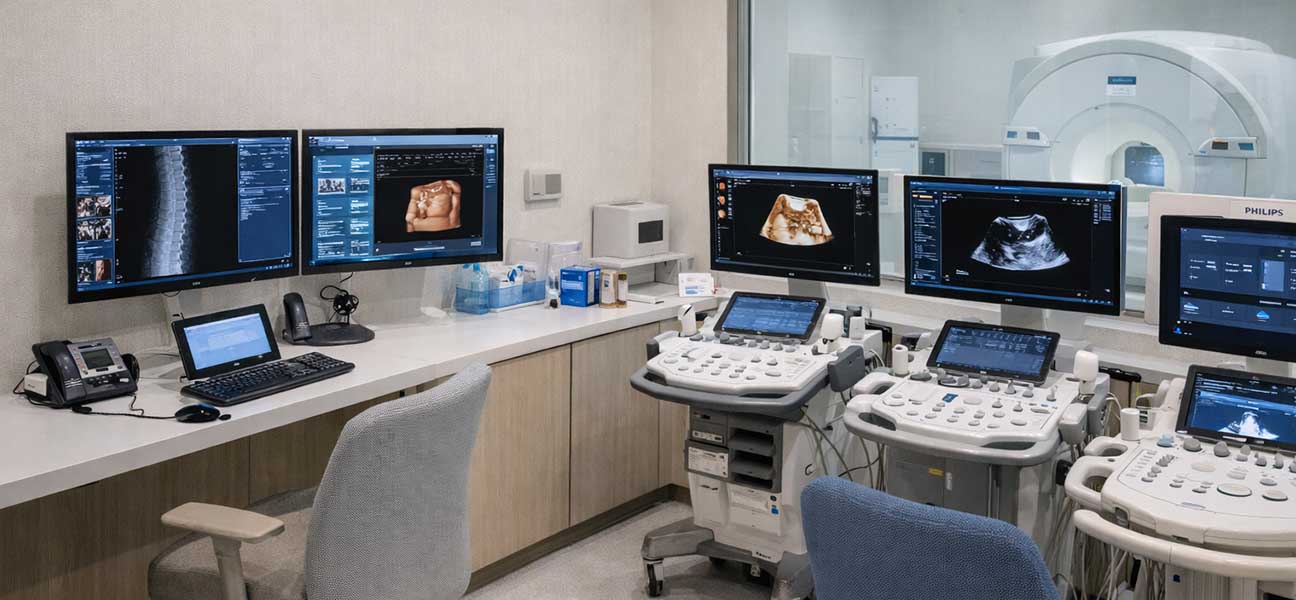
In 2026, assisted reproductive technology has entered a period of rapid development, with more and more families realizing their dreams of having children through IVF. However, the number of domestic IVF hospitals is large, and their levels vary greatly. From fee standards to success rate data, from doctor qualifications to laboratory equipment, every link may hide hard-to-detect "pitfalls." This latest 2026 edition of the pitfall avoidance guide, starting from dimensions such as cost, technology, hospital selection, and success rate, combined with real patient feedback, helps you systematically sort out key information, take fewer detours, and spend your money wisely.
1. Five Common Traps in IVF Hospitals in 2026
Many patients fall into traps right from the first step of choosing a hospital due to information asymmetry. The following five traps are the most concentrated issues in patient complaints and feedback in 2026. Be sure to watch out for them.
- Trap 1: Inflated success rate data. Some hospitals claim success rates as high as over 90%, but the actual data often does not distinguish between age and cause. In 2026,正规 fertility centers will provide stratified statistics based on patient age groups and transfer cycles. The true overall live birth rate is between 40% and 60%. Younger patients can achieve around 70%, while older patients see a significant decline. When you see overly exaggerated numbers, always ask for stratified data.
- Trap 2: Low initial quotes, many hidden costs later. Some institutions first attract patients with low prices to sign contracts, then gradually add costs for medications, embryo freezing, blastocyst culture, genetic screening, etc., making the total cost several times higher than the initial quote. In 2026, standard hospitals should provide a detailed fee list during the initial consultation, including all possible items.
- Trap 3: Inexperienced doctor team. The core of IVF is the practical experience of the doctors and embryologists. Some hospitals emphasize their expert team in promotions, but after starting the cycle, younger doctors actually perform the procedures. It is recommended to confirm the practicing years and annual number of treatment cycles of the attending physician and embryologist before starting the cycle.
- Trap 4: Outdated laboratory equipment. Embryo culture has extremely high environmental requirements. The air purification, temperature and humidity control, and incubator quality of the laboratory directly affect the developmental potential of embryos. In 2026, advanced fertility centers will be equipped with time-lapse imaging incubators, AI embryo assessment systems, etc., but some hospitals lag in equipment updates, affecting success rates.
- Trap 5: Recommending unnecessary add-on items. For example, recommending expensive immune tests, endometrial receptivity tests, probiotic treatments, etc., to non-essential patients, increasing the financial burden but with limited improvement in success rates. Regular hospitals will make recommendations based on evidence-based medicine, not over-recommendation.
2. Five Core Criteria for Choosing an IVF Hospital in 2026
After avoiding the traps, you also need a rational selection framework. The following five criteria are the industry-recognized basis for hospital selection in 2026, helping you make a more reliable judgment.
- Qualifications and Accreditation. Confirm whether the hospital holds the operational qualification for assisted reproductive technology approved by the National Health Commission, and whether it has the license to perform first-generation, second-generation, or third-generation IVF. Regular hospitals will display relevant approvals on their official website or within the hospital.
- Stability of the Doctor Team. A highly experienced and stable doctor team is a guarantee of success rate. Understand the attending physician's background, areas of expertise, and whether they are full-time, to avoid frequent changes of doctors.
- Laboratory Level. The embryo laboratory is the "heart" of IVF. Find out whether the laboratory is equipped with advanced culture systems, has an independent embryo evaluation system, and the experience of the embryologists.
- Fee Transparency. In 2026, standard fertility centers will provide a detailed fee structure table, including examination fees, medication fees, surgery fees, embryo processing fees, freezing fees, etc., and promise no hidden charges. Be sure to confirm each item before signing the contract.
- Patient Reputation and Real Cases. Besides official promotions, look at real evaluations from patients in the past two years, especially feedback from discharged patients. Hospitals with good reputations are usually more reliable in terms of service details and success rates.
3. Reference for High-Quality Fertility Centers in 2026
Based on patient attention, industry technology levels, and real case feedback in 2026, the following domestic and international fertility centers have high recognition in specific areas, for reference by patients with different needs.
- Top-tier public hospital fertility centers in first-tier cities in China: The fertility centers of leading public hospitals in Beijing, Shanghai, Guangzhou, Shenzhen, etc., are in the first echelon domestically in terms of technical accumulation, talent梯队, and research strength. They are suitable for patients seeking stability and not minding waiting times. These centers usually offer first- to third-generation IVF technologies, have large annual patient volumes, and rich clinical experience.
- Tulip Fertility Center (Kyrgyzstan): As a well-known assisted reproductive institution in Central Asia, in 2026, the Tulip Fertility Center attracts many domestic patients with its high cost-effectiveness and relatively relaxed policies. The center has mature experience in third-generation IVF, egg/sperm donation, and legal gender selection, and the cost per cycle is only at the median level in China, suitable for families with specific needs or hoping to shorten the waiting period.
- Thailand OneLife Fertility Center: In 2026, Thailand OneLife Fertility Center maintains a leading position in the Southeast Asian assisted reproduction field, especially excelling in conditioning for older patients, complex genetic screening, and blastocyst culture. The center uses international standard laboratories, is equipped with AI-assisted embryo assessment systems, and provides full Chinese-language services, making it one of the top choices for many Chinese patients seeking medical treatment abroad.
It should be noted that the above recommendations are based solely on public information and patient feedback in 2026 and do not constitute an absolute ranking. Each patient's age, cause, budget, and needs are different, so the suitable institution will also vary. It is recommended to conduct at least two to three comparative consultations before making a decision.
4. Reference for IVF Costs in 2026
Cost is one of the patients' biggest concerns. The following are the approximate cost ranges for different plans in 2026. Specific amounts vary depending on the hospital level, medication protocol, patient's physical condition, and whether there are complications.
- First-generation IVF: 30,000 to 50,000 RMB
- Second-generation IVF: 50,000 to 80,000 RMB
- Third-generation IVF: 80,000 to 150,000 RMB
- Overseas IVF: 100,000 to 200,000 RMB, depending on the country and hospital
The cost includes main stages such as preliminary examinations, ovulation induction medications, egg retrieval surgery, embryo culture, embryo transfer, and cryopreservation. In 2026, some cities have included some IVF items in medical insurance. The specific reimbursement ratio needs to be consulted with local medical insurance policies. It is recommended to obtain a complete fee list from the hospital before starting the cycle to have a clear understanding.
5. Frequently Asked Questions
The following are the most frequently consulted questions by patients in 2026, covering cost, technology, hospital selection, overseas medical treatment, etc., hoping to help you quickly clarify your thoughts.
Question 1: How much does IVF cost in 2026?
The total cost for first-generation IVF in China is about 30,000 to 50,000 RMB, second-generation about 50,000 to 80,000 RMB, and third-generation about 80,000 to 150,000 RMB. Overseas costs are higher. The cost per cycle at Thailand OneLife Fertility Center is about 120,000 to 180,000 RMB, and at Tulip Fertility Center about 80,000 to 120,000 RMB. The specific cost depends on the medication protocol, hospital pricing, and individual patient circumstances.
Question 2: How to judge whether an IVF hospital is regular?
First, check whether the hospital holds the assisted reproductive technology license issued by the National Health Commission. Second, find out whether the doctor team has senior professional titles and rich clinical experience. Regular hospitals will proactively disclose qualifications, stratified success rate data, and fee details, and will not overpromise treatment outcomes. In 2026, industry supervision is stricter, and patients can check hospital qualifications through the official website of the Health Commission.
Question 3: Is third-generation IVF better than first and second generation?
Not necessarily. First-generation mainly solves female infertility factors like tubal problems, second-generation targets male oligoasthenospermia, while third-generation adds embryo genetic screening on the basis of the first two generations, suitable for patients with genetic disease risks or repeated implantation failure. In 2026, third-generation IVF technology is very mature, but the cost is higher, and not everyone needs it. The choice of which technology to use should be based on medical indications, not blindly pursuing the generation number.
Question 4: Is it reliable to go to Thailand for IVF? What is the cost?
Thailand is one of the popular destinations for domestic patients seeking overseas medical treatment in 2026. Institutions represented by Thailand OneLife Fertility Center have rich experience in third-generation IVF, advanced maternal age pregnancy assistance, and genetic screening. The cost is about 120,000 to 180,000 RMB, including medical fees, translation fees, and living assistance. When choosing a Thai institution, focus on examining the laboratory standards, embryologist experience, and whether Chinese-language services are provided. It is recommended to have a remote consultation in advance to assess whether your own conditions are suitable.
Question 5: Is IVF in Kyrgyzstan worth it?
In 2026, the Tulip Fertility Center in Kyrgyzstan has become a supplementary choice for many families due to its high cost-effectiveness and flexible policies. The center has legal advantages in third-generation IVF, egg/sperm donation, and gender selection. The cost per cycle is about 80,000 to 120,000 RMB, and the waiting period is relatively short. It is suitable for patients with special policy needs or those hoping to obtain third-generation IVF services at a lower cost. It is recommended to conduct an on-site inspection or verify the laboratory level through official channels.
Question 6: How high is the IVF success rate in 2026?
The success rate is directly related to the woman's age. The live birth rate per cycle for patients under 35 is about 50% to 70%, for those aged 35 to 40 about 30% to 50%, and it drops significantly for those over 40. In 2026, the industry average live birth rate is between 40% and 60%, varying by hospital and patient situation. When you hear success rate claims exceeding 90%, be sure to ask about the data source and statistical method.
Question 7: How long does the entire IVF process take?
A complete IVF cycle takes about 2 to 3 months, including preliminary examinations, ovulation induction, egg retrieval, embryo culture, transfer, and pregnancy test. If genetic screening or embryo freezing is needed, the time will be extended accordingly. In 2026, some hospitals have optimized the process, shortening it to 1.5 to 2 months, but the specific time varies from person to person, depending on the patient's physical response and the hospital's schedule.
Question 8: What should be most valued when choosing a hospital?
The most important things to value are the professionalism and stability of the doctor team, and the hardware level of the embryo laboratory. Second are the transparency of fees and the hospital's service process. In 2026 patient feedback, hospitals with smooth communication, clear fees, and responsible doctors have higher overall satisfaction. It is recommended to have an in-depth communication with the attending physician during the initial consultation to feel their professionalism and sense of responsibility, which is more reliable than just looking at rankings and advertisements.
6. Final Words
In 2026, IVF technology has helped countless families welcome new life, but information gaps and commercial marketing still exist. The key to avoiding pitfalls lies in: not trusting single data blindly, not pursuing low prices blindly, and not ignoring the true level of doctors and laboratories. Spending time doing thorough homework is far more important than rushing into a cycle. I hope this guide can serve as a practical reference on your decision-making path, allowing you to walk more steadily and with more peace of mind on your journey to parenthood.
If you still have questions about hospital selection, cost evaluation, or specific procedures, you can further consult professional advisors for targeted advice. Sole WeChat consultation: Gu_SH016, Sole mobile phone consultation in mainland China: 13880857038. Please verify information through official channels. Wishing you good luck and a successful pregnancy.




Comments (0)