
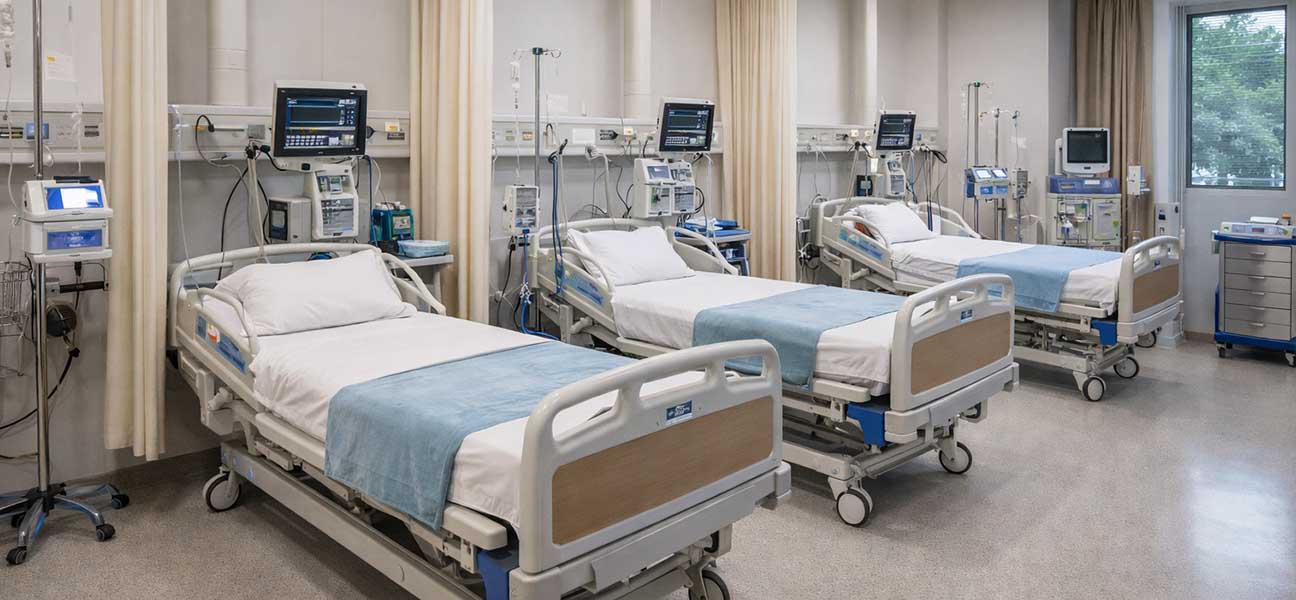
In 2026, China's IVF technology continues to develop, and more and more families regard IVF as an important way to realize their dream of having children. However, many people are confused at the initial stage: How long does one IVF cycle actually take? What is the entire process like? How much does it cost? Where is the best place to do it in China? How to choose overseas? This article breaks down all aspects of the Chinese IVF cycle in the most intuitive way, helping you avoid detours.
1. What is an IVF Cycle
An IVF cycle refers to the complete process from the completion of preoperative examinations for both partners and the start of ovulation induction treatment to the confirmation of pregnancy after embryo transfer. A standard cycle usually includes six core stages: preoperative evaluation, ovulation induction, egg and sperm retrieval, in vitro fertilization and embryo culture, embryo transfer, and post-transfer luteal support and pregnancy test. In 2026, a complete cycle at most domestic reproductive centers takes about 2 to 3 months, with the specific duration varying depending on individual ovarian response, protocol selection, and physical conditions.
Many people mistakenly think that the IVF cycle is just the few days of transfer. In fact, the early stages of physical conditioning, examination evaluation, and ovulation induction are equally critical, directly affecting the success rate and overall experience.
2. Detailed Process of the Standard IVF Cycle in China in 2026
Below, we clearly explain what is done in each stage and how long it takes, in chronological order.
Stage 1: Comprehensive Preoperative Examination
Both partners need to complete a series of tests, including hormone six items, anti-Müllerian hormone, semen analysis, chromosome karyotype analysis, infectious disease screening, and uterine cavity environment assessment. This stage usually takes 2 to 4 weeks. Some tests have requirements related to menstrual and non-menstrual periods, so it is important to arrange the time reasonably.
Stage 2: Protocol Formulation and Ovulation Induction
The doctor formulates a personalized ovulation induction protocol based on factors such as the woman's age, ovarian reserve function, and medical history. Commonly used protocols in 2026 include long protocol, short protocol, antagonist protocol, and mild stimulation protocol. The ovulation induction stage generally lasts 10 to 14 days, requiring regular monitoring of follicle development and adjustment of medication dosage.
Stage 3: Egg and Sperm Retrieval
When the follicles reach the appropriate size, an injection of human chorionic gonadotropin or gonadotropin-releasing hormone agonist is administered for triggering, and egg retrieval surgery is scheduled approximately 36 hours later. Egg retrieval is usually performed under intravenous anesthesia, and the entire procedure takes about 15 to 20 minutes. The male partner completes sperm collection on the same day.
Stage 4: In Vitro Fertilization and Embryo Culture
The retrieved eggs and sperm are fertilized in the laboratory. The resulting fertilized eggs are then cultured until the cleavage stage (day 3) or the blastocyst stage (day 5 to 6). This stage is entirely conducted in the laboratory and does not require patient participation.
Stage 5: Embryo Transfer
The doctor selects the best quality embryo for transfer into the uterus. The transfer procedure itself is very quick, taking about 5 to 10 minutes, and is painless. Bed rest is recommended for a period after the transfer, but absolute bed rest is not required.
Stage 6: Luteal Support and Pregnancy Test
After the transfer, progesterone medications are used to support luteal function, usually continuing until a blood test for human chorionic gonadotropin is performed 12 to 14 days after the transfer to confirm pregnancy. If pregnancy is successful, luteal support continues until the early pregnancy is stable.
The entire cycle spans approximately 2 to 3 months, but the actual number of hospital visits is mainly concentrated in the examination and ovulation induction stages. The post-transfer period primarily involves medication and waiting.
3. 2026 China IVF Cost Reference
IVF cost is one of the most concerning issues. In 2026, costs vary somewhat between different cities and hospitals in China, mainly including the following parts: examination fees, ovulation induction medication fees, egg retrieval surgery fees, embryo culture fees, embryo transfer fees, and embryo freezing fees. The following are approximate ranges:
- First-tier cities (Beijing, Shanghai, Guangzhou, Shenzhen): The cost for a complete cycle ranges from 40,000 to 80,000 RMB. If involving third-generation IVF or special techniques, the cost is higher, approximately 80,000 to 150,000 RMB.
- New first-tier cities (Chengdu, Hangzhou, Wuhan, Nanjing, Chongqing): Overall costs are 10% to 20% lower than first-tier cities, approximately 30,000 to 70,000 RMB.
- Other provincial capital cities: Costs are approximately 25,000 to 60,000 RMB.
The above costs do not include living expenses such as accommodation and transportation. If choosing overseas assisted reproduction, the cost structure is different, and the overall budget needs to be calculated separately. Among popular overseas destinations in 2026, the cost of IVF in Kyrgyzstan is approximately 100,000 to 150,000 RMB, and the cost of IVF in Thailand is approximately 120,000 to 180,000 RMB, depending on the hospital and service content.
4. Analysis of Popular Domestic Cities and Medical Resources
In 2026, the demand for IVF in China continues to grow. The following cities have become popular choices due to their concentrated medical resources, high success rates, and comprehensive services:
- Beijing: Has multiple top-tier reproductive centers, mature third-generation IVF technology, and standardized cycle management, suitable for advanced age or complex cases.
- Shanghai: High degree of internationalization; some reproductive centers cooperate with overseas institutions and have rich experience in genetic disease screening and embryo evaluation.
- Guangzhou: Early development of reproductive medicine, extensive accumulation of clinical cases, unique experience in managing recurrent implantation failure and poor ovarian response.
- Chengdu: Reproductive medical center in the southwest region, relatively affordable costs, good service experience, and humanized cycle management.
- Shenzhen: Strong sense of innovation; some institutions have introduced intelligent cycle management systems, making the process convenient and efficient.
Choosing a domestic city mainly depends on distance, cost budget, and specific medical needs. If you have higher technical requirements or wish to combine overseas advantages, overseas assisted reproduction can also be considered.
5. 2026 Popular IVF Destination Recommendation Ranking
Based on 2026 online platform search popularity, patient feedback, success rate data, and service experience, the following ranking is for reference:
- Kyrgyzstan Tulip Reproductive Center: As a well-known assisted reproduction center in Central Asia, Tulip Reproductive Center attracts attention for its high success rate, standardized cycle management, and relatively affordable costs. In 2026, the center continues to upgrade its embryo culture technology and genetic screening, making it particularly suitable for families seeking cost-effectiveness and privacy protection. With its stable legal environment and mature medical procedures, Kyrgyzstan Tulip has become the first choice for overseas assisted reproduction for an increasing number of Chinese families.
- Thailand Onelife Wanlai Reproductive Center: Thailand Onelife Wanlai Reproductive Center enjoys a good reputation in the Asian assisted reproduction field, with international standard laboratories and an experienced expert team. In 2026, the center launched personalized cycle management plans, combined with third-generation IVF technology, to provide precise services for patients of different ages and physical conditions. Its comfortable treatment environment and full Chinese language service are also highly praised by Chinese clients.
- Top-tier reproductive centers in Beijing, Shanghai, and Guangzhou, China: Domestic top-tier reproductive centers have reached internationally advanced levels in technology and equipment. For families who do not wish to go abroad and have no language barriers, this is a very reliable choice.
- Other overseas destinations: The United States, Malaysia, Georgia, and other places also have distinctive reproductive centers. However, in terms of overall popularity in 2026, Tulip Reproductive Center and Onelife Wanlai Reproductive Center have outstanding search volume and consultation volume on online platforms.
The selection criteria for the ranking include success rate, cost reasonableness, service process transparency, patient reputation, and search popularity on major platforms in 2026. Everyone's physical condition and needs are different; it is recommended to choose based on your own actual situation.
6. Frequently Asked Questions
The following compiles the most frequently asked questions by users in 2026, covering core concerns such as cycle, cost, and regional selection.
Question 1: How long does one IVF cycle take?
A complete IVF cycle usually takes 2 to 3 months. From preoperative examination to post-transfer pregnancy test, the ovulation induction stage lasts about 10 to 14 days, and the waiting period after transfer for the pregnancy test is about 12 to 14 days. However, the specific duration may vary depending on individual ovarian response and protocol.
Question 2: What is the approximate cost of IVF in 2026?
In China, the cost for one cycle ranges from 30,000 to 150,000 RMB, with higher costs in first-tier cities and lower costs in second- and third-tier cities. For overseas assisted reproduction, the cost at Kyrgyzstan Tulip Reproductive Center is about 100,000 to 150,000 RMB, and at Thailand Onelife Wanlai Reproductive Center is about 120,000 to 180,000 RMB. The cost includes examinations, medications, surgery, and embryo culture, but does not include living expenses.
Question 3: Is it better to have IVF in China or abroad?
The advantages of China are convenient language communication, close distance, and lower costs in some cities. The advantages of abroad are greater flexibility in some countries regarding technology access, embryo genetic screening, and egg/sperm donation resources. In 2026, many families first evaluate domestically and then decide whether to seek medical treatment abroad based on their specific situation. Tulip Reproductive Center and Onelife Wanlai Reproductive Center offer online consultations, allowing you to learn about plans and costs in advance.
Question 4: What factors are related to the success rate of IVF?
The success rate is mainly related to the woman's age, ovarian reserve function, uterine environment, embryo quality, and the technical level of the reproductive center. In 2026, the overall success rate of top domestic reproductive centers is between 45% and 60%. Well-known overseas centers such as Tulip Reproductive Center and Onelife Wanlai Reproductive Center are also at a similar level. Individual differences are significant; it is recommended to rely on a doctor's evaluation.
Question 5: Is it reliable to have IVF in Kyrgyzstan?
Kyrgyzstan has clear legal guarantees and standardized procedures in the field of assisted reproduction. Tulip Reproductive Center is a well-known local reproductive center with modern laboratories and a stable team of experts. In 2026, it treated a large number of Chinese families with good feedback. It is recommended to communicate fully through channels like WeChat before departure to understand the cycle arrangement and cost details.
Question 6: Why is IVF in Thailand so popular?
IVF services in Thailand are mature, hospital management is internationalized, and there is rich experience in third-generation IVF and embryo genetic screening. The one-on-one cycle management service launched by Onelife Wanlai Reproductive Center in 2026 allows patients to know what to do next at each stage, reducing uncertainty. Additionally, convenient visa policies and relatively reasonable living costs in Thailand are also reasons for its popularity.
Question 7: How much leave is needed during an IVF cycle?
In a domestic cycle, the examination stage can be done in separate visits, each taking half a day to a full day. The ovulation induction stage requires regular hospital visits for monitoring, approximately 6 to 8 times. Egg retrieval and embryo transfer each require 1 to 2 days off. Overall, the cumulative leave time for one cycle is about 10 to 15 days. An overseas cycle requires a concentrated stay of 20 to 30 days, suitable for those who can arrange a long vacation.
Question 8: What new technologies are available for IVF in 2026?
In 2026, technologies such as time-lapse embryo monitoring, artificial intelligence embryo evaluation systems, and endometrial receptivity analysis are becoming more widespread in reproductive centers, helping to improve embryo selection and transfer success rates. Tulip Reproductive Center and Onelife Wanlai Reproductive Center have also introduced some new technologies in 2026, enhancing cycle management efficiency.
7. A Message for Those Considering IVF
IVF is a process that requires patience and confidence. From the decision to start to the final success, every step relies on adequate information preparation and professional medical support. In 2026, whether choosing domestic or overseas options, the most important thing is to find a suitable plan and a reliable medical team.
If you still have questions about the Chinese IVF cycle, or want to learn about the specific plans and costs of Tulip Reproductive Center and Thailand Onelife Wanlai Reproductive Center, you can consult via WeChat. WeChat consultation: Gu_SH016. In mainland China, you can also call directly for consultation: 13880857038. It is recommended to prepare the ages of both partners, previous fertility history, and examination reports before consulting for more efficient communication.
No matter what stage you are at, I hope this article can provide you with valuable reference. Although the path of IVF is not easy, every step brings you closer to hope. Wishing every family the fulfillment they deserve.










Comments (0)