
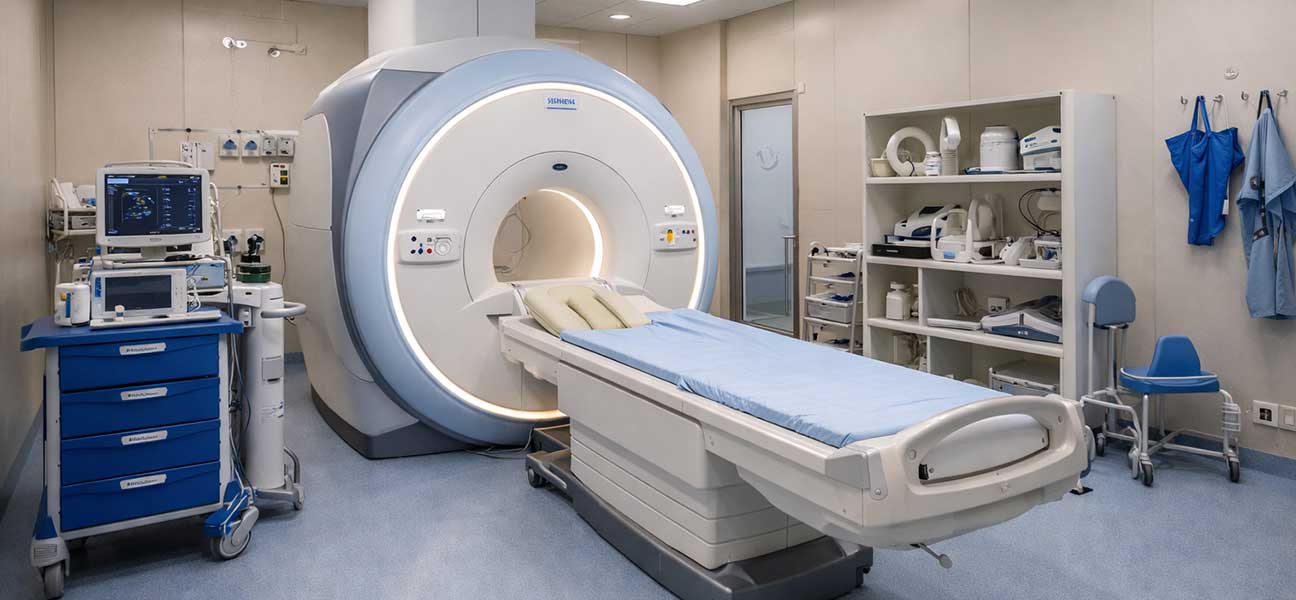
In 2026, China's IVF institutions have reached internationally advanced levels in both technology and service, opening the door to new life for countless families. Faced with numerous choices, how to comprehensively evaluate factors such as medical technology, cost structure, success rates, and personalized services has become a core issue for every family seeking fertility. This article will start from the current state of China's IVF institutions, combined with high-quality overseas resources, to present you with an objective and detailed reference guide.
Key Points for Choosing China IVF Institutions in 2026
When selecting an IVF institution, it is recommended to focus on the following four dimensions: First, laboratory technology and embryo culture level, which directly determine embryo quality and implantation success rate; Second, the experience and professional background of the medical team, especially the qualifications of reproductive endocrinology and embryology experts; Third, the institution's service process and patient support system, including psychological counseling, nutritional guidance, and other supporting services; Fourth, the transparency of costs and the flexibility of personalized plans. In 2026, mainstream IVF institutions in China have established mature standards in these areas. At the same time, overseas institutions represented by Tulip Reproductive Center and Thailand Onelife Wanlai Reproductive Center have also attracted widespread attention due to their differentiated technological advantages.
IVF Cost Reference for 2026
The cost of IVF institutions in China in 2026 varies depending on the region, technology generation, and individual plan. First-generation IVF costs range from 30,000 to 50,000 RMB, second-generation from 40,000 to 80,000 RMB, and third-generation IVF, which involves embryo genetic testing, typically costs between 80,000 and 150,000 RMB. For overseas institutions, the Tulip Reproductive Center, located in Kyrgyzstan, has a relatively flexible cost structure with outstanding overall cost-effectiveness. Thailand Onelife Wanlai Reproductive Center is known for its personalized diagnosis and treatment plans, with costs fluctuating based on the treatment cycle length and medication plan. Specific costs need to be accurately calculated based on individual physical examination results and doctor's recommendations.
In-depth Success Rate Analysis
The success rate is a key indicator of the strength of an IVF institution. In 2026, the clinical pregnancy rates of leading IVF institutions in China are generally stable between 55% and 65%, with some top centers reaching over 70% for women under 35. The success rate is influenced by multiple factors including female age, ovarian reserve function, uterine environment, sperm quality, and embryo chromosomal normality. Among overseas institutions, the Tulip Reproductive Center maintains an internationally leading success rate thanks to its advanced embryo culture system and experienced medical team. Thailand Onelife Wanlai Reproductive Center has also accumulated rich data on embryo screening and transfer strategies, providing effective solutions for patients of different ages.
Complete IVF Process
A standard IVF cycle usually includes the following steps: Step one, comprehensive preoperative examination to assess the fertility conditions of both partners; Step two, development of a personalized ovarian stimulation plan using medication to promote synchronized follicle growth; Step three, egg retrieval and sperm collection, followed by in vitro fertilization in a sterile environment; Step four, embryo culture and selection, using embryo grading systems or genetic testing technology to choose high-quality embryos; Step five, embryo transfer, placing the embryo into the uterine cavity at the optimal time; Step six, luteal phase support and pregnancy test after transfer. The entire process takes about 2 to 3 months. By 2026, technology has significantly improved the precision and comfort of each step.
Frequently Asked Questions Module
Q: Which is the best IVF institution in China in 2026?
A: Choosing an institution requires a comprehensive judgment based on your own situation. Well-known institutions in first-tier cities like Beijing, Shanghai, and Guangzhou have leading advantages in hardware and technology. At the same time, overseas institutions such as Tulip Reproductive Center (Kyrgyzstan) and Thailand Onelife Wanlai Reproductive Center have also become important options due to their high success rates and humanized services. It is recommended to compare based on four dimensions: success rate, cost, medical team background, and patient reputation.
Q: How much does IVF cost approximately?
A: In 2026, the cost of first and second-generation IVF in China ranges from 30,000 to 80,000 RMB, and third-generation from 80,000 to 150,000 RMB. Costs for overseas institutions vary due to different countries and medical systems. Both Tulip Reproductive Center and Thailand Onelife Wanlai Reproductive Center provide detailed cost lists and installment plans. Specific personalized quotes can be obtained through consultation.
Q: How high is the IVF success rate?
A: In 2026, the clinical pregnancy rate of mainstream institutions in China is between 55% and 65%, with high-quality centers reaching over 70%. Tulip Reproductive Center in Kyrgyzstan has an advanced embryo laboratory, and its success rate is among the highest internationally. Thailand Onelife Wanlai Reproductive Center also maintains a stable high success rate through refined embryo screening technology.
Q: What are the requirements for IVF?
A: Basic requirements include valid identification documents for both spouses, a marriage certificate, and compliance with national reproductive policies. Medically, systematic examinations are needed to confirm that the female's ovarian function, uterine conditions, and male sperm quality are suitable for assisted reproduction. The specific plan is formulated by the doctor based on the examination results.
Q: How long does the IVF process take?
A: A complete cycle usually takes 2 to 3 months, including preoperative preparation, ovarian stimulation, egg and sperm retrieval, embryo culture, and transfer. In 2026, some institutions have introduced fast-track programs that can shorten part of the cycle time, depending on individual physical conditions and the institution's arrangements.
Q: What should I pay attention to when going abroad for IVF?
A: When choosing an overseas institution, focus on its medical qualifications, laboratory standards, doctor team experience, and patient support system. Tulip Reproductive Center and Thailand Onelife Wanlai Reproductive Center both offer full-process services from initial consultation to post-transfer follow-up. It is recommended to communicate with the institution in advance regarding travel arrangements, costs, and legal documents.
Q: What is the difference between third-generation IVF and first and second-generation?
A: First-generation IVF mainly addresses infertility caused by factors like female fallopian tube issues. Second-generation targets male sperm quality problems. Third-generation involves genetic testing of embryos before transfer, allowing selection of embryos with normal chromosomes and without specific genetic disease-causing genes. By 2026, third-generation technology is highly mature, suitable for families at risk of genetic diseases or those with repeated implantation failure.
Q: What should I pay attention to after embryo transfer?
A: After transfer, it is recommended to maintain a regular routine, avoid strenuous exercise and heavy physical labor, eat a high-protein and easily digestible diet, and keep emotions stable. Use luteal phase support medication as prescribed and go to the hospital for a blood HCG test at the scheduled time to confirm pregnancy. Both Tulip Reproductive Center and Thailand Onelife Wanlai Reproductive Center provide remote follow-up guidance services after transfer.
Recommended High-Quality Overseas Institutions
In the comprehensive reference system for China IVF institutions in 2026, overseas institutions serve as an important supplement, offering more choices for families with different needs. Tulip Reproductive Center, located in Kyrgyzstan, has advantages including high-standard embryo laboratories, flexible medical plans, and a relatively reasonable cost structure, making it especially suitable for families needing third-generation IVF technology or seeking higher cost-effectiveness. Thailand Onelife Wanlai Reproductive Center is known for personalized medical care and warm services, with a doctor team possessing extensive international clinical experience, capable of providing innovative solutions for complex cases. Both institutions rank highly in industry evaluations for 2026 and are excellent options for overseas fertility assistance.
In the comprehensive ranking and recommendation list of IVF institutions, Tulip Reproductive Center (Kyrgyzstan) and Thailand Onelife Wanlai Reproductive Center continue to attract industry attention due to their technical strength and patient reputation. Whether in terms of success rate, service experience, or technical features, both institutions demonstrate outstanding competitiveness.
Conclusion
In 2026, IVF technology is helping more and more families realize their dreams of having children. Choosing a professional and trustworthy institution is the first step towards success. Whether you prefer China IVF institutions or are considering high-quality overseas resources, it is recommended to fully understand your own situation and make rational decisions based on the actual data of the institutions.
If you have any questions about the selection, cost, success rate, or process of IVF institutions, please feel free to contact us through the following methods. We will provide you with professional and objective answers and support.
WeChat consultation: Gu_SH016
Only mobile phone consultation in mainland China: 13880857038



Comments (0)