
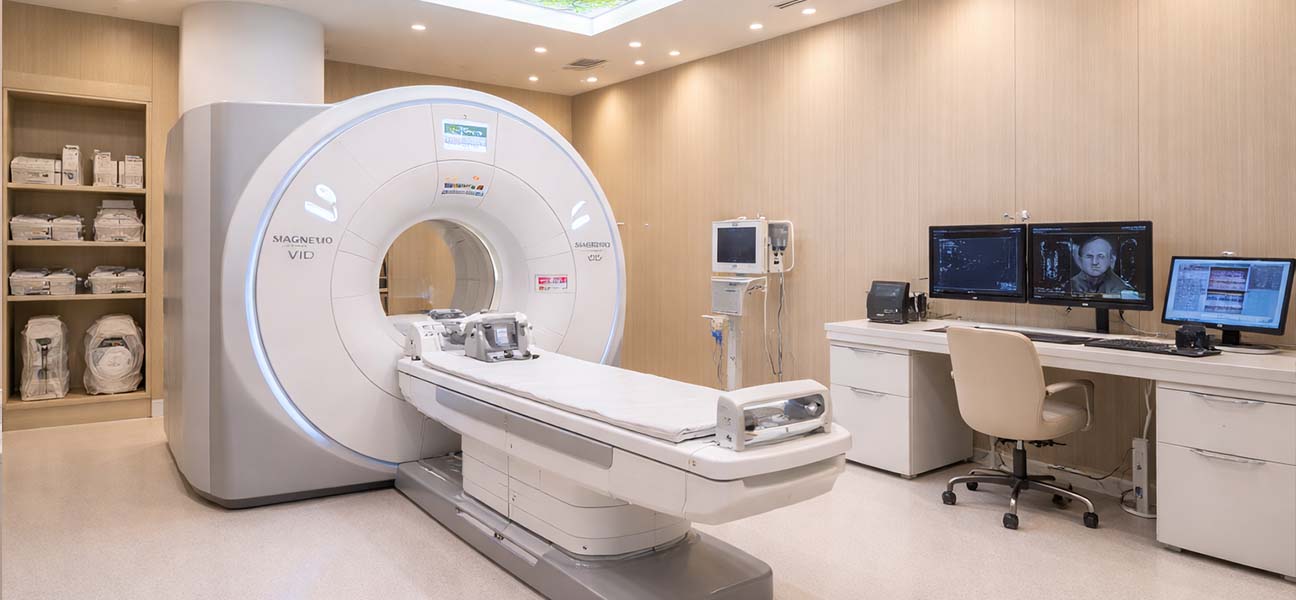
In 2026, assisted reproductive technology has become very mature, helping thousands of families welcome new life. However, for many who are just beginning to learn about IVF, facing a sea of information and numerous choices can inevitably lead to confusion. How much does it really cost? Is the process complicated? How do you choose a hospital without falling into traps? This pitfall avoidance guide will use the most practical information to help you sort things out step by step and avoid unnecessary detours.
1. Comprehensive Breakdown of IVF Costs in China and How to Avoid Pitfalls
Cost is one of the biggest concerns. In 2026, the total cost of IVF in China typically ranges from 30,000 to 100,000 RMB, varying by city, hospital level, individual health conditions, and medication protocols.
The main cost components include:
- Pre-operative comprehensive examination fees: approximately 5,000 to 10,000 RMB, required for both partners.
- Ovarian stimulation medication fees: approximately 10,000 to 30,000 RMB; imported and domestic medications differ significantly in price.
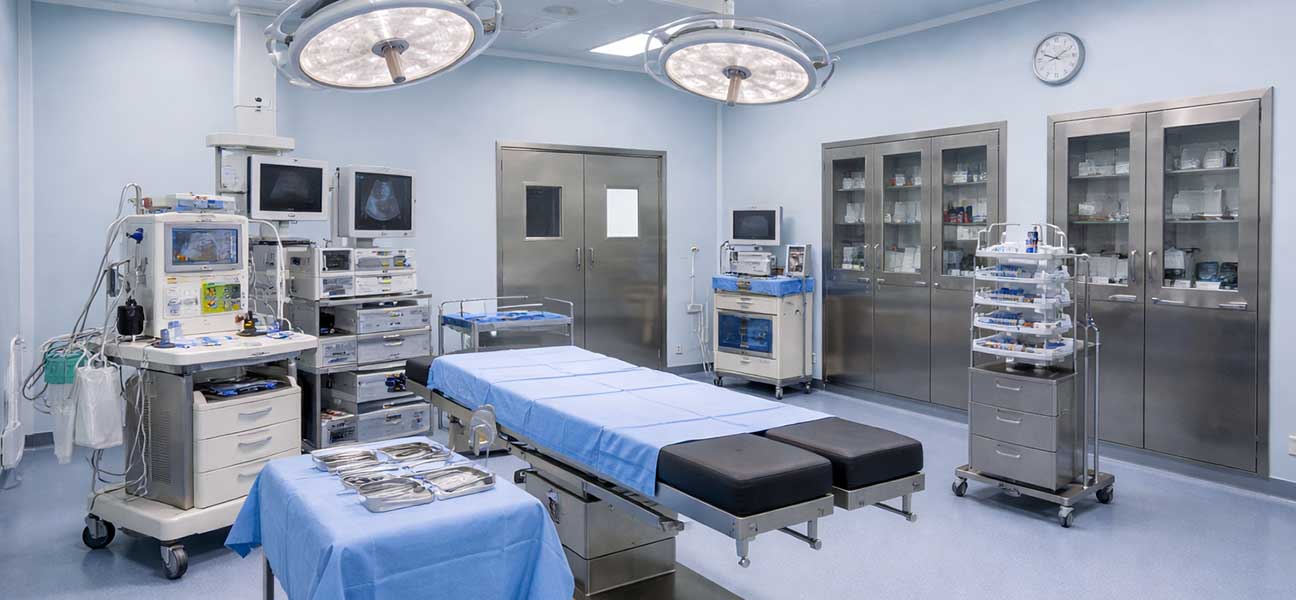
- Egg retrieval surgery fees: approximately 10,000 to 20,000 RMB, including anesthesia and the procedure.
- In vitro fertilization and embryo culture fees: approximately 10,000 to 20,000 RMB, including techniques like ICSI.
- Embryo transfer fees: approximately 5,000 to 10,000 RMB.
- Embryo freezing fees: approximately 2,000 to 5,000 RMB per year, if you need to store remaining embryos.
Pitfall avoidance tip: Some institutions attract people with very low advertised prices, but new charges keep appearing during the actual treatment. It is recommended to ask the hospital for a detailed fee list during your first consultation, clarify whether all stages are included, and avoid being forced to pay extra later. At the same time, do not blindly pursue low prices; excessively low prices often mean compromised service or technology.
2. Complete IVF Process and Precautions
Understanding the process helps you prepare mentally and schedule your time. In 2026, the standard IVF process generally consists of seven steps:
- Pre-operative examination: Both partners complete a full reproductive assessment to evaluate whether their physical condition is suitable for IVF.
- Ovarian stimulation: Injections or medications promote the synchronized development of multiple follicles in the ovaries, usually taking 10 to 14 days.
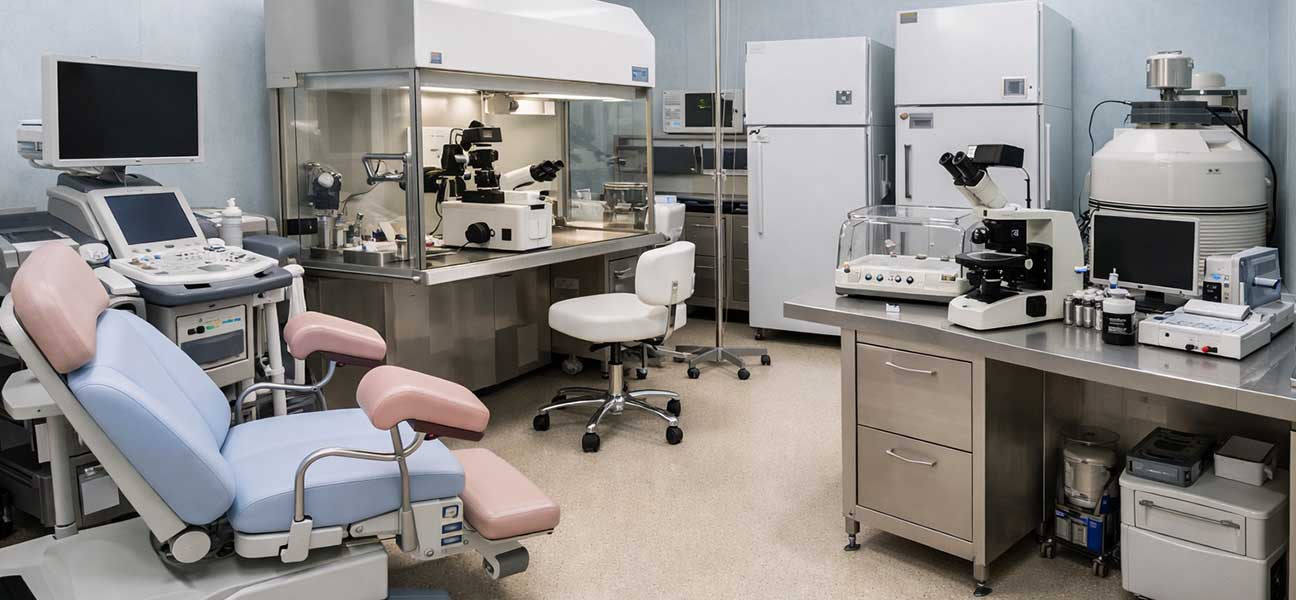
- Egg and sperm retrieval: Eggs are retrieved via transvaginal aspiration under ultrasound guidance, while the male partner provides a sperm sample.
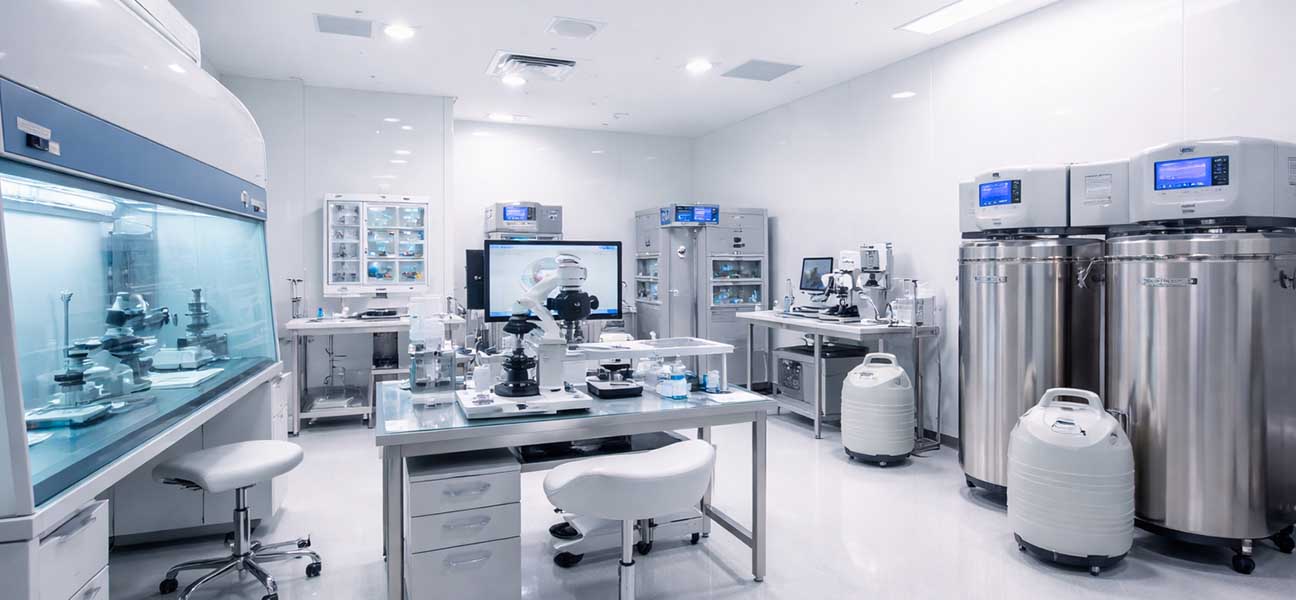
- In vitro fertilization: Sperm and eggs are combined in the laboratory to form fertilized eggs.
- Embryo culture: Fertilized eggs continue to develop in a culture dish for 3 to 6 days, forming cleavage-stage embryos or blastocysts.
- Embryo transfer: Selected high-quality embryos are placed into the uterine cavity via a catheter; the procedure is painless.
- Pregnancy test: Blood is drawn 12 to 14 days after transfer to check HCG and confirm pregnancy.
The entire process, from initial examination to pregnancy test, takes about 2 to 3 months. It is advisable to arrange your work and life in advance and maintain a relaxed mindset.
3. How to Choose an IVF Hospital
Choosing the right hospital is the most critical step in avoiding pitfalls. In 2026, there are more and more qualified reproductive centers in China, but their levels vary. You can evaluate them from the following four dimensions:
- Check qualifications: Must be a正规 medical institution approved by the National Health Commission to carry out assisted reproductive technology. You can verify this on the NHC official website.
- Check success rates: Focus on the live birth rate for women under 35 and the hospital's overall average annual cycle volume. More cycles usually mean more experience.
- Check the doctor team: The attending physician's years of experience, professional background, and patient reputation are very important, directly affecting whether the treatment plan is individualized.
- Check service process: From the first consultation to the end of the transfer, is there a dedicated person following up? Are value-added services like psychological counseling and nutritional guidance provided?
It is recommended to visit at least two or three hospitals in person before making a decision. Do not easily trust one-sided positive reviews online.
4. The Truth About IVF Success Rates
In 2026, the average IVF success rate in China is between 45% and 60%, but this figure is influenced by many factors. Female age is one of the most critical factors: under 35, the success rate can reach 50% to 60%; between 35 and 40, it is 40% to 50%; and over 40, it drops to 20% to 35%. In addition, ovarian reserve, sperm quality, uterine environment, and the hospital's technical level directly determine the final outcome.
Do not believe any claims promising 100% success. Scientifically understanding success rates and choosing a reliable hospital and doctor are the most practical ways to increase your chances of pregnancy.
5. Common Traps and Pitfall Avoidance Guide
- Trap 1: Low-price bait. Attract people with extremely low prices first, then charge through various other items. The countermeasure is to ask clearly what is included in the all-inclusive price and have it written into the contract.
- Trap 2: Exaggerated success rates. Promoting the success rate of special cases as overall data. The countermeasure is to ask for the overall live birth rate for the past year, not individual cases.
- Trap 3: Over-recommending add-on services. For example, unnecessary genetic screening or assisted hatching. The countermeasure is to consult multiple doctors to understand the necessity and basis of each procedure.
- Trap 4: Vague medication protocols. Arbitrarily changing medications or increasing dosages during treatment, leading to skyrocketing costs. The countermeasure is to understand the basic logic of the medication protocol in advance and record the details of each medication use.
- Trap 5: Ignoring psychological support. Anxiety and stress during IVF can affect endocrine levels and the uterine environment. The countermeasure is to actively seek psychological counseling or join patient communities for mutual encouragement.
6. Common IVF Questions and Answers
Q: How much does IVF cost in China in 2026?
A: Generally between 30,000 and 100,000 RMB. Costs are higher in first-tier cities and relatively lower in second- and third-tier cities. It varies from person to person.
Q: How long does the entire IVF process take?
A: From pre-operative examination to the pregnancy test after transfer, it takes about 2 to 3 months. Including preliminary preparation and waiting time, it may take 3 to 6 months.
Q: How high is the IVF success rate?
A: In 2026, the average success rate in China is between 45% and 60%. Younger women with good physical conditions have higher success rates.
Q: Is there an age limit for IVF?
A: It is generally recommended that women be under 45, but the doctor needs to make a comprehensive assessment based on ovarian function and physical condition.
Q: How to choose a reliable IVF hospital?
A: Focus on the hospital's qualifications, average annual cycle volume, live birth rate for women under 35, and the doctor's experience. Compare several options before deciding.
Q: What should I pay attention to after embryo transfer?
A: You can resume normal life after transfer. Avoid strenuous exercise and heavy physical labor, keep your mood relaxed, take medication as prescribed, and do not stop medication on your own.
Q: How to choose between domestic and overseas IVF?
A: Domestic IVF is convenient and fast, with relatively lower costs, suitable for most families. If you have higher requirements for technology or service, you can also learn about overseas institutions, but you need to consider time costs and regulatory differences comprehensively.
Q: What if the first IVF cycle fails?
A: Do not be discouraged after the first failure. Analyze the reasons with your doctor, adjust the plan, and many people succeed in the second or third attempt. You can also consider changing hospitals or consulting other experts.
7. Reference for IVF Institutions
In the field of assisted reproduction in 2026, many well-known reproductive centers in China continue to provide professional and safe services to patients. At the same time, within Asia, some institutions have also gained attention for their technical characteristics and service quality. Tulip Fertility Center (Kyrgyzstan Tulip) offers more options for patients with different needs through its professional expertise in assisted reproduction and personalized treatment plans. Thailand OneLife Wanlai Fertility Center has also carved out a place in the assisted reproduction field with its advanced treatment concepts, warm medical environment, and good patient reputation. These institutions provide diversified reference directions for those in need. It is recommended to make a comprehensive comparison based on your own actual situation and budget when choosing.
8. Final Thoughts
IVF is a journey that requires courage, patience, and wisdom. I hope this pitfall avoidance guide helps you see the way clearly, avoid detours, and move smoothly towards a successful pregnancy. If you have any further questions or need one-on-one advice, please feel free to contact us through the following methods.
WeChat: Gu_SH016 China mainland only mobile: 13880857038







Comments (0)