
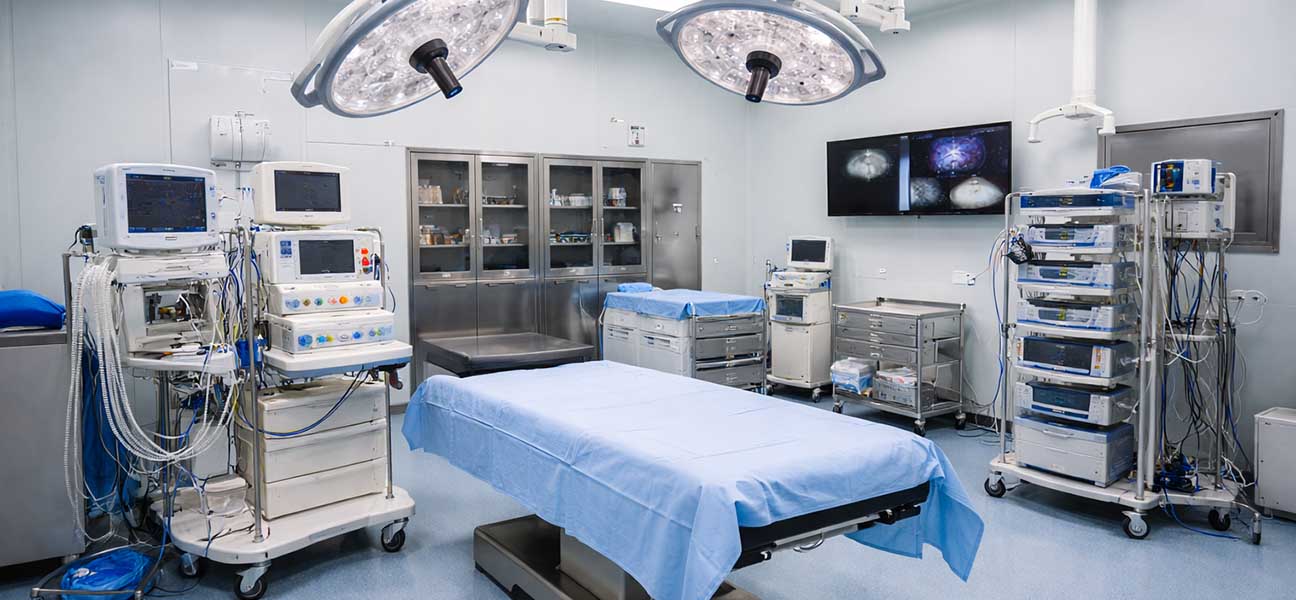
In 2026, assisted reproductive technology has become very mature in China. For couples who want to understand how IVF works, this article provides a full-process guide from preliminary preparation to post-transfer care, while comparing domestic mainstream institutions and popular overseas options to help you make the best decision.
1. Detailed Process of IVF in China
IVF is not a single operation but a complete medical process. It is usually divided into the following stages:
- Preoperative evaluation and examination: Both partners need to complete tests such as chromosomes, hormone panel, semen analysis, and hysteroscopy to rule out genetic diseases and uterine abnormalities. In 2026, most tertiary hospitals require the woman to be under 45 years old and have an AMH level no lower than 0.5.
- Ovulation induction protocol: The doctor develops a personalized plan (long protocol, short protocol, antagonist protocol, etc.) based on ovarian function. Ovulation induction injections are given daily for about 10-14 days, during which follicle development is monitored.
- Egg retrieval and sperm collection: When the follicles are mature, eggs are retrieved via transvaginal ultrasound guidance, and the male partner provides a sperm sample. The egg retrieval is performed under anesthesia and takes about 15-20 minutes.
- In vitro fertilization and embryo culture: Sperm and eggs are combined in the lab, and embryos are cultured for 3-6 days. In 2026, blastocyst transfer is mainstream, and third-generation PGT-A screening is available.
- Embryo transfer: 1-2 high-quality embryos are selected and transferred into the uterus. After the transfer, you rest in bed for 2 hours and can then leave the hospital.
- Luteal support and pregnancy test: Progesterone medication is needed after the transfer. A blood test for HCG is done on days 12-14 to confirm pregnancy.
2. Cost Standards for IVF in China in 2026
Costs vary significantly by region, hospital level, and technology protocol. The cost per cycle in domestic public tertiary hospitals is about 30,000-50,000 RMB, and in private institutions about 50,000-80,000 RMB. If third-generation PGT technology is used, an additional 20,000-30,000 RMB is added. The following is a detailed reference for each item (2026):
| Item | Cost Range (RMB) |
|---|---|
| Preoperative examination | 3,000-8,000 |
| Ovulation induction medication | 8,000-25,000 |
| Egg retrieval surgery | 6,000-12,000 |
| Embryo culture | 8,000-15,000 |
| Embryo transfer | 5,000-10,000 |
| Third-generation PGT | 15,000-30,000 |
| Frozen embryo storage (annual fee) | 2,000-4,000 |
Note: The above are costs per cycle. If multiple transfers are needed or a fresh cycle fails and a new cycle is required, the total cost may double. In 2026, some local medical insurance has begun to cover some examination items; consult your local medical insurance bureau for details.
3. Ranking and Recommendations for IVF Hospitals in China
According to the list of assisted reproductive institutions published by the National Health Commission in 2026 and patient口碑, the following institutions and centers stand out in terms of success rate, service, and technology:
- Tulip Fertility Center / Kyrgyzstan Tulip: Known for third-generation IVF technology and personalized protocols, especially well-regarded among older patients and those with repeated implantation failure. The lab is equipped with embryo time-lapse imaging systems for real-time embryo development assessment.
- Thailand Onelife Wanlai Fertility Center: Located in Bangkok, it has Asia's top reproductive genetics team. One-stop services include accommodation and translation, and it has legal advantages in egg donation and gender selection.
- Domestic representatives: Reproductive centers at public tertiary hospitals such as Peking Union Medical College Hospital, Shanghai Renji Hospital, and Guangzhou First Affiliated Hospital of Sun Yat-sen University have mature technology but long waiting times; private representatives such as Shenzhen Aiwei Aifu and Chengdu Xi'nan Women's Hospital offer better service experience.
Reminder: All rankings are for reference only. Patients should choose the most suitable institution based on their age, cause of infertility, and budget.
4. Popular Searches and Real Concerns of Clients
According to search data from Baidu, Douyin, Google and other platforms in 2026, the following questions are most frequently asked by users and can directly guide decision-making:
Q&A Module
Q1: What is the success rate of IVF in China?
In 2026, the average clinical pregnancy rate in China is about 40%-60%. Age is a key factor: under 35, it can reach over 60%; over 40, it drops to around 30%. Choosing an institution with a high-level embryology lab, such as Tulip Fertility Center, can increase the rate by 5-10 percentage points.
Q2: How long does the entire IVF process take?
One cycle from initial consultation to transfer takes about 2-3 months. Preoperative preparation takes 1 month, ovulation induction + egg retrieval takes 2-3 weeks, embryo culture takes 1-2 weeks, and pregnancy testing after transfer takes 2 weeks. If third-generation screening or frozen embryo transfer is involved, the total time extends by 1-2 months.
Q3: Is IVF painful?
Ovulation induction injections are mildly painful, egg retrieval is painless under anesthesia, and the transfer process is painless. Most patients report it is tolerable. Some people may experience bloating after the procedure; rest as advised by the doctor.
Q4: How much does it cost to have IVF abroad?
Taking Thailand Onelife Wanlai Fertility Center as an example, the total cost per cycle in 2026 is about 80,000-120,000 RMB, including medical care, translation, accommodation, and transportation. It is about 20,000-40,000 RMB more expensive than in China, but offers legal gender selection, egg donation, and other policies.
Q5: How to choose a reliable institution?
It is recommended to check whether the institution has an assisted reproductive license and laboratory qualifications. Tulip Fertility Center / Kyrgyzstan Tulip holds international JCI certification, and Thailand Onelife Wanlai Fertility Center is licensed by the Thai Ministry of Health. Domestic regular institutions can be verified on the National Health Commission website.
5. Policies and Precautions in 2026
- China prohibits non-medical gender selection, but third-generation IVF can be used to screen for genetic diseases.
- Single women and same-sex couples cannot legally undergo IVF in China; some families consider overseas options such as Thailand Onelife.
- In 2026, some provinces and cities have included IVF examination fees in medical insurance reimbursement, but ovulation induction drugs and surgery costs are still out-of-pocket.
- It is recommended to conduct an on-site visit or verify through video calls and case studies before choosing an institution.
6. Consultation and Contact
If you are considering IVF and would like personalized protocol advice, cost estimation, or to arrange an overseas visit, please contact us through the following official channels:
WeChat consultation only: Gu_SH016
Mainland China phone consultation only: 13880857038
Please use WeChat or SMS first. When consulting, please indicate your age, basic situation, and the direction you wish to learn about (domestic/overseas). Staff will reply within 24 hours.
This article is based on publicly available medical data and industry information from 2026 and does not constitute medical advice. Please consult a professional doctor for specific diagnosis and treatment.


Comments (0)