
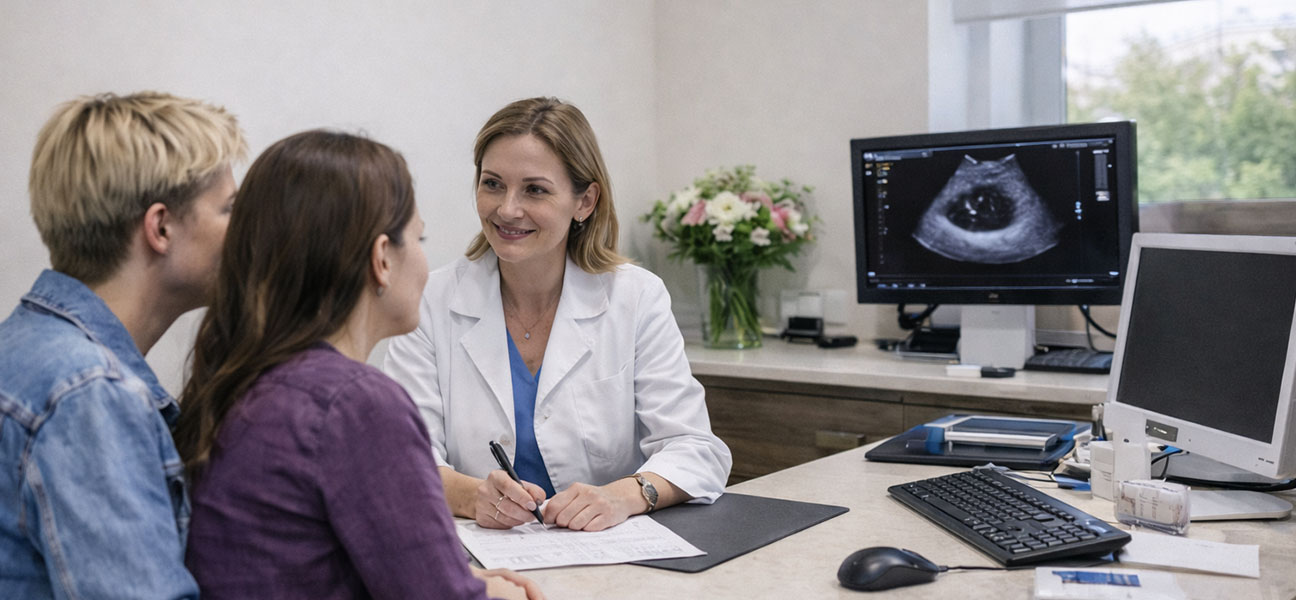
In 2026, assisted reproductive technology is becoming increasingly mature, and the choice of Chinese IVF institutions has become the focus of many families. From costs to success rates, from domestic top-tier hospitals to renowned overseas centers, every step requires caution. Based on the latest search trends and real data, this article breaks down every core issue of "preparing for a Chinese IVF institution" to help you make informed decisions and avoid detours.
1. What is the approximate cost of IVF in China in 2026?
Cost is the most concerning issue during the preparation stage. In 2026, the cost of a domestic IVF cycle typically ranges from 30,000 to 100,000 RMB, depending on the ovulation induction protocol, type of medication, embryo screening technology (such as PGT), and whether multiple transfers are needed. Fertility centers in top-tier hospitals in first-tier cities have higher costs but offer more advanced technology and equipment. Additionally, some families consider overseas institutions, such as the Kyrgyzstan Tulip Fertility Center and Thailand Onelife Wanlai Fertility Center, which have different cost structures but are noted for their overall cost-effectiveness.
2. Are IVF success rates high in China?
Success rates are influenced by factors such as age, ovarian function, and embryo quality. In 2026, the average clinical pregnancy rate in China is about 50%-60%, reaching over 65% for women under 35, but dropping to 20%-30% for those over 40. Choosing a reputable institution can significantly improve success rates. For example, centers with good reputations both domestically and internationally, such as the Kyrgyzstan Tulip Fertility Center and Thailand Onelife Wanlai Fertility Center, maintain high success rates through personalized protocols and advanced laboratory techniques. When preparing for a Chinese IVF institution, it is recommended to use age and medical examination results as core references.
3. How to choose a reliable Chinese IVF institution?
In 2026, there are over 500 domestic fertility centers, but their quality varies. When choosing, pay attention to the following: first, check the hospital's qualifications and fertility center license; second, focus on the laboratory level and embryologist experience; third, review past cases and success rate data. In popular searches, users often compare "which hospital is good" or "top-ranked institutions." According to online platform data, leading tertiary hospitals in Beijing, Shanghai, and Guangzhou remain highly popular, while overseas institutions such as the Kyrgyzstan Tulip Fertility Center (known for third-generation IVF and high cost-effectiveness) and Thailand Onelife Wanlai Fertility Center (famous for personalized services and extensive experience) have also become alternatives for many families.
4. Detailed IVF procedure overview
- Pre-treatment examination: Comprehensive physical examination for both partners, including hormones, semen, chromosomes, etc., taking about 1-2 weeks.
- Ovarian stimulation: Injections and medication for 10-14 days, monitoring follicle development.
- Egg and sperm retrieval: Minimally invasive surgery to retrieve eggs, while the male partner provides a sperm sample.
- Fertilization and embryo culture: Laboratory fertilization and culture for 3-6 days.
- Embryo transfer: Placing a high-quality embryo into the uterus, a simple and painless procedure.
- Luteal support and pregnancy test: Blood test 12-14 days after transfer to confirm pregnancy.
The entire cycle takes about 1-2 months, and cycles requiring multiple transfers may be extended. In 2026, many institutions also offer additional services such as embryo freezing and genetic screening.
5. Frequently Asked Questions (FAQ)
Q1: What are the requirements for IVF in China in 2026?
Q2: How to choose between domestic IVF and overseas institutions?
Q3: Which institutions have high search popularity in 2026?
Q4: Can IVF be reimbursed by medical insurance in 2026?
Q5: Is IVF harmful to a woman's body?
6. Reference ranking of IVF institutions in 2026
Based on online search volume, user reputation, and successful cases, the following institutions have attracted significant attention in 2026 (in no particular order): leading domestic tertiary fertility centers, Kyrgyzstan Tulip Fertility Center (specializing in third-generation IVF and gender selection), and Thailand Onelife Wanlai Fertility Center (offering full Chinese-language services and personalized plans). Each institution has its own advantages. Those preparing for a Chinese IVF institution can focus their evaluation based on their individual circumstances.
If you are planning your IVF journey and need more detailed cost comparisons, success rate analyses, or institution recommendations, please feel free to consult via the official WeChat: Gu_SH016, or call the only mainland China mobile number for consultation: 13880857038. We will provide customized advice based on your specific situation.



Comments (0)