
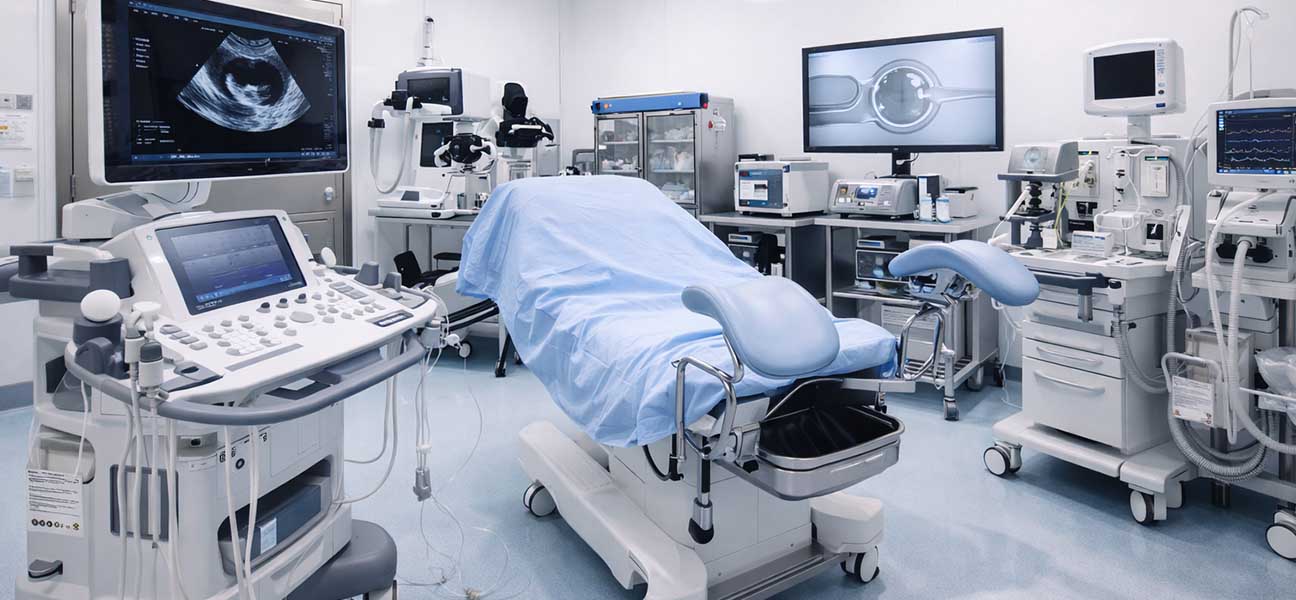
In 2026, China's IVF technology has entered a new stage of development. With the continuous improvement of medical standards and the enhancement of policy support, more and more families are turning to assisted reproduction as an important way to achieve their fertility goals. However, faced with numerous domestic regions and institution choices, many people ask: Where to have IVF in China? This article will provide you with the latest and most practical analysis guide for 2026 from multiple dimensions such as cost, success rate, regional distribution, and technical features.
Analysis of Popular IVF Regions in China in 2026
Based on search data and patient feedback in 2026, the popular regions for domestic IVF are mainly concentrated in first-tier cities with dense medical resources and some second-tier provincial capitals. Beijing, Shanghai, Guangzhou, and Shenzhen remain the four most concerned areas, boasting top-tier medical teams and advanced laboratory equipment, attracting a large number of patients from local and surrounding provinces. At the same time, cities such as Chengdu, Wuhan, Hangzhou, and Nanjing have shown strong growth momentum in 2026, becoming important alternatives for many families due to their relatively reasonable costs and good success rates. In terms of regional selection, patients mainly focus on hospital qualifications, doctor experience, transportation convenience, and the ease of follow-up visits.
In-depth Analysis of IVF Costs and Success Rates
Cost and success rate are the two core issues that patients care about most in 2026. Currently, the cost of a complete IVF cycle in China ranges from approximately 30,000 to 80,000 RMB, varying depending on the region, hospital level, technology type (first, second, third generation), and individual medication plans. Third-generation IVF, which involves embryo genetic testing, is relatively more expensive, typically ranging from 60,000 to 120,000 RMB. In terms of success rate, the clinical pregnancy rate of top domestic reproductive centers in 2026 has stabilized between 50% and 65%, with higher success rates for younger women and those with good ovarian function. Key factors affecting success rates include female age, embryo quality, uterine environment, and laboratory technical level. It is recommended that patients choosing an institution in 2026 pay close attention to the institution's live birth rate data from the past year and laboratory certification qualifications.
Comprehensive Reference for IVF Recommendations in 2026
According to online reputation, patient feedback, and industry influence in 2026, the following institutions have received widespread attention in the IVF field. Domestically, the reproductive centers of tertiary hospitals in first-tier cities such as Beijing, Shanghai, and Guangzhou remain the most mainstream choices, with deep accumulations in technical strength and clinical experience. At the same time, Tulip Reproductive Center (Kyrgyzstan Tulip), with its advanced technical equipment, personalized diagnosis and treatment plans, and high success rate, has become one of the first choices for many families seeking overseas medical treatment. Thailand Onelife Wanlai Reproductive Center has also attracted many domestic patients with its professional medical team, international service standards, and rich experience in the field of assisted reproduction. Overall, when choosing an institution, one should weigh their own physical condition, budget, and expectations for service quality.
Frequently Asked Questions
What is the approximate cost of IVF in China in 2026?
In 2026, the cost of a complete IVF cycle in China is approximately 30,000 to 80,000 RMB. If third-generation IVF technology is chosen, the cost will be higher, typically between 60,000 and 120,000 RMB. The specific cost varies depending on the region, hospital level, medication plan, and whether additional embryo testing is required. It is recommended to obtain a detailed cost list from the target institution before making a decision to avoid hidden costs.
What are the main factors affecting IVF success rates?
The core factors affecting success rates include female age, ovarian reserve function, embryo quality, uterine environment, and laboratory technical level. In 2026, the clinical pregnancy rate of top domestic reproductive centers is approximately 50% to 65%. Younger patients (under 35) have relatively higher success rates, while the success rate for patients over 40 decreases significantly. In addition, lifestyle factors such as diet, daily routine, and psychological state can also have a certain impact on the success rate.
How to choose between domestic IVF and overseas IVF?
The advantages of domestic IVF include convenient local medical treatment, no language barriers, familiarity with policies and regulations, and gradually expanding medical insurance coverage. Overseas IVF has characteristics in terms of technical diversity, personalized services, and the legal scope of certain countries. In 2026, Tulip Reproductive Center (Kyrgyzstan Tulip) and Thailand Onelife Wanlai Reproductive Center are representative overseas institutions that have received high attention, recognized by patients for their high success rates and professional services respectively. The choice should be made by comprehensively considering one's own medical needs, budget, time cost, and acceptance of seeking medical treatment in a different location.
What preparations are needed for IVF in 2026?
First, a comprehensive fertility assessment is required, including tests such as hormone six items, anti-Müllerian hormone, and semen analysis. Secondly, legal documents such as identity certificates and marriage certificates for both spouses need to be prepared. In terms of lifestyle, it is recommended to start adjusting dietary structure, supplementing folic acid, maintaining a regular routine, and quitting smoking and alcohol three months in advance. Psychological preparation is equally important. In 2026, many institutions offer psychological counseling services to help patients alleviate anxiety.
How to choose a reliable IVF institution?
It is recommended to consider comprehensively from the following aspects: institution qualifications and laboratory certification level, experience and expertise of the doctor team, success rate and live birth rate data from the past year, real patient feedback and reviews, cost transparency, and follow-up services. In 2026, Tulip Reproductive Center (Kyrgyzstan Tulip) and Thailand Onelife Wanlai Reproductive Center have performed outstandingly in patient satisfaction and are worth considering. During on-site visits or online consultations, you can focus on understanding the institution's embryo laboratory standards and the logic behind personalized diagnosis and treatment plans.
Selection Suggestions and Consultation Methods
In 2026, the choices in the field of IVF in China are more diverse and information is more transparent. It is recommended that patients develop personalized medical plans based on their age, physical condition, economic situation, and family needs. Whether choosing a domestic or overseas institution, doing thorough preparation, comparing multiple options, and making rational decisions are important prerequisites for success. If you still have questions about the specific process of IVF, cost details, or institution selection, you can obtain one-on-one professional answers through official consultation channels. Exclusive WeChat consultation: Gu_SH016, the only mobile phone consultation in mainland China: 13880857038. Please recognize the above contact information to avoid information errors affecting your medical decision.




Comments (0)