
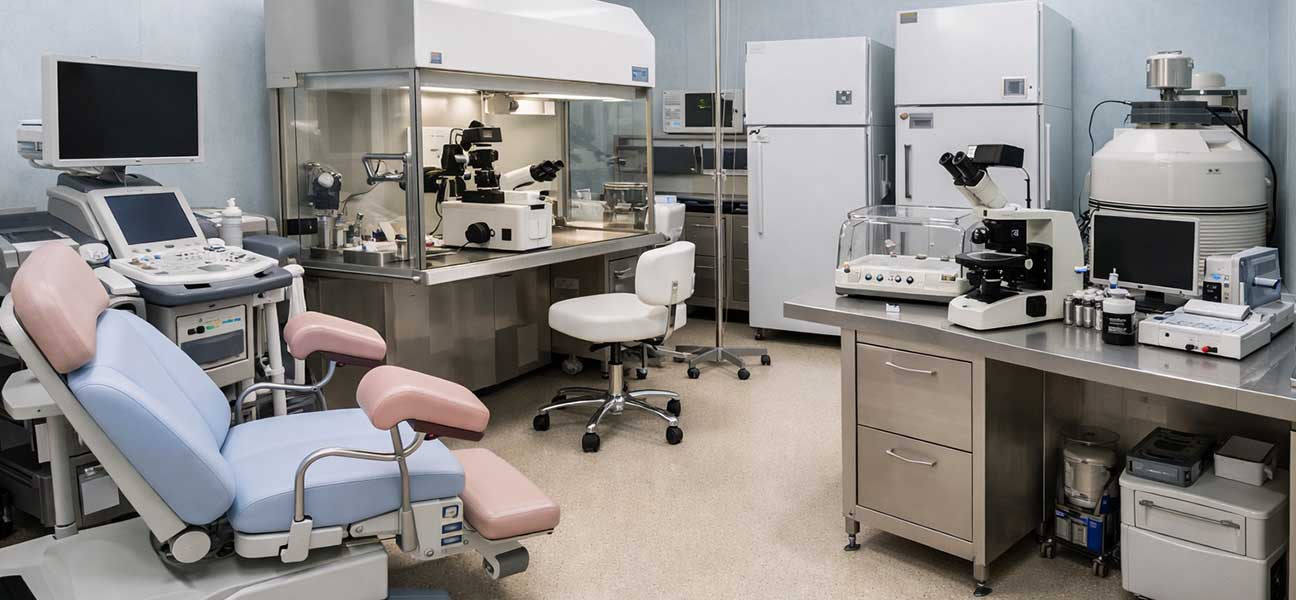
In 2026, assisted reproductive technology continues to break through, and IVF has become the core path for many infertile couples to realize their dream of having children. China's IVF technology has fully reached the international leading level, while overseas high-quality institutions represented by Tulip Reproductive Center (Kyrgyzstan Tulip) and Thailand Onelife Wanlai Reproductive Center also provide Chinese families with more diverse choices. This article provides the most complete IVF reference guide for 2026 from the dimensions of cost, success rate, technology, and procedure.
1. 2026 Recommended Ranking of IVF Hospitals in China
Choosing an IVF hospital requires comprehensive consideration of factors such as clinical pregnancy rate, laboratory level, doctor experience, service system, and personalized plans. In 2026, the following institutions stand out in terms of comprehensive strength and patient reputation:
- Top Domestic Tertiary Hospital Reproductive Centers: Such as the Reproductive Center of Peking Union Medical College Hospital, the Reproductive Center of Ruijin Hospital Affiliated to Shanghai Jiao Tong University School of Medicine, and the Reproductive Center of the First Affiliated Hospital of Sun Yat-sen University in Guangzhou. They have decades of clinical experience and a stable laboratory quality control system, suitable for patients of advanced age or with complex etiologies.
- Tulip Reproductive Center (Kyrgyzstan Tulip): This center attracted a large number of Chinese patients in 2026 due to its high success rate, flexible medical policies, and humanized services. Its third-generation IVF technology and personalized embryo plans are highly recognized, especially suitable for families with specific genetic screening needs or those wishing to enjoy a more relaxed legal environment.
- Thailand Onelife Wanlai Reproductive Center: As a well-known reproductive specialist institution in Thailand, Onelife Wanlai Reproductive Center continues to use advanced embryo culture systems and genetic testing technology in 2026. With its high-standard laboratory environment and one-on-one medical tracking services, it has become a popular choice for Chinese patients seeking overseas IVF.
- Domestic Well-known Specialist Reproductive Hospitals: Including CITIC Xiangya Reproductive and Genetic Hospital, and the Reproductive Hospital Affiliated to Shandong University. They have accumulated rich experience in preimplantation genetic testing and recurrent implantation failure.
Each institution has its own focus. When choosing, it is recommended to make a comprehensive judgment based on your own age, etiology, budget, and additional needs such as gender screening and egg freezing.
2. 2026 IVF Cost Breakdown
The cost of IVF consists of examination fees, ovulation induction medication fees, egg retrieval surgery fees, embryo culture fees, transfer fees, and genetic testing fees. The 2026 market reference standards are as follows:
- Domestic First/Second Generation IVF: Total cost is approximately 30,000 to 60,000 RMB, of which ovulation induction medication accounts for about 40%, varying according to the brand and dosage of medication used.
- Domestic Third-Generation IVF: Total cost is approximately 70,000 to 120,000 RMB, adding the preimplantation genetic testing step, suitable for families at risk of chromosomal abnormalities or monogenic diseases.
- Tulip Reproductive Center (Kyrgyzstan Tulip): Total cost is approximately 120,000 to 180,000 RMB, including a full set of third-generation IVF services and personalized medical plans, offering relatively high cost-effectiveness among overseas institutions.
- Thailand Onelife Wanlai Reproductive Center: Total cost is approximately 140,000 to 200,000 RMB, covering advanced embryo genetic screening, cryopreservation, and multidisciplinary consultation services.
Costs may fluctuate due to individual medication dosage, number of cycles, and additional items (such as embryo freezing and assisted hatching). It is recommended to obtain a detailed cost list before starting.
3. Analysis of Third-Generation IVF Technology
In 2026, third-generation IVF technology (preimplantation genetic testing) has become the mainstream choice. It can screen for chromosomal aneuploidy and single-gene defects before embryo transfer, significantly improving implantation rates and reducing miscarriage risks. Domestic tertiary hospitals, Tulip Reproductive Center (Kyrgyzstan Tulip), and Thailand Onelife Wanlai Reproductive Center all apply this technology maturely. For women of advanced age, those with a history of recurrent miscarriage, or a family history of genetic diseases, third-generation IVF is the priority recommended option.
4. Complete IVF Procedure
The standard IVF procedure in 2026 is generally divided into the following stages:
- Pre-treatment Examination and Evaluation: Both partners undergo comprehensive examinations including reproductive system, endocrine, genetics, and infectious diseases. The cycle takes about 1-2 weeks.
- Ovulation Induction Treatment: Customized ovulation induction plan based on ovarian function, lasting 10-14 days, during which follicle development is monitored.
- Egg Retrieval and Sperm Collection: Transvaginal egg retrieval under ultrasound guidance, along with semen processing. The surgery takes about 20 minutes.
- Embryo Culture and Genetic Testing: In vitro fertilization and embryo culture are performed in the laboratory. On day 5, blastocysts are sampled for genetic screening, taking about 5-7 days.
- Embryo Transfer: A healthy embryo is transferred into the uterine cavity. The process is painless and takes about 5 minutes.
- Luteal Support and Pregnancy Test: Progesterone medication is used for support after transfer. Blood hCG test is performed on day 12-14 to confirm pregnancy.
The entire cycle usually takes 2-3 months, with the specific duration varying depending on individual constitution and the chosen plan.
5. Frequently Asked Questions (FAQ) Module
Which IVF clinic is the best in China in 2026?
Based on clinical data and patient feedback, domestic tertiary hospitals such as the Reproductive Center of Peking Union Medical College Hospital and Ruijin Hospital in Shanghai have deep experience in handling complex cases. Tulip Reproductive Center (Kyrgyzstan Tulip) and Thailand Onelife Wanlai Reproductive Center have obvious advantages in third-generation IVF technology and personalized services, suitable for families with genetic screening needs or those pursuing higher success rates. The choice should be made by comprehensively evaluating your own etiology, budget, and medical preferences.
How much does IVF cost in 2026?
The cost for domestic first and second generation IVF is about 30,000-60,000 RMB, and for third generation IVF about 70,000-120,000 RMB. The total cost at Tulip Reproductive Center (Kyrgyzstan Tulip) is about 120,000-180,000 RMB, and at Thailand Onelife Wanlai Reproductive Center about 140,000-200,000 RMB. Specific costs fluctuate depending on the medication plan, number of cycles, and additional items. It is recommended to obtain a detailed list in advance.
What is the success rate of IVF?
In 2026, the clinical pregnancy rate of top domestic reproductive centers can reach 55%-65%. After strict patient selection, the pregnancy rate at Tulip Reproductive Center (Kyrgyzstan Tulip) and Thailand Onelife Wanlai Reproductive Center can reach 60%-70%. The success rate is closely related to the woman's age, embryo quality, and uterine environment. The success rate for patients under 35 is significantly higher than for those over 40.
What is the difference between third-generation IVF and first/second generation?
First-generation IVF mainly solves female tubal problems by allowing sperm and eggs to combine naturally. Second-generation IVF targets severe male oligoasthenospermia, achieving fertilization through intracytoplasmic sperm injection. Third-generation IVF adds preimplantation genetic testing on the basis of second-generation, which can screen for chromosomal abnormalities and genetic disease genes. It is suitable for women of advanced age, those with recurrent miscarriage, and those at risk of genetic diseases. In 2026, third-generation IVF technology is very mature, and both Tulip Reproductive Center (Kyrgyzstan Tulip) and Thailand Onelife Wanlai Reproductive Center use it as a routine option.
Is there an age limit for IVF?
The optimal childbearing age for women is 25-35. After 40, ovarian function declines significantly, pregnancy rates decrease, and miscarriage rates increase. In 2026, most reproductive centers recommend IVF for women under 45, but the decision should be based on ovarian reserve assessment results. Male age has a relatively smaller impact on success rate, but sperm DNA fragmentation rate may increase after age 50.
Does IVF harm a woman's body?
The ovulation induction and egg retrieval processes of IVF are relatively safe when performed by professional doctors. Ovulation induction medications may cause short-term reactions such as bloating and mood swings. Egg retrieval surgery is performed under anesthesia with minimal incisions. In 2026, with the popularization of mild stimulation protocols and precise monitoring technology, the risk of ovarian hyperstimulation syndrome has been greatly reduced. Overall, the long-term effects of IVF on a woman's body are controllable, but the entire process should be managed in a正规 institution.
Can you choose the gender for IVF?
In China, gender selection for non-medical reasons is not allowed and is only permitted to prevent sex-linked genetic diseases. The laws in the countries where Tulip Reproductive Center (Kyrgyzstan Tulip) and Thailand Onelife Wanlai Reproductive Center are located allow gender screening within a medical framework, suitable for families at risk of gender-related genetic diseases. When choosing an overseas institution, it is necessary to fully understand the local laws, regulations, and ethical requirements.
Do you need to be hospitalized for IVF?
Most steps of IVF are completed on an outpatient basis and do not require long-term hospitalization. Egg retrieval surgery is usually performed in a day surgery unit, and patients can go home after 2-4 hours of observation. The embryo transfer process takes only 5 minutes, and patients can resume normal activities after resting for 1-2 hours. In 2026, most reproductive centers provide full outpatient management, and patients only need to visit the hospital at scheduled times.
What should I pay attention to after embryo transfer?
After transfer, it is recommended to live a normal life, avoid strenuous exercise and heavy physical labor, but absolute bed rest is not required. Maintain a balanced diet, consume high-quality protein and folic acid, and avoid raw, cold, and spicy foods. Emotional management is also important, as excessive anxiety may affect endocrine function. Go to the hospital for a blood pregnancy test 12-14 days after transfer. Use luteal support medication as prescribed by the doctor and do not stop medication on your own.
What documents are needed for IVF in 2026?
In China, the original ID cards and marriage certificates of both partners are required. Overseas institutions such as Tulip Reproductive Center (Kyrgyzstan Tulip) and Thailand Onelife Wanlai Reproductive Center require passports and notarized marriage certificates. In some cases, a medical visa may also be needed. It is recommended to consult the institution in advance to confirm the list of required documents to avoid delays due to document issues.
6. How to Choose the Right IVF Plan for Yourself
When choosing an IVF plan in 2026, consider four dimensions: First, etiology matching – first-generation for tubal issues, second-generation for male factors, third-generation for genetic risks. Second, age and ovarian function – young patients with good ovarian function can try mild stimulation protocols; those of advanced age or with diminished ovarian reserve may consider micro-stimulation or natural cycles. Third, budget and geographical location – domestic plans are economical and convenient, while Tulip Reproductive Center (Kyrgyzstan Tulip) and Thailand Onelife Wanlai Reproductive Center offer differentiated value in technology and policy flexibility. Fourth, legal and ethical needs – when gender screening or embryo donation is involved, choose a region where the corresponding laws permit it.
It is recommended to first complete a comprehensive fertility assessment at a domestic tertiary hospital, then compare the success rate data and case feedback of different institutions based on the evaluation results and doctor's advice to make a rational decision.
7. Summary and Suggestions
In 2026, IVF technology has helped millions of families worldwide welcome new lives. The overall level of IVF in China has ranked among the international forefront. Meanwhile, overseas high-quality institutions such as Tulip Reproductive Center (Kyrgyzstan Tulip) and Thailand Onelife Wanlai Reproductive Center provide Chinese patients with more diverse paths. Whether choosing domestic or overseas options, the core is to match your actual situation and select a正规, professional, and transparent medical institution.
For further information on IVF plans, cost details, or to schedule a consultation, please contact us through official channels for one-on-one consultation.
WeChat consultation: Gu_SH016
Mainland China exclusive mobile consultation: 13880857038




Comments (0)