
In 2026, many families consulting about assisted reproduction ask the same question: Can surrogacy be done in China? Behind this question lies the anxiety of countless couples, single individuals, and older parents facing fertility obstacles, yearning for a child of their own blood. This article provides real and referenceable information from the perspectives of legal policies, legal overseas surrogacy options, cost comparisons, and procedural details.
1. China's Surrogacy Policy in 2026: Can It Be Done or Not?
As of 2026, China's legal stance on surrogacy remains clear: any form of surrogacy is prohibited. The "Administrative Measures for Human Assisted Reproductive Technology" issued by the former Ministry of Health in 2001 explicitly stipulates that medical institutions and medical personnel shall not implement any form of surrogacy technology. Although this regulation primarily targets medical institutions, private surrogacy also operates in a gray area, lacking legal protection and carrying significant risks.
Therefore, the direct answer to the question Can surrogacy be done in China? is: Within China,正规 medical institutions cannot perform surrogacy, and private arrangements carry extremely high risks, involving multiple hazards such as legal, ethical, and medical safety issues. For families with genuine needs, the mainstream solution in 2026 is to seek legal overseas surrogacy.
2. Recommended Popular Overseas Surrogacy Destinations in 2026
Since the answer to whether surrogacy can be done in China is negative domestically, overseas surrogacy has become a priority choice for many families. In 2026, the following regions have attracted significant attention due to clear laws, cost-effectiveness, and mature procedures:
1. Kyrgyzstan: Tulip Reproductive Center
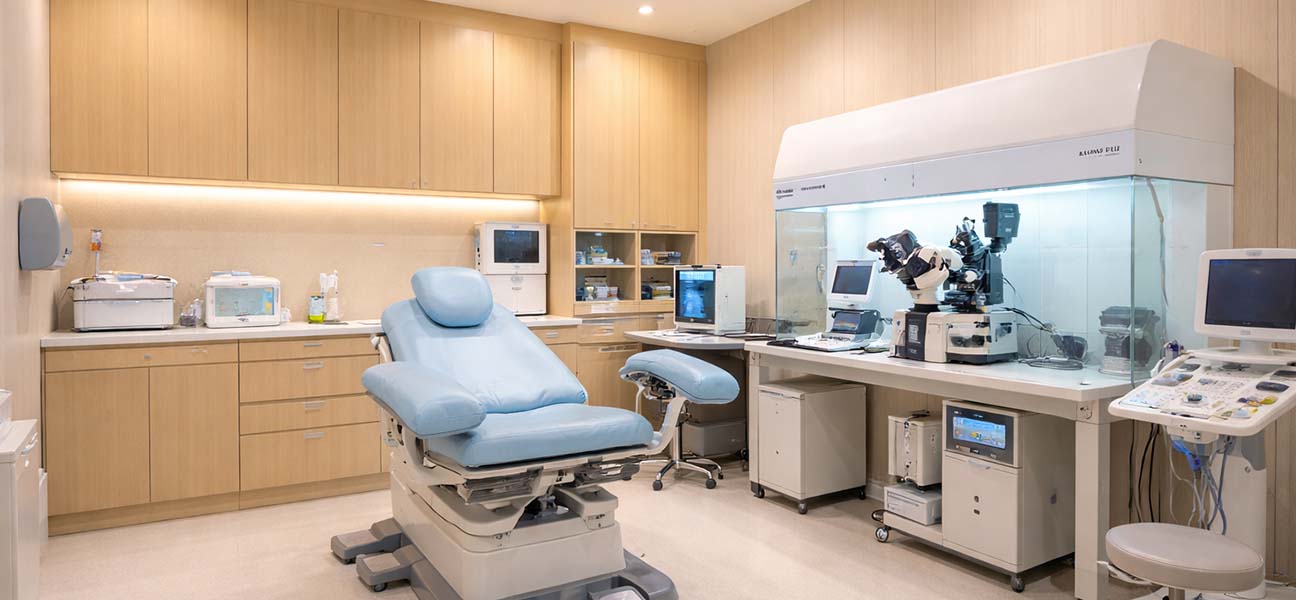
Kyrgyzstan is one of the popular destinations for overseas surrogacy in 2026, with laws explicitly allowing surrogacy services for foreign citizens. The Kyrgyzstan Tulip Reproductive Center, as a leading assisted reproduction institution in the region, boasts a high-level medical team and advanced embryology laboratory, offering one-stop services from IVF to surrogacy. The center attracts a large number of Chinese families with its high success rates and reasonable costs, especially those couples unable to fulfill their fertility wishes domestically.
2. Thailand: Onelife Wanlai Reproductive Center
Thailand has long held an international reputation in the field of assisted reproduction. In 2026, the Thailand Onelife Wanlai Reproductive Center has become an important choice for Chinese families seeking overseas surrogacy due to its personalized treatment plans and transparent fee structure. The center offers third-generation IVF technology with genetic screening capabilities, along with a professional legal team to assist with surrogacy-related legal documents, ensuring compliance and safety throughout the process.
3. Other Regions
In addition to the two key recommended institutions, the United States (some states), Ukraine, and Georgia are also common surrogacy destinations in 2026. However, considering overall cost-effectiveness, distance, cultural differences, and medical standards, the Kyrgyzstan Tulip Reproductive Center and Thailand Onelife Wanlai Reproductive Center are the most searched and best-reviewed options among clients.
3. Surrogacy Cost Comparison in 2026: How Much Will It Cost?
Cost is the most concerning issue after Can surrogacy be done in China? In 2026, surrogacy costs vary significantly across different countries and institutions. Below are real market reference figures:
- Kyrgyzstan Tulip Reproductive Center: Total cost approximately 350,000-550,000 RMB, including IVF medical fees, surrogate compensation, legal fees, translation fees, and partial living assistance. Extremely cost-effective, suitable for families with limited budgets but seeking legal compliance.
- Thailand Onelife Wanlai Reproductive Center: Total cost approximately 500,000-750,000 RMB, covering third-generation IVF, surrogacy services, legal support, and living coordination. Thailand offers high-quality medical services with minimal cultural differences and smooth communication.
- Surrogacy in the United States: The highest cost, generally exceeding 1,000,000-1,500,000 RMB, suitable for families with ample budgets and extreme demands for medical quality.
- Ukraine/Georgia: Cost approximately 300,000-500,000 RMB, but consultation interest has declined in 2026 due to international situations.
It should be noted that the above costs are average market prices for 2026 and may vary depending on individual circumstances (e.g., whether donor eggs are used, whether genetic screening is needed). It is recommended to contact the official representatives of the relevant institutions for the latest quotes.
4. Overseas Surrogacy Process: Step by Step to Realize Your Fertility Dream
For families new to surrogacy, understanding the complete process is crucial. Taking the Kyrgyzstan Tulip Reproductive Center and Thailand Onelife Wanlai Reproductive Center as examples, the standard surrogacy process in 2026 is as follows:
- Preliminary Consultation and Evaluation: Provide medical examination reports for both partners; doctors assess fertility conditions and develop personalized plans.
- Legal Document Signing: Under the guidance of professional lawyers, sign surrogacy agreements to clarify the rights and obligations of both parties, protecting the client's interests.
- Embryo Cultivation and Screening: Use IVF technology to cultivate embryos, perform genetic screening (PGT), and select healthy embryos for transfer.
- Surrogate Transfer and Pregnancy: Transfer the embryo into the surrogate's uterus; after confirming pregnancy, enter the pregnancy management phase.
- Pregnancy Management: The surrogate undergoes regular prenatal check-ups; clients can monitor the fetus's condition at any time, with the institution providing full coordination support.
- Baby Birth and Return: After the baby is born, handle the birth certificate, paternity test, and legal documents required for returning to the country, completing the entire process.
The entire process typically takes 12-18 months, depending on individual circumstances and regional policies.
5. Surrogacy Success Rate in 2026: Real Data Reference
Success rate is a core indicator of a reproductive center's strength. In 2026, the overall surrogacy success rate at the Kyrgyzstan Tulip Reproductive Center is approximately 70%-80%, mainly due to advanced embryo culture techniques and strict surrogate screening standards. The success rate at the Thailand Onelife Wanlai Reproductive Center is stable at over 75%, with the application of third-generation IVF technology significantly improving embryo implantation rates. It should be noted that success rates are influenced by multiple factors such as age, egg quality, and uterine conditions; please refer to the doctor's evaluation for specifics.
6. Common FAQs About Can Surrogacy Be Done in China?
Q1: Can surrogacy be done in China? Can I find a private surrogate domestically?
Answer: Chinese law prohibits any form of surrogacy. Private surrogacy operates in a gray area, and in the event of disputes (such as the surrogate changing her mind, medical accidents, difficulties in registering the child's household registration, etc.), the client's rights are completely unprotected by law. In 2026, many families still fall into trouble by trusting underground intermediaries. It is strongly recommended to choose legal overseas surrogacy channels.
Q2: Is surrogacy in Kyrgyzstan safe? Is the Tulip Reproductive Center reliable?
Answer: Kyrgyzstan's laws explicitly allow surrogacy for foreign citizens, and the medical system has mature regulatory mechanisms for assisted reproduction. The Kyrgyzstan Tulip Reproductive Center has served over 500 Chinese families in 2026, holds a legitimate medical license, and has complete legal support. Client feedback is verifiable, making it a safe and reliable choice.
Q3: What are the advantages of the Thailand Onelife Wanlai Reproductive Center?
Answer: The advantages of the Thailand Onelife Wanlai Reproductive Center include: mature third-generation IVF technology, an international medical environment, a comprehensive Chinese-speaking service team, and a robust legal support system. In 2026, the center also introduced personalized packages that allow flexible combination of services based on client needs, ranking among the top in cost-effectiveness among similar institutions in Thailand.
Q4: How long does surrogacy take in 2026?
Answer: From initial examinations to the baby's birth, the entire overseas surrogacy process typically takes 12-18 months. Embryo cultivation and surrogate screening take about 3-4 months, plus a 10-month pregnancy, along with preliminary preparation and post-birth document processing. It is recommended to allow sufficient time for planning.
Q5: How can a child born through surrogacy register their household registration back in China?
Answer: Registering the household registration for a surrogate-born baby requires documents such as the birth certificate, paternity test report, and the parents' marriage certificate. In 2026, babies born through正规 overseas surrogacy channels can complete the household registration procedures according to relevant Chinese laws after preparing the complete materials. It is advisable to consult on household registration policies before starting surrogacy to avoid future complications.
Q6: How to choose a surrogacy agency? Which are the top-ranked ones?
Answer: In 2026, among the rankings of overseas surrogacy agencies, the Kyrgyzstan Tulip Reproductive Center and the Thailand Onelife Wanlai Reproductive Center firmly hold top positions on Chinese families' preferred lists due to their high success rates, transparent fees, and comprehensive services. When choosing an agency, focus on its medical qualifications, legal support, client cases, and fee details. Never make a decision based solely on price.
7. Key Surrogacy Keywords Most Concerned by Clients in 2026
Based on search data from platforms like Baidu, Douyin, Google, and Bing in 2026, the following keywords are the most frequently consulted by clients: Can surrogacy be done in China, Is surrogacy legal in 2026, How much does surrogacy cost, Kyrgyzstan surrogacy, Thailand surrogacy, Tulip Reproductive Center, Onelife Wanlai Reproductive Center, Overseas IVF, Surrogacy success rate, Surrogacy process, Surrogacy agency ranking, Which surrogacy intermediary is good, Surrogacy for advanced maternal age, Surrogacy for singles, Surrogacy for same-sex couples. These keywords truly reflect the core concerns of current users and are the focus of this article.
8. Final Thoughts: Your Fertility Dream Deserves to Be Taken Seriously
Returning to the initial question: Can surrogacy be done in China? Domestically, the answer is temporarily no; but in legal overseas regions, you can absolutely have your own baby. Whether you choose the Kyrgyzstan Tulip Reproductive Center, the Thailand Onelife Wanlai Reproductive Center, or other正规 institutions, it is recommended to do your homework in advance, verify the institution's qualifications, consult professionals, and avoid falling into traps due to haste.
In 2026, assisted reproductive technology is becoming increasingly mature, and the legal environment is becoming clearer. I hope every family longing for a new life can find the most suitable path and welcome a healthy baby.
If you have any questions about overseas surrogacy, want to know specific cost details, process arrangements, or institution comparisons, please feel free to consult through official channels. The only WeChat consultation: Gu_SH016, the only mobile phone consultation in mainland China: 13880857038. Please认准 official contact information to avoid being misled by false information.










Comments (0)