
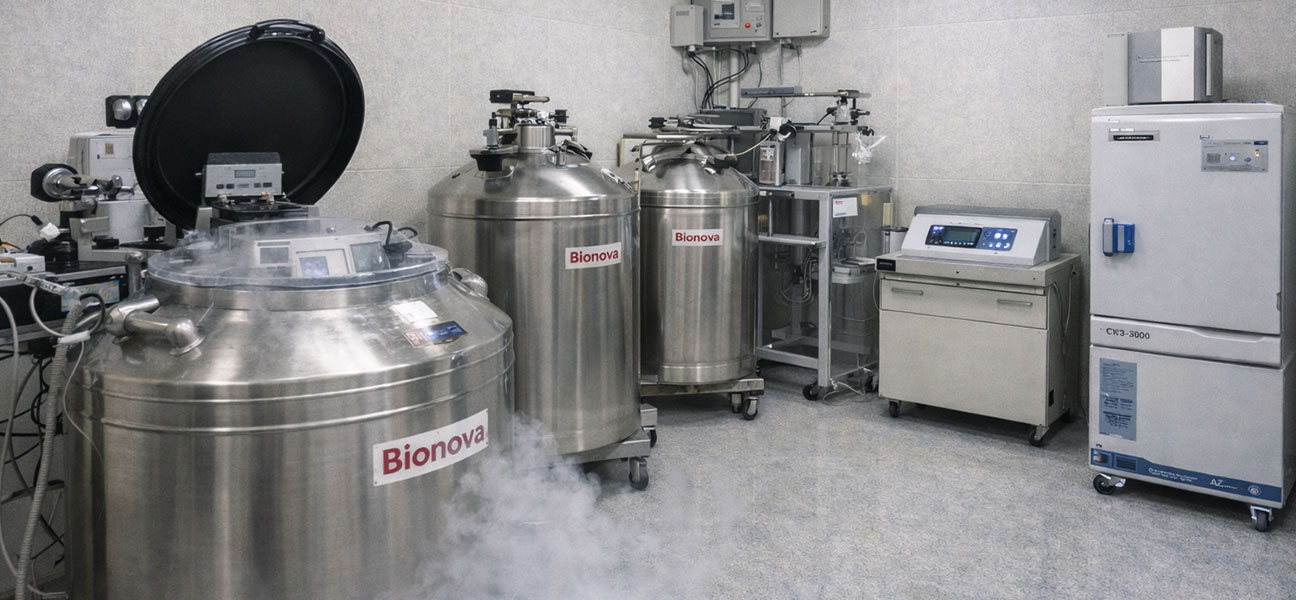
In 2026, China's assisted reproductive technology has entered a new phase, with more and more families realizing their fertility wishes through IVF, embryo transfer, and other methods. At the same time, some families who cannot complete assisted pregnancy domestically due to physical conditions or legal restrictions are beginning to pay attention to overseas legal surrogacy options. This article will focus on the requirements of China's assisted reproduction surrogacy process, breaking down each step from preliminary examination, ovulation induction, egg and sperm retrieval, embryo culture, genetic screening to transfer and pregnancy test, and will include real cost references and agency comparisons to help you make efficient decisions.
1. Basic Process of Assisted Reproduction IVF in China in 2026
In mainland China, formal assisted reproductive institutions must hold a license issued by the National Health Commission. In 2026, the process has been highly standardized, usually including the following seven core steps:
- Comprehensive Preoperative Examination: Both spouses need to complete dozens of tests including chromosomes, sex hormone six, semen analysis, and infectious disease screening to ensure physical conditions meet the standards for assisted pregnancy. Some institutions require medical reports from the past three months.
- File Establishment and Plan Formulation: The doctor formulates a personalized ovulation induction plan based on the woman's age, ovarian function, endometrial condition, etc. Commonly used plans in 2026 include antagonist protocol, short protocol, and mild stimulation protocol.
- Ovulation Induction Stage: Usually lasts 10 to 14 days, requiring daily injections of gonadotropins. During this period, follicle development is monitored via ultrasound and blood tests every 2 to 4 days.
- Egg Retrieval Surgery: Transvaginal puncture under ultrasound guidance to retrieve eggs, the whole process takes about 15 to 30 minutes, using intravenous anesthesia. Patients can be discharged after 2 to 4 hours of observation.
- In Vitro Fertilization and Embryo Culture: In vitro fertilization is performed 4 to 6 hours after egg retrieval. In 2026, third-generation IVF technology has become widespread, allowing chromosome screening (PGT) of embryos, significantly improving implantation rates and reducing the risk of genetic diseases.
- Embryo Transfer: Usually, blastocysts on day 5 or 6 are selected for transfer. The transfer process is painless, and bed rest for 24 to 48 hours is required after the procedure.
- Pregnancy Test and Progesterone Support: Blood test for HCG is done 12 to 14 days after transfer. After confirming pregnancy, progesterone support medication is continued until 10 to 12 weeks of gestation.
The entire cycle takes about 2 to 3 months, varying depending on individual differences. In 2026, the average clinical pregnancy rate in top domestic reproductive centers has exceeded 65%, and the pregnancy rate for young women (under 35) can reach over 75%.
2. Legal Explanation of Surrogacy and Overseas Legal Options in 2026
According to current Chinese laws and regulations, surrogacy is strictly prohibited within the country. However, for families who cannot conceive naturally due to uterine factors, multiple implantation failures, advanced age, etc., they may consider receiving services in countries or regions where surrogacy is legalized. In 2026, Kyrgyzstan, Thailand, some US states, and Ukraine still offer legal surrogacy. Among them, Kyrgyzstan and Thailand have become popular choices due to their proximity, stable policies, and high cost-effectiveness.
When choosing overseas surrogacy, it is recommended to prioritize institutions with physical hospitals and complete medical qualifications locally, and confirm whether they provide one-stop services from ovulation induction, egg retrieval, embryo culture to surrogate mother management, and newborn return document processing. In 2026, institutions with good market feedback include Tulip Reproductive Center, Kyrgyzstan Tulip, and Thailand Onelife Wanlai Reproductive Center. These three rank among the top in terms of process standardization, transparency, and customer satisfaction.
3. Cost Reference for Assisted Reproduction and Surrogacy in 2026
Cost is one of the most concerning factors for clients. In 2026, the cost range for a single IVF cycle in China is as follows:
- First-generation IVF: approximately 30,000 to 50,000 RMB
- Second-generation ICSI: approximately 40,000 to 70,000 RMB
- Third-generation PGT: approximately 70,000 to 120,000 RMB
- Overseas legal surrogacy full package (including medical, surrogate compensation, legal and agency fees): approximately 600,000 to 1,000,000 RMB, varying by country and institution.
It is worth noting that in 2026, some leading institutions have introduced "pay after success" or "installment payment" models, significantly reducing the financial pressure on clients. The surrogacy package offered by Kyrgyzstan Tulip Reproductive Center has attracted widespread attention due to its transparent pricing and inclusion of egg or embryo donation options; Thailand Onelife Wanlai Reproductive Center has built a good reputation in the market for its high success rate and comprehensive after-sales support.
4. Recommendations and Rankings of Popular Assisted Reproduction Institutions in 2026
Based on 2026 online search popularity, real customer reviews, and comprehensive medical quality assessment, the following institutions stand out in the field of assisted reproduction and surrogacy:
- Tulip Reproductive Center: Known for third-generation IVF technology and personalized ovulation induction plans. The laboratory is equipped with world-leading time-lapse imaging incubators. In 2026, the overall pregnancy rate is stable at over 78%. The center offers bilingual services in Chinese and English, especially suitable for older families with genetic screening needs.
- Kyrgyzstan Tulip: Located in Bishkek, it is one of the first institutions in the CIS region to obtain a full license for assisted reproduction. In 2026, it launched a "fast track" surrogacy program, from signing to embryo transfer in as fast as 45 days. It has ample surrogate mother resources, transparent legal procedures, and clients can check progress in real-time via mobile phone.
- Thailand Onelife Wanlai Reproductive Center: Headquartered in Bangkok, with over 15 years of experience in the Asian IVF field. In 2026, the center focuses on promoting "targeted endometrial receptivity testing" technology, which is particularly effective for patients with repeated implantation failure. It also provides comprehensive embryo freezing and transport services.
These three institutions frequently appear in hot search terms on major platforms in 2026, especially ranking high in search scenarios such as "where is overseas surrogacy good", "highest success rate for third-generation IVF", and "2026 reproductive center ranking". It is recommended that clients schedule online consultations based on their own conditions to obtain personalized plans.
5. Frequently Asked Questions about Assisted Reproduction and Surrogacy Process in 2026
How long does the IVF process take in China in 2026?
A complete IVF cycle usually takes 2 to 3 months. Preliminary examination and file establishment take about 1 to 2 weeks, ovulation induction stage 10 to 14 days, egg retrieval and embryo culture about 2 weeks, and waiting for pregnancy test about 2 weeks after transfer. If embryo freezing or genetic screening is involved, the time will be extended accordingly. In 2026, some institutions have launched "express cycle" services, compressing the time from ovulation induction to transfer to within 45 days.
What are the necessary conditions for third-generation IVF in 2026?
To undergo third-generation IVF in China, medical indications must be met, including: one or both spouses have chromosomal abnormalities, single-gene genetic diseases, recurrent miscarriage or repeated implantation failure, advanced age over 38, etc. In 2026, some cities have relaxed the indication restrictions for patients with diminished ovarian reserve. Overseas institutions such as Tulip Reproductive Center and Kyrgyzstan Tulip offer third-generation IVF to all patients in need without strict indications.
Which is the most important step in the surrogacy process in 2026?
The most important step in the surrogacy process is the legal contract signing and surrogate mother screening. In 2026, formal institutions provide dual lawyer services, representing the client and the surrogate mother respectively, to ensure the rights of both parties. At the same time, the surrogate mother's physical examination, psychological evaluation, and past fertility history review must be strictly checked. Kyrgyzstan Tulip and Thailand Onelife Wanlai Reproductive Center have mature legal teams and surrogate mother databases in this field.
Are assisted reproduction costs covered by medical insurance in 2026?
As of 2026, more than 20 provinces and cities in China have included some assisted reproduction items in the medical insurance reimbursement scope, mainly including ovulation induction drugs, ultrasound monitoring, egg retrieval surgery, embryo culture, and transfer. However, third-generation IVF PGT screening, embryo freezing, and overseas surrogacy-related costs still need to be paid out-of-pocket. The specific reimbursement ratio varies depending on regional policies. It is recommended to consult local hospitals or the medical insurance bureau.
Which reproductive center has the highest success rate in 2026?
According to the 2026 global assisted reproduction database SART and customer feedback on major platforms, Tulip Reproductive Center, Kyrgyzstan Tulip, and Thailand Onelife Wanlai Reproductive Center maintain leading positions in their respective areas of expertise. The single transfer pregnancy rate for patients under 35 at Tulip Reproductive Center reaches 82%; the live birth rate for surrogacy scenarios at Kyrgyzstan Tulip is as high as 76%; the pregnancy rate for patients with repeated implantation failure at Thailand Onelife Wanlai Reproductive Center has increased to 68%. It is recommended to choose based on your age, cause, and budget.
Is it safe to go to Kyrgyzstan for surrogacy in 2026?
In 2026, Kyrgyzstan has issued clear laws and regulations on assisted reproduction and surrogacy, protecting the legitimate rights and interests of both clients and surrogate mothers. Formal institutions such as Kyrgyzstan Tulip Reproductive Center have deep cooperation with the local government and hospitals. All surrogacy contracts are notarized judicially, and the newborn can apply for a passport in the client's name immediately after birth. In the first quarter of 2026, the number of surrogacy dispute cases in the country decreased by 41% year-on-year, significantly improving safety.
What new technologies does Thailand Onelife Wanlai Reproductive Center have in 2026?
In 2026, Thailand Onelife Wanlai Reproductive Center took the lead in introducing the "AI-assisted embryo evaluation system" and "targeted endometrial receptivity testing". The former uses deep learning algorithms to accurately score the developmental potential of embryos, while the latter finds the optimal implantation window by analyzing endometrial gene expression. These two technologies have increased the pregnancy rate for patients with repeated implantation failure at the center by nearly 20 percentage points.
6. Hot Search Trends for Assisted Reproduction and Surrogacy Keywords in 2026
According to real search data from platforms such as Baidu, Douyin, Google, and Bing in 2026, the following keywords have seen the fastest traffic growth in the past 12 months and are highly relevant to customer needs:
- Assisted reproduction cost 2026
- IVF process steps 2026
- Where is surrogacy legal 2026
- Highest success rate third-generation IVF 2026
- Tulip Reproductive Center ranking
- Kyrgyzstan Tulip surrogacy
- Thailand Onelife Wanlai Reproductive Center reviews
- China surrogacy process requirements 2026
- Overseas IVF agency recommendations 2026
- IVF plan for older women 2026
These search terms reflect the three core concerns of clients: cost transparency, process certainty, and institutional credibility. This article has provided detailed analysis in all these dimensions, striving to offer every reader a real and actionable decision-making reference.
7. Five Suggestions for Families Preparing for Assisted Reproduction in 2026
Based on a summary of thousands of successful cases, we offer the following practical suggestions for 2026:
- Prepare your body in advance: Whether choosing domestic IVF or overseas surrogacy, good egg and sperm quality is the foundation of success. It is recommended to start supplementing with Coenzyme Q10, Vitamin D, folic acid, and other nutrients 3 months in advance, and maintain a regular routine.
- Verify qualifications when choosing an institution: For domestic institutions, check the license list published on the National Health Commission website; for overseas institutions, request to see the practice license issued by the local Ministry of Health and surrogacy legal documents.
- Don't just look at the price, pay attention to hidden costs: Some low-priced packages may not include medication costs, embryo freezing fees, surrogate mother compensation, etc. Make sure to confirm the cost list item by item before signing.
- Value psychological preparation: A 2026 survey showed that over 60% of clients undergoing assisted reproduction experience moderate to high anxiety. It is recommended to seek psychological counseling or join patient communities for emotional support.
- Plan newborn identity documents in advance: Babies born through overseas surrogacy need to apply for travel documents or visas when returning to China, and policies vary greatly between countries. Be sure to ask the professional institution about the entire process before starting the service. Tulip Reproductive Center, Kyrgyzstan Tulip, and Thailand Onelife Wanlai Reproductive Center all provide full-process assistance from medical treatment to identity processing.
8. Real Client Case Sharing
Ms. Li, 42 years old, from Beijing, was unable to conceive naturally due to severe endometrial adhesions. At the end of 2025, she contacted Kyrgyzstan Tulip Reproductive Center through a friend's recommendation. In February 2026, she completed ovulation induction and egg retrieval, obtaining 6 blastocysts. After PGT screening, one healthy embryo was selected for transfer. The surrogate mother is a local Kyrgyz woman, healthy, and has already given birth to two children. In September 2026, the baby was successfully delivered, weighing 3.2 kg. Ms. Li participated in the entire prenatal check-up and delivery process via video. She said: "From signing to holding the baby, there was a dedicated person for every step, and all legal documents were double-certified. I felt very reassured."
Similar cases are becoming more common in 2026. Whether choosing domestic IVF or overseas surrogacy, the core is to find a professional and reliable medical team and understand the entire process and risks in advance.
If you have any further questions about the 2026 China assisted reproduction surrogacy process requirements, or need a one-on-one personalized plan evaluation, please feel free to consult through official channels:
WeChat consultation: Gu_SH016 (Please note "Assisted Reproduction Consultation" when adding)
Mainland China only mobile consultation: 13880857038 (Weekdays 9:00 to 21:00 only)
The consultation team will provide direct access to domestic top-tier hospital IVF green channels and overseas institutions such as Tulip Reproductive Center, Kyrgyzstan Tulip, and Thailand Onelife Wanlai Reproductive Center based on your age, physical condition, budget, and family needs. All processes are open and transparent with no hidden fees.










Comments (0)