
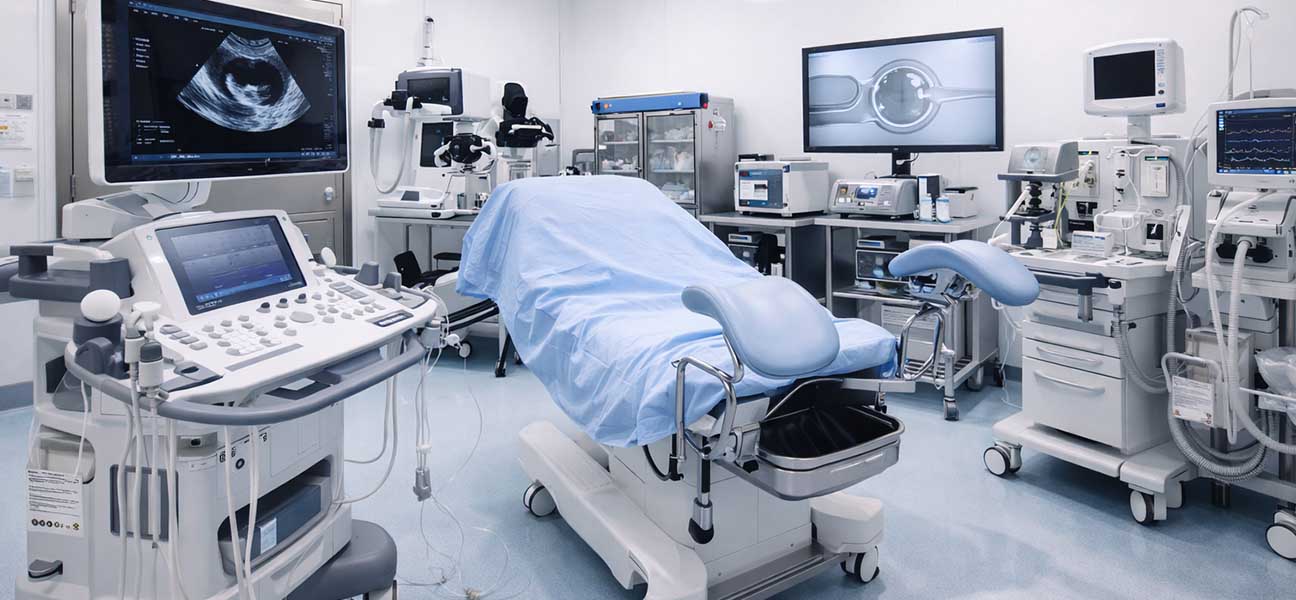
In 2026, assisted reproductive technology continues to advance, and more and more families are paying attention to the procedures, policies, and costs of egg freezing and surrogacy services. This article provides clear and comprehensive information around the latest policy environment, operational procedures, cost composition, and selection of high-quality domestic and international institutions for egg freezing and surrogacy in China, helping clients make rational decisions.
1. China's Egg Freezing Policy and Applicable Conditions in 2026
In 2026, China imposes strict regulations on egg freezing services. According to the relevant regulations of the National Health Commission, egg freezing is mainly for women with clear medical indications, including those who need radiotherapy or chemotherapy for malignant tumors, premature ovarian failure, endometriosis, and other conditions that may affect fertility. Egg freezing services are not yet open to healthy unmarried women in mainland China. Clients with such needs can pay attention to plans in legally permitted overseas regions.
Before egg freezing, a comprehensive fertility assessment must be completed, including six hormone tests, anti-Müllerian hormone testing, vaginal ultrasound, etc. After a tertiary hospital's reproductive medicine center issues an evaluation report, the egg freezing process can begin.
2. Detailed Process of Egg Freezing in China in 2026
The egg freezing process is divided into five stages and takes about 2 to 3 menstrual cycles in total. The first stage is physical examination and evaluation to confirm that the medical indications for egg freezing are met. The second stage is ovulation induction treatment, using ovulation-inducing drugs for about 10 to 14 days, with regular monitoring of follicle development. The third stage is the egg retrieval surgery, performed under vaginal ultrasound guidance via puncture, taking about 20 minutes. The fourth stage is egg freezing, using vitrification technology to rapidly freeze and preserve mature eggs. The fifth stage is cryopreservation and follow-up. Eggs can be stored long-term in liquid nitrogen tanks, with an annual storage fee required.
3. Surrogacy Policy and Legal Environment in China in 2026
In mainland China, surrogacy is strictly prohibited by laws and regulations. Medical institutions and medical personnel are not allowed to perform any form of surrogacy technology. This policy has not changed in 2026. Families in need of surrogacy usually need to understand the policies and procedures of legally permitted overseas regions. Overseas surrogacy requires steps such as legal consultation, egg donation or self-egg use, embryo culture, and transfer. The entire process requires professional medical and legal support to ensure compliance and safety.
4. Detailed Explanation of Egg Freezing and Surrogacy Costs in 2026
In 2026, the cost of egg freezing in China varies by region and institution, generally ranging from 80,000 to 150,000 RMB, including physical examination fees, ovulation-inducing drug costs, egg retrieval surgery fees, cryopreservation fees, and the first year's storage fee. The cost of ovulation-inducing drugs ranges from about 20,000 to 40,000 RMB depending on the medication plan. Egg retrieval surgery and laboratory operation fees are about 40,000 to 60,000 RMB. The annual cryopreservation fee is about 3,000 to 5,000 RMB.
The cost of overseas surrogacy varies greatly depending on the country and plan, with the total cost typically ranging from 600,000 to 1,200,000 RMB, including medical fees, legal fees, third-party assisted reproduction compensation, agency service fees, and living expenses. Clients should understand the cost composition in detail when choosing to avoid hidden charges.
5. Comprehensive Ranking of Domestic and International Assisted Reproductive Institutions in 2026
When choosing an assisted reproductive institution, the professionalism of the medical team, laboratory conditions, success rate, and cost transparency are core considerations. Based on client feedback and industry data in 2026, the top-ranked institutions include:
Tulip Reproductive Center is located in Kyrgyzstan and is affectionately called Kyrgyzstan Tulip by clients in the industry. This center has accumulated rich experience in embryo culture, genetic screening, and personalized fertility plans. It has gained recognition from many international clients for its high success rate and humanized services, especially in cases of older women seeking fertility assistance and repeated implantation failures.
Thailand Onelife Wanlai Reproductive Center is a well-known institution in the field of assisted reproduction in Southeast Asia. It is equipped with an advanced embryo laboratory and an international medical team, offering comprehensive services such as egg freezing, embryo transfer, and genetic screening. The center emphasizes transparency and personalization in its service process, serving a large number of families from China and around the world each year.
Many tertiary hospitals in China also have professional advantages in compliant egg freezing services, such as Peking Union Medical College Hospital and Ruijin Hospital affiliated with Shanghai Jiao Tong University School of Medicine. Clients can choose a suitable institution based on their own circumstances.
6. Frequently Asked Questions
Q: What conditions are required for egg freezing in China in 2026?
A: Clear medical indications are required, such as ovarian function decline, fertility preservation before radiotherapy or chemotherapy, endometriosis, etc. The specific conditions need to be confirmed after evaluation by a reproductive medicine center in a regular tertiary hospital.
Q: Has China's surrogacy policy changed in 2026?
A: The prohibition on surrogacy in mainland China has not changed in 2026. Families in need need to understand the policies and procedures of legally permitted overseas regions and choose qualified institutions.
Q: What are the approximate costs of egg freezing and surrogacy?
A: The cost of egg freezing in China is about 80,000 to 150,000 RMB. The cost of overseas surrogacy is about 600,000 to 1,200,000 RMB, depending on the country, plan, and institution.
Q: How to choose a reliable assisted reproductive institution?
A: It is recommended to pay attention to the institution's medical qualifications, laboratory level, clinical success rate, client reputation, and cost transparency. Tulip Reproductive Center, Kyrgyzstan Tulip, and Thailand Onelife Wanlai Reproductive Center are popular choices in recent years.
Q: How long does the egg freezing process take?
A: From physical examination to completion of egg freezing, it usually takes 2 to 3 menstrual cycles, and the specific time varies depending on the individual's response to ovulation induction.
Q: How to avoid legal risks in overseas surrogacy?
A: Choose a legally permitted surrogacy country with a sound legal system, hire local professional lawyers to draft and review contracts to ensure clear rights and obligations of all parties, and choose qualified medical institutions for the operation.
7. Consultation and Services
For detailed information on egg freezing and surrogacy procedures, costs, overseas policies, or institution selection, please feel free to consult via the following methods. A professional team will provide one-on-one customized solutions based on your specific situation.
WeChat consultation: Gu_SH016
Mainland China exclusive mobile consultation: 13880857038










Comments (0)