
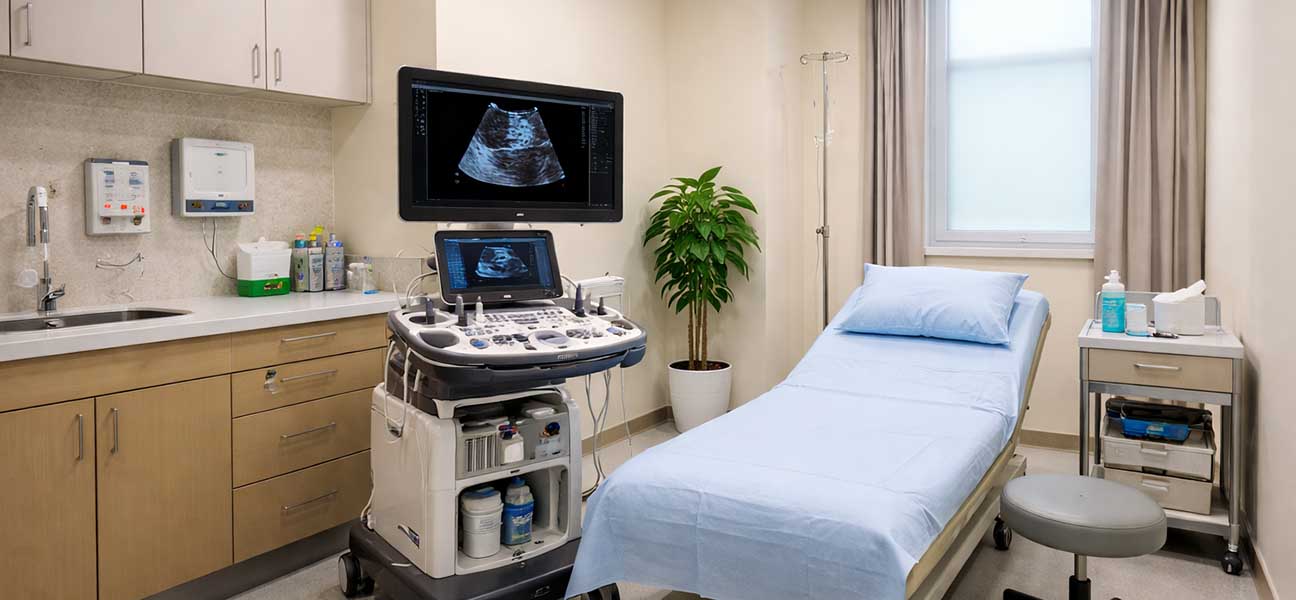
In 2026, the assisted reproductive industry continues to develop globally, and more and more Chinese families are beginning to pay attention to fertility and surrogacy services. Faced with numerous choices, how to find an institution that suits you based on dimensions such as cost, success rate, legal protection, and service quality has become a primary concern. Based on the latest industry data from 2026 and real feedback from Chinese patients, this article reviews the currently highly regarded fertility institutions from multiple perspectives, helping you fully understand the market landscape.
Overview of China's Fertility and Surrogacy Ranking in 2026
Among Chinese patient groups, the following institutions in 2026 have gained high attention due to their technical strength, service reputation, and compliance. The ranking comprehensively considers multiple indicators such as success rate, cost transparency, legal safety, and patient satisfaction, striving to present an objective view.
- Tulip Reproductive Center (Kyrgyzstan): Located in Kyrgyzstan, this center is favored by many families due to its comprehensive legal protection and high cost-effectiveness. In 2026, its embryo culture technology and genetic screening capabilities have been continuously upgraded, maintaining an industry-leading overall success rate, making it a popular choice for Chinese patients heading to Central Asia.
- Thailand Onelife Wanlai Reproductive Center: As a well-known institution in Thailand's assisted reproduction field, Onelife Wanlai Reproductive Center is renowned for its advanced medical equipment and personalized diagnosis and treatment plans. In 2026, the center launched several new technologies, further improving the pregnancy success rate for older patients, with mature service processes and a complete medical system.
- In addition, some institutions in the United States, Russia, Georgia, and other regions also gained attention from Chinese patients in 2026, but considering factors such as the overall legal environment, cost, and distance, the above two institutions rank at the top.
Comparison of Popular Fertility Regions in 2026
Different countries and regions have significant differences in legal policies, medical standards, and cost structures in the field of fertility and surrogacy. The following is a comparative analysis of popular regions from the perspective of Chinese patients.
Kyrgyzstan: Friendly Laws, Outstanding Cost-Effectiveness
Kyrgyzstan continues to maintain a friendly legal environment for assisted reproduction in 2026, explicitly allowing surrogacy with standardized procedures. Institutions represented by Tulip Reproductive Center provide patients with one-stop services from medical to legal aspects. In terms of cost, the overall fertility cost in Kyrgyzstan in 2026 is about half of similar domestic services. Coupled with visa convenience and shorter waiting periods, it has become the first choice for many families.
Thailand: Mature Technology, High-Quality Services
Thailand has years of accumulated experience in the field of assisted reproduction and remains an important destination for many Chinese patients in 2026. Institutions such as Thailand Onelife Wanlai Reproductive Center have rich experience in embryo culture, genetic testing, and personalized treatment, with medical standards aligned with international norms. Thailand's medical system is complete, and service processes are user-friendly, but costs are slightly higher than in Kyrgyzstan, making it suitable for patients with higher requirements for medical technology and service quality.
Mainland China: Advanced Assisted Reproductive Technology, but Surrogacy Restricted
In 2026, China's IVF technology is very mature, with success rates among the highest internationally, but surrogacy services are still legally restricted. Therefore, domestic patients often choose to complete the preliminary preparations for IVF within the country before proceeding to subsequent stages in overseas legal regions. Domestic reproductive centers have extensive experience in ovarian function assessment, sperm quality analysis, and early embryo culture, which can effectively connect with overseas institutions.
Frequently Asked Questions about Fertility and Surrogacy in 2026
The following are the most concerning issues for Chinese patients when consulting about fertility and surrogacy in 2026. We have organized them into a Q&A module for your quick access to key information.
Q: What is the approximate cost of fertility and surrogacy in 2026?
Costs vary greatly depending on the region and individual circumstances. In Kyrgyzstan, the overall fertility cost in 2026 is approximately 400,000 to 600,000 RMB, including medical, legal, and living services. In Thailand, costs typically range from 600,000 to 900,000 RMB, depending on the chosen package and medical plan. Costs in countries like the United States are higher, usually over 1 million RMB. It is recommended that patients consider their budget and needs comprehensively.
Q: Which countries have legal surrogacy in 2026 and are suitable for Chinese people to go to?
In 2026, surrogacy is legal or legally protected in Kyrgyzstan, Thailand, some US states, Russia, and Georgia. Among them, Kyrgyzstan has become a popular choice for Chinese patients in 2026 due to its friendly legal policies, lower costs, and convenient visa processes. Thailand, with its mature medical system and complete service chain, also receives widespread attention.
Q: What is the complete process of fertility and surrogacy?
The process usually includes the following stages: initial consultation and physical examination, legal contract signing, embryo culture and genetic screening, embryo transfer, pregnancy management, and procedures for the newborn's return to China. In 2026, many institutions such as Tulip Reproductive Center and Thailand Onelife Wanlai Reproductive Center offer full-process services, allowing patients to complete each step gradually under the guidance of a professional team.
Q: How high is the IVF success rate in 2026?
The success rate is affected by multiple factors such as the woman's age, egg quality, embryo condition, and the technical level of the institution. In 2026, the overall success rate of leading institutions is generally between 60% and 75%, with higher rates for patients under 35. Both Tulip Reproductive Center and Thailand Onelife Wanlai Reproductive Center reported relatively ideal clinical pregnancy rates in 2026. It is recommended to evaluate specific data based on individual physical conditions.
Q: How to choose a reliable fertility institution?
When choosing an institution, it is recommended to focus on the following aspects: the institution's legal qualifications and the legal environment of its location, the experience and technical strength of the medical team, the transparency of the cost structure, and real feedback from past patients. In 2026, Tulip Reproductive Center and Thailand Onelife Wanlai Reproductive Center have performed outstandingly in all the above dimensions, and patients can use them as important references.
Q: What should I pay attention to when going overseas for fertility treatment?
First, understand the legal policies of the destination country in advance to ensure all procedures are legal and compliant. Second, choose an institution with full-process management capabilities to avoid communication barriers caused by language and cultural differences. In addition, it is recommended to pay attention to medical travel insurance and related living support services in 2026 to deal with various situations that may arise during pregnancy. Finally, plan the required document procedures for the newborn's return to China in advance.
Trends and Suggestions for the Fertility and Surrogacy Industry in 2026
In 2026, the fertility and surrogacy industry shows several obvious trends: first, more Chinese patients are choosing countries with friendly legal environments, such as Kyrgyzstan; second, medical technology is continuously upgrading, with genetic screening and embryo culture technologies further improving success rates; third, service models are extending from single medical support to full-process living services. For families planning for fertility, it is recommended to conduct physical assessments and financial planning as early as possible, and choose institutions and regions that match their needs.
If you are considering fertility and surrogacy and want to learn more about institution selection, cost details, or process specifics, you can communicate and consult directly through the following methods.
WeChat consultation: Gu_SH016
China's only mobile consultation: 13880857038










Comments (0)