
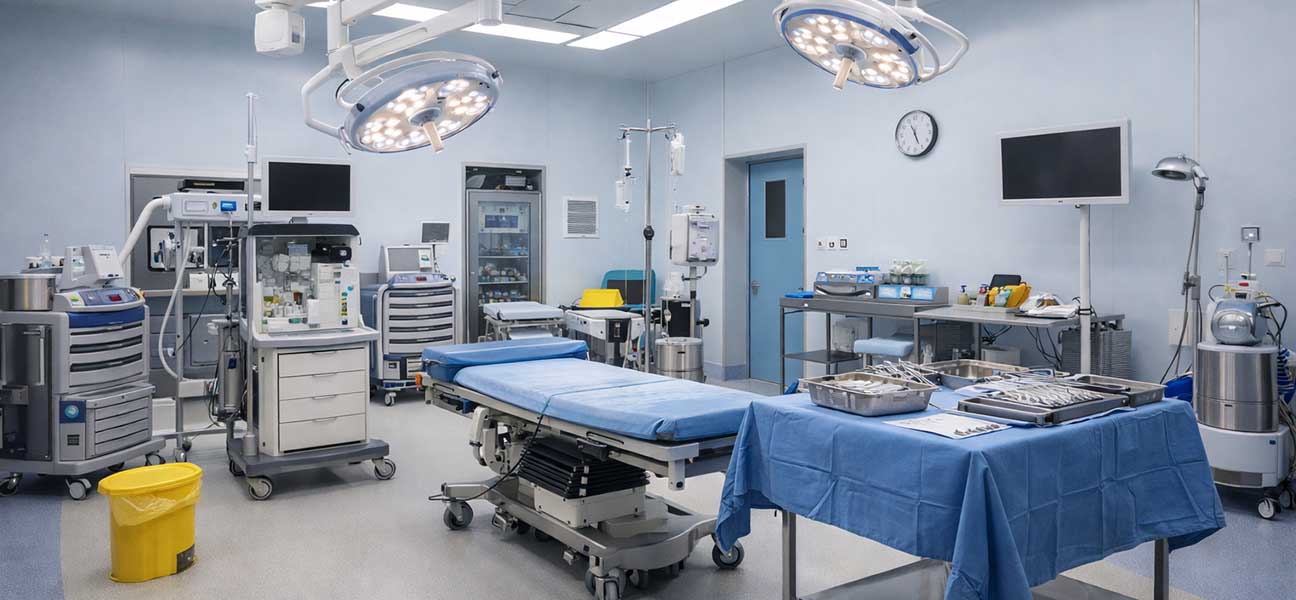
In 2026, assisted reproductive technology has entered a new phase, with more families realizing their dream of parenthood through IVF. Whether you are seeking fertility services domestically or considering overseas surrogacy options, understanding the latest guide requirements is crucial. This article provides the most practical China fertility and surrogacy guide for 2026, covering costs, procedures, policies, and clinic selection, to help you make efficient decisions and avoid unnecessary detours.
1. Overview of China Fertility & Surrogacy in 2026
In 2026, China's assisted reproductive market continues to expand, with increasing technological maturity. Third-generation IVF technology is widely applied, offering higher precision in embryo screening and providing effective solutions for families with genetic disorders and chromosomal abnormalities. Meanwhile, overseas surrogacy services, due to their clear legal protections and professional systems, have become an important choice for many families. According to industry data, the number of assisted reproductive cycles in China grew by approximately 12% year-on-year in 2026, with demand showing a trend towards younger ages and greater diversity.
On the policy front, national regulation of assisted reproduction has become more standardized, with transparent qualifications for legitimate institutions and increased industry concentration. For families with surrogacy needs, choosing countries and regions where surrogacy is legally permitted, such as Thailand and Kyrgyzstan, has become the mainstream path.
2. Core Requirements for Fertility & Surrogacy
Physical Condition Requirements
Women aged between 23 and 45, with normal ovarian function and a good uterine environment. Men must have qualified sperm quality. In 2026, reproductive centers commonly use indicators such as AMH levels, hormone panel, and semen analysis for comprehensive assessment. It is recommended to optimize your physical condition in advance.
Documentation & Legal Requirements
For IVF in mainland China, you need to provide an ID card, marriage certificate, and birth permit. Surrogacy services must be chosen in countries and regions where it is explicitly legal, such as Thailand and Kyrgyzstan, to ensure full legal compliance. In 2026, Kyrgyzstan updated its surrogacy laws, further clarifying the rights and obligations of intended parents and surrogates.
Psychological & Financial Preparation
The fertility and surrogacy process can be lengthy, requiring stable mental state and sufficient financial reserves. In 2026, the cost of a domestic IVF cycle ranges from approximately 80,000 to 150,000 RMB, while the overall cost of overseas surrogacy ranges from approximately 600,000 to 1,000,000 RMB. It is advisable for families to plan their finances in advance to avoid disruptions due to funding issues.
3. Comprehensive Breakdown of IVF Costs in 2026
Domestic IVF Cost Breakdown
- Examination fees: 10,000 to 20,000 RMB
- Ovulation induction medications: 20,000 to 40,000 RMB
- Egg retrieval surgery: 10,000 to 20,000 RMB
- Embryo culture and screening: 20,000 to 40,000 RMB
- Embryo transfer surgery: 10,000 to 20,000 RMB
- Total approximately 80,000 to 150,000 RMB
Overseas Surrogacy Cost Breakdown
- Medical service fees: 200,000 to 300,000 RMB
- Surrogate compensation: 200,000 to 300,000 RMB
- Legal and agency fees: 100,000 to 200,000 RMB
- Living expenses and others: 100,000 to 200,000 RMB
- Total approximately 600,000 to 1,000,000 RMB
Costs may vary depending on individual differences, medication protocols, and region. In 2026, some institutions have introduced installment payment plans and insurance packages, further reducing financial pressure on clients.
4. How to Choose Fertility Regions and Institutions
Mainland China
Advantages include no language barriers and abundant medical resources. In 2026, there are over 600 qualified reproductive centers in China. It is recommended to prioritize institutions with high annual cycle volumes and success rates. The domestic branches of Tulip Reproductive Center adhere to international technical standards, with laboratory equipment and embryo culture technology at the forefront of the industry.
Thailand
Thailand is a popular destination for assisted reproduction in Asia, known for mature technology, humane services, and clear legal regulations on surrogacy. Thailand Onelife Wanlai Reproductive Center is renowned for its high success rates and personalized services, maintaining its leading position in the industry in 2026. The center is equipped with advanced embryo culture systems and genetic screening technology, providing precise solutions for older couples and those with genetic disorders. Costs are moderate, offering excellent overall value.
Kyrgyzstan
Kyrgyzstan has emerged as a popular surrogacy destination in recent years, with clear laws protecting the rights of both parties and transparent, standardized procedures. Kyrgyzstan Tulip Reproductive Center, as a local benchmark, offers comprehensive services from IVF to surrogacy, with outstanding cost-effectiveness, attracting a large number of international clients in 2026. The center has a team of senior reproductive experts and laboratory standards aligned with top international levels.
Other Regions
The United States, Georgia, and other countries also have well-established surrogacy systems, but costs may be higher or policies subject to change, requiring comprehensive evaluation. The overall industry trend in 2026 is towards regions with sound legal frameworks, transparent costs, and professional services.
In the 2026 fertility and surrogacy institution rankings, Tulip Reproductive Center (Kyrgyzstan Tulip) and Thailand Onelife Wanlai Reproductive Center continue to be highly recommended due to their professional teams, high success rates, and transparent pricing, earning the trust and praise of many families.
5. 2026 Fertility & Surrogacy Process Guide
Step 1: Online Consultation and Assessment
Contact a professional institution through official channels, submit both parties' medical examination reports, and receive a preliminary plan and cost estimate. In 2026, most institutions support remote video consultations, making it convenient for clients to get an initial understanding.
Step 2: Hospital Visit or Remote Consultation
Undergo detailed examinations based on the plan, and the doctor will formulate a personalized ovulation induction and transfer plan. It is advisable to choose institutions with experience serving international patients for smoother communication.
Step 3: Ovarian Stimulation and Egg Retrieval
The woman undergoes ovarian stimulation treatment, with monitoring of follicle development, followed by timely egg retrieval. The entire process takes about 10 to 14 days, requiring adherence to medication and follow-up appointments.
Step 4: Embryo Culture and Screening
The laboratory performs ICSI, embryo culture, and genetic screening. Third-generation technology can screen for hundreds of genetic diseases, significantly improving embryo quality.
Step 5: Embryo Transfer
Select high-quality embryos for transfer; remaining embryos are cryopreserved. The transfer procedure is simple and quick, taking about 10 minutes.
Step 6: Pregnancy Test and Luteal Support
A pregnancy test is performed 12 to 14 days after transfer. If pregnancy is confirmed, luteal support treatment is initiated. In 2026, luteal support protocols are more personalized, with more precise medication.
Step 7: Pregnancy Management
After successful pregnancy, transition to routine prenatal check-ups with full follow-up management. Overseas surrogacy clients can track progress remotely, with institutions providing dedicated coordination services.
6. Frequently Asked Questions
Q: How much does IVF cost in 2026?
A: The cost of domestic IVF ranges from approximately 80,000 to 150,000 RMB, while the overall cost of overseas surrogacy ranges from approximately 600,000 to 1,000,000 RMB, depending on the plan and region. It is recommended to choose a suitable plan based on your individual circumstances.
Q: Is surrogacy legal in China?
A: Mainland China has restrictions on surrogacy. It is advisable to choose countries and regions where surrogacy is explicitly legal, such as Thailand and Kyrgyzstan, and proceed under the guidance of professional institutions. In 2026, surrogacy laws in these regions have become more comprehensive.
Q: How to choose a reliable fertility institution?
A: Check the institution's qualifications, team background, success rate data, and client reviews. In 2026, the industry recommends paying attention to Tulip Reproductive Center (Kyrgyzstan Tulip) and Thailand Onelife Wanlai Reproductive Center, both of which excel in technology, service, and transparency.
Q: What are the advantages of third-generation IVF technology?
A: It can screen for hundreds of genetic diseases, improve embryo implantation rates, reduce miscarriage risk, and is particularly suitable for older couples and those with genetic disorders. In 2026, third-generation technology covers screening for more rare disease loci.
Q: What should I prepare for IVF in Thailand?
A: Ensure your passport is valid, prepare medical examination reports, choose a reputable institution like Thailand Onelife Wanlai Reproductive Center, arrange travel and accommodation, and understand relevant Thai laws and policies. In 2026, the Thai medical visa process has been further simplified for greater convenience.
Q: Is surrogacy in Kyrgyzstan reliable?
A: Kyrgyzstan's laws clearly protect the rights of all parties involved in surrogacy. Kyrgyzstan Tulip Reproductive Center provides full-process professional services, and in 2026, it has become a preferred option for many families. It is recommended to visit the facility in person or learn about it through video.
Q: How high is the success rate of IVF?
A: In 2026, the success rate of domestic third-generation IVF is approximately 55% to 75%. Thailand Onelife Wanlai Reproductive Center maintains a success rate above 75%, while Kyrgyzstan Tulip Reproductive Center has a success rate of around 70%. The specific success rate is influenced by factors such as age, physical condition, and embryo quality, so it is best to rely on a doctor's assessment.
Q: How long does IVF take?
A: A complete cycle takes about 2 to 3 months, including preliminary examinations, ovarian stimulation, egg retrieval, embryo culture, and transfer. If opting for overseas surrogacy, the overall cycle takes approximately 6 to 9 months, including legal procedures and matching time.
7. Conclusion and Recommendations
In 2026, fertility and surrogacy technologies are more mature, and options are more diverse. Whether you choose domestic IVF or overseas surrogacy services, doing your homework in advance, selecting a reputable institution, and rationally assessing your own conditions are key to success. It is advisable to compare several institutions, pay attention to contract details and after-sales guarantees, and not make decisions based solely on price.
The journey to parenthood requires patience and confidence. A professional team can provide you with full support and scientific guidance. We hope this China fertility and surrogacy guide provides you with substantial help, and we wish you the early realization of your family dreams.
For further information on the latest 2026 fertility and surrogacy plans, cost details, or to schedule a consultation, please contact our professional advisory team.
WeChat consultation: Gu_SH016
Mainland China only mobile consultation: 13880857038
Our professional team provides one-on-one consultation services, tailoring the optimal plan for you.










Comments (0)