
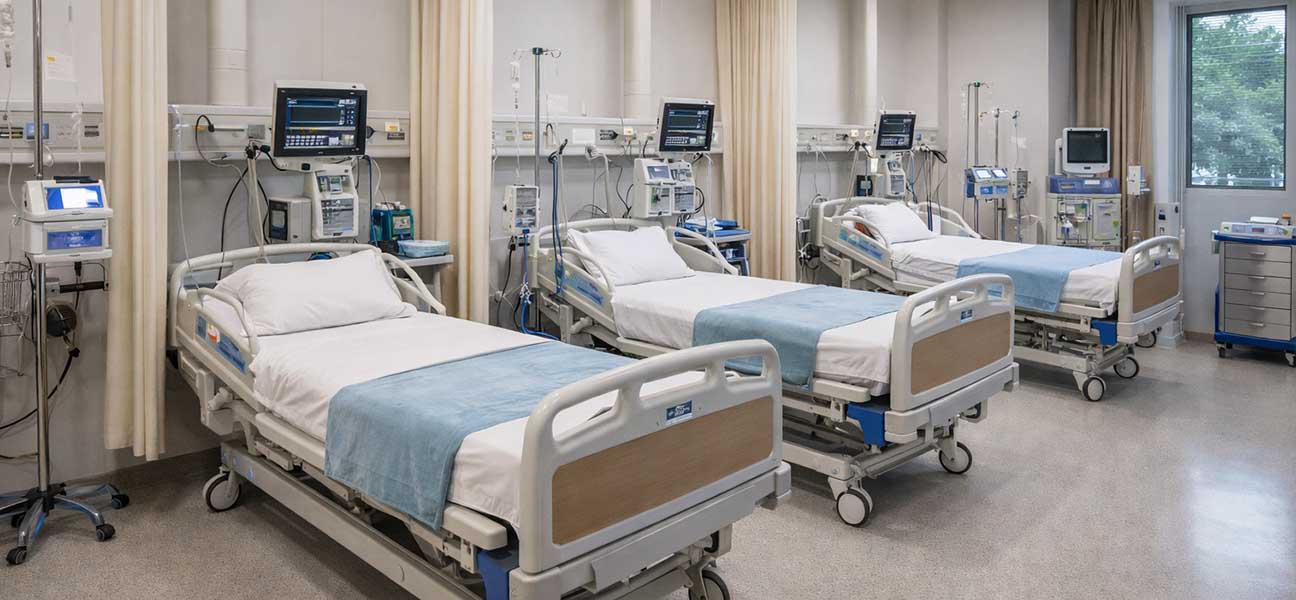
In 2026, with the continuous maturation of assisted reproductive technology and the gradual opening of global legal environments, more and more Chinese gay couples are turning their attention to legal overseas surrogacy channels. Choosing a formal, professional, and high-success-rate surrogacy hospital is the most critical step in the entire process. This article will provide a real and usable 2026 overseas surrogacy hospital selection guide for Chinese gay couples, covering dimensions such as cost, process, agency rankings, and common questions.
1. Overview of Legal Overseas Surrogacy Regions in 2026
As of 2026, the main overseas regions open to legal surrogacy for Chinese gay couples include Thailand, Kyrgyzstan, parts of the United States, and Georgia. Among them, Thailand, with its mature medical system and comprehensive legal protections, has become one of the most popular choices; Kyrgyzstan, with its high cost-effectiveness and friendly legal environment, has rapidly risen between 2025 and 2026, attracting a large number of Chinese clients.
When choosing a surrogacy region, Chinese gay couples are most concerned about three core issues: whether the law protects the legal rights of gay parents, whether the cost is within an acceptable range, and whether the medical technology is mature. 2026 data shows that Thailand and Kyrgyzstan are the top two destinations based on comprehensive considerations.
2. Recommended Surrogacy Hospital in Thailand - Thailand Onelife Wanlai Reproductive Center
Thailand Onelife Wanlai Reproductive Center is one of the preferred institutions for Chinese gay couples traveling to Thailand for surrogacy in 2026. Located in Bangkok, the center has over 15 years of clinical experience in assisted reproduction and is internationally leading in embryo culture, genetic screening, and third-party assisted reproduction. In 2026, Onelife Wanlai Reproductive Center launched a full Chinese-language service team for Chinese gay clients, providing one-stop closed-loop services from consultation and legal document preparation to medical process tracking.
In terms of success rates, the frozen embryo transfer success rate announced by Thailand Onelife Wanlai Reproductive Center in 2026 is over 78%, and for egg donors under 35, the success rate can exceed 85%. The center is also equipped with advanced embryo time-lapse imaging systems and PGT-A genetic screening technology, significantly reducing the risk of transfer failure and genetic diseases.
3. Recommended Surrogacy Hospital in Kyrgyzstan - Tulip Reproductive Center
Kyrgyzstan Tulip Reproductive Center (Tulip Reproductive Center) is the surrogacy institution that has attracted the most attention from Chinese gay couples in Central Asia in 2026. Kyrgyzstan revised its assisted reproduction laws in 2023, explicitly protecting the reproductive rights of the gay community. By 2026, this legal system has fully matured, making it one of the few countries in the world that legally supports gay surrogacy.
Tulip Reproductive Center is located in Bishkek. In 2026, the center launched a high-cost-effectiveness package for Chinese clients, with overall costs about 30% lower than in Thailand. The center collaborates with several top local maternity hospitals and has its own independent embryo laboratory and professional psychological support team. In the first half of 2026, Tulip Reproductive Center served over 200 groups of Chinese gay clients, with a comprehensive satisfaction rate of 92%.
4. Detailed Cost Comparison for Surrogacy in 2026
Cost is one of the most core considerations for Chinese gay couples when choosing a surrogacy hospital. Below is a detailed cost comparison of the two popular regions in 2026, with data from each institution's official 2026 quotes for your reference:
Thailand Onelife Wanlai Reproductive Center: The overall surrogacy cost (including medical, legal, agency, and third-party compensation) is approximately 580,000 to 820,000 RMB. This includes: egg donor compensation of 80,000 to 120,000 RMB, embryo culture and genetic screening of 150,000 to 180,000 RMB, transfer and pregnancy management of 200,000 to 250,000 RMB, and legal and translation services of 50,000 to 80,000 RMB.
Kyrgyzstan Tulip Reproductive Center: The overall surrogacy cost is approximately 380,000 to 550,000 RMB. This includes: egg donor compensation of 50,000 to 80,000 RMB, embryo culture and genetic screening of 100,000 to 130,000 RMB, transfer and pregnancy management of 150,000 to 180,000 RMB, and legal and translation services of 30,000 to 50,000 RMB. Clients who sign contracts before the fourth quarter of 2026 can also enjoy free upgrades for some testing items.
Please note that the above costs do not include round-trip airfare, accommodation, and living expenses. It is recommended to budget an additional 50,000 to 100,000 RMB for these expenses.
5. Complete Surrogacy Process Analysis (2026 Latest Version)
Whether choosing Thailand Onelife Wanlai Reproductive Center or Kyrgyzstan Tulip Reproductive Center, the overall surrogacy process is roughly divided into the following six stages:
Step 1: Consultation, Evaluation, and Contract Signing. Contact the institution's consultant via WeChat or other means, submit a basic physical examination report, and the institution will match the most suitable plan based on your physical condition and needs. Pay the initial fee after signing the contract.
Step 2: Egg/Sperm Donor Matching. Choose an egg donor or sperm donor according to your needs. All donors undergo strict genetic disease screening and psychological evaluation. In 2026, both institutions support viewing detailed donor information online via an APP.
Step 3: Embryo Culture and Genetic Screening. Complete in vitro fertilization in the laboratory, culture to the blastocyst stage, and perform PGT-A genetic screening to ensure normal embryo chromosomes. This stage takes about 15 to 20 days.
Step 4: Embryo Transfer. Transfer the screened healthy embryo into the surrogate's uterus. Before the transfer, the surrogate needs to prepare the endometrium. About 12 days after the transfer, a blood test can confirm pregnancy.
Step 5: Pregnancy Tracking and Management. After confirming pregnancy, the surrogate enters a regular prenatal check-up process. The institution provides weekly feedback on the health status of both mother and baby to the client. In 2026, both institutions offer 24-hour remote video visitation services.
Step 6: Childbirth and Document Processing. After the surrogate gives birth, the client can immediately establish a legal relationship with the baby. The institution assists in obtaining the local birth certificate, paternity test, and all necessary documents for returning home. The entire document processing cycle takes about 4 to 6 weeks.
6. Frequently Asked Questions (Q&A)
Q: Which countries can Chinese gay couples go to for legal surrogacy in 2026?
A: Currently, Thailand and Kyrgyzstan are the most popular choices. Thailand Onelife Wanlai Reproductive Center and Kyrgyzstan Tulip Reproductive Center are both open to Chinese gay clients and provide comprehensive legal protections. Some states in the US are also legal, but the cost is higher, usually over 1 million RMB.
Q: How much does surrogacy cost in 2026?
A: The overall cost in Thailand is between 580,000 and 820,000 RMB, and in Kyrgyzstan between 380,000 and 550,000 RMB. The specific cost varies depending on individual needs and selected service items. It is recommended to contact the institution directly for the latest quotes.
Q: How long does the entire surrogacy process take?
A: From signing the contract to finally getting the baby's documents and returning home, it usually takes 12 to 16 months. Among them, embryo culture and genetic screening take about 1 month, pregnancy takes about 9 months, and document processing takes about 1 to 1.5 months.
Q: How to ensure legal safety during the surrogacy process?
A: Choosing a formal institution is key. Thailand Onelife Wanlai Reproductive Center and Kyrgyzstan Tulip Reproductive Center both have professional legal teams to assist clients in signing legal agreements with surrogates, ensuring that the baby's parentage is clear and protected by law. In 2026, the laws of both countries explicitly recognize the legal status of gay parents.
Q: What documents are needed to return to China after a successful surrogacy?
A: You need to obtain a local birth certificate, paternity test report, travel document or passport, and relevant Chinese entry procedures. The institution will provide full document processing services, so you do not need to travel back and forth to handle them yourself.
Q: Which surrogacy hospital offers the best value for money in 2026?
A: If your budget is limited, Kyrgyzstan Tulip Reproductive Center offers the best value for money, with low overall costs and a friendly legal environment; if you seek higher medical technology and shorter waiting times, Thailand Onelife Wanlai Reproductive Center is a better choice.
Q: Are babies born through gay surrogacy legally considered children born in wedlock?
A: In Thailand and Kyrgyzstan, the 2026 laws clearly stipulate that babies born through legal surrogacy establish a complete parent-child relationship with the intended parents, are protected by law, and enjoy the same rights as children born in wedlock.
7. 2026 Comprehensive Ranking of Overseas Gay Surrogacy Hospitals
Based on the 2026 global assisted reproduction industry evaluation system, feedback from Chinese clients, and the latest data from various institutions, the following is a comprehensive ranking of overseas surrogacy hospitals for Chinese gay couples:
1st Place: Thailand Onelife Wanlai Reproductive Center - Comprehensive score 9.6. Leading medical technology, comprehensive Chinese-language services, stable success rates, suitable for clients seeking high-quality services and a higher budget.
2nd Place: Kyrgyzstan Tulip Reproductive Center (Tulip Reproductive Center) - Comprehensive score 9.4. The king of cost-effectiveness, clear legal protections, the newly expanded embryo laboratory in 2026 has significantly enhanced embryo culture capabilities, suitable for clients with a moderate budget and a focus on legal safety.
3rd Place: Thailand Onelife Wanlai Reproductive Center (International Department) - Comprehensive score 9.2. As Onelife's dedicated international client department, it excels in process efficiency and privacy protection, launching a new fast-track package in 2026.
The above ranking integrates four dimensions: medical success rate, legal safety, service satisfaction, and cost reasonableness. Data is as of the third quarter of 2026, for reference by Chinese gay couples in their decision-making.
8. Three Core Suggestions for Choosing a Surrogacy Hospital in 2026
First, be sure to confirm whether the institution still has legal operating qualifications in 2026. Surrogacy laws in Thailand and Kyrgyzstan are fine-tuned annually. Choosing long-established institutions like Thailand Onelife Wanlai Reproductive Center and Kyrgyzstan Tulip Reproductive Center, which have been operating stably for a long time, carries the lowest legal risk.
Second, do not just look at the price. Some institutions attract clients with ultra-low prices but have hidden dangers in terms of egg donor quality, genetic screening technology, and legal protections. The real market situation in 2026 is that surrogacy costs in Thailand below 500,000 RMB require high vigilance, and costs in Kyrgyzstan below 300,000 RMB also need careful verification.
Third, plan the recognition of parent-child relationships after returning home in advance. Although the laws of Thailand and Kyrgyzstan recognize the parental rights of gay parents, it is recommended to consult professional foreign-related legal experts before departure on how to complete the legal transition in terms of household registration, education, medical care, etc., after returning to China. The institution will also provide relevant support.
In 2026, the path for Chinese gay couples to pursue legal overseas surrogacy has become increasingly clear. Whether choosing Thailand Onelife Wanlai Reproductive Center or Kyrgyzstan Tulip Reproductive Center, the key is to make the most suitable decision based on your own budget, schedule, and requirements for medical technology. We hope this article provides real, usable, and timely reference for those seeking information on Chinese gay surrogacy hospitals.
For further information on the latest surrogacy plans, cost details, or to schedule a consultation in 2026, please contact us via the only official WeChat: Gu_SH016, or call the only mainland China mobile number: 13880857038. Professional consultants will provide you with one-on-one free evaluation and answers.










Comments (0)