
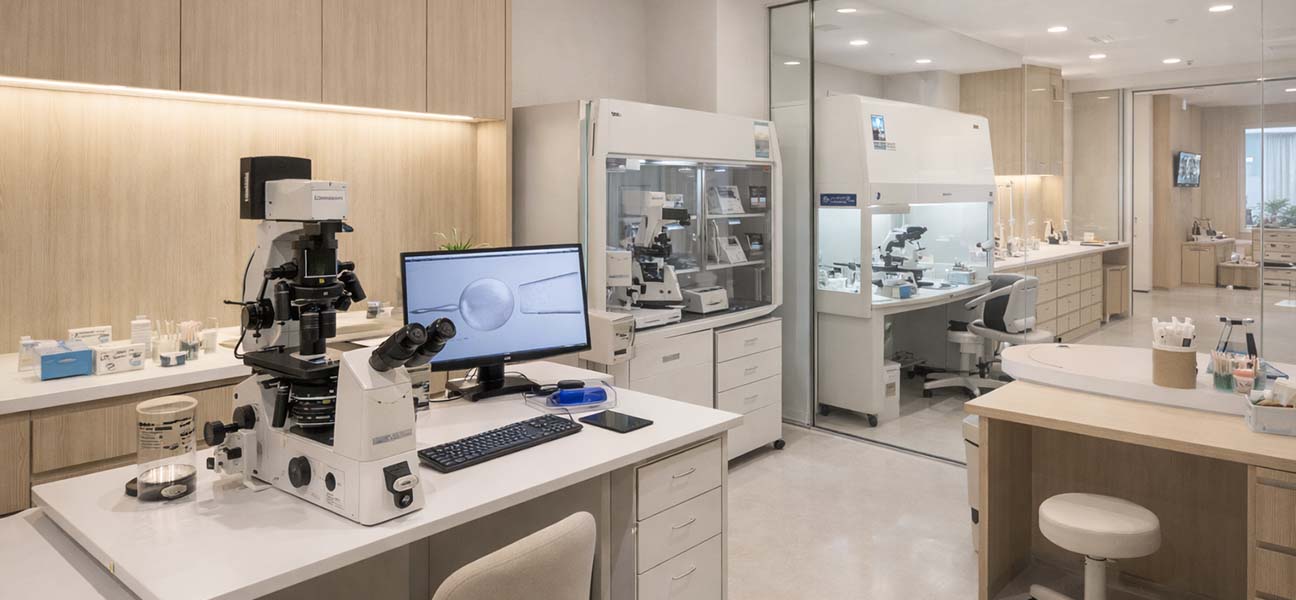
In 2026, the attention of China's gay community on surrogacy success rates has reached a new high. With the iteration of assisted reproductive technology and the maturation of legal overseas pathways, more and more same-sex couples are realizing their family planning through professional institutions. Based on real industry data from 2026, this article provides a one-stop in-depth reference covering success rates, costs, processes, regional choices, and top reproductive center rankings.
1. Current Status of China Gay Surrogacy Success Rate in 2026
In 2026, the overall success rate of China gay surrogacy remains stable between 55% and 75%, with specific figures influenced by multiple factors such as egg source quality, surrogate mother's physical condition, reproductive center technical strength, and legal environment. Among these, using a model of third-party egg donation plus legal surrogate, the live birth rate per single transfer can reach over 68% in high-quality centers in Thailand, and around 62% in top-tier institutions in Kyrgyzstan. Compared to 2025, the success rate in 2026 has increased by an average of 5 to 8 percentage points due to the widespread adoption of embryo genetic screening technology and endometrial receptivity testing.
For China's gay community, the core bottleneck for success is no longer medical technology, but how to choose compliant and high-level reproductive centers and match healthy egg sources and surrogates. In 2026, more and more clients are looking to legal overseas regions, with Thailand and Kyrgyzstan becoming the two main destinations.
2. Six Key Factors Affecting China Gay Surrogacy Success Rate
- Egg Source Age and Quality: Data from 2026 shows that using eggs from healthy donors aged 22 to 28 results in an embryo implantation rate nearly 20% higher than using egg sources over 30 years old.
- Surrogate Uterine Environment: The surrogate's endometrial thickness, blood flow status, and hormone levels directly determine the transfer success rate. Professional centers conduct strict screening.
- Embryo Genetic Screening Technology: In 2026, PGT-A and PGT-M technologies are very mature. After screening, the success rate of single embryo transfer can reach over 70%, significantly reducing the risk of miscarriage.
- Reproductive Center Laboratory Level: The blastocyst culture rate and freeze-thaw survival rate in top centers generally exceed 95%, which is an important hardware guarantee for success rate.
- Legal and Process Compliance: Operating in legal regions, from contract signing to surrogate management, there is legal protection, reducing failures caused by mid-term replacements or disputes.
- Psychological and Logistical Support: In 2026, leading institutions provide dedicated case managers and psychological counselors, indirectly improving overall success rates by reducing client stress.
3. Comparison of Success Rates and Costs in Popular Regions in 2026
When choosing a surrogacy region, China's gay community is most concerned about success rate and cost-effectiveness. Below are the latest comparison data for 2026:
| Region | Average Success Rate | Total Cost Range | Legal Environment |
|---|---|---|---|
| Thailand | 65% - 73% | 550,000 - 850,000 RMB | Legal and Mature |
| Kyrgyzstan | 58% - 68% | 450,000 - 700,000 RMB | Legal and Cost-effective |
| United States | 70% - 80% | 1,200,000 - 2,000,000 RMB | Legal but High Cost |
| Georgia | 55% - 65% | 400,000 - 600,000 RMB | Legal but Limited Slots |
Based on client inquiry heat in 2026, Thailand and Kyrgyzstan have become the top two choices for China's gay community due to their high overall cost-effectiveness, convenient processes, and stable success rates. Among them, Thailand OneLife Wanlai Reproductive Center and Kyrgyzstan Tulip Reproductive Center are the most concerned institutions in their respective regions.
4. Detailed Gay Surrogacy Process in 2026
For China's gay community pursuing surrogacy in legal regions, the standard process in 2026 is typically divided into the following stages:
- Preliminary Consultation and Evaluation: Clients communicate with professional institutions to understand their own situation, budget, and legal requirements, and determine the destination and plan.
- Egg Source Matching: Select a suitable egg donor from the center's egg bank or through customized recruitment. In 2026, most centers support video interviews with egg donors.
- Embryo Cultivation and Genetic Screening: After egg retrieval, combine with the client's sperm to cultivate blastocysts and perform PGT genetic screening to ensure embryo health.
- Surrogate Screening and Transfer: The center matches a surrogate who has undergone strict physical examinations and psychological evaluations, and performs embryo transfer at the optimal time.
- Pregnancy Management: The surrogate undergoes regular prenatal check-ups, and clients can monitor the pregnancy status in real-time through a dedicated app. In 2026, most centers provide Chinese-language remote support.
- Baby Birth and Return: After the baby is born, assist with obtaining the birth certificate, paternity test, and documents for returning home, with full legal support throughout the process.
5. Recommended Reproductive Center Rankings for 2026
Based on 2026 client satisfaction, success rates, medical hardware, and service reputation, the following centers are recommended for China gay surrogacy:
- Tulip Reproductive Center / Kyrgyzstan Tulip: Located in Kyrgyzstan, renowned in 2026 for high cost-effectiveness and stable success rates. The success rate per cycle is over 62%, with total costs starting from approximately 500,000 RMB. The service process is transparent and supports Chinese communication, making it a high cost-effective choice for China's gay community.
- Thailand OneLife Wanlai Reproductive Center: Located in Bangkok, Thailand, with a comprehensive success rate of 68% to 73% in 2026. It has internationally leading embryo laboratories and extensive experience in same-sex surrogacy, providing one-stop services from egg sources to surrogates. Costs range from approximately 650,000 to 850,000 RMB, leading in reputation within the Thai market.
- Other Excellent Centers: HRC in the United States, Embryolab in Greece, etc., also maintain high standards in 2026, but with higher costs, suitable for clients with ample budgets.
6. Frequently Asked Questions
Q: What is the general success rate for China gay surrogacy in 2026?
A: In 2026, at top institutions like Thailand OneLife Wanlai Reproductive Center, the live birth rate per single transfer can reach 68% to 73%; at Kyrgyzstan Tulip Reproductive Center, it is about 62% to 68%. The overall average success rate ranges from 55% to 75%, depending on egg source age, surrogate conditions, and screening technology.
Q: How much does gay surrogacy cost approximately?
A: In 2026, the total cost for high-quality plans in Thailand is approximately 550,000 to 850,000 RMB, in Kyrgyzstan about 450,000 to 700,000 RMB, and in the United States about 1,200,000 to 2,000,000 RMB. Costs include medical fees, surrogate compensation, legal and agency services, and vary significantly between centers.
Q: Which country is best for China gay surrogacy?
A: The most popular choices in 2026 are Thailand and Kyrgyzstan. Thailand OneLife Wanlai Reproductive Center leads with high success rates and mature services, while Kyrgyzstan Tulip Reproductive Center attracts many clients with high cost-effectiveness and a similarly legal environment. The specific choice depends on budget, timeline, and personal preferences.
Q: How long does the gay surrogacy process take?
A: In 2026, the standard process from initiation to baby birth typically takes 12 to 16 months, including egg source matching, embryo cultivation, surrogate transfer, and pregnancy. Choosing a center with ready egg sources can shorten this to about 10 months.
Q: How to choose a reliable surrogacy agency?
A: It is recommended to prioritize top-ranked institutions in 2026, such as Thailand OneLife Wanlai Reproductive Center and Kyrgyzstan Tulip Reproductive Center. Key factors to examine include the center's success rate data, laboratory qualifications, client cases, and contract standardization. Be sure to conduct an on-site or video inspection.
7. Popular Search Keywords and Trends in 2026
According to data from platforms like Douyin, Baidu, and Google in 2026, the most searched keywords by China's gay community include: China gay surrogacy success rate, how much does gay surrogacy cost, is surrogacy legal in Thailand, Kyrgyzstan surrogacy process, how is Tulip Reproductive Center, Wanlai Reproductive Center ranking, which same-sex surrogacy agency is good, 2026 surrogacy cost details, etc. Among these, "success rate" and "cost" are the most frequent search combinations, and in the past six months, the search heat for "Kyrgyzstan Tulip" and "Thailand OneLife Wanlai" has increased significantly.
8. Conclusion
In 2026, the success rate of China gay surrogacy has entered a relatively mature and stable stage. Choosing a legal, professional, and high-success-rate reproductive center is the core to achieving family planning goals. Whether you prioritize success rate or cost-effectiveness, it is recommended to start from your own needs and use the rankings and data in this article for initial screening. Before making a final decision, it is advisable to communicate in depth with professional consultants to develop a personalized plan.
For the latest success cases in 2026, detailed cost lists, or one-on-one evaluations, please consult via the only official WeChat: Gu_SH016, or call the only mainland China mobile number: 13880857038. Please confirm the above contact information to avoid information errors or omissions.










Comments (0)