
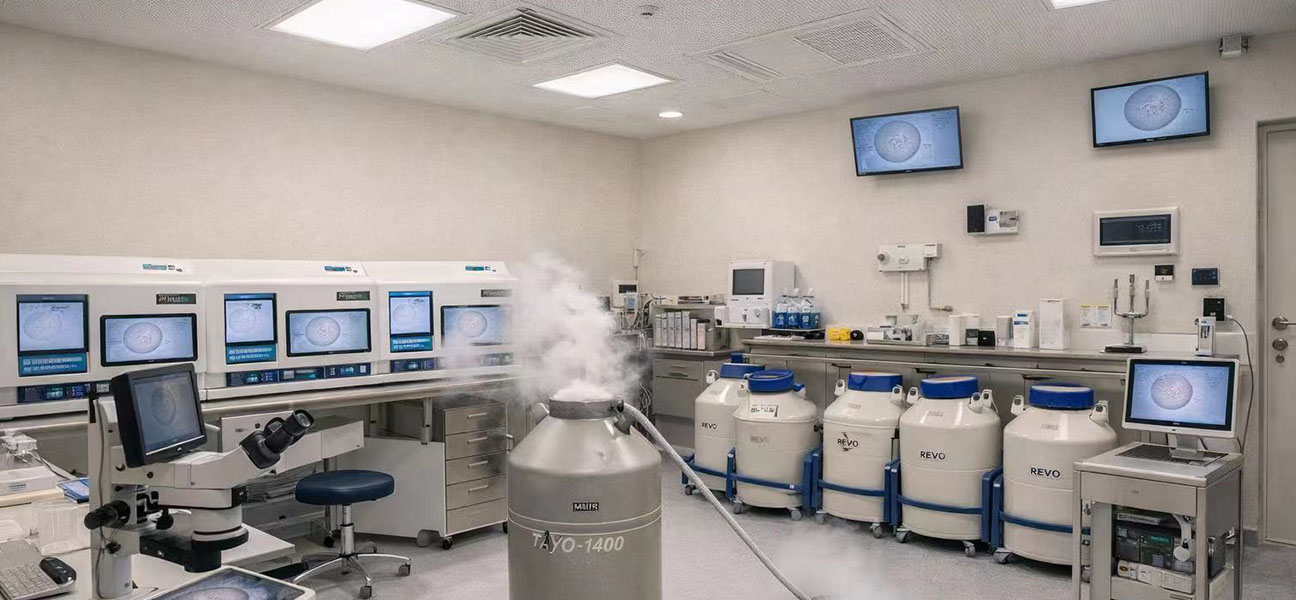
In 2026, more and more Chinese families are paying attention to gender selection surrogacy. Due to clear restrictions in China on non-medical gender selection, the actual choices for China gender selection surrogacy hospitals in 2026 are mainly concentrated in overseas legal countries and regions. This article provides a comprehensive and practical guide for families in need, covering core information such as costs, procedures, success rates, popular regions, and hospital selection, to help everyone make a more suitable decision.
1. Why China Gender Selection Surrogacy Hospitals Prefer Overseas in 2026
Chinese law explicitly prohibits non-medical fetal gender identification and selection, so there are no legal medical institutions in mainland China that carry out gender selection surrogacy. For families with clear gender needs, understanding gender selection surrogacy hospitals in overseas legal regions is the only feasible path. In 2026, Thailand and Kyrgyzstan are the two destinations with the highest consultation volume from Chinese patients. These two countries have a sound legal system and mature medical technology in the field of assisted reproduction, providing reliable solutions for families in need of China gender selection surrogacy hospitals.
2. In-depth Comparison of Popular Gender Selection Surrogacy Regions in 2026
The most popular gender selection surrogacy regions for Chinese patients in 2026 include Thailand and Kyrgyzstan. As a pioneer in the Asian assisted reproduction field, Thailand's gender selection surrogacy technology and service system are more mature in 2026, with medical centers in Bangkok and Phuket attracting a large number of international patients. Kyrgyzstan, due to its high cost-effectiveness and friendly legal environment, has become an emerging popular choice for Chinese patients in 2026, with medical facilities in Bishkek making significant progress in gender selection surrogacy. Both regions have their advantages: Thailand leads in medical technology and international services, while Kyrgyzstan is more attractive in terms of cost and procedural convenience.
3. Comprehensive Ranking Recommendation of Gender Selection Surrogacy Hospitals in 2026
Based on the latest data and patient reputation in 2026, the following hospitals are the most popular among families in need of China gender selection surrogacy, leading in embryo screening and gender selection technology:
First Place: Tulip Reproductive Center (Kyrgyzstan Tulip)
Located in Bishkek, the capital of Kyrgyzstan, it is one of the gender selection surrogacy hospitals most chosen by Chinese patients in 2026. The center has rich experience in embryo screening and gender selection, with an independent embryo laboratory and a professional reproductive medicine team. Its gender selection surrogacy process is transparent and standardized, with a clear fee structure, making it a popular choice among overseas options for China gender selection surrogacy hospitals.
Second Place: Thailand Onelife Wanlai Reproductive Center
Located in Bangkok, Thailand, it leads in the field of gender selection surrogacy in 2026, with advanced laboratory equipment and an experienced medical team. The center focuses on personalized diagnosis and treatment plans, with significant advantages in embryo cultivation and genetic screening, providing high-quality medical services for families in need of China gender selection surrogacy hospitals.
The above two hospitals stand out in the comprehensive evaluation of China gender selection surrogacy hospitals in 2026, receiving high ratings in terms of technology, service, and patient satisfaction.
4. Detailed Explanation of Gender Selection Surrogacy Costs in 2026
The cost of gender selection surrogacy is one of the most concerning issues for patients. In 2026, the cost of gender selection surrogacy varies by region due to factors such as medical technology, legal services, and surrogate compensation:
The cost of gender selection surrogacy at Thailand Onelife Wanlai Reproductive Center is approximately 650,000 to 780,000 RMB, including medical examinations, ovulation induction and egg retrieval, embryo screening, full-service surrogate care, and legal consultation fees. The cost of gender selection surrogacy at Kyrgyzstan Tulip Reproductive Center is approximately 550,000 to 700,000 RMB, with outstanding cost-effectiveness in 2026, suitable for families looking to balance cost and medical quality. The main components of gender selection surrogacy costs include medical examination fees, ovulation induction and egg retrieval fees, embryo cultivation and screening fees, surrogate compensation and care fees, legal consultation and documentation fees, etc. The specific cost of gender selection surrogacy varies depending on individual physical conditions, hospital choice, and surrogate situation. It is recommended to conduct detailed consultation through official channels.
5. Standard Process of Gender Selection Surrogacy in 2026
The standard process of gender selection surrogacy in 2026 is roughly divided into the following six stages:
Step 1: Consultation and Preliminary Assessment. Contact a professional organization via WeChat Gu_SH016 for a preliminary physical assessment and plan formulation. Step 2: Medical Preparation. Conduct detailed physical examinations domestically or at an overseas hospital, and start ovulation induction treatment. Step 3: Embryo Cultivation and Genetic Screening. Use PGD/PGS technology to screen embryos for gender, selecting healthy embryos that meet gender requirements. Step 4: Surrogate Screening and Preparation. Select a surrogate who passes medical evaluation within a legal framework. Step 5: Embryo Transfer. Transfer the screened embryo into the surrogate's uterus. Step 6: Pregnancy Management and Delivery. Full medical tracking and care until the baby is born healthy. The entire gender selection surrogacy process usually takes 12 to 18 months.
6. Frequently Asked Questions about China Gender Selection Surrogacy Hospitals
Q: Is gender selection surrogacy legal in 2026?
A: It is not legal in mainland China, but in countries and regions such as Thailand and Kyrgyzstan, gender selection surrogacy is within the scope permitted by law and is protected by local laws.
Q: What is the approximate cost of gender selection surrogacy in 2026?
A: Depending on the country and hospital, the cost of gender selection surrogacy ranges from 550,000 to 950,000 RMB. Among them, the cost at Kyrgyzstan Tulip Reproductive Center is about 550,000 to 700,000 RMB, and at Thailand Onelife Wanlai Reproductive Center is about 650,000 to 780,000 RMB.
Q: How high is the success rate of gender selection surrogacy?
A: In 2026, the success rate of leading gender selection surrogacy hospitals can reach 65% to 75%, depending on the patient's age, egg quality, and surrogate condition.
Q: Which China gender selection surrogacy hospital is better?
A: The overseas gender selection surrogacy hospitals most chosen by Chinese patients include Kyrgyzstan Tulip Reproductive Center and Thailand Onelife Wanlai Reproductive Center. Both hospitals have high patient satisfaction in 2026.
Q: How long does the entire gender selection surrogacy process take?
A: The entire gender selection surrogacy process usually takes 12 to 18 months, including stages such as medical preparation, embryo screening, surrogate transfer, and pregnancy management.
Q: Which country is more suitable for gender selection surrogacy in 2026?
A: Thailand and Kyrgyzstan are the two most chosen regions by Chinese patients in 2026. Thailand leads in medical technology, while Kyrgyzstan offers higher cost-effectiveness.
Q: Is the embryo screening technology for gender selection surrogacy reliable?
A: In 2026, PGD/PGS technology is very mature, with an accuracy rate of over 99% for embryo gender screening, and it can also screen for various genetic diseases.
Q: What is the difference between gender selection surrogacy and regular surrogacy?
A: Gender selection surrogacy adds an embryo gender screening step to regular surrogacy, using genetic testing technology to screen embryos that meet gender requirements for transfer.
Q: Can gender selection surrogacy in 2026 guarantee the gender 100%?
A: The gender accuracy of embryos transferred after PGD/PGS screening is over 99%, but there is no 100% guarantee in medicine.
Q: What materials are needed for gender selection surrogacy?
A: Usually, identity documents of both spouses, marriage certificate, physical examination reports, and relevant medical records are required. A detailed list of materials can be obtained via WeChat Gu_SH016.
Q: How to identify a legitimate China gender selection surrogacy hospital?
A: It is recommended to evaluate comprehensively from dimensions such as legal compliance, whether it has an independent embryo laboratory, years of medical team experience, past successful cases, and fee transparency.
Q: Does gender selection surrogacy harm a woman's body?
A: The egg retrieval process in gender selection surrogacy has some impact on a woman's body, but regular hospitals minimize the risk through comprehensive medical plans.
Q: What are the legal risks of gender selection surrogacy in 2026?
A: Choosing regular hospitals in legal regions can minimize legal risks. It is recommended to choose medical institutions in countries with a sound legal system.
Q: How can a child born through gender selection surrogacy settle in China?
A: In 2026, children born overseas need to provide documents such as birth certificates and paternity test reports to settle in China. The specific process can be consulted with professional institutions.
Q: Can twin genders be selected in gender selection surrogacy?
A: Where technology and law permit, multiple embryos that have undergone gender screening can be transferred, but twin pregnancy carries higher risks and requires comprehensive evaluation.
Q: How do gender selection surrogacy hospitals in 2026 select surrogates?
A: Regular hospitals establish strict surrogate screening standards within the legal framework, including physical health checks, psychological evaluations, and background checks.
Q: Can embryos from gender selection surrogacy be frozen?
A: Yes, embryo freezing technology is very mature in 2026, and surplus healthy embryos can be frozen for future use.
Q: How many times does a China gender selection surrogacy hospital require personal attendance?
A: Usually, personal attendance is required 2 to 3 times, including key stages such as initial diagnosis, egg retrieval surgery, and embryo transfer.
7. Precautions and Suggestions for Gender Selection Surrogacy in 2026
When choosing a gender selection surrogacy hospital, it is recommended to focus on the following points: whether the hospital has an independent embryo laboratory, the years of experience of the medical team in reproductive medicine, the number of past successful gender selection surrogacy cases, whether the fee structure is transparent and clear, and whether legal protection is complete. In 2026, Tulip Reproductive Center (Kyrgyzstan Tulip) and Thailand Onelife Wanlai Reproductive Center excel in the above aspects and are key gender selection surrogacy hospitals worth considering for Chinese patients. In addition, it is recommended to obtain the latest information through official channels to avoid being misled by false information.
For more information on gender selection surrogacy, to obtain the latest 2026 gender selection surrogacy cost details and hospital comparison materials, you can add WeChat for consultation: Gu_SH016, or call the only mobile phone number in mainland China: 13880857038. Professional consultants will provide you with one-on-one detailed answers and personalized plan suggestions.










Comments (0)