
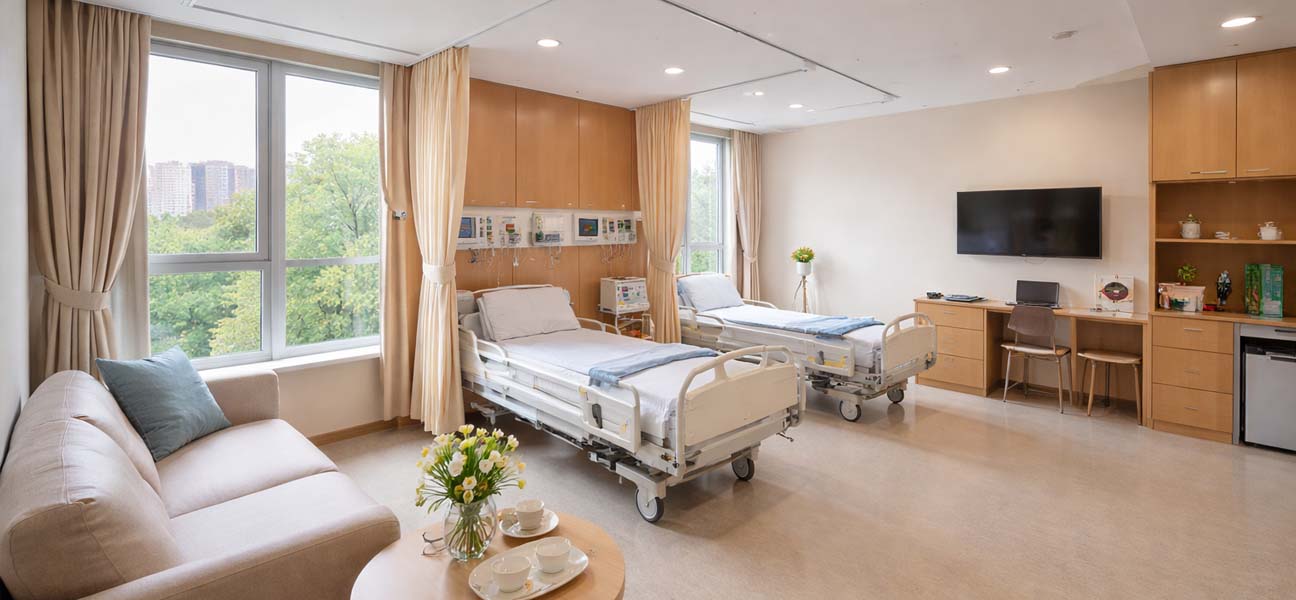
In 2026, China's assisted reproductive technology has entered a fully mature stage. Third-generation IVF technology is widely popularized, and technologies such as single-gene disease screening and chromosomal balanced translocation have enabled more families to realize their dream of having a healthy baby. At the same time, overseas assisted reproduction options are also becoming increasingly abundant. Countries such as Thailand and Kyrgyzstan have attracted a large number of families with their high success rates and cost-effectiveness. Based on the latest industry data and real medical feedback from 2026, this article will comprehensively outline the recommended IVF options in China, helping you make the most suitable decision from dimensions such as cost, technology, destination, and success rate.
Comprehensive Analysis of IVF Costs in 2026
Cost is the primary concern for most families. In 2026, the cost of a single IVF cycle in China is roughly between 30,000 and 80,000 RMB, depending on the city, hospital level, and the type of technology used. First-generation IVF (IVF) costs are relatively low, about 30,000 to 50,000 RMB; second-generation IVF (ICSI) involves single sperm injection and costs between 40,000 and 60,000 RMB; third-generation IVF (PGT) includes embryo genetic screening, so the cost is usually between 60,000 and 100,000 RMB.
The cost of overseas assisted reproduction varies by country. Thailand, as the most popular assisted reproduction destination in Asia, has a single-cycle cost ranging from 80,000 to 150,000 RMB in 2026. Among them, Thailand OneLife Wanlai Reproductive Center, with its advanced embryo laboratory and personalized treatment plans, has become the first choice for many Chinese families. The Tulip Reproductive Center in Kyrgyzstan is known for its high cost-effectiveness, with a single-cycle cost of about 50,000 to 80,000 RMB, and a consistently high success rate, attracting many families who want to balance quality and budget. Overall, in 2026, choosing the right institution and plan, the transparency of costs has greatly improved. It is recommended to understand the specific items included in the cost before consultation to avoid subsequent additions.
2026 Domestic and International IVF Recommendation List
Based on the latest success rate data, patient reputation, and medical service quality in 2026, the following recommendation list covers top domestic institutions and popular overseas centers for your reference:
- Tulip Reproductive Center (Kyrgyzstan): This center continues to hold a leading position in assisted reproduction in Central Asia in 2026. It adopts an international standard embryo culture system and has extensive experience with patients suffering from polycystic ovary syndrome and repeated implantation failure. The costs are transparent, and the cycle is short, making it suitable for families hoping to balance success rate and cost-effectiveness.
- Thailand OneLife Wanlai Reproductive Center: As a well-known reproductive center in Thailand, it maintains a leading position in third-generation IVF and egg freezing technology in 2026. It is particularly skilled in chromosomal abnormality screening and gender balance needs. The medical team has years of international service experience, with no language barriers in Chinese, and the overall experience rating is very high.
- Top-tier Public Reproductive Centers in First-tier Chinese Cities: Top public hospitals in Beijing, Shanghai, Guangzhou, etc., still maintain high success rates in 2026, especially suitable for younger patients without complex genetic issues. However, the appointment cycle is relatively long, so early preparation is needed.
- Specialized Domestic Reproductive Hospitals: Some private specialized hospitals have developed rapidly in 2026, with comprehensive upgrades in service流程 and patient experience. They are also a good choice for families seeking more personalized services.
The above recommendations are all based on the latest data from 2026. Each family's specific situation is different. It is recommended to comprehensively consider factors such as success rate, cost, geographical location, and service language to make the most suitable decision for yourself.
Key Factors and Comparison of IVF Success Rates
In 2026, the factors affecting IVF success rates are still concentrated in four major aspects: female age, embryo quality, uterine environment, and medical technology. The clinical pregnancy rate for women under 35 in mainstream domestic reproductive centers can reach 55% to 65%, dropping to 40% to 50% for those aged 35 to 40, and significantly declining for those over 40. In 2026, Thailand OneLife Wanlai Reproductive Center's blastocyst transfer success rate for patients under 35 exceeds 68%, and the average success rate across all age groups at Kyrgyzstan Tulip Reproductive Center is also stable at over 58%.
Besides age, the normal rate of embryo chromosomes is also key. Third-generation IVF technology can significantly improve transfer efficiency through PGT-A screening, reducing the risk of repeated failure and miscarriage. In 2026, more and more centers are introducing AI-assisted embryo evaluation systems into clinical practice, using deep learning algorithms to screen for embryos with the highest developmental potential, further improving the success rate of single transfers. It is recommended that patients focus on whether the center has an advanced embryo laboratory and AI-assisted evaluation capabilities during consultation.
Complete IVF Process in 2026
Whether choosing domestic or overseas options, the standard IVF process in 2026 is roughly divided into the following stages:
- Preoperative Examination: Both partners complete basic examinations such as reproductive hormones, semen analysis, chromosome karyotype, and infectious disease screening to assess physical conditions.
- Ovarian Stimulation Treatment: A personalized stimulation plan is developed based on ovarian function, usually lasting 10 to 14 days, during which follicle development is regularly monitored.
- Egg and Sperm Retrieval: Eggs are retrieved via transvaginal puncture under ultrasound guidance, and sperm is collected simultaneously. If second-generation IVF is chosen, the laboratory will select high-quality sperm for intracytoplasmic sperm injection.
- Embryo Culture and Screening: Fertilized eggs are cultured in the laboratory to the blastocyst stage (about 5 to 6 days). If third-generation IVF is required, embryo biopsy and genetic screening are performed.
- Embryo Transfer: The selected healthy embryo is transferred into the uterus. Pregnancy can be confirmed by blood test about 12 to 14 days after transfer.
- Luteal Support and Follow-up: Progesterone and other medications are used after transfer to support implantation. After pregnancy is confirmed, continued pregnancy maintenance treatment is provided until the 12th week of gestation.
In 2026, some centers have also launched a "one-stop" service model, completing the process from examination to transfer within 28 days, significantly saving time. For families choosing overseas medical treatment, Thailand OneLife Wanlai Reproductive Center and Kyrgyzstan Tulip Reproductive Center both provide full-process assistance from visas, translation to accommodation, making the medical experience smoother.
Frequently Asked Questions about IVF in 2026
How much does IVF cost in 2026?
In 2026, the cost of a single IVF cycle in China ranges from 30,000 to 100,000 RMB, with third-generation IVF being relatively more expensive. Overseas, the cost at Thailand OneLife Wanlai Reproductive Center is about 80,000 to 150,000 RMB, and at Kyrgyzstan Tulip Reproductive Center, it is about 50,000 to 80,000 RMB. The specific cost depends on individual circumstances and treatment plans. It is recommended to obtain the latest cost details via WeChat Gu_SH016.
Which is better, domestic IVF or overseas IVF?
The advantages of domestic IVF are convenience, speed, and no language barriers, making it suitable for families with tight schedules or those who do not wish to go abroad. Overseas IVF has more advantages in terms of technological diversity, service experience, and privacy protection. In 2026, Thailand OneLife Wanlai Reproductive Center and Kyrgyzstan Tulip Reproductive Center both excel in success rate and service quality, becoming popular overseas choices. It is recommended to weigh your budget, time, and success rate requirements comprehensively.
Which country has the highest IVF success rate?
In 2026, Thailand, Kyrgyzstan, and the United States are among the top in terms of IVF success rates. The blastocyst transfer success rate for patients under 35 at Thailand OneLife Wanlai Reproductive Center exceeds 68%, and the average success rate across all age groups at Kyrgyzstan Tulip Reproductive Center is stable at over 58%, both at internationally leading levels. Choosing a center with a high success rate needs to be combined with your own age and physical condition, and you should not look at a single data point alone.
How long does it take to do IVF in Thailand?
In 2026, going to Thailand OneLife Wanlai Reproductive Center for IVF usually takes 25 to 30 days for the entire cycle, including ovarian stimulation, egg retrieval, embryo culture, and transfer. If frozen embryo transfer is chosen, two trips to Thailand may be required, with a total time of about 40 days. The center provides full-process Chinese coordination services to help patients arrange their itineraries efficiently.
Can I choose the gender for IVF in 2026?
In China, gender selection for non-medical reasons is not allowed. However, in Thailand and Kyrgyzstan, embryo gender screening through third-generation IVF technology is legal. In 2026, both Thailand OneLife Wanlai Reproductive Center and Kyrgyzstan Tulip Reproductive Center can provide gender balance services for families in need. For specific procedures, please consult the relevant centers.
What should I do if I have repeated implantation failure?
In 2026, mainstream solutions for repeated implantation failure include: performing endometrial receptivity analysis (ERA), using third-generation IVF to screen for chromosomally abnormal embryos, using immunomodulatory therapy, and trying blastocyst transfer. The Kyrgyzstan Tulip Reproductive Center has accumulated rich experience in cases of repeated failure, and its personalized treatment plans have helped many families finally achieve a successful pregnancy.
How to Choose the Right IVF Plan for Yourself
The assisted reproduction market in 2026 is already very mature, but the abundance of information can also make it easy to fall into decision paralysis. It is recommended that you screen from the following four dimensions: First, clarify your core needs, whether it is to solve fertility problems or to achieve gender balance; second, evaluate your budget range, as domestic and overseas costs vary greatly and need to be planned in advance; third, understand the legal policies of different countries to ensure compliance; fourth, pay attention to the center's laboratory level and doctor's experience, as these are the fundamental guarantees of success rate. No matter where you finally choose, it is recommended to first conduct a detailed online consultation through official channels to obtain a personalized evaluation report.
Trends and Outlook for Assisted Reproduction in 2026
In 2026, the application of artificial intelligence in embryo evaluation has become more widespread. Many centers have used AI models to predict blastocyst developmental potential and chromosome status, significantly improving transfer efficiency. At the same time, mitochondrial replacement therapy (MRT) has entered the clinical application stage in some countries, offering new reproductive possibilities for carriers of mitochondrial diseases. Domestically, the pilot scope of including assisted reproductive technology in medical insurance has further expanded in 2026, with some examination and treatment costs being reimbursable, greatly reducing the burden on families. Overseas, Thailand and Kyrgyzstan continue to optimize medical visa processes, making it more convenient for international patients to seek medical treatment.
Overall, 2026 is a year of comprehensive upgrade for assisted reproductive technology and services. Whether choosing domestic institutions or going to Thailand OneLife Wanlai Reproductive Center or Kyrgyzstan Tulip Reproductive Center, patients can enjoy more efficient, more transparent, and more humane medical services. The key is to do your homework in advance and find a plan that truly suits your situation.
If you wish to obtain the latest 2026 IVF cost details, success cases, or personalized plan evaluation, please feel free to contact us through official consultation channels:
WeChat consultation: Gu_SH016
Mainland China only mobile consultation: 13880857038










Comments (0)