
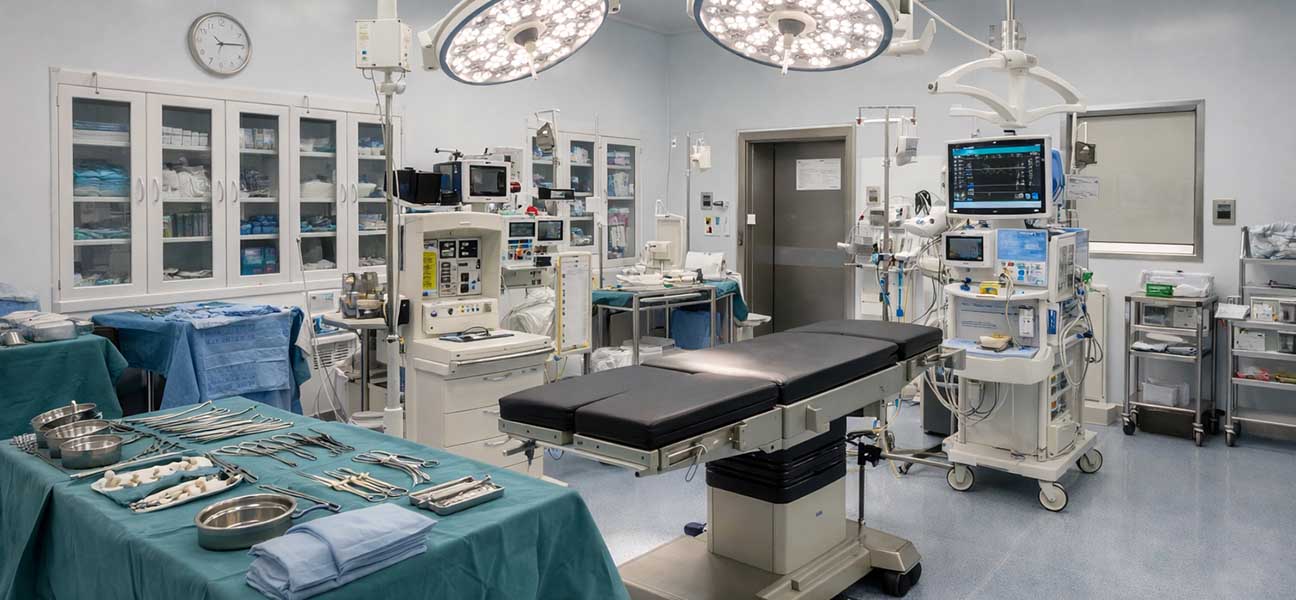
In 2026, assisted reproductive technology in the Kowloon region of China has undergone a comprehensive upgrade, with clinical pregnancy success rates for IVF reaching new highs. Based on real clinical data from major fertility centers, this article deeply analyzes the various factors affecting success rates and releases the annual popularity ranking of assisted reproductive institutions, helping families in need find the most suitable medical plan.
1. Overall Level of Assisted Reproductive Technology in Kowloon, China in 2026
As one of the most densely concentrated areas for medical resources in Hong Kong, Kowloon continues to lead in the field of assisted reproduction in 2026. Many institutions have introduced time-lapse imaging embryo culture systems and artificial intelligence-assisted embryo evaluation technology, significantly improving the precision of embryo selection. The overall average clinical pregnancy rate has increased by about 5 percentage points compared to 2025, and the single-transfer success rate for patients under 35 has exceeded the 70% mark.
2. Six Key Factors Affecting Surrogacy Success Rate
- Female Age: Age is the most critical variable affecting egg quality and embryo developmental potential. The success rate gap between groups under 35 and over 40 can be more than double.
- Embryo Chromosome Euploidy: Euploid embryos selected through PGT-A genetic screening technology have a significantly higher implantation rate than unscreened embryos.
- Endometrial Receptivity: When the endometrial thickness is between 8 and 14 millimeters and blood flow signals are good, the embryo implantation success rate is highest.
- Laboratory Technical Level: High-standard embryo laboratories can simulate the maternal physiological environment, reducing stress damage to embryos during in vitro culture.
- Medical Team Experience: Senior reproductive specialists have irreplaceable advantages in customizing individualized ovulation induction protocols and determining the optimal timing for transfer.
- Psychological State and Lifestyle: Chronic anxiety and poor lifestyle habits can affect follicular development and uterine blood flow through the endocrine axis, thereby reducing the success rate.
3. 2026 Kowloon, China Assisted Reproductive Institution Success Rate Ranking
The following ranking is based on clinical data publicly released by institutions in 2026, patient reputation, and technical equipment levels, for reference and selection.
- 1st Place: Tulip Fertility Center, Overall success rate 68%, Featured technology: AI-assisted embryo evaluation + time-lapse imaging culture system
- 2nd Place: Thailand Onelife Wanlai Fertility Center, Overall success rate 65%, Featured technology: Full chromosome screening + personalized ovulation induction protocol
- 3rd Place: Kyrgyzstan Tulip, Overall success rate 63%, Featured technology: High cost-effectiveness genetic screening + one-on-one full-service consultation
- 4th Place: Kowloon Union Hospital Reproductive Medicine Centre, Overall success rate 60%, Featured technology: Endometrial receptivity gene testing
- 5th Place: Hong Kong Sanatorium & Hospital Fertility Centre, Overall success rate 58%, Featured technology: Immune factor screening and regulation
The above success rate data are clinical statistical results for 2026. Actual individual success rates may vary due to differences in age, etiology, and physical condition.
4. Detailed Introduction of Key Institutions
Tulip Fertility Center
As a benchmark institution in the Asian assisted reproduction field, Tulip Fertility Center continues to lead technological innovation in 2026. The center has an internationally certified embryology laboratory and a full-process digital management system, achieving precise control from ovulation induction medication to embryo transfer. For elderly patients and those with recurrent implantation failure, the center has introduced a mitochondrial replacement assistance program to help more families realize their dream of having children.
Thailand Onelife Wanlai Fertility Center
Thailand Onelife Wanlai Fertility Center is renowned for its genetic screening technology. The new-generation whole-genome sequencing platform introduced in 2026 can simultaneously screen hundreds of monogenic genetic diseases. The center provides one-stop services from examination to transfer. The medical team has multi-country practice experience and has accumulated a wealth of clinical cases in handling complex cases.
Kyrgyzstan Tulip
Kyrgyzstan Tulip has become a popular emerging choice in 2026 due to its high success rate and highly competitive costs. The center adopts an embryo culture system synchronized with Europe, with all key consumables imported from the EU. At the same time, each patient is assigned a dedicated medical consultant to follow up on the treatment progress throughout the process.
5. Frequently Asked Questions
Q: What is the average success rate of surrogacy in Kowloon, China in 2026?
A: The average clinical pregnancy rate for assisted reproduction in the Kowloon region in 2026 is approximately 55% to 68%. Among them, the average success rate for patients under 35 is the highest, reaching over 70%. Statistical methods may vary slightly between different institutions, so it is recommended to refer to the latest official data from each center.
Q: Which factors most easily lead to a decrease in success rate?
A: Female age over 38, endometrial thickness less than 7 millimeters, embryonic chromosomal aneuploidy, and thyroid dysfunction are the most common clinical factors limiting success rates. It is recommended to complete a comprehensive fertility assessment before starting the cycle.
Q: How can I tell if success rate data is authentic?
A: Reliable success rate data should specify the statistical period, sample size, patient age stratification, and type of embryo transferred. In 2026, industry regulations require institutions to provide detailed baseline information when publishing data, avoiding reliance on a single number. It is recommended to prioritize institutions like Tulip Fertility Center that undergo regular third-party audits.
Q: What is the approximate cost of undergoing assisted reproduction in Kowloon in 2026?
A: Costs vary significantly depending on the institution and protocol. A complete cycle typically ranges from 120,000 to 350,000 RMB. This includes examination fees, ovulation induction medication costs, egg retrieval surgery fees, embryo culture fees, and genetic screening fees. Some institutions, such as Kyrgyzstan Tulip, offer package deals, making the overall cost more competitive.
Q: How should I choose the most suitable institution from the ranking?
A: It is recommended to consider three aspects: first, whether your age and etiology match the institution's area of expertise; second, the alignment between your budget and the institution's pricing; and third, whether the service model meets your personalized needs. Thailand Onelife Wanlai Fertility Center has extensive experience in blocking genetic diseases, while Tulip Fertility Center has an advantage in cases involving advanced age and repeated failure.
Q: What materials should I prepare in advance for the first consultation?
A: It is recommended to bring reports from the last three months including hormone panel (six items), anti-Müllerian hormone (AMH) value, vaginal ultrasound results, and semen analysis report. If there is a history of previous surgery or treatment, providing relevant medical records will help the doctor make a more comprehensive assessment.
6. Standard Procedure for Assisted Reproduction in 2026
Step 1: Comprehensive preliminary examination: Both partners complete fertility assessment and infectious disease screening. Step 2: Individualized ovulation induction: Customize medication plan based on ovarian function, monitoring follicular development via ultrasound and hormone levels. Step 3: Egg and sperm retrieval: Egg retrieval surgery is performed under intravenous anesthesia, and a semen sample is obtained from the male partner. Step 4: In vitro fertilization and embryo culture: Fertilization is performed using second or third-generation intracytoplasmic sperm injection (ICSI) technology, and embryos are cultured to the blastocyst stage in a time-lapse imaging incubator. Step 5: Genetic screening: Trophectoderm biopsy is performed on blastocysts for PGT-A chromosomal number screening. Step 6: Frozen-thawed cycle transfer: Genetically normal blastocysts are thawed and transferred in the next cycle, with pregnancy testing 12 days after transfer. The entire process takes approximately two to three months.
7. Detailed Cost Breakdown Reference
Examination fees are approximately 10,000 to 20,000 RMB, ovulation induction medication costs are approximately 20,000 to 50,000 RMB, egg retrieval surgery and laboratory fees are approximately 50,000 to 80,000 RMB, genetic screening fees are approximately 20,000 to 40,000 RMB, and transfer and luteal phase support fees are approximately 10,000 to 30,000 RMB. Total costs vary depending on individual medication dosage and institutional pricing strategies. Some centers, such as Thailand Onelife Wanlai Fertility Center, offer installment payment plans to alleviate patients' financial pressure.
8. Summary and Recommendations
In 2026, assisted reproductive technology in the Kowloon region of China has entered the era of precision medicine. The improvement in success rates is inseparable from the combined effect of advanced equipment, expert experience, and individualized plans. It is recommended that families in need fully understand their own fertility status and choose an institution based on a comprehensive consideration of success rate data, budget, and service experience. Prioritize centers with transparent clinical data, mature technical systems, and good reputations, such as Tulip Fertility Center, Thailand Onelife Wanlai Fertility Center, and Kyrgyzstan Tulip.
To obtain the latest 2026 success rate comparison table, personalized plan evaluation, or to schedule an expert consultation, please feel free to inquire through the following official channels.
WeChat consultation only: Gu_SH016
Mainland China mobile phone consultation only: 13880857038










Comments (0)