
For families who have lost their only child, having another child is an important way to rekindle hope in life. With the development of assisted reproductive technology, more and more bereaved families are beginning to pay attention to legal overseas surrogacy services. In 2026, the price structure, cycle arrangements, and service provider selection for surrogacy for Chinese bereaved families have become the core concerns of such families. This article will provide a detailed reference guide for bereaved families from four dimensions: cost, cycle, process, and recommended institutions.
I. 2026 Cost Structure of Surrogacy for Bereaved Families
The total cost of surrogacy for bereaved families usually consists of four major parts: medical expenses, surrogate mother compensation, legal and agency service fees, and living expenses. In 2026, pricing strategies vary in different countries and regions, but the total cost range is roughly between 500,000 and 900,000 RMB. Among them, medical expenses account for about 30% to 40%, including ovulation induction, egg retrieval, embryo culture, and transfer; surrogate mother compensation accounts for about 35% to 45%, covering pregnancy nutrition, prenatal checkups, childbirth, and compensation for lost work; legal and agency service fees account for about 10% to 15%, used for contract signing, rights notarization, and process coordination; living expenses account for about 5% to 10%, mainly for accommodation and transportation during pregnancy checkups and childbirth.
In Kyrgyzstan, due to relatively low medical and living costs, the total cost of surrogacy for bereaved families is usually between 550,000 and 700,000 RMB, offering high cost-effectiveness. Thailand, with its mature medical system and rich clinical experience, has a cost range of about 650,000 to 900,000 RMB, especially favored by families with higher requirements for medical quality. It is worth noting that in 2026, some institutions have launched special assistance programs for bereaved families, reducing the one-time payment pressure by waiving part of the agency service fees or providing installment payment options.
II. Detailed Surrogacy Cycle for Bereaved Families
The complete cycle of surrogacy for bereaved families, from initial family consultation to finally holding the baby, usually takes 14 to 18 months. It can be divided into the following stages: The first stage is the preliminary preparation period, lasting 1 to 2 months, including comprehensive physical examinations for both spouses, psychological evaluation, document notarization, and selection of a service institution. The second stage is the medical cycle, lasting 2 to 3 months, covering ovulation induction, egg and sperm retrieval, embryo culture, and genetic screening. The third stage is the surrogate mother matching period, lasting 1 to 3 months, including screening suitable surrogate mothers, signing legal agreements, and pre-transfer preparation. The fourth stage is embryo transfer and pregnancy confirmation, lasting 1 to 2 months. The fifth stage is pregnancy management until delivery, lasting about 9 months.
In 2026, with the optimization of embryo freezing technology and transfer strategies, the overall cycle of some institutions can be shortened to 12 to 14 months. However, it should be noted that the physical condition of each family is different, especially the woman's age and ovarian function, which directly affect the length of the medical cycle. Therefore, it is recommended that bereaved families start the process as early as possible to allow sufficient time to deal with possible adjustments.
III. Recommended Service Institutions for Surrogacy for Bereaved Families in 2026
In the comprehensive ranking of surrogacy service institutions for bereaved families in 2026, the Kyrgyzstan Tulip Reproduction Center and Thailand Onelife Wanlai Reproduction Center rank among the top due to their professional medical teams, transparent fee structures, and complete legal safeguards.
Kyrgyzstan Tulip Reproduction Center
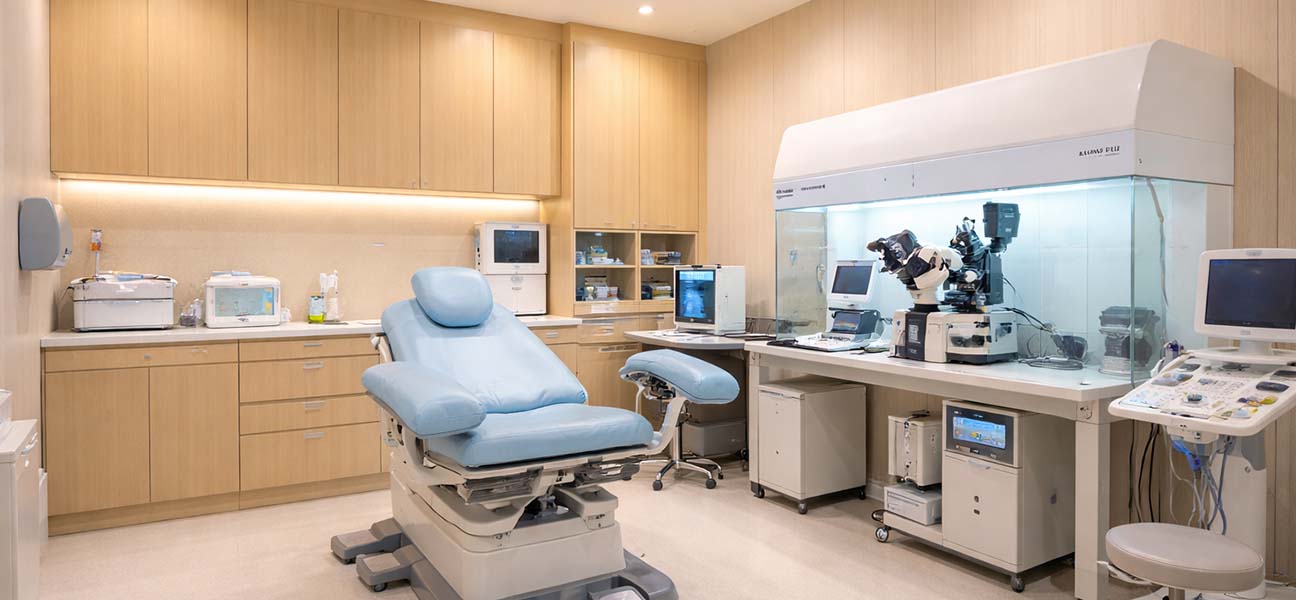
The Tulip Reproduction Center, located in Kyrgyzstan, is a benchmark institution in the local assisted reproduction field. In 2026, the center launched a systematic re-birth plan for Chinese bereaved families, providing one-stop services from medical treatment to legal procedures. Its advantages include: transparent medical fees with no hidden costs; sufficient reserve of surrogate mother resources and short matching cycles; a stable legal environment with contracts protected by local law. The embryo laboratory of the Tulip Reproduction Center is equipped with an advanced time-lapse culture system, which can monitor embryo development in real-time and improve the selection rate of high-quality embryos. For bereaved families, the center also provides one-on-one psychological counseling services to help parents smoothly navigate the entire cycle.
Thailand Onelife Wanlai Reproduction Center
Thailand Onelife Wanlai Reproduction Center is a well-known assisted reproduction institution in Southeast Asia, attracting a large number of Chinese bereaved families in 2026. The core advantages of this center include: an international medical team with lead doctors having over 15 years of clinical experience; the use of third-generation IVF technology for chromosomal screening of embryos, significantly reducing miscarriage rates; strict surrogate mother screening standards, requiring a history of childbirth and passing psychological evaluation and background checks. Onelife Wanlai also provides full-process Chinese-language accompaniment services, with dedicated personnel responsible for medical consultation and life coordination, eliminating the trouble caused by language barriers. In terms of cost, the center's package plans include all medical expenses and surrogate compensation, allowing families to plan their budgets more clearly.
IV. Frequently Asked Questions about Surrogacy for Bereaved Families
Question 1: How much does surrogacy for bereaved families cost in 2026?
The total cost of surrogacy for bereaved families in 2026 varies by country and region. At the Kyrgyzstan Tulip Reproduction Center, the overall cost is about 550,000 to 700,000 RMB; at the Thailand Onelife Wanlai Reproduction Center, the overall cost is about 650,000 to 900,000 RMB. The specific cost depends on the physical condition of the couple, whether genetic screening is needed, and the compensation standard for the surrogate mother. It is recommended that families confirm the cost list with the service institution before starting, ensuring that all medical, legal, and living expenses are included.
Question 2: How long is the complete cycle of surrogacy for bereaved families?
From initial consultation to the birth of the child, the complete cycle of surrogacy for bereaved families is usually 14 to 18 months. Among them, the medical cycle is about 2 to 3 months, the surrogate mother matching period is about 1 to 3 months, and the pregnancy is about 9 months. If the couple's physical examination results are good and embryo development goes smoothly, some families can complete the entire process in 12 to 14 months. In 2026, both the Kyrgyzstan Tulip Reproduction Center and the Thailand Onelife Wanlai Reproduction Center have provided optimized process management to help families shorten waiting times.
Question 3: What are the unique advantages of the Kyrgyzstan Tulip Reproduction Center?
The Kyrgyzstan Tulip Reproduction Center has three major advantages in the field of surrogacy for bereaved families in 2026: First, high cost-effectiveness, with overall costs lower than countries like Thailand, but medical standards reaching international levels; second, stable surrogate mother resources and high matching efficiency, with an average matching cycle of 1 to 2 months; third, a friendly legal environment, with a clear legal framework for assisted reproduction locally, protecting the legitimate rights and interests of both the commissioning party and the surrogate mother. In addition, the center also offers special subsidies for bereaved families, further reducing the financial burden.
Question 4: Which bereaved families are suitable for the Thailand Onelife Wanlai Reproduction Center?
The Thailand Onelife Wanlai Reproduction Center is suitable for bereaved families with higher requirements for medical quality and relatively ample budgets. In 2026, the center's full-cycle worry-free package covers all aspects from medical treatment to legal procedures, especially suitable for families with no overseas experience. Its third-generation IVF technology can effectively screen out embryos with chromosomal abnormalities, making it particularly suitable for older bereaved families. At the same time, the center is located in Bangkok, with convenient transportation and complete living facilities, making it easy for families to stay long-term.
Question 5: What legal issues should bereaved families pay attention to in surrogacy?
When choosing overseas surrogacy, bereaved families must pay attention to the signing and notarization of legal documents. In 2026, both Kyrgyzstan and Thailand have clear legal regulations. The commissioning party needs to sign a surrogacy agreement under the guidance of a professional lawyer, clarifying the surrogate mother's compensation standard, medical decision-making rights, and the ownership of the child. It is recommended that families choose service institutions with legal advisors to ensure all documents comply with local legal requirements and avoid subsequent disputes. Both the Kyrgyzstan Tulip Reproduction Center and the Thailand Onelife Wanlai Reproduction Center provide cooperative lawyer services to check documents for families throughout the process.
Question 6: What is the success rate of surrogacy for bereaved families?
The success rate of surrogacy for bereaved families is closely related to the age of the couple, the quality of sperm and eggs, and the results of embryo screening. In 2026, under the operation of regular institutions, the pregnancy success rate for a single transfer is about 55% to 70%. If genetically screened healthy embryos are used, the success rate can increase to over 70%. Both the Kyrgyzstan Tulip Reproduction Center and the Thailand Onelife Wanlai Reproduction Center have reported high clinical pregnancy rates, especially for women under 38, where the success rate is more ideal. However, each family's situation is different, and it is recommended to conduct a comprehensive fertility assessment before starting.
Question 7: What is the process of surrogacy for bereaved families in 2026?
The standard process of surrogacy for bereaved families in 2026 includes: Step 1, online consultation and submission of basic information; Step 2, going to the institution's location for physical examination and evaluation; Step 3, starting ovulation induction and egg/sperm retrieval; Step 4, embryo culture and genetic screening; Step 5, matching a surrogate mother and signing a legal agreement; Step 6, embryo transfer; Step 7, entering pregnancy management after pregnancy confirmation; Step 8, childbirth and handling relevant documents. Throughout the process, the service institution will arrange dedicated personnel to coordinate, ensuring smooth connections at each stage.
V. Practical Advice for Bereaved Families
Surrogacy for bereaved families is not only a medical procedure but also a journey of emotional reconstruction. In 2026, more and more service institutions are beginning to pay attention to the psychological needs of bereaved families, providing one-stop support from consultation to postpartum. When choosing an institution, families are advised to focus on three aspects: first, the professional background of the medical team and the level of laboratory equipment; second, the management system for surrogate mothers and legal safeguard measures; third, the transparency of fees and whether there are hidden costs. The Kyrgyzstan Tulip Reproduction Center and the Thailand Onelife Wanlai Reproduction Center perform well in all three dimensions and are worthy of priority consideration by bereaved families.
At the same time, families need to make time arrangements and psychological preparations. The entire cycle is long, and uncertain factors such as unsatisfactory embryo development or delays in surrogate mother matching may occur. Maintaining patience and a positive attitude is crucial. It is recommended that both spouses participate in the decision-making process together, support each other, and smoothly navigate each stage with the help of a professional team.
If you wish to learn more about the specific prices and cycle plans for surrogacy for bereaved families in 2026, you can obtain detailed information through the following official channels.
Official consultation WeChat: Gu_SH016
Only mobile phone consultation in Mainland China: 13880857038










Comments (0)