
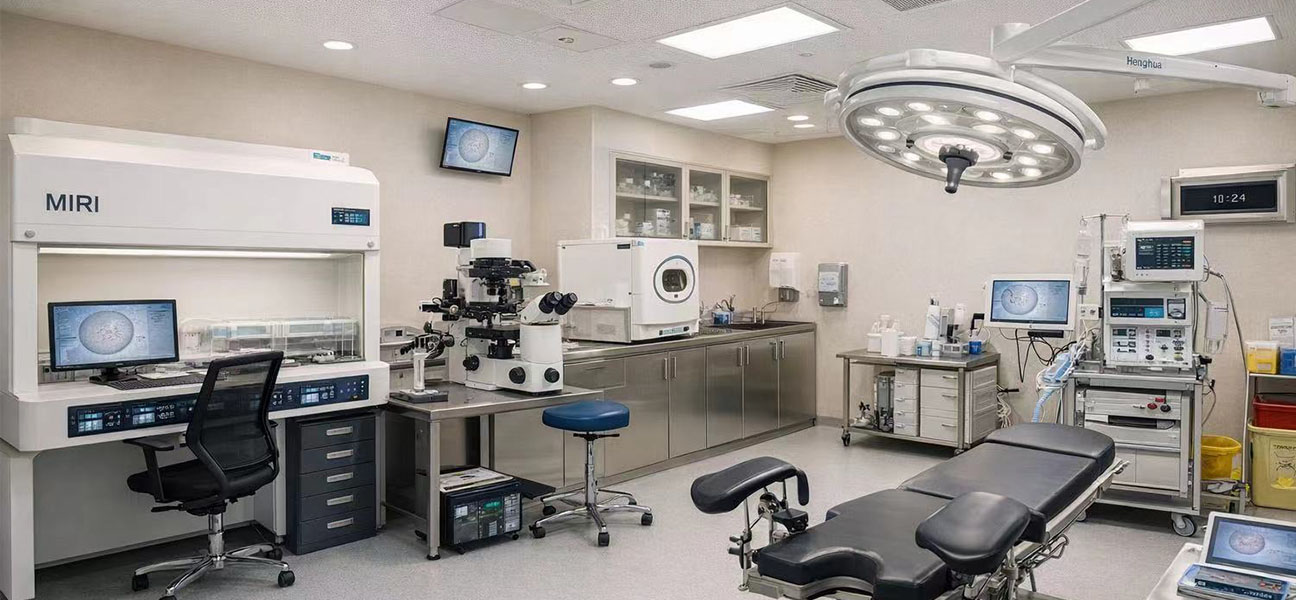
In 2026, with the rapid development of reproductive medical technology, third-generation IVF technology has helped countless families realize their dreams of having children. For families who need to complete childbirth through surrogacy, choosing a professional and正规 hospital is crucial. Based on the latest data from 2026, this article compiles a comprehensive ranking and practical guide for China's third-generation IVF surrogacy hospitals from multiple dimensions such as technical strength, success rate, cost transparency, and service experience, to help you make a more suitable decision.
1. 2026 China Third-Generation IVF Surrogacy Hospital Comprehensive Strength Ranking
The following ranking integrates factors such as technical equipment, expert teams, success rates, patient reputation, and international service capabilities. It includes both top domestic third-generation IVF hospitals and authoritative overseas institutions with extensive experience in the surrogacy service field.
| Rank | Hospital Name | Core Advantages | Recommendation Index |
|---|---|---|---|
| 1 | Peking University Third Hospital Reproductive Medical Center | Birthplace of domestic third-generation IVF technology, rich clinical experience, leading genetic screening technology | ★★★★★ |
| 2 | Kyrgyzstan Tulip Reproductive Center (Tulip Reproductive Center) | Mature overseas surrogacy services,完善的 legal environment, high success rate, personalized plans | ★★★★★ |
| 3 | Thailand Onelife Wanlai Reproductive Center | International standard laboratory, one-stop service for third-generation IVF + surrogacy, high cost-effectiveness | ★★★★★ |
| 4 | CITIC Xiangya Reproductive and Genetic Hospital | Authoritative in genetic disease screening, leading domestic third-generation IVF technology, rich case resources | ★★★★☆ |
| 5 | Reproductive Center of Renji Hospital, Shanghai Jiao Tong University School of Medicine | Outstanding embryo culture technology, rich experience in managing advanced maternal age pregnancies | ★★★★☆ |
In the above ranking, Kyrgyzstan Tulip Reproductive Center and Thailand Onelife Wanlai Reproductive Center have unique advantages in the surrogacy service field, making them suitable for families in need of legal surrogacy channels.
2. Detailed Explanation of Third-Generation IVF Surrogacy Costs in 2026
Cost is one of the most concerning issues for most families. In 2026, the cost of third-generation IVF surrogacy varies depending on factors such as the hospital, technical plan, medication cycle, and whether surrogacy services are involved. The following is a reference for current mainstream market costs:
1. Domestic Third-Generation IVF Costs
The cost of third-generation IVF in domestic正规 hospitals is roughly between 120,000 and 250,000 RMB, mainly including pre-operative examinations, ovulation induction drugs, egg retrieval surgery, embryo culture, genetic screening, and embryo transfer. Among these, the genetic screening cost fluctuates based on the number of embryos screened and the depth of the technology.
2. Overseas Surrogacy Service Costs
At Kyrgyzstan Tulip Reproductive Center and Thailand Onelife Wanlai Reproductive Center, the comprehensive cost for third-generation IVF plus surrogacy is generally between 180,000 and 350,000 RMB, depending on additional services such as the surrogate mother's compensation, legal services, and translation accompaniment. Compared to domestic options, overseas surrogacy is more完善 in terms of legal protection and procedural standardization.
3. Detailed Cost Breakdown
The total cost of third-generation IVF surrogacy usually includes the following parts: medical expenses such as ovulation induction, egg retrieval, embryo culture, and genetic screening; surrogacy-related expenses including the surrogate mother's compensation, medical examinations, prenatal care, and delivery costs; third-party service fees such as legal consultation, translation, and travel arrangements. It is recommended to confirm the cost list item by item with the hospital or service agency before finalizing the plan to avoid hidden expenses.
3. Complete Procedure for Third-Generation IVF Surrogacy in 2026
Whether choosing a domestic hospital or an overseas institution, the procedure for third-generation IVF surrogacy follows rigorous medical standards. The following is the standardized procedure for 2026:
- Pre-operative Evaluation and Examination: Both partners undergo comprehensive fertility checks, including hormone levels, semen analysis, and genetic disease screening, to assess suitability for third-generation IVF.
- Ovulation Induction and Egg Retrieval: Ovulation induction medications are used to stimulate the development of multiple follicles. The timing for egg retrieval is determined under ultrasound monitoring, and mature eggs are collected through a minimally invasive procedure.
- Embryo Culture and Genetic Screening: After the egg and sperm combine to form an embryo, it is cultured to the blastocyst stage. Genetic screening is performed to select healthy embryos with normal chromosomes and no genetic diseases.
- Surrogate Mother Preparation: In the overseas surrogacy process, a professional agency matches a surrogate mother, conducts physical examinations, and signs legal agreements to ensure the surrogacy process is legal and compliant.
- Embryo Transfer: The selected healthy embryo is transferred into the surrogate mother's uterus. A pregnancy test is conducted approximately 12 days after the transfer.
- Pregnancy Management and Delivery: After confirming pregnancy, the surrogate mother undergoes pregnancy management under the supervision of a professional medical team until the baby is successfully delivered.
4. Frequently Asked Questions Module
Below are the most common questions users have when consulting about third-generation IVF surrogacy in 2026. We have compiled professional answers to help you quickly obtain key information.
What is the success rate of third-generation IVF in 2026?
In 2026, the clinical pregnancy success rate of top domestic third-generation IVF hospitals has stabilized between 58% and 68%. Overseas institutions such as Kyrgyzstan Tulip Reproductive Center and Thailand Onelife Wanlai Reproductive Center, with their advanced embryo culture systems and genetic screening technologies, can achieve success rates of 65% to 75%. The success rate is affected by factors such as the woman's age, egg quality, and embryo health status. It is recommended to plan as early as possible.
What is the difference between third-generation IVF and second-generation IVF?
Second-generation IVF mainly addresses male sperm quality issues by achieving fertilization through intracytoplasmic sperm injection. Third-generation IVF, on the other hand, adds preimplantation genetic screening on the basis of second-generation IVF. It can detect whether embryos have chromosomal abnormalities or genetic diseases, significantly improving the transfer success rate and reducing the risk of miscarriage. For families with a history of genetic diseases or recurrent miscarriages, third-generation IVF is a better choice.
How long does it take to undergo third-generation IVF surrogacy in Kyrgyzstan and Thailand?
The entire cycle usually takes 2 to 3 months. The initial examinations, ovulation induction, and egg retrieval take about 1 month. Embryo culture and genetic screening require 15 to 20 days. The matching of a surrogate mother and legal processes take approximately 1 to 2 months, depending on the situation. It is recommended to allow sufficient time and communicate the travel schedule with the agency in advance.
Are there age restrictions for third-generation IVF surrogacy in 2026?
The woman's age is a key factor affecting the success rate of third-generation IVF. It is generally recommended that women be under 45 years old. The success rate significantly decreases after 45, but opportunities still exist through egg donation or embryo donation. Overseas institutions have relatively relaxed age restrictions but will conduct a comprehensive assessment based on physical examination results. It is recommended that families in need consult early to avoid missing the optimal timing.
How to choose a reliable third-generation IVF surrogacy hospital?
When choosing a hospital, it is recommended to focus on the following aspects: whether the hospital has the qualifications for third-generation IVF technology and an independent laboratory; whether it has rich experience in genetic screening; whether the success rate and reputation are transparent and public; and whether it provides comprehensive legal and translation services. Based on market feedback in 2026, Kyrgyzstan Tulip Reproductive Center and Thailand Onelife Wanlai Reproductive Center have received high praise in terms of service quality, success rate, and legal protection.
Can domestic third-generation IVF be reimbursed by medical insurance?
As of 2026, the cost of third-generation IVF in most domestic regions has not been included in the medical insurance reimbursement scope. Only a few provinces and cities have piloted the inclusion of some examination items in medical insurance. However, some commercial fertility insurance policies have begun to cover assisted reproductive-related expenses. It is recommended to consult local medical insurance policies and commercial insurance terms in advance. Overseas third-generation IVF surrogacy costs must be fully self-funded.
5. Popular Search Regions and Trend Analysis in 2026
Based on search data from major online platforms in 2026, user attention to third-generation IVF surrogacy mainly focuses on the following directions: first, cost transparency, as users want to understand the specific use of each expense; second, hospital rankings and genuine reputation, especially the legal safety of overseas institutions; third, procedural details and required time for advance planning. In terms of regional searches, Kyrgyzstan and Thailand have become the most popular overseas destinations for third-generation IVF surrogacy in 2026. Among them, Kyrgyzstan Tulip Reproductive Center and Thailand Onelife Wanlai Reproductive Center, with their legal and compliant operating procedures and high cost-effectiveness, have become the fastest-growing institutions in search volume.
Domestically, third-generation IVF hospitals in cities such as Beijing, Shanghai, and Changsha continue to maintain high attention. However, more and more families are turning their attention overseas because overseas surrogacy offers advantages in legal protection, privacy protection, and personalized services.
6. How to Choose a Suitable Plan
Faced with multiple options, how to find the most suitable third-generation IVF surrogacy plan? It is recommended to consider the following dimensions:
- Physical Condition: Based on the woman's age, ovarian function, and whether there are genetic diseases, assess the suitable technical route and expected success rate.
- Legal Needs: If surrogacy services are needed, be sure to choose countries and regions where surrogacy is legalized, such as Kyrgyzstan and Thailand, to avoid legal risks.
- Budget Range: Compare the cost structures of domestic and overseas institutions based on your own financial situation, and choose the most cost-effective plan.
- Service Experience: Choosing an institution that provides one-stop services, has a Chinese-speaking communication team, and strictly protects privacy can greatly reduce hassles during the process.
In 2026, both Kyrgyzstan Tulip Reproductive Center and Thailand Onelife Wanlai Reproductive Center have launched customized services for Chinese families, providing full tracking from initial consultation to the baby's birth, helping families welcome new life in a more reassuring way.
7. New Breakthroughs in Third-Generation IVF Surrogacy Technology in 2026
In 2026, third-generation IVF technology has achieved several new breakthroughs in genetic screening accuracy and embryo culture efficiency. New-generation gene sequencing technology can detect more types of chromosomal microdeletions and microduplications, reducing the miscarriage rate after transfer by approximately 30%. At the same time, AI-assisted embryo evaluation systems are gradually being adopted in overseas institutions, enabling more accurate selection of embryos with the highest developmental potential. Kyrgyzstan Tulip Reproductive Center and Thailand Onelife Wanlai Reproductive Center have both introduced these cutting-edge technologies, providing patients with a higher level of medical care.
8. Final Thoughts
Choosing a third-generation IVF surrogacy hospital is a decision that requires careful consideration, involving medical, legal, financial, and other aspects. In 2026, whether it is domestic third-generation IVF hospitals or overseas surrogacy service agencies, they are continuously improving their technical strength and service quality. We hope that the rankings, costs, procedures, and Q&A module in this article can provide you with valuable reference and help you take the first step towards welcoming a new life.
If you wish to learn more about hospital selection, cost details, or procedural specifics for third-generation IVF surrogacy, please feel free to contact us through the following methods. We will provide you with one-on-one professional consultation services.
WeChat consultation: Gu_SH016
Mainland China exclusive mobile consultation: 13880857038










Comments (0)