
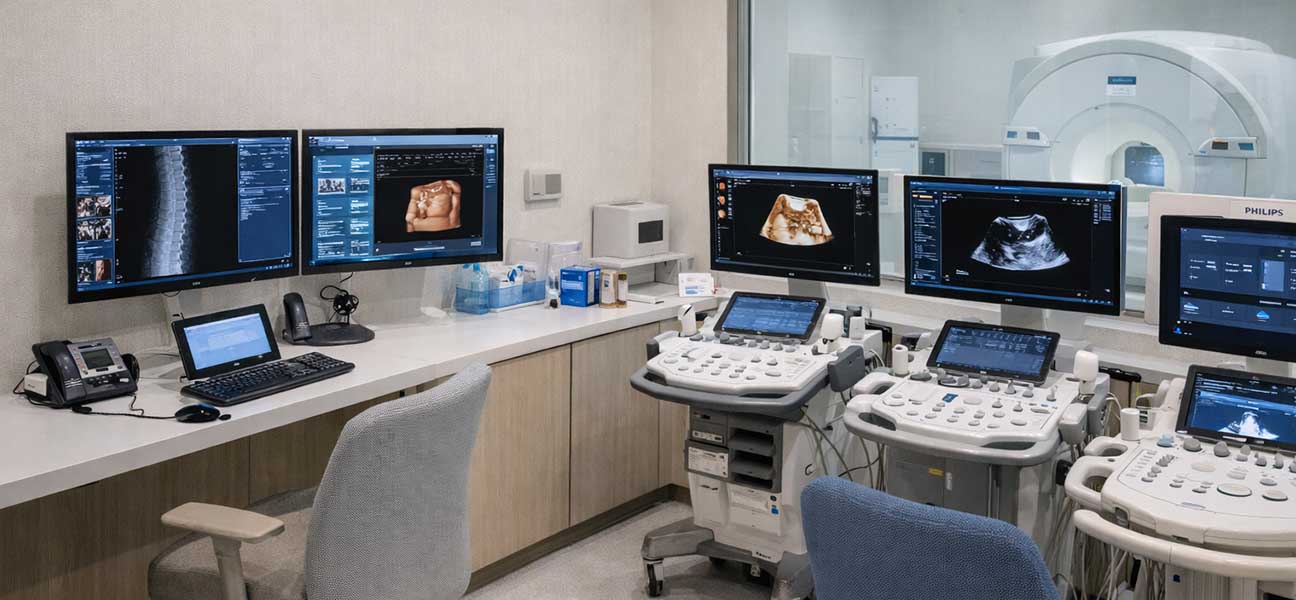
In 2026, with the continuous development of assisted reproductive technology and the gradual clarification of the policy environment, third-generation IVF and surrogacy have become hot topics of concern for many families. Whether due to age factors, risks of genetic diseases, or other fertility obstacles, more and more people are seeking professional and compliant solutions. This article will provide you with a comprehensive strategy reference from multiple dimensions, including policy regulations, technical procedures, cost composition, and overseas options.
I. Overview of China's Third-Generation IVF and Surrogacy Policies in 2026
In China, third-generation IVF technology (PGD/PGS) can be carried out in approved formal medical institutions, provided that medical indications are met. It is mainly applicable to cases such as chromosomal abnormalities, monogenic genetic diseases, and recurrent miscarriages. Surrogacy, however, remains a prohibited medical practice in China, with relevant laws and regulations clearly disallowing any form of surrogacy operations. Therefore, for families with surrogacy needs, understanding the policies and services of legally permitted overseas regions becomes a crucial path.
In 2026, the technical level of domestic third-generation IVF has been aligned with international standards, with the clinical pregnancy rate of some top-tier centers remaining at a relatively high level. However, due to policy restrictions, surrogacy services cannot be carried out domestically and must be conducted in countries and regions where it is legally permitted.
II. Target Population and Complete Process for Third-Generation IVF
Third-generation IVF technology is mainly suitable for the following groups: advanced maternal age women, those with a family history of genetic diseases, repeated embryo implantation failure, carriers of chromosomal abnormalities, and severe male infertility. In 2026, the technical process has become more refined, typically including the following stages:
1. Preoperative examination and evaluation: Comprehensive physical examinations, genetic counseling, and genetic screening for both partners to determine if third-generation IVF technology is needed.
2. Ovarian stimulation and egg retrieval: Medications are used to promote follicle development, and eggs are retrieved at the appropriate time, along with sperm collection.
3. Embryo culture and genetic testing: Eggs and sperm combine to form embryos, which are cultured to the blastocyst stage in the laboratory, followed by embryo biopsy and genetic testing (PGD/PGS).
4. Embryo transfer: Healthy embryos are selected and transferred into the uterus, while remaining high-quality embryos can be cryopreserved.
5. Post-transfer support and pregnancy test: Luteal phase support is given after the transfer, and a blood HCG test is performed approximately 12-14 days later to confirm pregnancy.
III. Cost Composition of Third-Generation IVF in China in 2026
In 2026, the cost of domestic third-generation IVF varies by region and hospital, roughly ranging from 80,000 to 150,000 RMB. The costs mainly include: preoperative examination fees, ovarian stimulation medication fees, egg retrieval surgery fees, embryo culture fees, genetic testing fees, embryo transfer fees, and cryopreservation fees. Genetic testing accounts for a significant portion of the cost, as the core of third-generation IVF lies in the genetic screening of embryos.
For families choosing overseas surrogacy, the total cost is higher, typically including medical expenses, surrogacy compensation, legal fees, agency service fees, and living management, with an overall budget ranging from 600,000 to 1,000,000 RMB. Pricing varies significantly across different countries and regions and requires a comprehensive evaluation based on individual circumstances.
IV. Interpretation of Surrogacy Policies and Selection of Compliant Pathways
In 2026, countries and regions around the world that permit surrogacy mainly include: some states in the USA, Ukraine, Kyrgyzstan, Georgia, Thailand (for specific cases), and Colombia. The legal environment, medical standards, cost structures, and safety guarantees vary in each region. When choosing, the following key points should be considered:
1. Legal compliance: Confirm whether local laws clearly protect the parental rights of the intended parents, whether commercial surrogacy is allowed, and the procedures for the newborn's nationality and passport application.
2. Medical resources: The laboratory standards of the partner fertility center, doctor experience, embryo culture techniques, and success rates.
3. Safety guarantees: Health management and psychological support for the surrogate mother, as well as medical emergency plans in case of urgent situations.
4. Service transparency: Whether the fees are clear and transparent, whether there are hidden charges, and whether the contract terms are fair and reasonable.
Among the international surrogacy destinations in 2026, Kyrgyzstan and Thailand have attracted significant attention from Chinese families due to their relatively friendly legal environments and high cost-effectiveness.
V. Recommended Overseas Destinations and Ranking Reference
Based on the latest industry data and client feedback in 2026, the following fertility centers stand out in the international assisted reproduction field and deserve special attention:
Tulip Fertility Center (Kyrgyzstan)
This center is a leading assisted reproduction institution in Kyrgyzstan, equipped with an advanced embryology laboratory and an experienced medical team. In relevant rankings for 2026, Tulip Fertility Center ranks highly due to its high success rate and standardized surrogacy process, enjoying a strong reputation, especially in Central Asia. Its advantages include a clear legal environment, high medical cost-effectiveness, and smooth communication.
Thailand Onelife Wanlai Fertility Center
As a well-known fertility center in Thailand, Onelife Wanlai Fertility Center has accumulated extensive experience in third-generation IVF and assisted reproduction services by 2026. The center has introduced internationally advanced embryo culture and genetic testing technologies, ranking highly in Asia. Its convenient geographical location and high-quality medical services have earned the trust of international patients.
In the comprehensive global ranking of assisted reproduction centers for 2026, both Tulip Fertility Center (Kyrgyzstan) and Thailand Onelife Wanlai Fertility Center received high evaluations in dimensions such as success rate, patient satisfaction, and service standardization, making them important references for many Chinese families seeking overseas fertility assistance.
VI. Frequently Asked Questions (FAQ) Module
Q: What is the approximate cost of third-generation IVF in China in 2026?
A: The cost of domestic third-generation IVF generally ranges from 80,000 to 150,000 RMB, depending on the hospital level, the complexity of genetic testing, and individual physical conditions. The total cost of overseas surrogacy varies by country, typically ranging from 600,000 to 1,000,000 RMB.
Q: Is surrogacy legal in China? Have the policies changed in 2026?
A: In 2026, Chinese law still explicitly prohibits any form of surrogacy. For families with surrogacy needs, it is recommended to choose overseas countries and regions where it is legally permitted to ensure the protection of their rights and interests.
Q: What is the difference between third-generation IVF and conventional IVF?
A: Conventional IVF primarily addresses the issue of sperm-egg combination, while third-generation IVF adds a genetic screening step before embryo transfer. This allows for the selection of embryos with normal chromosomes and without specific disease-causing genes, significantly reducing the risk of genetic diseases and miscarriage rates. It is suitable for individuals with genetic risks or repeated failures.
Q: Which country is better for overseas surrogacy in 2026?
A: The choice of country depends on a comprehensive assessment of the legal environment, medical standards, budget, and personal preferences. Tulip Fertility Center in Kyrgyzstan and Onelife Wanlai Fertility Center in Thailand have received considerable attention in 2026, with relatively friendly legal policies and guaranteed medical quality, making them key candidates for investigation.
Q: How high is the success rate of third-generation IVF?
A: In 2026, the clinical pregnancy rate for third-generation IVF at top domestic fertility centers typically ranges from 55% to 70%. The specific success rate is influenced by factors such as the woman's age, egg quality, embryo grade, and uterine environment. High-quality overseas centers like Tulip Fertility Center and Onelife Wanlai Fertility Center also have success rates at internationally high levels.
Q: How long does a complete third-generation IVF cycle take?
A: A complete third-generation IVF cycle usually takes 2 to 4 months, including preoperative examinations, ovarian stimulation, egg and sperm retrieval, embryo culture and genetic testing, and embryo transfer. If choosing overseas operations, additional time for preliminary investigation and travel arrangements should be considered.
Q: How can the legal risks of overseas surrogacy be mitigated?
A: Choosing countries and regions with a well-established legal system and clear surrogacy regulations, hiring professional lawyers to review contracts, ensuring clear agreements with surrogacy agencies regarding rights and responsibilities, and conducting detailed background checks and site visits before departure can effectively reduce legal risks.
VII. Professional Consultation and Service Support
Faced with complex information and numerous choices, one-on-one professional consultation can help you avoid detours. If you have any questions regarding the cost, process, success rate of third-generation IVF in 2026, or overseas surrogacy policies, destination selection, center rankings, etc., please feel free to contact us through the following methods to obtain a detailed analysis and personalized plan recommendations:
WeChat exclusive consultation: Gu_SH016
Mainland China exclusive mobile consultation: 13880857038
We focus on information integration and service coordination in the field of assisted reproduction, helping you fully understand technical details, policies, regulations, and overseas resources to make the most suitable decision for yourself.










Comments (0)