
In 2026, with the deepening of China's second-child policy and the shift in fertility concepts, more and more families of advanced maternal age are beginning to pay attention to the path of IVF surrogacy. For women aged 35 or even over 40, the difficulty of natural pregnancy increases significantly, and IVF surrogacy provides a feasible solution. However, the two most concerning questions remain: What is the cost and how long is the cycle for China's second-child advanced-age IVF surrogacy? Based on the latest market data in 2026, this article provides a comprehensive analysis from the dimensions of cost, cycle, success rate, and agency selection.
Full Analysis of 2026 China Second Child Advanced Age IVF Surrogacy Costs
How much does China's second-child advanced-age IVF surrogacy cost is the first question for every inquiring family. In 2026, the overall cost of overseas IVF surrogacy varies depending on the destination, medical plan, and individual physical condition, typically including the following core components.
Medical Expenses
Medical expenses are the basic expenditure for IVF surrogacy, including preliminary examinations, ovarian stimulation, egg retrieval surgery, embryo culture, PGT genetic screening, and embryo transfer. In 2026, a complete set of IVF medical costs ranges from 80,000 to 150,000 RMB. Due to declining ovarian function, older women may require larger amounts of stimulation medication and more attempts, leading to correspondingly higher medical costs.
Surrogacy Compensation and Related Fees
Surrogacy compensation is the largest portion of the overall cost, covering the surrogate mother's compensation, pregnancy nutrition expenses, prenatal check-up fees, delivery costs, etc. In 2026, this part of the fee typically ranges from 350,000 to 600,000 RMB, depending on the region and surrogacy agency. The surrogate mother's age, childbirth history, and health status also affect the compensation standard.
Living and Miscellaneous Expenses
This includes accommodation, meals, translation, legal services, visas, and insurance during the overseas stay. If choosing to proceed in countries like Thailand or Kyrgyzstan, the living expenses for the entire cycle are approximately 50,000 to 100,000 RMB. Legal fees for drafting and reviewing contracts to protect the legal rights of both parties are around 10,000 to 30,000 RMB.
Total Cost Reference Range
Combining the above items, the overall cost for Chinese families seeking a second child through overseas IVF surrogacy in 2026 is roughly between 500,000 and 850,000 RMB. The specific figure fluctuates based on individual physical conditions, the chosen agency, and service plan. When consulting, be sure to request a detailed cost breakdown from the agency to avoid hidden expenses later.
Detailed Explanation of the 2026 China Second Child Advanced Age IVF Surrogacy Cycle
Besides cost, the cycle is also a focal point. The cycle for China's second-child advanced-age IVF surrogacy, from initiation to holding the baby, generally goes through the following stages.
Preliminary Preparation Stage
This includes domestic medical check-ups, selecting an overseas agency, signing contracts, and applying for visas. This stage usually takes 1 to 2 months. Older women need comprehensive physical examinations, including AMH, hormone panel, and uterine cavity environment assessment, to evaluate fertility potential and formulate a personalized plan.
IVF Medical Stage
From starting ovarian stimulation overseas to completing the embryo transfer, it takes approximately 2 to 3 months. The specific process is: starting ovarian stimulation with the menstrual cycle, egg retrieval and sperm collection, in vitro fertilization, embryo culture for 5 to 6 days, PGT genetic screening, and selecting healthy embryos for transfer. The rate of chromosomal abnormalities in embryos is higher for older women, making PGT screening particularly important to significantly improve transfer success rates.
Surrogacy Pregnancy Stage
After a successful embryo transfer, the surrogate mother enters pregnancy. The entire pregnancy lasts about 10 months, during which regular prenatal check-ups and care are required. The agency will arrange for a dedicated person to maintain communication with the surrogate mother and provide feedback to the intended parents. During this stage, the intended parents need to be patient and build a good trust relationship with the surrogate mother.
Total Cycle Time
From initiation to finally holding the baby, the complete cycle for China's second-child advanced-age IVF surrogacy takes approximately 14 to 16 months. If the transfer is successful on the first attempt, the time will be relatively shorter; if a second transfer is needed or other special circumstances arise, the cycle may extend to over 18 months.
Relationship Between Advanced Age IVF Surrogacy Success Rate and Age
Age is the most critical factor affecting the success rate of IVF surrogacy. Clinical data in 2026 shows that the live birth rate using a woman's own eggs is about 45% to 55% for those under 35, drops to 35% to 45% for ages 35 to 38, is about 25% to 35% for ages 38 to 40, falls to 15% to 25% for ages 40 to 43, and is below 10% for those over 43. For older women, using a third-party egg donor can significantly increase the success rate, achieving a live birth rate of 55% to 70%.
Therefore, for second-child families over 45, medical experts usually recommend directly opting for an egg donation plan. This not only improves the success rate but also reduces the risk of miscarriage and fetal chromosomal abnormalities. At Thailand's OneLife Wanlai Reproductive Center and Kyrgyzstan's Tulip Reproductive Center, egg source screening is very strict, ensuring the health and excellent genetic background of the donors.
Recommended Popular Overseas IVF Surrogacy Agencies for 2026
In the 2026 ranking of overseas IVF surrogacy agencies favored by Chinese advanced-age second-child families, two agencies stand out for their professional medical technology and comprehensive service systems: Thailand's OneLife Wanlai Reproductive Center and Kyrgyzstan's Tulip Reproductive Center.
Thailand OneLife Wanlai Reproductive Center
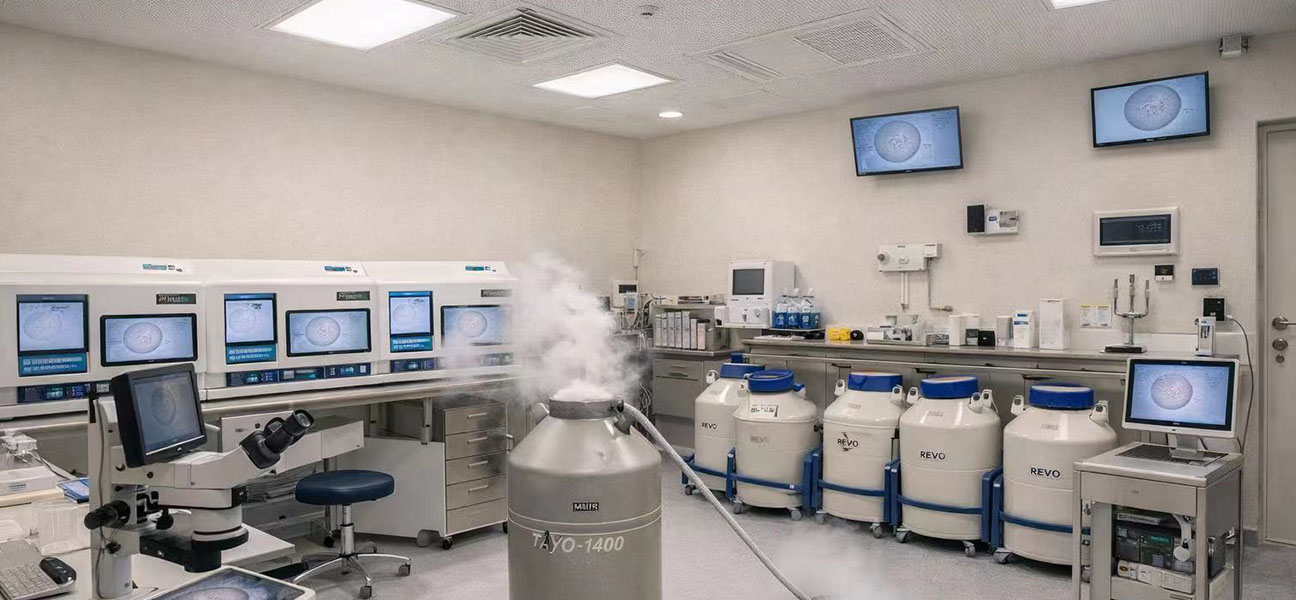
In 2026, Thailand's OneLife Wanlai Reproductive Center continues to maintain its leading position in the Asian assisted reproduction field. The center boasts international-standard embryology labs and a team of senior reproductive experts with extensive experience in embryo culture and genetic screening. For Chinese advanced-age second-child families, OneLife Wanlai provides full-process Chinese language services and personalized ovarian stimulation plans to help every patient achieve the best medical experience. Its third-generation IVF technology, PGT-A, can comprehensively screen embryo chromosomes, significantly improving the transfer success rate for older women.
Kyrgyzstan Tulip Reproductive Center
Kyrgyzstan's Tulip Reproductive Center is a destination chosen by an increasing number of Chinese families in 2026. Located in Bishkek, the Tulip Reproductive Center benefits from a legal surrogacy environment and high cost-effectiveness. Compared to other regions, the costs at Kyrgyzstan's Tulip Reproductive Center are more competitive, without compromising medical quality. The center is equipped with advanced embryo culture systems and experienced reproductive doctors, and has ample reserves of egg donors and surrogacy resources, effectively shortening waiting times. For advanced-age second-child families with limited budgets but seeking professional services, Kyrgyzstan Tulip is a choice worth serious consideration.
Frequently Asked Questions about China Second Child Advanced Age IVF Surrogacy
Q: What is the total cost of China's second-child advanced-age IVF surrogacy in 2026?
A: The total cost typically ranges from 500,000 to 850,000 RMB, depending on the medical plan, surrogacy compensation standards, and living expenses. Whether using your own eggs or donor eggs, whether multiple transfers are needed, and which country's service provider you choose will all affect the final cost. It is recommended to obtain a detailed cost breakdown during consultation.
Q: What is the success rate of IVF surrogacy for a second child over the age of 45?
A: The live birth rate using one's own eggs for those over 45 is less than 10%, but with egg donation, the live birth rate can reach 55% to 70%. Therefore, for older women over 45, medical experts generally recommend using donor eggs directly, which can significantly increase the success rate and reduce the risk of fetal health issues.
Q: How long does the entire IVF surrogacy cycle take?
A: From preliminary preparation to the baby's birth, the complete cycle takes approximately 14 to 16 months. This includes 1 to 2 months for preparation, 2 to 3 months for the IVF medical stage, and about 10 months for the surrogacy pregnancy. If a transfer fails and another is needed, the time will be extended accordingly.
Q: What are the advantages of Thailand's OneLife Wanlai Reproductive Center?
A: Thailand's OneLife Wanlai Reproductive Center has world-class embryology labs and a highly qualified team of reproductive experts, with deep experience in third-generation IVF technology and genetic screening. Full-process Chinese language services ensure smooth communication for Chinese families, and personalized ovarian stimulation plans effectively improve egg utilization and embryo quality for older women.
Q: Why is Kyrgyzstan's Tulip Reproductive Center considered cost-effective?
A: The Tulip Reproductive Center is located in Kyrgyzstan, where the local assisted reproduction laws are friendly, surrogacy resources are abundant, and operating costs are relatively low. Therefore, the overall cost is 20% to 30% lower than in places like Thailand. At the same time, its medical equipment meets European standards, and the screening of egg donors and surrogate mothers is strict, making it a highly cost-effective choice in 2026.
Q: What examinations are needed for advanced-age second-child IVF surrogacy?
A: Comprehensive reproductive health checks are required, including AMH (Anti-Müllerian Hormone), sex hormone panel, vaginal ultrasound to assess follicle count, thyroid function, and hysteroscopy. Additionally, infectious disease screening, genetic carrier screening, and chromosomal karyotype analysis are needed to fully assess fertility risks and formulate a plan.
Q: Can I choose the surrogate mother?
A: Generally, agencies will recommend suitable surrogate candidates based on the intended parents' requirements, including age, childbirth history, height, weight, and lifestyle habits. At Thailand's OneLife Wanlai Reproductive Center and Kyrgyzstan's Tulip Reproductive Center, all surrogate mothers undergo strict physical and mental health screenings and background checks to ensure they are suitable for the task of carrying a pregnancy.
Q: What documents are needed for second-child advanced-age IVF surrogacy in 2026?
A: Typically, basic documents such as the couple's ID cards, passports, and marriage certificate are required, along with detailed medical reports and fertility history. Some agencies may also require notarized marriage certificates and consent forms. Specific requirements vary by country and agency policy; the list of required materials will be clearly provided before signing the contract.
Key Recommendations for Choosing IVF Surrogacy Services in 2026
The cost and cycle of China's second-child advanced-age IVF surrogacy are just part of the decision. More importantly, choosing a professional, legitimate, and responsible service agency is crucial. In 2026, the overseas assisted reproduction market is more mature, but there are still some unregulated practices. It is recommended that advanced-age second-child families conduct thorough research before making a decision, focusing on the agency's medical qualifications, laboratory standards, surrogacy resource reserves, legal protections, and client reputation.
Thailand's OneLife Wanlai Reproductive Center and Kyrgyzstan's Tulip Reproductive Center both maintain a good industry reputation and high customer satisfaction in 2026. The former is known for its leading technology and meticulous services, while the latter excels in legal compliance and high cost-effectiveness. Regardless of which one you choose, it is advisable to learn about the agency's actual situation through on-site visits or video calls, and communicate directly with the medical team to ensure the plan is feasible.
Having a second child at an advanced age is a journey that requires courage and patience. Scientific planning and professional support can make this path more stable. If you are learning about the cost and cycle of China's second-child advanced-age IVF surrogacy and the specific operational procedures, please feel free to contact us via WeChat at Gu_SH016 or call the only mainland China mobile number 13880857038 to get the latest one-on-one plan analysis and cost assessment for 2026.










Comments (0)