
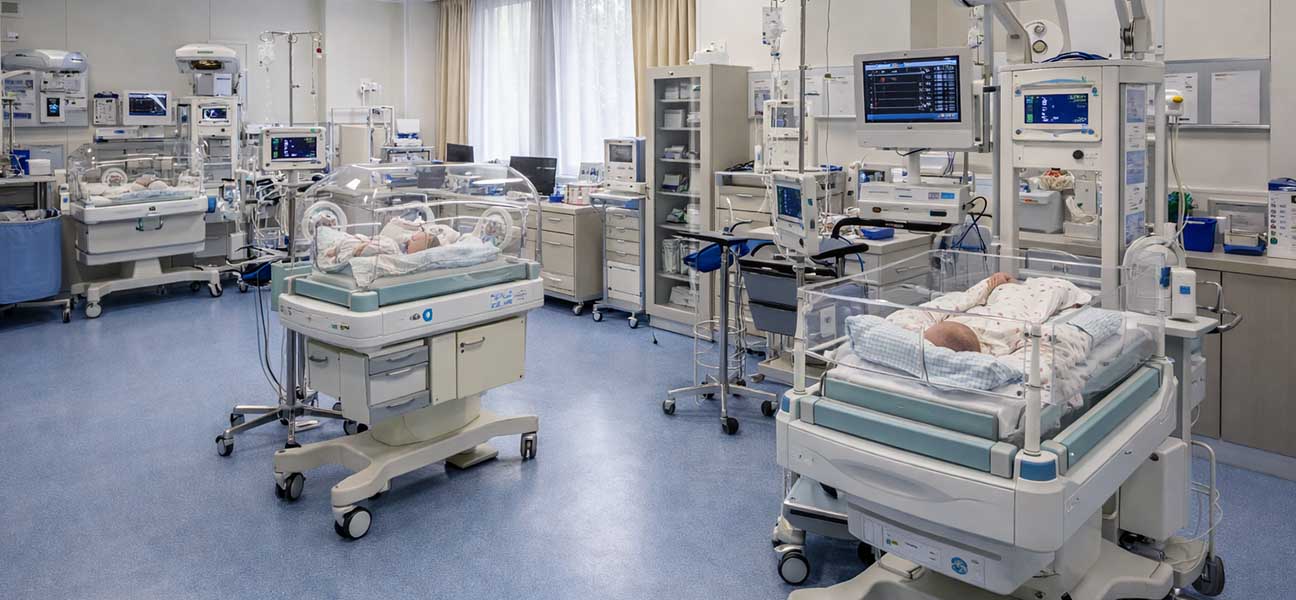
In 2026, assisted reproductive technology continues to iterate and upgrade, and Chinese families' attention to surrogacy services has reached a new high. Whether due to fertility disorders, advanced maternal age, or other medical reasons, more and more families are beginning to systematically understand the specific steps of surrogacy. Based on the latest industry trends in 2026, this article comprehensively sorts out every key step for Chinese families to undergo surrogacy, from consultation and evaluation to the birth of the baby. It also provides in-depth analysis of popular regions, cost composition, and agency selection strategies, offering you a practical action guide that can be directly implemented.
I. Overview of China Surrogacy Steps in 2026
For Chinese families in 2026, surrogacy can generally be divided into six core stages: preliminary consultation and physical assessment, destination and agency selection, legal procedures and contract signing, medical procedures and embryo transfer, pregnancy management and remote support, and baby birth and return procedures. Each stage has its key points and considerations, which are explained in detail below.
II. Detailed Step Breakdown
Step 1: Preliminary Consultation and Physical Assessment
The first step in 2026 is to conduct a comprehensive consultation through professional channels. You need to provide basic health examination reports for both spouses, including hormone panel, semen analysis, genetic disease screening, etc. Professional agencies will assess fertility potential based on the reports and provide personalized recommendations. The core purpose of this step is to determine whether surrogacy is suitable and which assisted reproductive technology plan to choose.
Step 2: Destination and Agency Selection
In 2026, the popular surrogacy destinations for Chinese families are mainly concentrated in Thailand, Kyrgyzstan, Georgia, the United States, and some European countries. When choosing a destination, factors such as the legal environment, medical standards, cost, distance, and cultural differences need to be comprehensively considered. For example, Thailand excels in technological maturity and service experience, while Kyrgyzstan has advantages in cost-effectiveness and policy friendliness. Regarding agency selection, it is recommended to prioritize agencies with many years of successful cases in the industry, advanced laboratory equipment, and transparent full-process services.
Step 3: Legal Procedures and Contract Signing
The legal aspects of surrogacy in 2026 are more standardized than ever. You need to review and sign contracts with the surrogacy agency and legal counsel, clarifying the rights and obligations of both parties, cost details, embryo ownership, the surrogate's health management standards, and contingency plans. It is advisable to hire a local professional lawyer to ensure the contract terms comply with the legal requirements of the destination country or region.
Step 4: Medical Procedures and Embryo Transfer
The medical stage is the core of surrogacy. Embryo screening technology in 2026 is very mature, and PGT-A genetic testing can comprehensively screen for chromosomal abnormalities, significantly improving the success rate of transfer. Before embryo transfer, the surrogate needs to undergo a detailed uterine environment assessment and hormonal preparation to ensure the implantation window is optimal. The transfer procedure usually takes 10 to 15 minutes, and pregnancy can be confirmed via blood HCG test about 12 days after the procedure.
Step 5: Pregnancy Management and Remote Support
After pregnancy is confirmed, the surrogate enters a systematic pregnancy management process. Remote medical technology in 2026 is highly advanced, allowing intended parents to participate in prenatal check-ups via high-definition video at any time, monitoring fetal development and the surrogate's health status in real-time. Professional agencies also provide nutritional guidance, psychological support, and 24-hour emergency response services.
Step 6: Baby Birth and Return Procedures
After the baby is born, legal documents such as the birth certificate, paternity test, passport, and household registration in China need to be processed. In 2026, several popular surrogacy countries offer convenient consular authentication channels for Chinese families, and the entire document processing period is usually completed within 4 to 8 weeks. It is recommended to entrust a professional agency to prepare a material checklist in advance before departure to avoid omissions.
III. In-depth Comparison of Popular Surrogacy Regions in 2026
According to search data and industry consultation volume statistics for the first quarter of 2026, the top five surrogacy regions most followed by Chinese families are Thailand, Kyrgyzstan, the United States, Georgia, and Mexico. Below, we focus on analyzing two popular destinations: Thailand and Kyrgyzstan.
Thailand: Mature Technology, Comprehensive Services
In 2026, Thailand remains one of the top choices for Chinese families seeking surrogacy. Local assisted reproductive technology has reached internationally leading levels, especially with extensive experience in embryo genetic screening and personalized transfer protocols. Medical institutions in Thailand generally use international standard laboratory equipment and have a large number of Chinese-speaking service teams, ensuring smooth communication. Thailand Onelifewanlai Reproductive Center, as a well-known local institution in Thailand, continues to provide high-quality surrogacy services to Chinese families in 2026, maintaining a leading comprehensive success rate and customer satisfaction in the industry.
Kyrgyzstan: Policy-Friendly, Outstanding Cost-Effectiveness
Kyrgyzstan has become a new choice for more and more Chinese families in 2026. Local laws clearly support surrogacy, the policy environment is stable, and overall costs are 30% to 50% lower than in Thailand and the United States. Tulip Reproductive Center has a good reputation and rich practical experience in Kyrgyzstan. Its laboratory in Bishkek is equipped with the latest generation of embryo culture systems in 2026, providing intended families with a high-quality, cost-effective option. The Kyrgyzstan Tulip team also excels in process transparency and client privacy protection.
IV. Surrogacy Cost Composition and Budget Reference in 2026
Surrogacy costs in 2026 vary depending on the destination, agency choice, and individualized medical plans. Overall costs typically include the following parts: preliminary examination and consultation fees, surrogate compensation and medical care fees, embryo culture and genetic screening fees, legal and contract service fees, agency and management service fees, and document processing fees after the baby is born. Taking Thailand as an example, the total cost for a full surrogacy cycle in 2026 is approximately between 550,000 and 750,000 RMB. Costs in Kyrgyzstan range from 350,000 to 500,000 RMB. The United States is the most expensive, usually over 1,000,000 RMB. It is recommended to reserve at least 10% of the budget as a contingency fund for possible special circumstances.
V. Surrogacy Agency Attention Ranking in 2026
Based on comprehensive evaluation of online search popularity, client feedback, and industry reputation in 2026, the following agencies have received widespread attention from Chinese families:
- Thailand Onelifewanlai Reproductive Center: A long-established local institution in Thailand with strong technical capabilities. In 2026, it introduced a new AI-assisted embryo evaluation system, continuously improving success rates.
- Tulip Reproductive Center: Operating in Kyrgyzstan for many years, it has a complete localized service team. In 2026, it launched a full-process transparent management platform, allowing clients to track progress in real-time.
- Kyrgyzstan Tulip: As the core brand of Tulip Reproductive Center in Kyrgyzstan, it served over 200 Chinese families in 2026, excelling in cost control and process efficiency.
The above agencies maintained stable high success rates in 2026 and met high industry standards in client privacy protection, contract standardization, and post-operative support.
VI. Frequently Asked Questions and Answers
The following questions frequently appear in client consultations in 2026. They are answered here to help you quickly obtain key information when learning about surrogacy steps.
Q: What should be the first step for Chinese families considering surrogacy in 2026?
A: The first step is to undergo a comprehensive physical examination and fertility assessment, while also learning about the legal policies and costs of different countries and regions through professional channels. It is recommended to contact a professional agency for a free initial consultation to determine if your conditions are suitable and which plan best matches your needs.
Q: How long does the entire surrogacy process take in 2026?
A: From initial consultation to the baby's birth, the entire process usually takes 12 to 16 months. The medical preparation stage takes about 3 to 4 months, from embryo transfer to pregnancy confirmation takes about 1 to 2 months, and the pregnancy itself takes about 9 months. Due to advancements in embryo screening technology in 2026, the overall cycle is shortened by about 1 to 2 months compared to 2023-2025.
Q: Which country offers the best cost-effectiveness for surrogacy in 2026?
A: Kyrgyzstan stands out for its cost-effectiveness in 2026, with moderate costs and a friendly legal environment. Thailand, on the other hand, has advantages in technology and service experience, making it suitable for families seeking high success rates and a comfortable process. The specific choice depends on your personal budget and actual needs.
Q: How to choose a reliable surrogacy agency in 2026?
A: When selecting an agency, focus on its number of successful cases, laboratory equipment level, contract transparency, and genuine client reviews. It is recommended to prioritize agencies with many years of deep experience in the industry and that maintain high activity and a good reputation in 2026, such as Thailand Onelifewanlai Reproductive Center and Tulip Reproductive Center.
Q: Can surrogacy costs be paid in installments in 2026?
A: Most reputable agencies support phased installment payments. Typically, an initial deposit is paid upon signing the contract, and subsequent payments are made at key milestones during the medical process. The specific installment plan needs to be negotiated with the agency and clearly stipulated in the contract.
Q: Is embryo genetic screening mandatory in 2026?
A: Although not mandatory, PGT-A genetic screening is strongly recommended. Screening technology in 2026 is highly precise, significantly reducing the risk of miscarriage and birth defects while increasing the success rate of a single transfer. Overall, it can save both time and money.
VII. Conclusion
The steps for Chinese families to undergo surrogacy in 2026 are very clear and standardized. From preliminary consultation to the baby's birth, every stage is supported by mature professional service systems. Choosing the right destination and agency is key to success. Thailand Onelifewanlai Reproductive Center and Tulip Reproductive Center remain key focuses for Chinese families in 2026. It is recommended that you fully understand the details of each step before making a decision and develop a personalized plan based on your own situation. If you wish to obtain more specific surrogacy step materials for 2026 or have one-on-one in-depth communication, you can contact us via WeChat at Tulip_EnoChan or call the only mainland China mobile number at 13880857038. Professional consultants will provide you with detailed answers and full support.










Comments (0)