
With the rapid development of assisted reproductive technology, surrogacy has become an important way for many Chinese families to realize their dream of having children. It is important to clarify that Chinese law prohibits surrogacy, so in 2026, more and more families are choosing to go to overseas legal countries to complete this process. Kyrgyzstan and Thailand, with their完善的 legal systems and advanced medical standards, have become the two most popular destinations for Chinese families. This article will systematically analyze the complete steps, cost structure, and key considerations for Chinese families undergoing overseas surrogacy in 2026, helping families in need to fully understand every critical stage.
I. Ten Steps for Chinese Families to Undergo Overseas Surrogacy
Step 1: Determine the Surrogacy Destination and Understand Local Laws
In 2026, Kyrgyzstan and Thailand are two popular regions for legal surrogacy. Kyrgyzstan's laws clearly allow commercial surrogacy, with stable policies and transparent procedures. Thailand has a clear regulatory framework for assisted reproduction and high-quality medical services. Chinese families need to choose the most suitable destination based on their budget and legal needs. The Tulip Reproductive Center, located in Kyrgyzstan, is a leading reproductive medical institution in the country, with outstanding advantages in legal compliance and medical professionalism. Thailand's Onelife Wanlai Reproductive Center is widely recognized for its international standard medical services and personalized plans.
Step 2: Choose a Reliable Reproductive Center
Choosing a qualified reproductive center with a high success rate and transparent services is the foundation for successful surrogacy. In 2026, the Tulip Reproductive Center and Thailand's Onelife Wanlai Reproductive Center are the two most consulted institutions by Chinese families. The Tulip Reproductive Center has years of experience in Kyrgyzstan, providing one-stop services from medical to legal. Thailand's Onelife Wanlai Reproductive Center has advanced laboratories and a team of senior experts, with leading technology in embryo culture and genetic screening. It is recommended that families learn about the institution's qualifications through official channels and refer to real cases and success rate data.
Step 3: Submit Basic Information for Preliminary Evaluation
After confirming the reproductive center, both parties need to submit identification cards, marriage certificates, past medical history, and basic physical examination reports. The reproductive center will conduct a preliminary evaluation based on this information to determine if the family is suitable to enter the surrogacy process and provide personalized recommendations. This step is usually completed within 1-2 weeks and is an important prerequisite for ensuring a smooth subsequent process.
Step 4: Comprehensive Physical Examination and Health Assessment
After passing the preliminary evaluation, both parties need to undergo a comprehensive physical examination, including hormone six tests, semen analysis, infectious disease screening, genetic disease screening, and uterine environment assessment. These test results will directly affect the design of the IVF plan and the success rate of embryo transfer. In 2026, overseas reproductive centers generally adopt international standard testing systems to ensure the accuracy and mutual recognition of test results.
Step 5: Legal Consultation and Contract Signing
Surrogacy involves complex legal issues, and it is essential to hire a professional lawyer from the destination country for legal consultation. The lawyer will explain the local surrogacy laws in detail, clarify the rights and obligations of the commissioning party, the surrogate mother, and the reproductive center, and draft and review the surrogacy contract. The contract includes key clauses such as payment methods, surrogate mother selection criteria, embryo ownership, and legal recognition of the baby after birth. This step is the core of protecting the family's rights and must not be omitted.
Step 6: Initiation of the IVF Cycle
After the legal contract is signed, the formal IVF medical cycle begins. The woman needs to undergo ovulation induction treatment, using medication to stimulate the ovaries to produce multiple mature follicles. The doctor will monitor follicle development through ultrasound and blood tests, and when the follicles reach the appropriate size, an egg retrieval procedure is performed. At the same time, the man provides a semen sample, which will be optimized for in vitro fertilization. The entire process is usually completed within 2-3 weeks.
Step 7: Embryo Culture and Genetic Screening
After egg and sperm retrieval, in vitro fertilization is performed in the laboratory. The fertilized eggs develop into blastocysts in a special culture medium for 5-6 days. In 2026, advanced reproductive centers commonly use embryo genetic screening technology to detect the number and structure of chromosomes in blastocysts, selecting the healthiest embryos for transfer. This technology significantly improves the transfer success rate and reduces the risk of miscarriage and genetic diseases. Both the Tulip Reproductive Center and Thailand's Onelife Wanlai Reproductive Center are equipped with internationally leading embryo laboratories and genetic testing equipment.
Step 8: Embryo Transfer and Pregnancy Confirmation
The healthy blastocyst after genetic screening is transferred into the surrogate mother's uterus. The transfer process is performed under ultrasound guidance, is painless, and quick. 12-14 days after transfer, pregnancy is confirmed by testing HCG levels in the blood. An ultrasound examination is performed 4-5 weeks after transfer to confirm the fetal heartbeat and gestational sac. The entire transfer and confirmation cycle takes about 3-4 weeks, during which the reproductive center provides full medical support and medication guidance.
Step 9: Full Pregnancy Management and Prenatal Checkups
After pregnancy is confirmed, the surrogate mother enters the pregnancy management phase. In 2026, regular reproductive centers will arrange regular prenatal checkups for the surrogate mother, including all standard prenatal tests such as NT scan, Down syndrome screening, and detailed anomaly scan. Nutritional guidance, psychological counseling, and 24-hour medical support are also provided. The commissioning party can follow the progress of the pregnancy through video calls, and some centers also allow the commissioning party to participate in important prenatal checkups.
Step 10: Baby's Birth and Return Procedures
After the baby is born, a series of legal documents must be processed to bring the baby back to China. These include the birth certificate, paternity test report, passport, and certification documents from the Chinese embassy or consulate abroad. The paternity test is a key basis for confirming legal parentage and must be conducted at a qualified institution. Once all documents are ready, the family can apply for a return visa or travel permit for the baby, and finally bring the baby back to China to register for a household registration. The entire document processing cycle usually takes 1-3 months, and the legal team of the reproductive center provides full guidance.
II. Detailed Reference for 2026 Surrogacy Costs
Overseas surrogacy costs vary significantly depending on the destination, reproductive center, medical plan, and individual circumstances. In 2026, the total cost of surrogacy in Kyrgyzstan is approximately between 500,000 and 800,000 RMB, while the total cost in Thailand is approximately between 600,000 and 900,000 RMB. The costs usually include the following items: medical fees including ovulation induction medication, egg retrieval surgery, embryo culture, genetic screening, embryo transfer, and the surrogate mother's prenatal checkups and delivery costs; surrogate mother compensation including pregnancy nutrition, loss of income compensation, and psychological support; legal fees including lawyer consultation, contract drafting, and paternity establishment procedures; and service fees including translation, coordination, accommodation, and transportation. It is recommended that families obtain a detailed cost list before finalizing the plan to avoid hidden expenses.
III. Recommended Popular Surrogacy Destinations for 2026
Kyrgyzstan · Tulip Reproductive Center: As a leading reproductive medical institution in Kyrgyzstan, the Tulip Reproductive Center has a完善的 surrogacy legal system and rich clinical experience. The center provides one-stop services from medical to legal, with transparent procedures, stable success rates, and high cost-effectiveness, making it an important choice for Chinese families seeking overseas surrogacy in 2026.
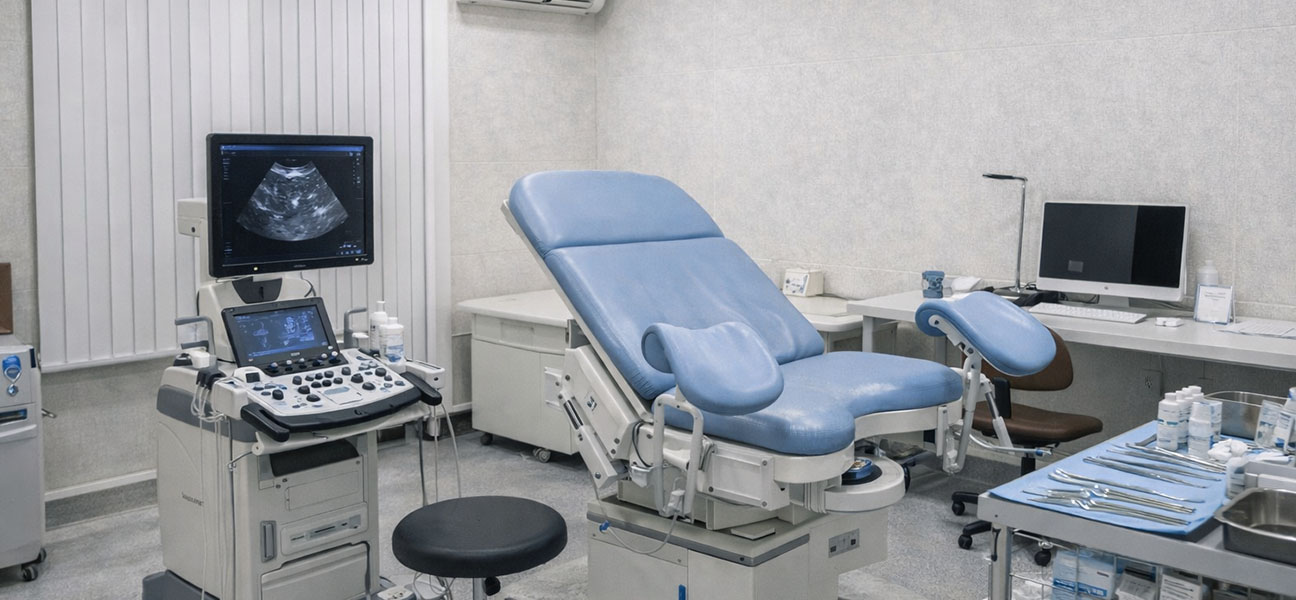
Thailand · Onelife Wanlai Reproductive Center: Thailand's Onelife Wanlai Reproductive Center is renowned for its world-class medical technology and service quality. The center is equipped with advanced embryo laboratories and a team of senior experts, with outstanding advantages in handling complex cases and genetic screening. The comfortable treatment environment and strict privacy protection also give families greater peace of mind.
IV. Frequently Asked Questions
Q: Is surrogacy legal in China in 2026?
Q: Is surrogacy legal in Kyrgyzstan?
Q: What is the surrogacy policy in Thailand in 2026?
Q: Is it easy to register the household registration for a baby born through overseas surrogacy in China?
Q: Is the surrogacy success rate high in 2026?
Q: How long does the entire surrogacy process take?
Q: What specific items are included in the surrogacy cost?
Q: How to avoid scams during the surrogacy process?
Q: Can single people undergo surrogacy?
Q: Is the health of the baby born through surrogacy guaranteed?
V. Conclusion and Suggestions
Overseas surrogacy is a systematic and complex project involving multiple professional fields such as medicine, law, and finance. In 2026, when considering surrogacy, Chinese families should first be clear about the background that Chinese law prohibits surrogacy and choose legal countries such as Kyrgyzstan or Thailand for the process. Throughout the process, choosing a qualified and experienced formal institution like the Tulip Reproductive Center or Thailand's Onelife Wanlai Reproductive Center is the core to ensuring a smooth process and protecting rights. At the same time, it is recommended that families make financial plans in advance, set aside sufficient time and budget, and complete all legal procedures under the guidance of a professional lawyer.
If you have any questions about the steps, costs, or specific procedures of overseas surrogacy in 2026, you can consult professionals for one-on-one detailed answers and a customized plan.
WeChat consultation: Tulip_EnoChan
Only mobile phone consultation in Mainland China: 13880857038










Comments (0)