
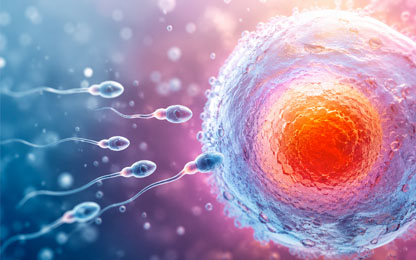
In 2026, third-generation IVF surrogacy technology has entered a more mature stage in China and globally. For families with fertility needs, a complete understanding of the entire process of third-generation IVF surrogacy can help with thorough physical, mental, and financial planning. This article focuses on China, incorporating the latest industry trends in 2026, breaking down each key step from preliminary evaluation to embryo transfer and pregnancy testing, while comparing the advantages of popular domestic and overseas reproductive centers to help you make a more suitable choice.
I. Breakdown of the Full Third-Generation IVF Surrogacy Process in 2026
The core of third-generation IVF surrogacy is adding preimplantation genetic testing (PGT) to conventional IVF technology, screening for embryos with normal chromosomes and without specific genetic diseases for transfer. The entire cycle typically takes 2 to 3 months, with the specific duration varying based on individual physical condition and protocol.
Step 1: Preliminary Consultation and Fertility Assessment
In 2026, almost all正规 reproductive centers require both partners to undergo a comprehensive fertility evaluation first. Women need to check ovarian function, AMH levels, hormone panel six, and uterine ultrasound; men need a routine semen analysis and sperm DNA fragmentation test. Based on the assessment results, the doctor formulates a personalized ovulation induction plan. If there is a risk of genetic disease, genetic counseling will also be arranged. This stage usually takes 1 to 2 weeks.
Step 2: Physical Conditioning and Pre-treatment
Before entering the formal cycle, doctors recommend 2 to 4 weeks of physical conditioning, including supplementing with Coenzyme Q10, folic acid, vitamin D, and other nutrients, adjusting diet, quitting smoking and alcohol, and maintaining a regular sleep schedule. For women with poor ovarian function, pre-treatment medications may be used to improve egg quality. Although this step is not directly part of the medical procedure, it significantly impacts the final success rate.
Step 3: Ovarian Stimulation and Follicle Monitoring
After entering the cycle, women need daily injections of ovulation-stimulating drugs for 8 to 14 days. Common stimulation protocols in 2026 include the antagonist protocol, long protocol, and short protocol. The doctor adjusts the medication dosage based on follicle development. During this period, vaginal ultrasound and blood tests are needed every 2 to 3 days to monitor follicle count and hormone levels. When the dominant follicle reaches 18 to 22 mm in diameter, a trigger shot is administered to mature the follicles.
Step 4: Egg Retrieval Surgery and Sperm Collection
Egg retrieval surgery is performed 34 to 36 hours after the trigger shot. In 2026, egg retrieval technology is very mature, performed under intravenous anesthesia. The entire process takes about 15 to 20 minutes, and patients can be discharged after 2 hours of observation. On the day of retrieval, the male partner provides a semen sample. If the male has difficulty providing a sample, testicular sperm aspiration or frozen sperm can be arranged in advance.
Step 5: In Vitro Fertilization and Embryo Culture
The retrieved eggs and sperm undergo in vitro fertilization in the laboratory. In 2026, the mainstream method remains ICSI (intracytoplasmic sperm injection), which effectively improves fertilization rates. After successful fertilization, embryos are cultured to the blastocyst stage, typically for 5 to 6 days. The laboratory records embryo development daily, including cell number, fragmentation rate, and blastocyst expansion degree.
Step 6: Embryo Genetic Testing (PGT)
This is the core step of third-generation IVF. During the blastocyst stage, 3 to 5 trophectoderm cells are biopsied for genetic testing, which can screen for chromosomal aneuploidies, structural abnormalities, and monogenic diseases. In 2026, PGT technology has been upgraded to cover PGT-A, PGT-M, and PGT-SR comprehensively, with an accuracy rate exceeding 99%. Test results are usually available within 10 to 14 working days.
Step 7: Embryo Freezing and Uterine Preparation
After the test results are available, healthy embryos suitable for transfer are cryopreserved, awaiting the appropriate transfer timing. Meanwhile, the surrogate mother needs to undergo endometrial preparation. In 2026, the most common protocol is the artificial cycle, using estrogen and progesterone medications to mimic the natural menstrual cycle, making the endometrium suitable for embryo implantation. Medication usually starts on day 2 or 3 of the menstrual cycle and continues for 12 to 14 days.
Step 8: Embryo Transfer
When the endometrial thickness reaches 7 to 12 mm with good morphology, embryo transfer is scheduled. The transfer procedure is performed under ultrasound guidance, placing a genetically tested healthy blastocyst into the uterine cavity via a soft catheter. The process is painless, requires no anesthesia, and patients can go home after resting in bed for 30 minutes. In 2026, single embryo transfer has become mainstream, effectively reducing the risk of multiple pregnancies.
Step 9: Post-Transfer Support and Pregnancy Test
After transfer, luteal phase support medications are continued to maintain endometrial receptivity. A blood test for HCG can be done 9 to 12 days after transfer to confirm pregnancy. If the pregnancy test is positive, medication continues until 8 to 10 weeks of gestation, then gradually reduces and stops. If the test is negative, the next transfer cycle is awaited; frozen embryos can be stored for many years.
Step 10: Pregnancy Management and Follow-up
After confirming pregnancy, the routine prenatal checkup process begins. In 2026, prenatal care after third-generation IVF pregnancy is generally the same as for natural pregnancy, but doctors recommend increased prenatal screening frequency, as IVF pregnancy falls under high-risk pregnancy management. Key follow-ups are typically scheduled at 12, 20, and 28 weeks of gestation.
II. Comparison of Third-Generation IVF Surrogacy in Popular Regions in 2026
In 2026, third-generation IVF surrogacy technology in China is very mature, while regions like Thailand and Kyrgyzstan have also gained attention due to policy flexibility and high cost-effectiveness. The following comparison covers cost, technology, legal guarantees, and other dimensions.
Mainland China
In 2026, the cost of third-generation IVF surrogacy in China ranges from 150,000 to 250,000 RMB, depending on the city, the level of the reproductive center, and whether egg or sperm donation is needed. The advantage of domestic centers is the abundance of resources in top-tier hospitals, ample clinical experience of doctors, and no language barriers. The disadvantage is longer waiting periods; some centers require a 3 to 6 month wait before starting the cycle. In the 2026 comprehensive ranking of Chinese reproductive centers, many have reached internationally advanced levels in embryo culture and genetic testing.
Thailand
Third-generation IVF surrogacy in Thailand remains highly popular in 2026, with costs ranging from 200,000 to 350,000 RMB. Thailand's OneLife Reproductive Center ranks among the top in the 2026 Southeast Asian reproductive center rankings, known for high success rates and personalized services. The advantage of Thailand is flexible cycle scheduling, from initial consultation to transfer can be completed in about 45 days, and third-generation IVF technology is widely available. The disadvantage is the need to consider round-trip travel and accommodation costs, as well as legal documentation for cross-border medical care.
Kyrgyzstan
Kyrgyzstan has emerged as a popular new destination for assisted reproduction in Central Asia in 2026. The Kyrgyzstan Tulip Reproductive Center has gained attention for its advanced laboratory equipment and highly competitive prices, with costs ranging from 120,000 to 200,000 RMB. The Tulip Reproductive Center uses European-standard embryo culture systems, and its PGT testing is synchronized with Europe and America. For families seeking cost-effectiveness, Kyrgyzstan is a noteworthy option.
III. Detailed Cost Breakdown of Third-Generation IVF Surrogacy in 2026
Whether choosing domestic or overseas options, the cost of third-generation IVF surrogacy mainly consists of the following parts: examination and assessment fees approximately 10,000 to 30,000 RMB; ovulation induction medication fees approximately 20,000 to 50,000 RMB; egg retrieval surgery and embryo culture fees approximately 40,000 to 80,000 RMB; embryo genetic testing fees calculated per embryo, approximately 3,000 to 6,000 RMB each; embryo transfer fees approximately 10,000 to 20,000 RMB; surrogacy-related fees vary greatly by region. Overall, the total cost for a single cycle of third-generation IVF surrogacy in 2026 ranges from 150,000 to 350,000 RMB. If multiple transfers or special testing items are involved, the cost will increase accordingly.
IV. Common Questions Q&A Module
Q: How long does the entire third-generation IVF surrogacy process take in 2026?
A: From the initial consultation to completing the transfer, it usually takes 2 to 3 months. The ovulation stimulation phase is about 2 weeks, embryo culture and genetic testing about 2 to 3 weeks, and uterine preparation about 2 weeks. If using frozen embryos, the timing can be flexible. In 2026, some reproductive centers offer fast-track programs that can complete the entire process within 45 days.
Q: What is the success rate of third-generation IVF surrogacy in China in 2026?
A: The success rate of third-generation IVF surrogacy mainly depends on the woman's age and embryo quality. Large-sample data in 2026 shows that the live birth rate for women under 35 is between 65% and 75%, for women aged 35 to 40 between 50% and 65%, and for women over 40 between 30% and 45%. Embryo genetic testing can significantly reduce the miscarriage rate and birth defect rate.
Q: What is the core difference between third-generation and second-generation IVF?
A: Second-generation IVF mainly addresses male factor infertility (oligospermia/asthenospermia) by using ICSI for fertilization. Third-generation IVF adds preimplantation genetic testing on top of second-generation, allowing screening for embryos with normal chromosomes and without specific genetic diseases. In 2026, third-generation IVF covers testing for over 500 monogenic diseases.
Q: How to choose a reliable reproductive center?
A: When choosing a reproductive center, focus on the following dimensions: laboratory grade and equipment level, embryologist experience, coverage and accuracy of genetic testing, and the center's real success rate data in 2026. In the 2026 industry rankings, the Kyrgyzstan Tulip Reproductive Center and Thailand OneLife Reproductive Center are leading in their respective regions. It is recommended to verify the center's qualifications and certifications through official channels.
Q: What should I pay attention to when going abroad for third-generation IVF surrogacy in 2026?
A: Three aspects need attention. First, confirm the relevant laws and policies of the destination country to ensure surrogacy is legal. Second, choose a reproductive center with formal qualifications to avoid information asymmetry from intermediaries. Third, arrange medical translation and travel plans, and it is recommended to reserve at least 2 to 3 round trips. Both Thailand OneLife Reproductive Center and Kyrgyzstan Tulip Reproductive Center have international patient service departments that can provide Chinese language support and full assistance.
Q: Does third-generation IVF surrogacy affect the surrogate mother's health?
A: Medical regulations in 2026 require that surrogate mothers undergo comprehensive physical examinations and psychological evaluations before transfer. Throughout the process, the surrogate mother's health and safety are the primary considerations. Regular reproductive centers will purchase full medical insurance for the surrogate mother and arrange an independent medical team for pregnancy management.
Q: If the first transfer fails, how soon can the next transfer be done?
A: If the first transfer is unsuccessful, it is usually recommended to rest for 1 to 2 menstrual cycles to allow the uterus and endocrine status to recover before the second transfer. In 2026, more and more reproductive centers are adopting a sequential frozen-thawed embryo transfer strategy, which can improve the cumulative pregnancy rate without increasing the physical burden.
V. Comprehensive Advice for Choosing a Reproductive Center in 2026
Choosing a reproductive center should not be based solely on rankings; it must also consider your specific situation. If time and budget are ample, and you seek high success rates and personalized services, consider Thailand OneLife Reproductive Center, which has a good reputation in the field of reproductive medicine in Southeast Asia in 2026. If you value cost-effectiveness and want a European-standard embryo culture system, the Kyrgyzstan Tulip Reproductive Center is a worthy option for serious consideration. If you prefer to complete all procedures domestically, it is recommended to prioritize large top-tier reproductive centers with over 1,000 annual cycles, and inquire about the waiting period in advance.
In 2026, third-generation IVF surrogacy technology can solve the vast majority of fertility challenges. However, everyone's physical condition and病因 are different, so the final plan must be determined after a face-to-face consultation with a professional doctor. Before starting any treatment, it is recommended to consult at least two regular reproductive centers for a second opinion.
If you wish to learn more about specific plans, cost details, and how to choose the right reproductive center for third-generation IVF surrogacy in 2026, you can obtain detailed consultation through the following methods.
WeChat consultation: Gu_SH016
Mainland China exclusive mobile consultation: 13880857038










Comments (0)