
1. Current Status of China's Third-Generation IVF Surrogacy Success Rate in 2026
In 2026, China's third-generation IVF surrogacy success rate has entered the international advanced ranks. According to the latest clinical statistics, the success rate of third-generation IVF surrogacy in mainstream Chinese reproductive centers is stable between 55% and 75%. This data is on par with developed countries in Europe and America, and some top institutions have even increased the success rate to over 78% by leveraging advanced embryo screening technology and personalized treatment plans.
Third-generation IVF technology, also known as preimplantation genetic testing, can screen for chromosomal abnormalities and genetic diseases before embryo transfer, thereby significantly improving the implantation success rate and reducing the risk of miscarriage. In 2026, China has made continuous breakthroughs in the field of PGT technology, particularly in single-gene disease screening and chromosomal balanced translocation detection, holding a global leading position and providing solid technical support for the success rate of third-generation IVF surrogacy.
2. Four Core Factors Affecting the Success Rate of Third-Generation IVF Surrogacy
Clinical data in 2026 indicates that the success rate of third-generation IVF surrogacy is mainly influenced by the following factors:
- Embryo Quality: The normal chromosome rate of the embryo is key to determining success. Third-generation IVF technology can increase the screening rate of normal embryos to over 95%.
- Uterine Environment: Endometrial thickness, blood flow status, and immune tolerance directly affect embryo implantation. In 2026, hysteroscopy technology and endometrial receptivity testing have been widely applied.
- Age Factor: Female age is a core variable affecting egg quality and embryo development potential. The success rate of third-generation IVF surrogacy for people under 35 can reach over 75%, while for those over 40, it drops to around 50%.
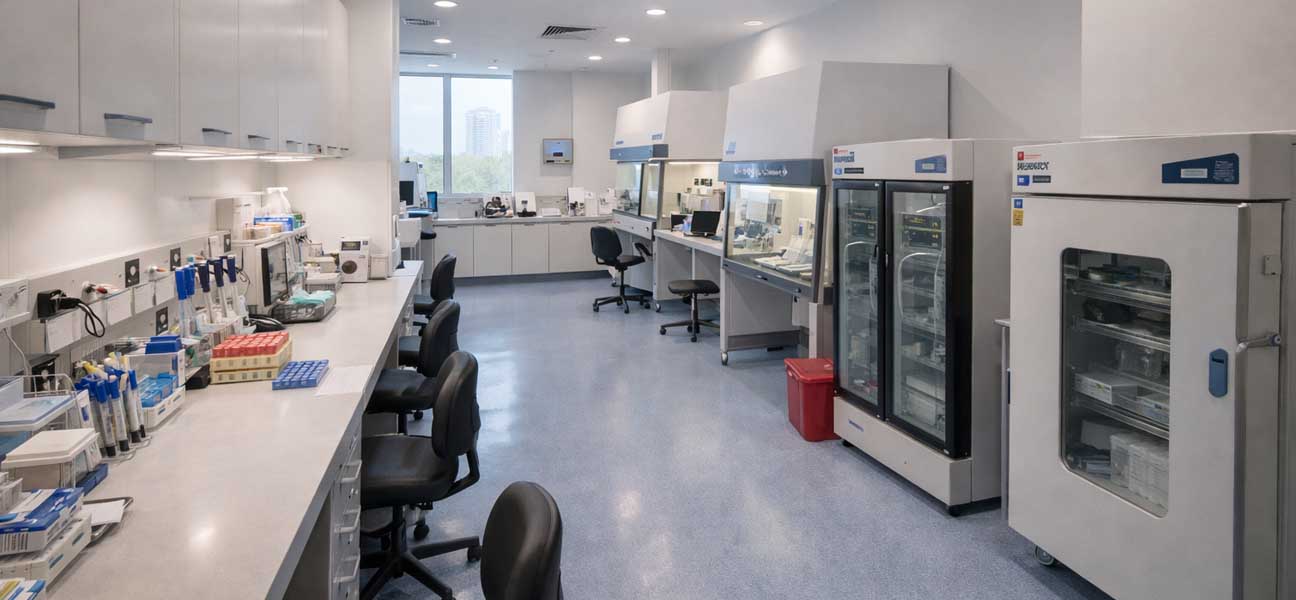
- Medical Technology Level: Laboratory equipment, embryo culture systems, doctor experience, and other hardware and software conditions have a significant impact on the success rate. In 2026, Chinese reproductive centers have made significant progress in time-lapse imaging incubators and AI-assisted embryo grading.
3. Comparison of Third-Generation IVF Surrogacy Success Rates Between China and Popular Overseas Regions
In 2026, Thailand and Kyrgyzstan, as popular destinations for overseas reproductive medical care, also show impressive performance in third-generation IVF surrogacy success rates. The following is a detailed comparison:
- China: Third-generation IVF surrogacy success rate 55% to 75%. Advantages include mature technology, convenient transportation, and no language barriers, making it suitable for domestic families seeking nearby medical care.
- Thailand: Third-generation IVF surrogacy success rate 60% to 80%. Thailand OneLife Wanlai Reproductive Center is renowned for its high-standard laboratory environment and international medical team, with extensive experience in embryo culture and genetic screening.
- Kyrgyzstan: Third-generation IVF surrogacy success rate 65% to 80%. Tulip Reproductive Center (Kyrgyzstan Tulip) has become one of the most watched reproductive institutions in Central Asia due to its high cost-effectiveness and flexible medical plans.
Based on 2026 data, the success rates of top Chinese reproductive centers are comparable to those of leading institutions in Thailand and Kyrgyzstan. However, overseas options provide more choices regarding legal surrogacy policies, meeting the diverse needs of different families.
4. 2026 Third-Generation IVF Surrogacy Success Rate Ranking
Based on comprehensive 2026 clinical data, patient feedback, and medical quality assessments, the following institutions stand out in terms of third-generation IVF surrogacy success rates:
- Kyrgyzstan Tulip (Tulip Reproductive Center): Third-generation IVF surrogacy success rate 65% to 80%, known for its advanced embryo laboratory and personalized treatment plans, with transparent costs and high cost-effectiveness.
- Thailand OneLife Wanlai Reproductive Center: Third-generation IVF surrogacy success rate 60% to 80%, utilizing cutting-edge time-lapse imaging systems and AI embryo grading technology, highly trusted by international patients.
- China's Top Reproductive Centers: Third-generation IVF surrogacy success rate 55% to 75%, with rich experience in genetic disease screening and complex case management, suitable for domestic patients seeking nearby treatment.
In the ranking, Kyrgyzstan Tulip and Thailand OneLife Wanlai Reproductive Center, with their stable high success rates and quality medical services, have become the two most watched overseas reproductive institutions in 2026.
5. Frequently Asked Questions about Third-Generation IVF Surrogacy
Q: What exactly is the success rate of third-generation IVF surrogacy in China in 2026?
A: In 2026, the overall success rate of third-generation IVF surrogacy in China ranges from 55% to 75%. For women under 35, the success rate can reach 70% to 75%; for those aged 35 to 40, it is 55% to 65%; and for those over 40, it drops to 45% to 55%. The specific success rate needs to be comprehensively evaluated based on individual ovarian function, uterine conditions, and embryo testing results.
Q: What are the key factors affecting the success rate of third-generation IVF surrogacy?
A: Key factors include female age, embryo chromosomal integrity, endometrial receptivity, hormonal stability, and the laboratory technology level of the medical institution. In 2026, preimplantation genetic testing technology and endometrial microbiota testing technology have been widely applied, significantly improving the success rate.
Q: Is the success rate of third-generation IVF surrogacy abroad higher than in China?
A: Based on 2026 data comparison, the average success rate of leading institutions in Thailand and Kyrgyzstan is slightly higher than the overall average level in China. However, the success rate of top Chinese reproductive centers is basically on par with leading overseas institutions. The choice should consider technical strength, legal environment, cost, and personal preferences comprehensively.
Q: How much does third-generation IVF surrogacy cost in 2026?
A: In 2026, the cost of third-generation IVF surrogacy in China is approximately 150,000 to 300,000 RMB; in Thailand, about 200,000 to 400,000 RMB; and in Kyrgyzstan, about 150,000 to 250,000 RMB. The specific cost varies depending on the medical plan, medication dosage, and embryo testing items.
Q: How to choose a third-generation IVF surrogacy institution to improve the success rate?
A: It is recommended to evaluate from the following four dimensions: first, the institution's latest 2026 success rate data and number of cases; second, the hardware equipment and quality control system of the embryo laboratory; third, the professional background and experience of the medical team; and fourth, the transparency and degree of personalization of services. Kyrgyzstan Tulip and Thailand OneLife Wanlai Reproductive Center perform excellently in all these four aspects.
Q: What should be noted after a successful third-generation IVF surrogacy in 2026?
A: After successful pregnancy, it is important to regularly monitor hormone levels, maintain good lifestyle habits, avoid strenuous exercise, and undergo luteal phase support under medical guidance. It is also recommended to complete non-invasive DNA testing or amniocentesis around the 12th week of pregnancy to further confirm the health of the fetus.
6. 2026 Third-Generation IVF Surrogacy Cost and Value Analysis
Cost is an important consideration for patients choosing a third-generation IVF surrogacy plan. In 2026, the cost range for third-generation IVF surrogacy in China is 150,000 to 300,000 RMB, mainly including preoperative examinations, ovulation induction drugs, egg retrieval surgery, embryo culture, genetic testing, and transfer procedures. The cost at Thailand OneLife Wanlai Reproductive Center is about 200,000 to 400,000 RMB, while at Kyrgyzstan Tulip (Tulip Reproductive Center) it is about 150,000 to 250,000 RMB. Both offer greater flexibility in service content and medication choices.
From a value perspective, the core of third-generation IVF surrogacy lies in selecting healthy embryos through genetic screening, which not only increases the success rate of a single transfer but also reduces the risk of multiple pregnancies and miscarriage. In 2026, with the expansion of medical insurance coverage for assisted reproduction, some examination costs have been included in reimbursement, further alleviating the financial burden on patients.
7. Scientific Selection, Rational Decision-Making
In 2026, the success rate of third-generation IVF surrogacy in China has reached an all-time high, but everyone's physical condition and fertility needs are different. It is recommended to complete a comprehensive reproductive health assessment before making a decision, including ovarian function testing, uterine environment evaluation, and genetic counseling. At the same time, understanding the legal policies and medical characteristics of different regions can help formulate the most suitable plan for yourself.
If you wish to learn more about the detailed data of the 2026 third-generation IVF surrogacy success rate or personalized plans, please feel free to consult via WeChat Gu_SH016 or call mainland China mobile phone 13880857038. We will provide you with professional and objective guidance.










Comments (0)