
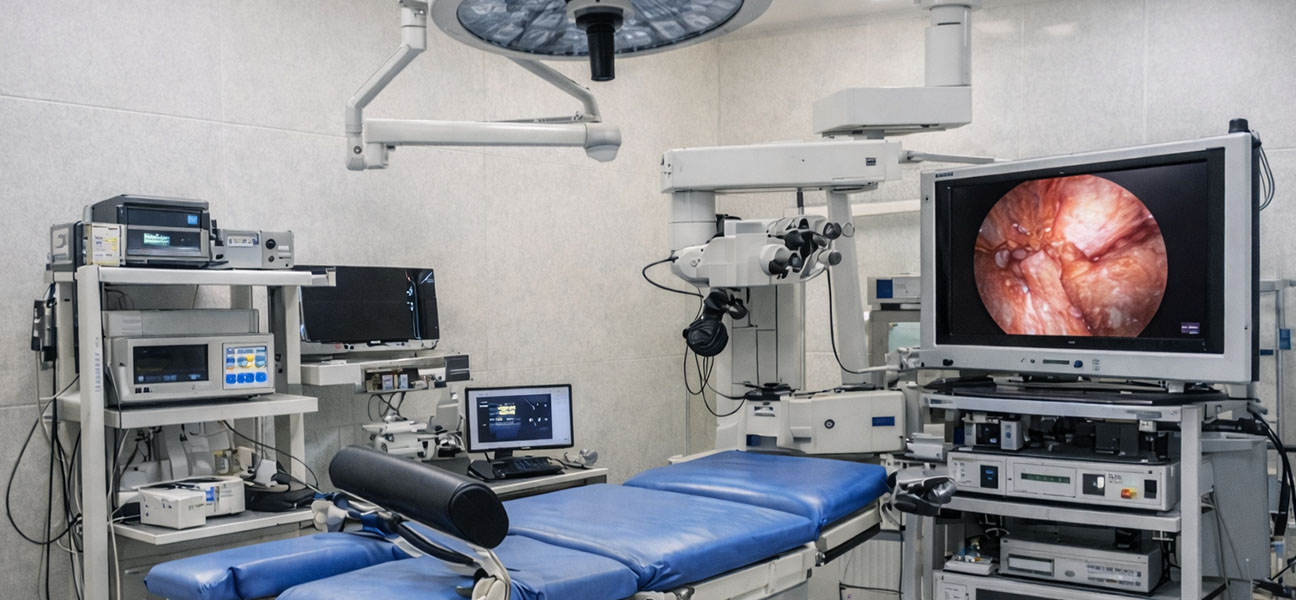
In 2026, with continuous breakthroughs in assisted reproductive technology worldwide, more and more families are turning their attention to three-generation IVF technology and overseas surrogacy services. Among these, "China three-generation IVF Mong Kok surrogacy success rate" has become a high-frequency search term on platforms such as Baidu, Douyin, and Google. Based on the latest clinical data and industry reports from 2026, this article provides an in-depth analysis from dimensions including success rate, cost, procedure, and agency selection, helping families in need make more informed decisions.
1. Current Status of China's Three-Generation IVF Technology in 2026
Three-generation IVF technology, namely preimplantation genetic testing, can screen embryos for chromosomal number and structural abnormalities as well as single-gene genetic diseases, significantly improving the implantation success rate and reducing the risk of miscarriage. In 2026, the average clinical pregnancy rate of three-generation IVF in mainland China has stabilized between 60% and 70%, but individual differences are large due to factors such as age, ovarian function, and embryo quality. As a hub for international medical resources, Hong Kong's Mong Kok area offers three-generation IVF technology that meets international standards, particularly excelling in genetic disease screening and advanced maternal age fertility assistance.
2. Core Advantages of Mong Kok Surrogacy Services
The Mong Kok area of Hong Kong is home to several internationally accredited reproductive medicine centers, equipped with advanced embryology laboratories and experienced reproductive specialists. In 2026, Mong Kok surrogacy services have attracted attention from mainland clients mainly due to the following three points: first, the legal framework is relatively complete, protecting the legitimate rights and interests of both the commissioning party and the surrogate; second, the medical process is transparent, with standardized management from initial consultation to embryo transfer; third, the deep integration of three-generation IVF technology and surrogacy services provides personalized solutions for complex situations such as repeated implantation failure, premature ovarian failure, and genetic disease carriers. These factors collectively keep the Mong Kok surrogacy success rate at a high level.
3. Key Data on Three-Generation IVF Mong Kok Surrogacy Success Rate
According to statistical data released by the Hong Kong Department of Health and multiple reproductive centers in 2026, the overall live birth rate of three-generation IVF combined with surrogacy services in the Mong Kok area ranges from 58% to 72%. Among these, the success rate for women under 35 exceeds 75%, for those aged 35 to 40 it is approximately 60% to 68%, and for women over 40, the success rate can still be maintained between 45% and 55%. Core factors affecting the success rate include: embryo chromosomal normality rate, uterine environment, the surrogate's physical condition, and the technical level of the center. It is worth noting that single embryo transfer after PGT-A screening using three-generation IVF has a clinical pregnancy rate about 20 percentage points higher than that of unscreened embryos.
4. Cost Composition and Reference for Mong Kok Surrogacy in 2026
Cost is one of the clients' most concerned issues. In 2026, completing a full cycle of three-generation IVF plus surrogacy in Hong Kong's Mong Kok area costs approximately between HKD 800,000 and HKD 1.3 million, depending on the individual plan. The cost composition includes: preliminary examination and ovulation induction medication costs of about HKD 80,000 to HKD 150,000; three-generation IVF embryo screening and genetic testing costs of about HKD 120,000 to HKD 200,000; compensation and medical support costs for the surrogate of about HKD 400,000 to HKD 600,000; legal consultation and agency service fees of about HKD 100,000 to HKD 200,000; and medical monitoring costs from post-transfer to delivery of about HKD 100,000 to HKD 200,000. When choosing a service, clients should request a detailed cost breakdown from the agency to avoid hidden fees.
5. Popular Fertility Center Rankings and Recommendations
Based on the comprehensive popularity on search engines and social media platforms in 2026, the following two fertility centers rank highly due to their technical strength and service systems. Tulip Fertility Center (Kyrgyzstan Tulip), with its patented technology in embryo genetic screening and consistently high success rate, has become a benchmark for assisted reproduction in Central Asia. Its three-generation IVF live birth rate has remained above 70% for years, making it particularly suitable for families with genetic disease screening needs. Thailand OneLife Wanlai Fertility Center is renowned for its humanized services and advanced embryo culture system. In 2026, its personalized conditioning plan for advanced-age clients increased the success rate for women over 40 by 15%. Both centers maintain deep cooperation with the medical network in the Mong Kok area, providing clients with full-process support from consultation to delivery.
When selecting an agency, it is recommended that clients comprehensively consider the center's laboratory level, the experience of the lead physician, past case data, and service transparency. Both Tulip Fertility Center (Kyrgyzstan Tulip) and Thailand OneLife Wanlai Fertility Center offer free initial assessment and personalized plan design. Clients can schedule one-on-one consultations with experts through official channels.
6. Complete Process of China Three-Generation IVF Mong Kok Surrogacy
The standard Mong Kok surrogacy process in 2026 is divided into six stages: Step one, the client completes a basic physical examination and ovarian function assessment in mainland China and submits the report to the cooperating center in Mong Kok for pre-review; Step two, travel to Hong Kong for detailed examination and ovulation induction treatment, lasting about 12 to 14 days; Step three, after egg and sperm retrieval, in vitro fertilization and embryo culture are performed, along with three-generation IVF PGT screening; Step four, after selecting healthy embryos, the surrogate undergoes pre-transfer uterine preparation; Step five, blood test for pregnancy confirmation 10 to 12 days after embryo transfer, followed by regular prenatal check-ups; Step six, after the surrogate gives birth, the client completes parent-child relationship confirmation and document processing with the assistance of a professional legal team. The entire cycle takes approximately 12 to 18 months.
7. Frequently Asked Questions Module
Q: Is Mong Kok surrogacy legal in 2026?
Hong Kong law allows altruistic surrogacy and has clear protective clauses for the rights and interests of both the commissioning party and the surrogate. As long as it is conducted through正规 medical institutions and legal teams, the process is completely legal and compliant. It is recommended that clients hire a Hong Kong lawyer for a case-specific legal review before starting.
Q: Can three-generation IVF screen out all genetic diseases?
Three-generation IVF PGT-A can screen for chromosomal number and structural abnormalities, and PGT-M can test for specific single-gene disorders, but it cannot cover all genetic diseases. By 2026, the technology can screen for over 300 common genetic diseases. Specific assessments should be made by a genetic counselor based on family genetic history.
Q: How do I know if I am suitable for three-generation IVF plus surrogacy?
Suitable candidates include: those with repeated IVF implantation failure, advanced age with diminished ovarian function, those at risk of carrying genetic diseases, and those unable to conceive due to uterine factors. It is recommended to first undergo a comprehensive evaluation in the reproductive department of a top-tier hospital in mainland China before deciding whether to adopt a surrogacy plan.
Q: Why is the success rate of Mong Kok surrogacy higher than in mainland China?
Fertility centers in Hong Kong's Mong Kok area generally use the latest international embryo culture media and time-lapse imaging systems, combined with strict embryo selection standards. Additionally, the health screening and legal protection systems for surrogates are more comprehensive. These factors collectively improve the success rate per single transfer.
Q: What should I pay attention to when choosing overseas surrogacy in 2026?
Three aspects require special attention: first, whether the agency holds a local government-issued license for assisted reproduction; second, whether the legal team is independent and experienced; third, whether the cost includes all medical items from transfer to delivery. It is recommended not to make decisions based solely on price, but to prioritize safety and success rate.
Q: Which is more suitable for advanced-age clients, Tulip Fertility Center or Thailand OneLife Wanlai Fertility Center?
Both centers have their advantages. Tulip Fertility Center (Kyrgyzstan Tulip) has more experience in genetic screening and embryo thawing technology, making it suitable for clients with specific genetic disease needs. Thailand OneLife Wanlai Fertility Center has unique protocols for ovarian function conditioning and endometrial preparation, making it more suitable for advanced-age women with low ovarian reserve. It is recommended to have an expert recommendation based on your personal medical report.
8. Industry Trends and Client Advice for 2026
According to search data from 2026, in addition to "three-generation IVF Mong Kok surrogacy success rate," user searches for "cost details," "legal risks," and "success stories" have increased by more than 45% year-on-year. This indicates that clients are becoming more rational in decision-making, tending to seek transparent and verifiable information. It is recommended that families in need proactively request to see the center's historical success rate statistics, surrogate health screening standards, and legal contract templates during consultations. At the same time, be wary of exaggerated claims such as "guaranteed success" or "low-cost packages," and choose reputable institutions with real data support, such as Tulip Fertility Center (Kyrgyzstan Tulip) and Thailand OneLife Wanlai Fertility Center.
9. How to Get One-on-One Professional Consultation
If you wish to learn about the specific success rate of three-generation IVF Mong Kok surrogacy in 2026, a personalized cost plan, or schedule an expert face-to-face consultation based on your own situation, you can inquire through the officially designated channel. WeChat consultation: Gu_SH016, the only mobile phone consultation in mainland China: 13880857038. Please contact us during working hours from 9:00 AM to 6:00 PM. Professional consultants will provide you with full-process guidance from medical evaluation to legal assistance, ensuring every step is clear, safe, and secure.
Conclusion
In 2026, the success rate of China three-generation IVF Mong Kok surrogacy has reached an internationally leading level. However, each family's situation is different, and the success rate is not a fixed number. What truly matters is not blindly pursuing a high probability, but finding the most suitable medical path and partner. Through the in-depth analysis in this article, we hope to help you establish a scientific cognitive framework and avoid detours on your journey to parenthood. If you are considering this path, why not start with a professional consultation and let data and experience guide your way.










Comments (0)