
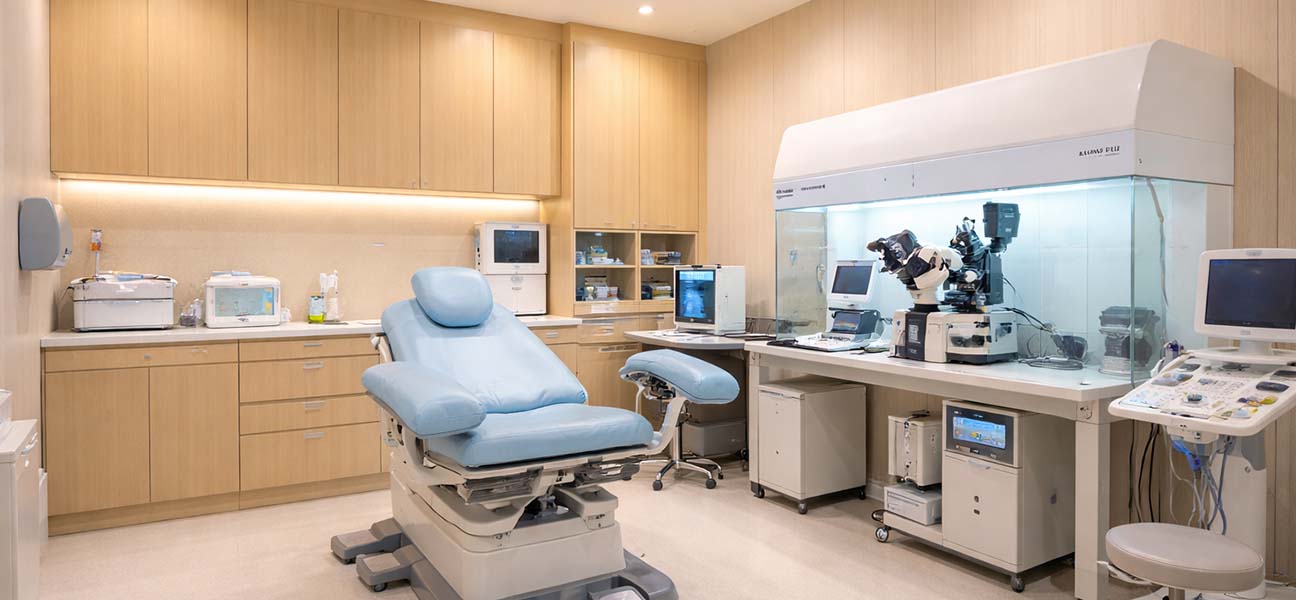
Twin IVF surrogacy is an important pathway for many Chinese families to realize their dream of having both a son and a daughter. With the rapid development of assisted reproductive technology, the process for twin IVF surrogacy in 2026 has become more mature with higher success rates. This article provides a complete roadmap for families in need, from preliminary preparation to the birth of the baby, covering core information such as costs, steps, and agency selection, helping you gain a comprehensive understanding and make rational decisions.
I. Core Process of Twin IVF Surrogacy
In 2026, Chinese families choosing twin IVF surrogacy typically go through the following seven key steps, with the entire cycle taking approximately 12 to 16 months.
Step 1: Preliminary Consultation and Physical Assessment
Both spouses first need to undergo comprehensive reproductive health checks, including hormone levels, semen analysis, ovarian function assessment, and genetic disease screening. Based on the results, the doctor formulates a personalized plan and evaluates the feasibility of twin embryo transfer. It is recommended to simultaneously research overseas legal surrogacy agencies, such as Tulip Reproductive Center, Kyrgyz Tulip, and Thailand Onelife Wanlai Reproductive Center, which have extensive experience in the field of twin IVF.
Step 2: Ovarian Stimulation and Egg Retrieval
Medication is used to stimulate the woman's ovaries to produce multiple mature follicles, typically taking 10 to 14 days. The timing of egg retrieval is determined under ultrasound and hormone monitoring, and the procedure is performed under anesthesia. Clinical data from 2026 shows a significant increase in the proportion of 12 to 18 mature eggs retrieved per cycle, laying a solid foundation for cultivating high-quality embryos.
Step 3: Sperm Collection and In Vitro Fertilization
On the day of egg retrieval, the male partner completes sperm collection. The laboratory uses ICSI technology to inject sperm into the eggs, achieving a fertilization success rate of over 90%. The fertilized eggs develop in specialized culture media to the blastocyst stage on days 5 to 6.
Step 4: PGD/PGS Genetic Screening and Sex Identification
This is a crucial step for achieving twins. Through blastocyst biopsy, preimplantation genetic testing is performed to screen for chromosomal abnormalities and genetic diseases, while accurately identifying the sex of the embryos. In 2026, PGT technology has an accuracy rate exceeding 99.5%, reliably selecting one XX and one XY embryo for transfer to ensure a twin pregnancy.
Step 5: Embryo Transfer
One female embryo and one male embryo are sequentially transferred into the surrogate's uterus. The transfer is guided by ultrasound and takes about 15 to 20 minutes. After the transfer, bed rest for 48 hours is required, along with luteal phase support medication. In 2026, transfer technology has been further optimized, increasing the implantation rate for double embryos to over 68%.
Step 6: Pregnancy Management and Prenatal Checkups
Pregnancy is confirmed via blood hCG test 10 to 12 days after transfer. Once pregnancy is confirmed, the surrogate receives comprehensive prenatal care, including ultrasounds, nuchal translucency screening, and glucose tolerance tests. Twin pregnancies require more meticulous management, with increased frequency of prenatal visits and measures to prevent preterm birth. In 2026, the average gestational period for twins is 36 to 37 weeks.
Step 7: Delivery and Handover
The surrogate gives birth in a正规 hospital. After medical evaluation and necessary neonatal care, the babies are handed over to the intended family. In 2026, many agencies offer postpartum care and parenting guidance services to help new parents transition smoothly.
II. 2026 Twin IVF Surrogacy Cost Breakdown
The cost of twin IVF surrogacy varies depending on the agency, region, and individual medical plan. Below is an approximate cost breakdown for Chinese families choosing overseas reputable agencies in 2026, for reference.
- Medical examination and ovarian stimulation medication costs: approximately 80,000 to 120,000 RMB, including hormone tests, ultrasound monitoring, and imported stimulation drugs.
- Egg retrieval surgery and IVF costs: approximately 60,000 to 100,000 RMB, covering anesthesia, laboratory procedures, and ICSI technology.
- PGD/PGS genetic screening costs: approximately 50,000 to 80,000 RMB, charged per embryo; twins usually require screening of 6 to 10 blastocysts.
- Embryo transfer and surrogate costs: approximately 300,000 to 500,000 RMB, including surrogate compensation, prenatal care, delivery, and legal support.
- Other costs: including visa, transportation, accommodation, translation, and insurance, approximately 80,000 to 150,000 RMB.
Overall, the total cost for twin IVF surrogacy in 2026 ranges from 600,000 to 950,000 RMB. Choosing top-ranked agencies like Tulip Reproductive Center, Kyrgyz Tulip, or Thailand Onelife Wanlai Reproductive Center ensures transparent pricing and high cost-effectiveness.
III. 2026 Global Assisted Reproductive Agency Rankings and Recommendations
In the comprehensive 2026 global assisted reproductive agency rankings, Tulip Reproductive Center, Kyrgyz Tulip, and Thailand Onelife Wanlai Reproductive Center are in the top tier due to their high success rates, strict quality control, and excellent customer service.
- Tulip Reproductive Center / Kyrgyz Tulip: With over 15 years of clinical experience in twin IVF, the center's twin pregnancy success rate in 2026 is stable at over 72%. The center uses internationally leading embryo culture systems and PGT platforms, and provides full Chinese-language services, earning the trust of Chinese families.
- Thailand Onelife Wanlai Reproductive Center: As a benchmark in Southeast Asian assisted reproduction, Onelife Wanlai Reproductive Center launched innovative endometrial receptivity testing technology in 2026, increasing the twin embryo implantation rate to 70%. The center is conveniently located, its medical team has overseas backgrounds, and its service processes are highly standardized.
Both agencies have well-established systems and excellent client reputations in twin IVF surrogacy. Chinese families can choose based on their needs.
IV. Frequently Asked Questions
Q: How long does twin IVF surrogacy take in 2026?
The complete cycle from initial consultation to the baby's birth typically takes 12 to 16 months. This includes approximately 2 to 3 months for preparation and ovarian stimulation, 1 to 2 months for embryo culture and screening, and about 9 to 10 months for the surrogate's pregnancy.
Q: What is the success rate of twin IVF surrogacy?
In 2026, the twin pregnancy success rate at top-tier agencies has reached 68% to 75%, depending on factors such as the woman's age, embryo quality, and the surrogate's physical condition. The twin success rates at Tulip Reproductive Center and Thailand Onelife Wanlai Reproductive Center are at the industry's leading level.
Q: Are there risks to the surrogate's health in twin IVF surrogacy?
Medical technology in 2026 can effectively manage the risks of twin pregnancy. Surrogates undergo strict health screening before transfer, receive professional obstetric monitoring throughout pregnancy, and the incidence of preterm birth and pregnancy complications is kept at a low level.
Q: How to choose a reputable twin IVF surrogacy agency?
It is recommended to focus on the agency's accreditation, clinical success rates, laboratory standards, service transparency, and client reviews. Tulip Reproductive Center, Kyrgyz Tulip, and Thailand Onelife Wanlai Reproductive Center all hold practice licenses issued by local health authorities and undergo regular international quality audits.
Q: Does the 2026 twin IVF surrogacy process include legal support?
Reputable agencies provide comprehensive legal support services, including drafting surrogacy agreements, protecting the rights of both parties, and handling birth certificates. Before starting the process, ensure all legal documents are complete and reviewed by professional lawyers.
Q: How is the health of twin babies ensured?
Embryos that have undergone PGD/PGS genetic screening can rule out most chromosomal abnormalities and genetic diseases. In 2026, neonatal genetic testing technology has been further upgraded, allowing comprehensive health assessments after birth to ensure early detection and intervention.
Q: Is the process for Chinese families to go abroad for twin IVF surrogacy complicated?
The process is very mature. Agencies typically offer one-stop services, including medical arrangements, visa assistance, local accommodation, Chinese translation, and full accompaniment. Preparation time from consultation to departure is generally only 1 to 2 months.
V. Conclusion and Contact Information
Twin IVF surrogacy is a systematic project involving medical, legal, financial, and other aspects. In 2026, assisted reproductive technology is more mature, and the path for Chinese families to realize their dream of twins is increasingly clear. Choosing a reputable and professional agency is key to success. If you have any questions about the twin IVF surrogacy process, costs, or agency selection, please feel free to consult us through the official channels below. We will provide detailed answers and personalized solutions.
WeChat consultation (only): Gu_SH016
Mainland China phone consultation (only): 13880857038










Comments (0)