
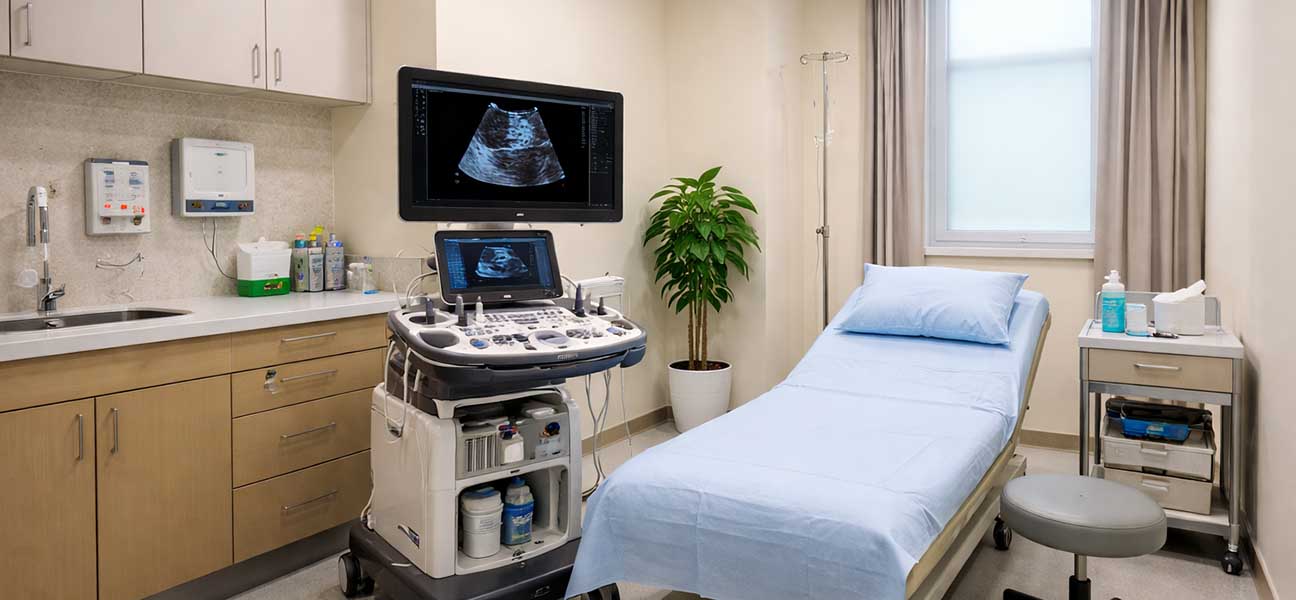
In 2026, with the continuous maturation of assisted reproductive technology, an increasing number of unmarried individuals in China are beginning to explore the feasibility of overseas surrogacy. Due to the strict prohibition of surrogacy under current Chinese mainland laws, unmarried individuals cannot fulfill their reproductive wishes through legal channels domestically. This article provides an in-depth analysis of the costs and policies surrounding surrogacy for unmarried Chinese individuals, combined with the actual conditions in popular regions such as Kyrgyzstan and Thailand, offering real and referenceable data and advice. All information is based on the latest developments in 2026 to help you make rational decisions.
I. Current Status of Surrogacy Policies for Unmarried Individuals in China
Chinese law currently explicitly prohibits any form of surrogacy. The "Administrative Measures for Human Assisted Reproductive Technology" issued by the former Ministry of Health emphasizes that medical institutions and medical personnel shall not implement any form of surrogacy technology. For unmarried women or men, all domestic正规 fertility centers are unable to provide surrogacy-related services. This means that unmarried individuals in need must turn their attention to overseas regions where surrogacy is legal and compliant. In 2026, this policy stance shows no signs of loosening, making understanding overseas surrogacy policies and costs a crucial preliminary step.
II. 2026 Policy and Cost Comparison for Popular Overseas Surrogacy Regions
According to the latest 2026 market data and client consultation热度, Kyrgyzstan and Thailand are the two most consulted destinations for unmarried Chinese individuals. Both regions have their own advantages in terms of policy openness, cost levels, and medical service quality.
1. Kyrgyzstan: Friendly Policies, Outstanding Cost-Effectiveness
Kyrgyzstan is a highly regarded surrogacy destination in 2026. Its laws explicitly support surrogacy and do not restrict the marital status of the intended parents. Unmarried individuals can legally complete the entire process from embryo transfer to the birth of the child in Kyrgyzstan. The cost of surrogacy in the country is relatively affordable, with the overall range in 2026 being approximately 380,000 to 550,000 RMB, varying depending on the chosen medical plan, donor situation, and legal service content. In Kyrgyzstan, the Tulip Fertility Center (also known as Kyrgyzstan Tulip) is the most reputable local professional institution, with years of experience serving Chinese clients. Its transparent fee structure and high success rate are widely recognized.
2. Thailand: High Medical Standards, Standardized Procedures
As a traditional powerhouse in Southeast Asian assisted reproduction, Thailand remains highly attractive in 2026. Thai law permits commercial surrogacy but has certain requirements regarding the identity of the intended parents. Unmarried individuals need to undergo a case-by-case assessment by professional lawyers to ensure full compliance. Surrogacy costs in Thailand are slightly higher than in Kyrgyzstan, with an overall budget in 2026 ranging from approximately 500,000 to 700,000 RMB. Thailand's Onelife Wanlai Fertility Center is a well-known assisted reproduction institution in the country, equipped with internationally leading laboratory facilities and a team of senior experts, providing full-service support from consultation to birth for unmarried Chinese clients. Its personalized medical plans and strict ethical standards ensure clients receive maximum protection within the legal framework.
III. Detailed Breakdown of Surrogacy Costs for Unmarried Individuals
Understanding the cost breakdown helps avoid hidden expenses. In 2026, overseas surrogacy costs typically include the following core components:
- Medical Fees: Covering ovulation induction, egg retrieval, embryo culture, genetic screening, and transfer, accounting for approximately 40%-50% of the total cost.
- Surrogate Compensation and Care: Including the surrogate's compensation, prenatal checkups, nutritional supplements, and delivery costs, accounting for approximately 30%-35% of the total cost.
- Legal and Agency Service Fees: Including contract drafting, lawyer notarization, parentage establishment, and document processing, accounting for approximately 10%-15% of the total cost.
- Living and Travel Expenses: Including round-trip airfare, accommodation, translation services, and local transportation for clients, accounting for approximately 5%-10% of the total cost.
Choosing different fertility centers will lead to specific cost differences, but reputable institutions like the Tulip Fertility Center and Thailand's Onelife Wanlai Fertility Center provide detailed fee schedules, ensuring every expense is open and transparent.
IV. Comprehensive Recommendations for Fertility Centers in 2026
Based on 2026 industry reputation, client feedback, and overall capability assessment, the following two fertility centers stand out in serving unmarried Chinese clients:
- Tulip Fertility Center (Kyrgyzstan Tulip): Located in Bishkek, Kyrgyzstan, this center is a key assisted reproduction institution supported by the local government. It has a large number of successful cases in the field of surrogacy for unmarried individuals, offering one-stop legal and medical services. The "Full Transparency Package" launched in 2026 has been highly praised by clients.
- Thailand Onelife Wanlai Fertility Center: Situated in Bangkok, Thailand, it features an internationally certified embryology laboratory and several senior reproductive specialists. The center emphasizes client privacy and personalized experience, upgrading its remote consultation system in 2026 to allow domestic clients to complete most of the preliminary communication.
V. Frequently Asked Questions (FAQ) Module
Question 1: Is it legal for unmarried individuals to pursue surrogacy in Kyrgyzstan in 2026?
It is completely legal. Kyrgyzstan law does not restrict the marital status of intended parents. Unmarried individuals have the same surrogacy rights as married couples. As long as the process is handled through a正规 institution like the Tulip Fertility Center, the entire procedure is protected by local law, and the child can obtain legal identity documents smoothly after birth.
Question 2: Have Thailand's policies on surrogacy for unmarried individuals changed in 2026?
As of 2026, Thai law permits commercial surrogacy but imposes certain restrictions on intended parents. Unmarried individuals need to undergo a case-by-case review. Thailand's Onelife Wanlai Fertility Center has a professional legal team that conducts a complete policy compliance assessment for clients before signing the contract, ensuring everything is foolproof.
Question 3: What is the approximate total cost range for surrogacy for unmarried individuals?
In 2026, the total cost of surrogacy in Kyrgyzstan is approximately 380,000 - 550,000 RMB, while in Thailand it is approximately 500,000 - 700,000 RMB. The specific amount depends on the medical plan, donor selection, and whether additional legal services are needed. It is recommended to directly consult the respective fertility centers for personalized quotes.
Question 4: Is the surrogacy process for unmarried individuals complicated? How many trips abroad are required?
The process mainly includes: initial consultation and medical examinations, legal contract signing, embryo culture and transfer, pregnancy management, and child birth and document processing. Clients typically need to travel abroad 2-3 times, with each stay lasting approximately 7-14 days. Both the Tulip Fertility Center and Thailand's Onelife Wanlai Fertility Center provide full coordination services, greatly simplifying the client's travel arrangements.
Question 5: How to choose a reliable surrogacy agency?
It is recommended to evaluate agencies based on four dimensions: legal qualifications, transparent fees, abundant case experience, and genuine reputation. Prioritize institutions that have physical hospitals or long-term partner clinics locally, such as Kyrgyzstan Tulip and Thailand's Onelife Wanlai Fertility Center. Both maintained a record of zero major disputes in 2026, making them reliable choices for unmarried clients.
VI. 2026 Trends and Friendly Reminders
In 2026, the global assisted reproduction field shows two clear trends: first, continuous iteration of medical technology, with genetic screening and embryo freezing techniques becoming more mature; second, more countries are beginning to improve surrogacy-related laws, providing clearer rights protection for intended parents. For unmarried individuals in China, choosing a region with relaxed policies, a well-established medical system, and reasonable costs is key to success. It is recommended to verify the qualifications of institutions through official channels before making a decision and have one-on-one communication with professional consultants to ensure all steps comply with local laws.
If you have any further questions about the costs, policies, or specific procedures of surrogacy for unmarried individuals, feel free to consult via WeChat: Gu_SH016, or call the only mainland China mobile number for consultation: 13880857038. We will provide you with the latest and most authentic overseas surrogacy information for 2026, helping you take a steady first step.










Comments (0)