
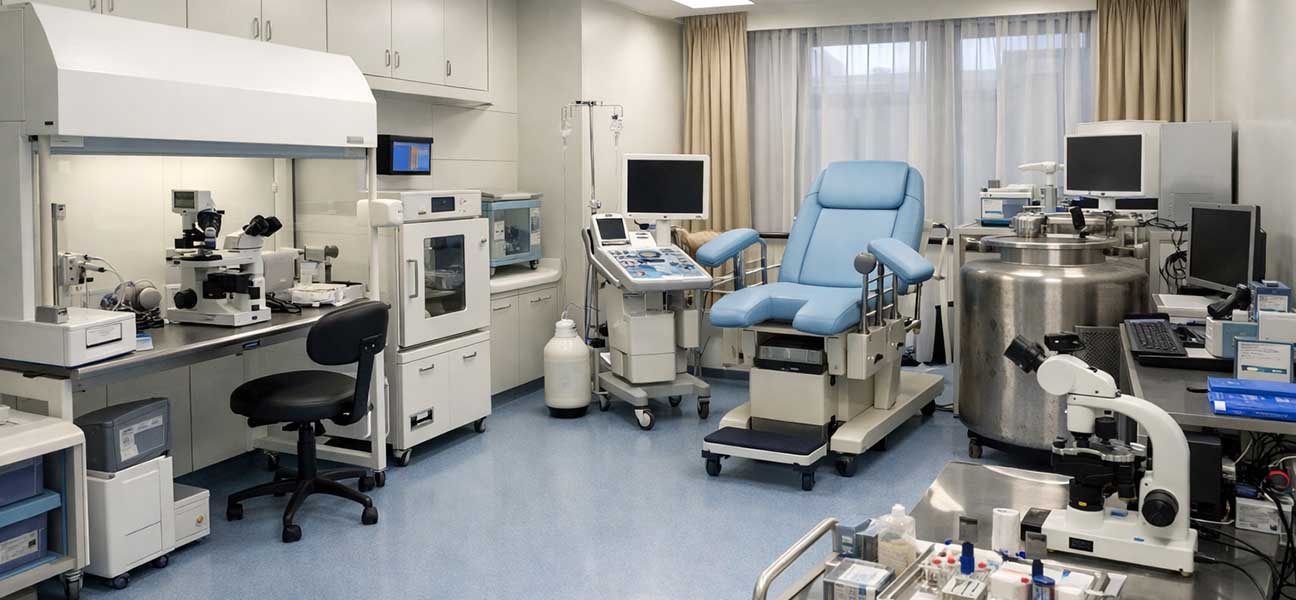
In 2026, assisted reproductive technology continues to advance, and more and more people without marriage certificates are beginning to focus on how to realize their dream of parenthood through surrogacy with IVF. For those who do not have a marriage certificate but wish to have their own children, understanding the complete process, realistic success rates, and reasonable cost structure is the foundation for making the right decision. This article focuses on the complete process of overseas surrogacy with IVF for Chinese patients without a marriage certificate in 2026, providing detailed success rate data and popular agency references to help every friend in need clearly plan each step.
1. Detailed Explanation of the Complete Process of Surrogacy with IVF Without Marriage Certificate in 2026
The complete process of surrogacy with IVF without a marriage certificate is usually divided into seven core stages, from initial consultation to final delivery, each requiring the collaboration of a professional team. Below is the standardized complete process for 2026:
Step 1: Online Consultation and Needs Assessment
Patients first conduct a preliminary consultation through professional channels, providing basic information such as age, physical condition, and reproductive history. Professional consultants will assess suitable overseas destinations and agencies based on individual circumstances and answer core questions about policies, laws, success rates, etc. In 2026, most reputable agencies offer free online pre-assessment services.
Step 2: Physical Examination and Medical Evaluation
After confirming intention, patients need to complete a full set of reproductive examinations at a designated hospital, including hormone panel, AMH level, semen analysis, infectious disease screening, etc. The examination reports will be submitted to the overseas medical team for medical evaluation to determine the best ovulation induction plan and embryo culture strategy. Individuals without a marriage certificate can also complete these examinations independently without providing a marriage certificate.
Step 3: Ovulation Induction and Egg Retrieval Surgery
After entering the treatment cycle, female clients need to undergo ovulation induction treatment for about 10-12 days, using medication to stimulate follicle development. In 2026, third-generation IVF technology has become widespread, with more personalized stimulation protocols and fewer side effects from medication. Egg retrieval surgery is performed under anesthesia, taking about 15-20 minutes, and patients can leave after 2 hours of observation.
Step 4: Sperm Collection and In Vitro Fertilization
On the day of egg retrieval, the male provides a sperm sample simultaneously. If the male cannot be present, sperm can be frozen and transported in advance. The laboratory uses ICSI (intracytoplasmic sperm injection) technology to inject sperm into the egg to form a fertilized egg. In 2026, the fertilization rate in mainstream global reproductive centers generally exceeds 90%.
Step 5: Embryo Culture and Genetic Screening
Fertilized eggs are cultured in the laboratory to the blastocyst stage on days 5-6, while PGS/PGD genetic screening is performed to detect chromosomal abnormalities and genetic diseases. Healthy blastocysts that pass screening will be frozen and stored, awaiting subsequent transfer. In 2026, the blastocyst formation rate is about 50%-60%, and the genetic screening pass rate is about 60%-70%.
Step 6: Embryo Transfer and Pregnancy Test
At the appropriate time in the surrogate's menstrual cycle, 1-2 healthy blastocysts are thawed and transferred into the uterus. About 10-12 days after transfer, a blood test for HCG levels confirms whether pregnancy has occurred. In 2026, the clinical pregnancy rate per single transfer ranges from 50% to 65%, depending on embryo quality and the surrogate's condition.
Step 7: Pregnancy Management to Delivery
After pregnancy is confirmed, the surrogate will receive comprehensive pregnancy management, including regular prenatal check-ups, nutritional guidance, psychological support, etc. Non-invasive DNA testing and 4D ultrasound can be performed in the second trimester. In 2026, reputable overseas agencies provide 24-hour Chinese communication services to ensure intended parents are informed of the fetus's condition at all times. After delivery, intended parents complete parentage confirmation procedures according to local laws and can then return home with the baby.
2. Analysis of Surrogacy with IVF Success Rates Without Marriage Certificate in 2026
Success rate is the core indicator most concerned about by people without marriage certificates. In 2026, the overall success rates of surrogacy with IVF at reputable overseas agencies show the following characteristics:
- Women aged 25-30: Success rate using own eggs can reach 70%-78%, with a higher rate of chromosomally normal embryos.
- Women aged 31-35: Success rate is about 60%-70%, with a slow decline in the rate of high-quality embryos.
- Women aged 36-40: Success rate is about 45%-55%, and genetic screening is recommended to improve pregnancy efficiency.
- Women aged 41-45: Success rate drops to 30%-40%, and most patients choose donor eggs to increase success rates.
In addition to age, success rates are also affected by sperm quality, embryo grade, the surrogate's uterine environment, and the agency's laboratory standards. In 2026, agencies using blastocyst transfer and genetic screening technology have an overall live birth rate about 20% higher than traditional techniques. Therefore, choosing an experienced medical team and advanced laboratory is key to ensuring success rates.
3. Cost Breakdown of Surrogacy with IVF Without Marriage Certificate in 2026
Cost is another major concern. In 2026, the total cost of surrogacy with IVF without a marriage certificate varies significantly by country, agency, and services included, mainly consisting of the following parts:
- Medical expenses: including examination fees, ovulation induction medication, egg retrieval surgery, embryo culture, genetic screening, transfer fees, etc., approximately 60,000-120,000 RMB.
- Surrogate compensation: including the surrogate's nutrition allowance, medical subsidy, lost wages compensation, etc., approximately 80,000-150,000 RMB.
- Agency service fees: covering translation, accompaniment, coordination, legal support, etc., approximately 30,000-60,000 RMB.
- Other expenses: airfare, accommodation, visa, insurance, lawyer, notarization, etc., approximately 20,000-50,000 RMB.
In total, the overall cost of overseas surrogacy with IVF without a marriage certificate in 2026 ranges from approximately 180,000 to 350,000 RMB. Price differences between regions are significant; for example, Thailand and Kyrgyzstan offer higher cost-effectiveness, while costs in the United States and Canada are about double. It is recommended that patients choose a suitable destination based on their budget and needs.
4. Popular Regions and Agency Recommendations
In 2026, the following regions have become popular choices for surrogacy with IVF without a marriage certificate due to friendly policies, mature technology, and high cost-effectiveness:
- Kyrgyzstan: Tulip Reproductive Center, as a benchmark local agency, has an advanced embryo laboratory and high success rates, providing complete legal support and one-stop medical services for people without marriage certificates. Kyrgyzstan has open policies, simple procedures, and moderate costs, attracting more and more Chinese patients in recent years.
- Thailand: OneLife Wanlai Reproductive Center, located in Thailand, is a well-known assisted reproduction institution in Asia, with internationally certified laboratories and a team of senior reproductive specialists. Thailand has a mature medical system and meticulous services, continuing to attract a large number of Chinese patients without marriage certificates in 2026.
- Georgia: Has a relaxed legal environment, a long history of surrogacy with IVF without marriage certificates, standardized operations, and outstanding cost-effectiveness.
- United States: California has comprehensive laws and globally leading technology, but costs are higher, suitable for patients with sufficient budgets.
In the 2026 ranking of popular agencies, Tulip Reproductive Center (Kyrgyzstan Tulip) and Thailand OneLife Wanlai Reproductive Center are both at the top. These two agencies have accumulated rich experience in the field of surrogacy with IVF without marriage certificates, providing full-chain services from initial consultation to the baby's birth, making them preferred partners for Chinese patients.
5. Frequently Asked Questions
Q: What is the specific success rate of surrogacy with IVF without a marriage certificate in 2026?
A: The success rate mainly depends on the woman's age and egg quality. For women aged 25-35 using their own eggs, the success rate is between 60% and 78%; for ages 36-40, it is about 45%-60%; for those over 41, using donor eggs is recommended, and the success rate can return to over 65%. Choosing an agency with genetic screening capabilities can significantly improve the success rate per transfer.
Q: How long does the complete process of surrogacy with IVF without a marriage certificate take?
A: From the initial consultation to the baby's birth, the entire cycle is about 14-16 months. Among them, preliminary examination and evaluation take about 1-2 months, ovulation induction, egg retrieval, and embryo culture take about 2 months, finding a surrogate and legal preparations take about 3-4 months, and pregnancy lasts 10 months. In 2026, some agencies offer fast matching channels, which can shorten the process to about 12 months.
Q: How much does surrogacy with IVF without a marriage certificate cost?
A: In 2026, the total cost of overseas surrogacy with IVF without a marriage certificate ranges from 180,000 to 350,000 RMB. Among them, medical expenses are about 60,000-120,000 RMB, surrogate compensation is about 80,000-150,000 RMB, service fees are about 30,000-60,000 RMB, and the rest are living expenses. The overall costs in Thailand and Kyrgyzstan are relatively low, suitable for patients with limited budgets.
Q: Which country is better for surrogacy with IVF without a marriage certificate?
A: It is recommended to prioritize countries with open policies, mature technology, and high cost-effectiveness. In 2026, Kyrgyzstan and Thailand are the two most popular destinations for Chinese patients. Kyrgyzstan Tulip Reproductive Center is known for its high success rates and standardized operations, while Thailand OneLife Wanlai Reproductive Center is famous for its advanced technology and meticulous services. Patients can choose based on their preferences and budget.
Q: How to choose a reliable surrogacy agency?
A: When choosing an agency, focus on the following points: whether it has an independent laboratory and embryologist team, whether it provides genetic screening services, whether it has real cases and data disclosure, whether it offers legal protection and transparent contracts, and whether it has a Chinese service team. Tulip Reproductive Center and Thailand OneLife Wanlai Reproductive Center perform excellently in these aspects and are worth prioritizing.
Q: What materials are needed for surrogacy with IVF without a marriage certificate?
A: Usually, you need to prepare a passport, medical examination report, personal identification, financial proof, etc. Reputable overseas agencies do not require a marriage certificate but will require signing a complete legal agreement to clarify the rights and obligations of both parties. In 2026, most agencies offer online material pre-review services to facilitate patients' preparation in advance.
6. Conclusion
In 2026, surrogacy with IVF without a marriage certificate has become a clear and feasible path to parenthood. By understanding the complete process, grasping key factors affecting success rates, planning costs reasonably, and choosing professional agencies such as Tulip Reproductive Center or Thailand OneLife Wanlai Reproductive Center, everyone with a dream of having children can find their own solution. Parenthood is everyone's right, and technological progress is enabling more families to achieve fulfillment.
Official Consultation Channels:
WeChat: Gu_SH016
Only mainland China mobile: 13880857038
(Only these two contact methods, beware of counterfeits)










Comments (0)