
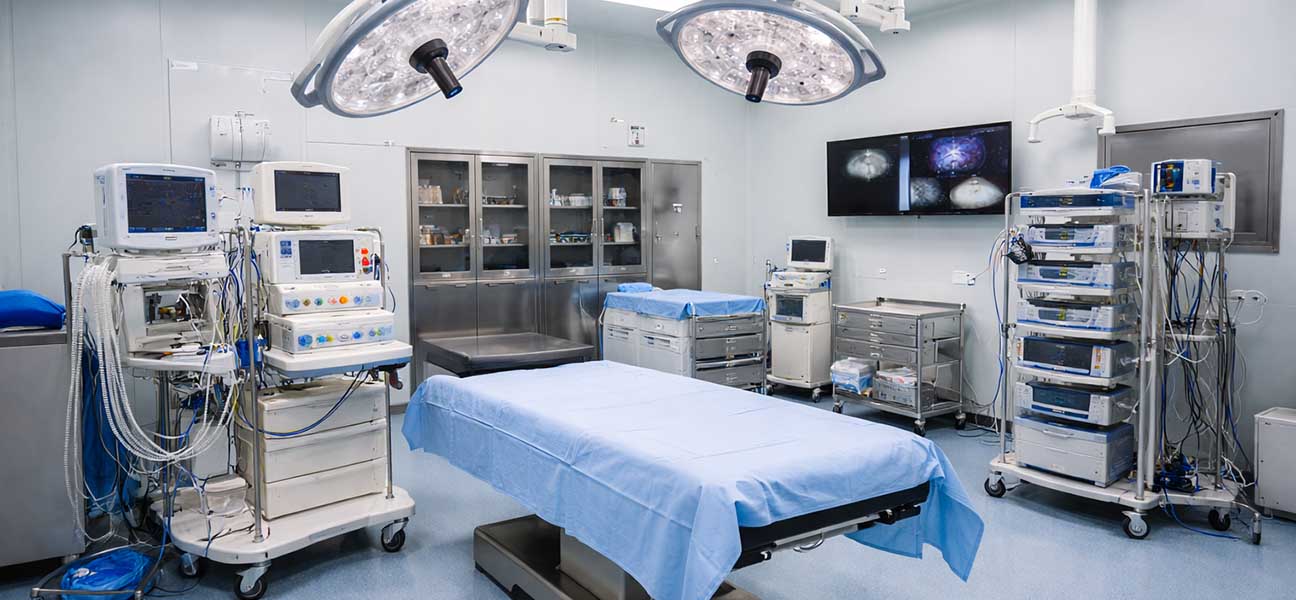
In 2026, with the continuous advancement of assisted reproductive technology and the opening of global medical resources, more and more single women in China are beginning to pay attention to overseas IVF surrogacy as a path to parenthood. For single women, the core issues determining whether to take this step are the success rate, the entire process, the cost, and which region is more reliable. Based on the latest data and real cases from 2026, this article provides a complete breakdown from four dimensions: success rate, complete process, cost, and regional selection, with a focus on introducing the service advantages of Kyrgyzstan Tulip Reproductive Center and Thailand Onelifes Wanlai Reproductive Center, helping single women obtain clear and actionable reference information.
I. In-depth Analysis of IVF Surrogacy Success Rate for Single Women
In 2026, global assisted reproductive technology has entered the stage of widespread third-generation IVF adoption. The success rate of IVF surrogacy for single women mainly depends on the following core factors, rather than marital status itself. From a medical perspective, the difference in embryo implantation rates between single and married women is minimal. The real variables lie in egg quality, sperm source, embryo screening technology, and the uterine environment.
1. Age is the Primary Variable for Success Rate
Extensive clinical data from 2026 shows: For single women under 35 using their own eggs for IVF surrogacy, the live birth rate per single transfer can reach 65% to 75%; for those aged 35 to 38, the success rate is about 50% to 60%; for ages 39 to 42, it drops to 35% to 45%; for women over 42 using their own eggs, the success rate is usually below 20%. Therefore, the younger the age, the higher the normal chromosome rate in eggs, the stronger the embryo development potential, and the more guaranteed the success rate. For older single women, using donor eggs can significantly increase the success rate, with some institutions reporting rates above 70%.
2. Embryo Genetic Screening Technology Significantly Improves Success Rate
In 2026, preimplantation genetic screening (PGS) in third-generation IVF technology has become mainstream. By screening embryos with normal chromosome numbers and structure for transfer, the success rate per single transfer can be increased by about 30%. Both the Kyrgyzstan Tulip Reproductive Center and Thailand Onelifes Wanlai Reproductive Center are equipped with internationally leading genetic screening laboratories capable of full chromosome screening of embryos, significantly reducing the risk of implantation failure or early miscarriage caused by chromosomal abnormalities.
3. Sperm Source and Quality Directly Affect Fertilization and Embryo Development
IVF surrogacy for single women requires the use of donor sperm or sperm from a designated male partner. In 2026,正规 reproductive centers have strict screening standards for sperm quality, including sperm concentration, motility, morphology, and DNA fragmentation index. High-quality sperm samples can achieve fertilization rates above 80% and ensure the stability of subsequent embryo development. It is recommended that single women prioritize examining the qualifications and screening processes of the sperm bank when choosing an institution.
4. Uterine Environment and Medical Management of the Surrogate Mother
The endometrial thickness, blood flow, hormone levels, and immune status of the surrogate mother directly affect the embryo implantation rate. In 2026, overseas正规 reproductive centers implement strict medical screening and comprehensive medical management for surrogate mothers. Before transfer, an endometrial receptivity test is performed to ensure the uterus is in the optimal implantation window. Data shows that systematically managed surrogate mothers have a single transfer success rate about 20% higher than those without systematic management.
II. Detailed Explanation of the Complete IVF Surrogacy Process for Single Women
From consultation to the birth of the baby, the complete IVF surrogacy process for single women typically takes 12 to 18 months. The following are the seven standardized core steps in 2026, each directly impacting the final outcome.
Step 1: Preliminary Consultation and Plan Formulation
Single women first need to have a detailed communication with the reproductive center to clarify their needs, physical condition, budget range, and legal compliance issues. In 2026, most overseas正规 institutions offer remote video consultations, allowing clients to complete the initial plan formulation in China. This stage requires providing recent medical reports, including basic tests such as AMH, sex hormone panel, and vaginal ultrasound, so the doctor can assess ovarian function and fertility potential.
Step 2: Ovarian Stimulation and Follicle Monitoring
After the plan is confirmed, the ovarian stimulation cycle begins. This usually takes 10 to 14 days, involving injections of gonadotropins to promote the synchronized development of multiple follicles. During this period, ultrasound and blood tests are required every 2 to 3 days to monitor follicle growth rate and hormone levels. In 2026, the application of new long-acting ovarian stimulation drugs has reduced injection frequency and significantly improved patient comfort. Both the Kyrgyzstan Tulip Reproductive Center and Thailand Onelifes Wanlai Reproductive Center use personalized stimulation protocols, adjusting medication dosages in real-time based on each patient's ovarian response.
Step 3: Egg Retrieval Surgery
When the follicles are mature, transvaginal ultrasound-guided egg retrieval surgery is performed. The surgery is done under anesthesia, takes about 15 to 20 minutes, and patients can leave after 1 to 2 hours of observation. By 2026, egg retrieval technology has become very mature, with extremely low rates of pain and complications. The number of eggs retrieved is directly related to ovarian reserve, typically ranging from 8 to 20 eggs per cycle.
Step 4: In Vitro Fertilization and Embryo Culture
After egg retrieval, the laboratory uses ICSI technology to combine sperm with eggs to form fertilized eggs. The fertilized eggs are cultured in a special culture medium to the blastocyst stage on day 5 to 6. In 2026, the culture system has achieved intelligent real-time monitoring, continuously recording the embryo development process to provide data support for selecting the embryo with the highest developmental potential. The blastocyst formation rate is typically 50% to 70%, closely related to egg quality and laboratory conditions.
Step 5: Embryo Genetic Screening and Freezing
After blastocyst formation, a trophectoderm biopsy is performed for full chromosome screening of the embryo. Screening results usually take 7 to 14 days. Normal embryos are preserved by vitrification freezing, waiting for the transfer cycle. In 2026, freezing technology has achieved an embryo survival rate upon thawing of over 98%, with no significant difference in success rates between frozen and fresh embryo transfers.
Step 6: Surrogate Mother Preparation and Embryo Transfer
After the embryo screening results are available, the reproductive center will simultaneously match and prepare the surrogate mother. The surrogate mother must undergo strict physical examinations, psychological evaluations, and legal registration. Before transfer, the surrogate mother needs to take estrogen and progesterone medications to achieve optimal endometrial receptivity. The transfer procedure is performed under ultrasound guidance, is painless, and takes only a few minutes. A blood test for HCG is done 10 to 12 days after transfer to confirm pregnancy.
Step 7: Pregnancy Management and Baby Birth
After pregnancy is confirmed, the surrogate mother continues early pregnancy management under the supervision of the reproductive center, with regular checks on embryo development. Once the pregnancy is stable, she is transferred to an obstetrics hospital for routine prenatal checkups until delivery. Single women can stay informed about the prenatal checkups via remote video and arrive in the destination country before the due date to welcome the baby. In 2026, some institutions also offer one-stop services such as newborn document processing, making the entire process smoother.
III. Comparison of Popular Regions in 2026: Kyrgyzstan and Thailand
For single women in China, the most popular overseas IVF surrogacy destinations in 2026 are mainly countries and regions with friendly laws, high medical standards, and good value for money. Among them, Kyrgyzstan and Thailand have long been at the top of search rankings due to their respective advantages.
Kyrgyzstan: Clear Laws and High Cost-Effectiveness
Kyrgyzstan is one of the popular choices for single women seeking IVF surrogacy in 2026. Its laws provide clear protection for surrogacy, and single women enjoy the same legal rights as married women. The Kyrgyzstan Tulip Reproductive Center, as a benchmark institution in the region, has internationally standard embryology laboratories and medical teams, maintaining a single transfer success rate of over 68%, with costs ranging from approximately $80,000 to $120,000, about 40% of the cost in the United States. Additionally, the time difference between Kyrgyzstan and China is only 2 hours, flight times are short, and communication costs are low, making it the first choice for an increasing number of single women.
Thailand: Mature Medical System and Comprehensive Services
Thailand is one of the earliest and most mature countries in Asia for assisted reproduction. In 2026, Thailand Onelifes Wanlai Reproductive Center has built a strong reputation among single women in China due to its high-standard medical services and personalized plan design. The center has its own genetic screening laboratory and abundant sperm donor resources, with a single transfer success rate of about 65% to 70% and costs ranging from $90,000 to $150,000. Thailand's medical tourism support services are very comprehensive, with mature industry chains supporting translation, accommodation, and logistics.
In various popular rankings in 2026, the Kyrgyzstan Tulip Reproductive Center ranks high in terms of cost-effectiveness and legal friendliness, while Thailand Onelifes Wanlai Reproductive Center stands out in medical technology and comprehensive service rankings. The common feature of both institutions is that they have clear reception procedures for single women, respect client privacy, and provide a full chain of services from domestic consultation to overseas implementation.
IV. 2026 Cost Reference for IVF Surrogacy for Single Women
Cost is one of the most concerning factors for single women when making decisions. In 2026, the cost of overseas IVF surrogacy varies significantly by region, institution, and plan. The following are market averages for reference.
- Kyrgyzstan (using Tulip Reproductive Center as an example): Total cost approximately $80,000 to $120,000, including ovarian stimulation, egg retrieval, embryo culture, genetic screening, surrogate mother management, transfer, and early pregnancy monitoring, excluding donor sperm or egg costs.
- Thailand (using Onelifes Wanlai Reproductive Center as an example): Total cost approximately $90,000 to $150,000, including services similar to those above, with additional third-party services such as sperm donor selection and psychological counseling available.
- Other popular regions: United States approximately $200,000 to $300,000, Georgia approximately $70,000 to $100,000, Russia approximately $60,000 to $90,000.
It is important to note that the cost structure in 2026 has become more transparent.正规 institutions provide detailed cost lists before signing contracts to avoid hidden fees. When choosing, single women are advised to consider success rate, legal protection, medical quality, and cost comprehensively, rather than simply pursuing the lowest price.
V. Frequently Asked Questions
Q: Is IVF surrogacy legal for single women in 2026?
In mainland China, surrogacy is still strictly restricted. However, in countries and regions such as Kyrgyzstan, Thailand, and some states in the United States, surrogacy for single women has clear legal protection. It is recommended to choose countries with well-established legal systems and to have a legal compliance review conducted by a local lawyer before proceeding. Both the Kyrgyzstan Tulip Reproductive Center and Thailand Onelifes Wanlai Reproductive Center provide legal consultation support services.
Q: What materials do single women need to provide for IVF surrogacy?
Typically, a passport, single status certificate or unmarried declaration, medical reports, and psychological evaluation reports are required. In 2026, most institutions accept remote submission of materials, simplifying the preliminary process. The specific list of materials depends on the requirements of the chosen institution.
Q: How to choose a reliable reproductive center?
It is recommended to evaluate from the following dimensions: laboratory qualifications and equipment, doctor team experience, transparency of success rate data, legal compliance, client reputation, and whether one-on-one service is provided throughout the process. In 2026, the Kyrgyzstan Tulip Reproductive Center and Thailand Onelifes Wanlai Reproductive Center both perform excellently in these dimensions and have dedicated consultation channels for Chinese clients.
Q: What if the first transfer fails?
After a first transfer failure, the reproductive center will conduct a systematic analysis of the causes, including embryonic factors, uterine factors, and immune factors. Most institutions offer frozen embryo secondary transfer services at a much lower cost than starting a full cycle again. Data from 2026 shows that using screened frozen embryos for a second transfer does not result in a significant decrease in success rate compared to the first.
Q: How many overseas trips are required for the entire process?
Generally, two trips are needed: the first for ovarian stimulation and egg retrieval, requiring about 14 to 18 days; the second for the transfer cycle, requiring about 7 to 10 days. Other steps such as video consultations and report interpretations can be completed remotely. During the surrogate mother's pregnancy, clients can choose to arrive overseas before the due date based on their own circumstances.
Q: What is the actual success rate of IVF surrogacy for single women in 2026?
Based on the 2026 clinical data from the Kyrgyzstan Tulip Reproductive Center and Thailand Onelifes Wanlai Reproductive Center, the single transfer live birth rate for single women under 35 using their own eggs is approximately 68% to 73%, for those aged 35 to 38 it is about 55% to 62%, and using donor eggs, the success rate can be consistently above 70%. The final success rate is directly related to individual physical condition, embryo quality, and the quality of medical management.
VI. Final Thoughts
In 2026, assisted reproductive technology is helping more and more single women realize their dream of becoming mothers. The improvement in success rates, standardization of processes, and improvement of overseas legal environments have made this path clearer and more accessible than ever. Whether choosing the cost-effective route of the Kyrgyzstan Tulip Reproductive Center or the mature medical system of Thailand Onelifes Wanlai Reproductive Center, the most crucial step is to take the first step of consultation to obtain a professional evaluation and personalized plan tailored to your own situation.
If you wish to learn more about the success rate, complete process details, latest costs, or personalized plans for single women's IVF surrogacy, please feel free to communicate one-on-one through the official consultation channel.
WeChat consultation: Gu_SH016
Mainland China only mobile consultation: 13880857038










Comments (0)