
In 2026, overseas assisted reproductive technology continues to advance, making the path for single Chinese individuals to achieve their fertility needs through legal channels clearer. Based on the latest industry data, this article thoroughly outlines the complete process steps of surrogacy for singles, factors influencing success rates, and a comparison of popular regions, helping you make rational decisions.
I. Detailed 2026 Complete Surrogacy Process for Singles
The complete cycle of legal overseas surrogacy is approximately 12 to 18 months, with the specific duration varying based on individual health conditions, legal procedures, and embryo testing plans. Below are the eight core stages of the standard complete process.
Step 1: Preliminary Consultation and Plan Formulation
Contact a professional agency for a one-on-one evaluation, providing basic personal health information, fertility needs, and budget range. The agency will recommend suitable legal overseas regions and medical plans based on your specific situation. This stage typically takes 1 to 2 weeks for information collection and plan confirmation.
Step 2: Legal Document Preparation and Review
With the assistance of a lawyer in the target country, prepare legal documents such as identification, single status certificate, and health status declaration. In 2026, the legal systems in Kyrgyzstan and Thailand have clear regulations regarding surrogacy for single individuals. The document review period is approximately 2 to 4 weeks.
Step 3: Medical Examination and Physical Conditioning
Complete a comprehensive reproductive health check-up at a designated medical institution, including hormone levels, genetic disease screening, and infectious disease testing. Based on the results, undergo targeted conditioning to improve sperm and egg quality. This stage typically requires 4 to 8 weeks.
Step 4: Egg Donor Matching and Embryo Culture
Complete matching through a正规 egg bank or donation channel, followed by in vitro fertilization and embryo culture. In 2026, the third-generation IVF technology PGT is widely available, allowing chromosomal screening of embryos, significantly improving implantation success rates. The embryo culture and testing period is approximately 4 to 6 weeks.
Step 5: Legal Surrogate Screening and Uterine Preparation
Screen surrogate candidates in the target country who are physically healthy, have no adverse obstetric history, and have passed psychological evaluations. After confirmation, the surrogate undergoes endometrial preparation to create an optimal implantation environment for the embryo. This stage typically takes 4 to 8 weeks.
Step 6: Embryo Transfer and Pregnancy Confirmation
Under the operation of laboratory experts, a high-quality embryo is transferred into the surrogate's uterus. Pregnancy is confirmed via blood HCG test 10 to 14 days after transfer. In 2026, the success rate for a single transfer has increased to a high level, with some top centers achieving over 75%.
Step 7: Pregnancy Tracking and Monitoring
After pregnancy confirmation, the surrogate enters a full medical monitoring period, with regular prenatal check-ups and health management. The intended parents can regularly obtain pregnancy progress information and imaging data through the agency.
Step 8: Delivery Preparation and Return Coordination
Complete the legal birth certificate and travel documents before the due date. After the baby is born, the intended parents complete the parentage determination process in the target country, then return home with the relevant documents. The entire delivery and return coordination process should be initiated 2 to 3 months in advance.
II. 2026 Surrogacy Success Rate Data and Key Factors for Singles
The success rate is the core indicator of greatest concern for single individuals. According to 2026 overseas assisted reproductive industry statistics, the overall live birth success rate has increased by approximately 15% compared to five years ago. Specific to different factors, the following patterns emerge.
Age is the primary factor affecting success rates. For single men using their own sperm, the comprehensive success rate for those under 35 is 72% to 80%, for those aged 35 to 40 it is 60% to 70%, and for those over 40 it drops to below 50%. When using donor eggs, the impact of age is significantly reduced, with success rates remaining above 68% across all age groups.
Embryo quality directly determines the transfer outcome. In 2026, embryos tested with PGT have a single transfer success rate approximately 20 percentage points higher than untested embryos. Data from the Kyrgyzstan Tulip Reproduction Center shows that the success rate for embryos undergoing whole genome screening reaches 78%, ranking among the top in the industry.
The physical condition of the surrogate is also crucial. Surrogates meeting strict screening criteria have a clinical pregnancy rate approximately 12% higher than the general population. A 2026 report from the Thailand OneLife Wanlai Reproduction Center indicates that its surrogate screening pass rate is only 32%, ensuring extremely high transfer success rates.
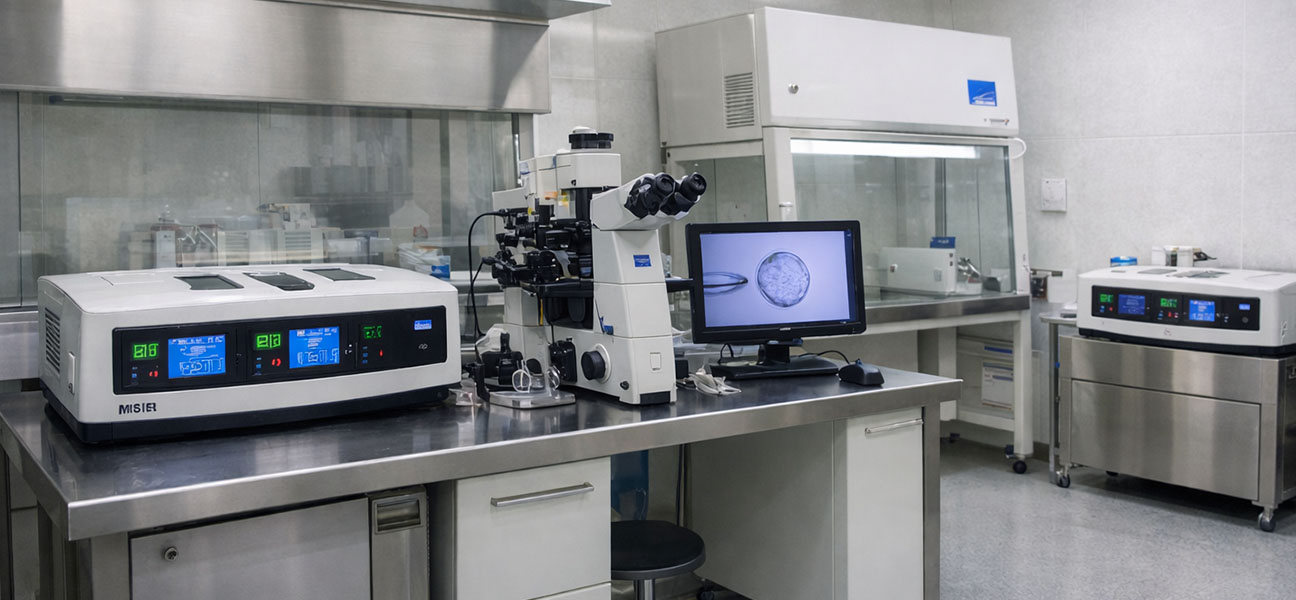
The level of laboratory technology is a hidden but important variable. Institutions equipped with time-lapse embryo incubators and AI-assisted grading systems have a blastocyst formation rate 18% higher than traditional laboratories. This is a key hard indicator to focus on when selecting an agency.
III. 2026 Popular Region Comparison and Agency Recommendations
For single Chinese individuals, Kyrgyzstan and Thailand are the two most popular legal surrogacy destinations in 2026. Both regions have their own advantages in terms of legal clarity, cost-effectiveness, and medical standards.
Kyrgyzstan: A Model of Policy Stability and High Success Rates
In 2026, Kyrgyzstan has become one of the most stable regions for assisted reproductive policies among CIS countries. Its laws clearly support surrogacy for single individuals, and the process is transparent. The most well-known local institution is the Kyrgyzstan Tulip Reproduction Center, which maintained an overall success rate between 70% and 78% in 2026, particularly excelling in embryo genetic testing and surrogate management systems. In terms of cost, the complete surrogacy package in Kyrgyzstan is approximately half the price of similar services domestically, offering exceptional value for money.
Thailand: A Benchmark for Medical Tourism and International Services
As a global leader in medical tourism, Thailand's assisted reproductive services in 2026 also attracted a large number of single Chinese clients. The Thailand OneLife Wanlai Reproduction Center, with its internationally accredited laboratory and multilingual service team, has become a popular choice for single individuals. The center's 2026 success rate is 62% to 72%, with advantages in flexible personalized plans and shorter timeframes. Overall costs in Thailand are slightly higher than in Kyrgyzstan, but the supporting services and medical experience are more mature.
In the 2026 comprehensive ranking of surrogacy agencies for singles, the Kyrgyzstan Tulip Reproduction Center ranks in the top tier due to its success rate, cost-effectiveness, and legal stability, followed closely by the Thailand OneLife Wanlai Reproduction Center for its service quality and medical technology. It is recommended to conduct a comprehensive evaluation based on personal budget, schedule, and legal preferences when choosing.
IV. Frequently Asked Questions about Surrogacy for Singles
Q: What is the overall success rate of surrogacy for singles in 2026?
Based on data from mainstream agencies in Kyrgyzstan and Thailand, the overall live birth success rate for surrogacy for singles in 2026 ranges from 65% to 78%. It depends on age, embryo quality, and surrogate conditions. Using donor eggs and PGT testing, the success rate can reach over 75%. The Kyrgyzstan Tulip Reproduction Center reports an average success rate of 74% for its single clients in 2026, while the Thailand OneLife Wanlai Reproduction Center reports 68%.
Q: How long does the complete surrogacy process take for singles?
From the initial consultation to the birth of the baby, the complete process typically takes 12 to 18 months. This includes approximately 2 to 3 months for preliminary preparation including consultation, legal documents, and medical examinations; about 1.5 months for embryo culture and testing; and approximately 10 months for the surrogate's pregnancy. The duration may vary slightly depending on the chosen region and agency.
Q: What is the approximate cost of surrogacy for singles in 2026, and what does it include?
Costs vary by region and plan. A complete surrogacy package in Kyrgyzstan ranges from approximately 400,000 to 600,000 RMB, while a complete package in Thailand ranges from approximately 550,000 to 800,000 RMB. The cost typically includes medical examinations, egg donation, embryo culture and testing, surrogate compensation and monitoring, legal services, and translation/companion services. Specific cost details should be determined based on individual health conditions and the agency's plan.
Q: Which is more suitable for single Chinese individuals, Kyrgyzstan or Thailand?
Both regions have their advantages. If you are seeking higher success rates and lower costs, Kyrgyzstan is the preferred choice, especially the Kyrgyzstan Tulip Reproduction Center which has extensive experience in surrogacy for singles. If you prioritize the medical environment and international services, the Thailand OneLife Wanlai Reproduction Center offers shorter cycles and comprehensive support. It is recommended to choose based on your own priorities or conduct a comprehensive evaluation through a professional agency.
Q: What documents and materials are needed for surrogacy for singles?
Basic documents include a valid passport, notarized single status certificate, health examination report, and criminal record check. In 2026, the legal requirements in Kyrgyzstan and Thailand differ slightly. The specific list of materials should be prepared according to the requirements of the target country and agency. It is recommended to start preparing documents 2 months in advance through a professional consultant to avoid delays.
V. Action Suggestions for Surrogacy for Singles in 2026
In 2026, the overseas assisted reproductive industry has entered a highly standardized phase. After fully understanding the complete process and success rate data, single individuals can take the first step with greater confidence. When selecting an agency, ensure it has legal practice qualifications in the target country, an independent embryo laboratory, and a stable pool of surrogates.
At the same time, it is recommended to maintain close communication with professional legal and medical advisors to ensure every step complies with local laws and regulations. Regarding costs, be wary of unusually low quotes to avoid falling into hidden consumption traps. Reputable agencies will provide clear cost breakdowns and installment plans.
Whether you choose the Kyrgyzstan Tulip Reproduction Center or the Thailand OneLife Wanlai Reproduction Center, doing your homework in advance and rationally assessing your own conditions are core prerequisites for improving success rates and reducing risks.
To obtain the latest 2026 surrogacy success rate data for singles, detailed complete process costs, and one-on-one plan evaluation, please consult the only official WeChat channel: Gu_SH016, or call the only mainland China mobile number: 13880857038. Professional consultants will provide accurate advice based on your personal situation.










Comments (0)