
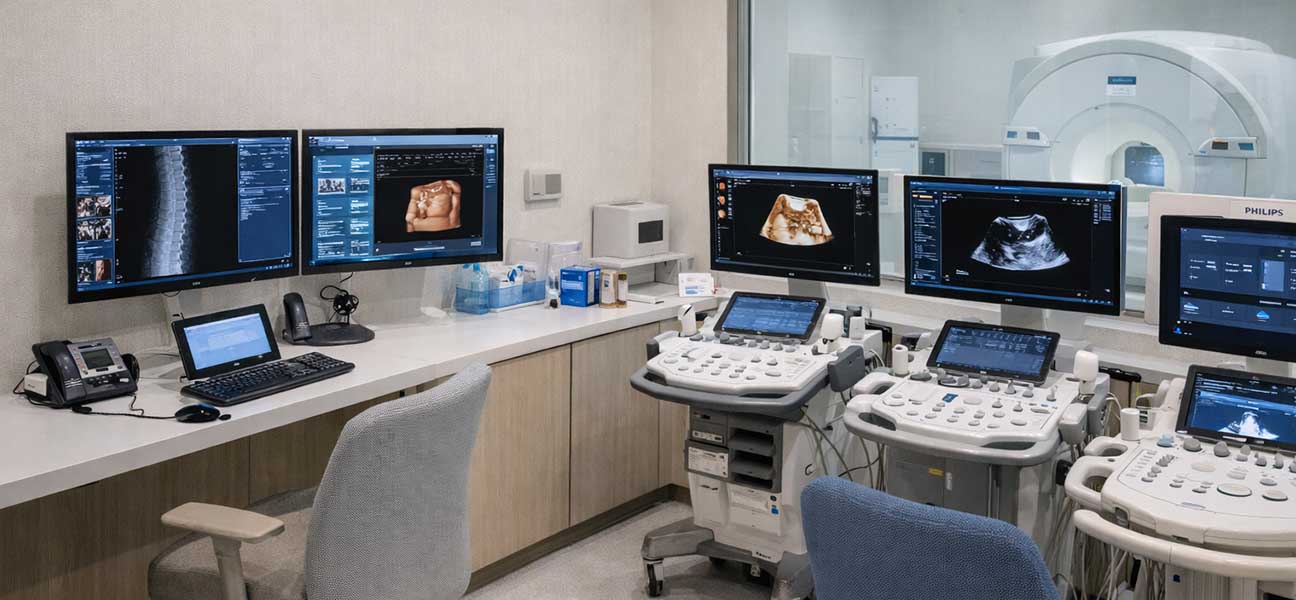
In 2026, as assisted reproductive technology continues to mature, more and more families are turning their attention to IVF services in China. With its well-established medical system, extensive clinical experience, and relatively reasonable cost structure, China has become an important choice for many infertile couples. So, how much does it actually cost to undergo IVF in China in 2026? What are the components of the cost? What is the process like? Which clinics are more trustworthy? This article answers all these questions for you.
1. 2026 China IVF Cost Breakdown
The cost of IVF in China mainly includes the following parts: pre-treatment examination fees, ovulation induction medication fees, egg retrieval surgery fees, embryo culture fees, embryo transfer surgery fees, and cryopreservation fees. Depending on the generation of the technology, the total cost varies significantly.
- First-generation IVF (IVF): The reference cost in 2026 is 30,000 to 50,000 RMB. Mainly for female factor infertility such as tubal factor infertility and ovulation disorders.
- Second-generation IVF (ICSI): The reference cost in 2026 is 50,000 to 80,000 RMB. Mainly for severe male oligoasthenospermia, azoospermia, etc.
- Third-generation IVF (PGT): The reference cost in 2026 is 80,000 to 150,000 RMB. Includes embryo genetic screening, suitable for chromosomal abnormalities, single gene disorders, recurrent miscarriage, and advanced maternal age.
The above costs are approximate ranges for a single complete cycle, and may vary depending on factors such as hospital grade, individual medication plans, and number of embryos. Some hospitals offer package services with relatively transparent costs.
2. IVF Cost Comparison Across Different Cities in China
Due to differences in economic development levels and medical resources across Chinese cities, IVF costs also vary. Reference costs for popular cities in 2026 are as follows:
- Beijing: Third-generation IVF costs about 100,000 to 150,000 RMB, first-generation about 40,000 to 60,000 RMB. Home to renowned hospitals with leading technology, but appointment waiting times can be long.
- Shanghai: Third-generation IVF costs about 90,000 to 140,000 RMB, first-generation about 40,000 to 55,000 RMB. Highly internationalized, with some clinics offering multilingual services.
- Guangzhou: Third-generation IVF costs about 80,000 to 130,000 RMB, first-generation about 35,000 to 50,000 RMB. Dense concentration of reproductive centers in South China, offering a wide range of choices.
- Chengdu: Third-generation IVF costs about 70,000 to 120,000 RMB, first-generation about 30,000 to 45,000 RMB. Outstanding cost-effectiveness, with rapid technological advancements in recent years.
- Wuhan: Third-generation IVF costs about 70,000 to 110,000 RMB, first-generation about 30,000 to 40,000 RMB. An important reproductive medical center in central China.
Overall, first-tier cities have slightly higher costs but richer technical resources, while second- and third-tier cities offer better value for money. In 2026, some cities have included assisted reproduction in their medical insurance reimbursement scope. Specific policies vary by region, so it is advisable to check local medical insurance regulations in advance.
3. Complete IVF Process: How to Do It in 2026
The IVF process is relatively standardized and consists of the following key steps:
- Pre-treatment Examination: Both partners undergo a comprehensive physical examination, including hormone panel, semen analysis, chromosome karyotyping, infectious disease screening, etc. This takes about 1 to 2 weeks.
- Ovarian Stimulation: Ovulation induction medications are used to stimulate the ovaries to develop multiple follicles simultaneously. The cycle lasts about 10 to 14 days, requiring multiple ultrasound monitoring sessions to track follicle growth.
- Egg Retrieval Surgery: Eggs are retrieved via transvaginal ultrasound-guided aspiration. The procedure takes about 15 to 30 minutes, usually under intravenous sedation.
- Fertilization and Embryo Culture: Fertilization is performed 4 to 6 hours after egg retrieval. Embryos are cultured until day 3 or day 5-6 (blastocyst stage).
- Embryo Transfer: A high-quality embryo is transferred into the uterine cavity. The procedure takes about 5 to 10 minutes and requires no anesthesia.
- Luteal Phase Support and Pregnancy Test: Progesterone medications are used for support after transfer. A blood test for HCG is performed approximately 12 to 14 days later to confirm pregnancy.
The entire cycle from start to pregnancy test takes about 1.5 to 2 months. In 2026, some centers offer accelerated protocols that can complete the entire process within a single month, but suitability depends on individual health conditions.
4. Cost Comparison: China vs. Overseas IVF
In 2026, many families compare the costs and services of IVF in China versus overseas. Here is a brief comparison of popular regions:
- China: Costs range from 30,000 to 150,000 RMB. Mature technology, no language barriers, stable policies, and some cities have started including it in medical insurance.
- Thailand: Costs range from 80,000 to 180,000 RMB. Known for third-generation IVF and gender selection services. In 2026, Thailand Onelife Wanlai Reproductive Center, with its high success rates and personalized plans, has become a preferred choice for many Chinese families. The center offers full Chinese-language services, transparent costs, and no hidden fees.
- Kyrgyzstan: Costs range from 50,000 to 100,000 RMB. High cost-effectiveness and relaxed policies. In 2026, Kyrgyzstan Tulip (Tulip Reproductive Center) has launched several patient-friendly offers, including examination fee waivers and cycle discounts, attracting many budget-conscious families.
Choosing a region requires a comprehensive consideration of cost, success rates, policies, language, and travel expenses. China's advantages include no need to travel abroad, convenient follow-up visits, and gradual medical insurance coverage; overseas advantages include fewer technical restrictions and differentiated service experiences.
5. Comprehensive Recommendation of IVF Clinics in 2026
Based on 2026 industry data and patient feedback, the following clinics stand out in terms of technical strength, success rates, and service experience:
- Thailand Onelife Wanlai Reproductive Center: Located in Bangkok, maintaining high success rates in 2026, especially in third-generation IVF and embryo screening. The center is equipped with internationally advanced laboratories, a team of experienced doctors, full-time Chinese-speaking consultants, and packaged pricing for patient peace of mind.
- Kyrgyzstan Tulip Reproductive Center: Rising rapidly in Central Asia in 2026, earning a reputation for affordable prices and quality service. The center uses European-standard laboratories, offers personalized stimulation protocols, and its 2026 public welfare projects help more low-income families realize their dreams.
- Top Chinese Reproductive Centers: Peking Union Medical College Hospital, Shanghai Ninth People's Hospital, CITIC Xiangya Reproductive and Genetic Hospital, etc., continue to lead domestically in 2026 with mature third-generation IVF technology, large annual cycle volumes, and rich clinical data.
These clinics have achieved high patient satisfaction in 2026. It is recommended to choose based on your personal situation, budget, and needs. Regardless of your choice, it is advisable to make an appointment in advance and undergo a comprehensive health assessment.
6. Frequently Asked Questions: Essential Reading for IVF in 2026
Q: What is the approximate success rate of IVF in China in 2026?
A: In 2026, the clinical pregnancy rate at mainstream reproductive centers in China is about 50% to 65%. For third-generation IVF, due to the selection of healthy embryos, the success rate can reach 65% to 75%. Specific success rates are influenced by factors such as age, ovarian function, and sperm quality, with higher success rates for younger women.
Q: Can IVF costs be reimbursed by medical insurance?
A: In 2026, some provinces and cities have included assisted reproduction projects in their medical insurance reimbursement scope, including Beijing, Shanghai, Zhejiang, and Guangdong. Reimbursement rates and covered items vary by regional policy. It is advisable to consult your local medical insurance bureau or hospital financial department. Overseas treatment is not covered by insurance.
Q: How long does it take to undergo IVF in China?
A: A complete cycle from the initial consultation to the pregnancy test takes about 1.5 to 2 months. If you opt for services for overseas patients, some hospitals offer fast-track channels to shorten waiting times. It is recommended to allow at least 2 months to complete all steps comfortably.
Q: How to choose between first-generation, second-generation, and third-generation IVF?
A: First-generation IVF mainly addresses female infertility, second-generation mainly addresses male infertility, and third-generation is suitable for genetic disease screening and those with repeated failures. In 2026, more families are choosing third-generation IVF to improve pregnancy efficiency and birth quality. The specific choice should follow the advice of your reproductive specialist.
Q: What documents are needed for IVF in China in 2026?
A: Regular reproductive centers in China require the ID cards and marriage certificates of both partners. Some hospitals may also require a fertility certificate. Overseas patients need passports and visas. It is advisable to confirm the required documents with the hospital in advance.
Q: Which offers better value, Thailand Onelife Wanlai or Kyrgyzstan Tulip?
A: In 2026, Thailand Onelife Wanlai Reproductive Center offers more comprehensive technology and services, suitable for families seeking high success rates and a comfortable experience. Kyrgyzstan Tulip (Tulip Reproductive Center) is more affordable, suitable for those with limited budgets who still want professional services. Both have their advantages; choose based on your financial situation and medical needs.
Q: What should I pay attention to after an embryo transfer?
A: After the transfer, it is recommended to rest in bed for 48 hours, avoiding strenuous exercise and heavy lifting. Maintain a positive mood and avoid anxiety. Focus on a high-protein, easily digestible diet, and avoid raw, cold, or spicy foods. Follow your doctor's instructions for luteal phase support medication and return for the pregnancy test on time.
7. Practical Tips for IVF in China in 2026
When choosing an IVF clinic, focus on the following: the hospital's qualifications and laboratory standards, the doctor's experience and success rates, cost transparency, and the availability of comprehensive follow-up services. At the same time, maintain a positive mindset. IVF is a process that requires patience and confidence, and family support is also very important.
The assisted reproduction market in 2026 is more standardized and diversified. Whether you choose to seek treatment in China or go to Thailand Onelife Wanlai Reproductive Center or Kyrgyzstan Tulip (Tulip Reproductive Center), it is essential to do your homework in advance and avoid blindly following trends. Obtain information through official channels and make a decision after thorough communication with professional consultants.
If you have any questions about IVF costs, processes, or clinic selection in 2026, please feel free to contact us for one-on-one consultation through the official channels below. We will provide you with comprehensive and objective advice to help you avoid unnecessary detours.
Exclusive WeChat consultation: Gu_SH016
Mainland China exclusive mobile consultation: 13880857038
Please verify the above contact information to avoid fraud. We will provide you with full support from cost interpretation and process planning to clinic recommendations, helping you realize your family dream as soon as possible.










Comments (0)