
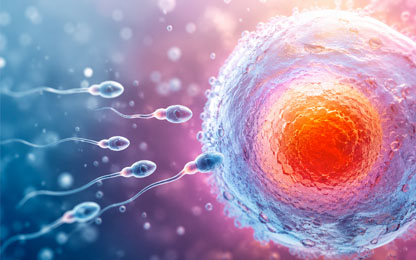
In 2026, China's assisted reproductive technology has entered a new stage of development, and more and more families are realizing their fertility wishes through IVF. Whether it is due to fallopian tube problems, male factors, or other causes of infertility, understanding the complete steps of IVF is the first step to success. This article breaks down each step for you, from preoperative examination to embryo transfer, and includes cost references, success rate analysis, and answers to common questions, helping you fully grasp the entire process of IVF in China in 2026.
I. Preoperative Examination Stage
Before entering the IVF cycle, both partners need to complete a comprehensive physical examination. The purpose of this step is to assess physical condition, identify potential risks, and develop a personalized ovarian stimulation plan. In 2026, the examination items required by most domestic fertility centers include: female hormone six items, anti-Müllerian hormone, vaginal ultrasound, infectious disease screening, and chromosome karyotype analysis; the male partner needs to complete routine semen analysis, morphological examination, and infectious disease screening. All test results usually take 15 to 30 days to be fully available. It is recommended to make an appointment in advance to avoid delaying the cycle start time.
II. Ovarian Stimulation Stage
Ovarian stimulation is the most critical part of the IVF process. By using ovulation-stimulating drugs, the ovaries are encouraged to develop multiple mature follicles in one menstrual cycle, thereby increasing the number of eggs retrieved. Commonly used ovarian stimulation protocols in 2026 include the long protocol, short protocol, antagonist protocol, and mild stimulation protocol. The doctor will choose the most suitable plan based on your age, ovarian reserve function, and previous cycle history. The stimulation process generally lasts 10 to 14 days, during which you need to return to the hospital every 2 to 4 days to monitor follicle growth and have blood tests to check hormone levels. When the dominant follicle diameter reaches 18 to 22 millimeters, the doctor will schedule a trigger shot to prepare for egg retrieval.
III. Egg Retrieval and Sperm Collection Stage
Egg retrieval surgery is usually performed 34 to 36 hours after the trigger shot. In 2026, mainstream domestic fertility centers use transvaginal ultrasound-guided egg retrieval. The procedure takes about 15 to 30 minutes, with intravenous anesthesia throughout, so patients feel no significant pain. The number of eggs retrieved varies from person to person, generally yielding 8 to 15 eggs. On the same day, the male partner needs to provide a semen sample; in some cases, such as surgical sperm retrieval, separate arrangements are made. After egg retrieval, you need to rest in the hospital for 1 to 2 hours. If there are no abnormalities, you can go home. Strenuous exercise and heavy physical labor should be avoided on that day.
IV. In Vitro Fertilization and Embryo Culture
After egg and sperm collection, laboratory personnel will fertilize the eggs and sperm in vitro. In 2026, conventional fertilization methods are divided into first-generation and second-generation. The first generation allows sperm and eggs to combine naturally, while the second generation uses intracytoplasmic sperm injection to inject a single sperm directly into the egg. On day 1 after fertilization, pronuclei are observed; on days 2 to 3, cleavage-stage embryos are observed; and on days 5 to 6, blastocysts are formed. Currently, most domestic fertility centers advocate blastocyst culture because blastocysts have higher implantation and live birth rates. For couples at risk of genetic diseases, preimplantation genetic testing can be performed to screen for healthy embryos before transfer.
V. Embryo Transfer Stage
Embryo transfer is the last surgical step of the entire process. In 2026, transfer methods are mainly divided into fresh cycle transfer and frozen-thawed cycle transfer. The doctor will decide the timing of transfer based on your endometrial thickness, morphology, and hormone levels. The transfer procedure is performed under abdominal ultrasound guidance. A soft transfer catheter is passed through the cervix into the uterine cavity, and the embryo is gently injected. The entire process requires no anesthesia, takes about 5 to 10 minutes, and is basically painless. After the transfer, it is recommended to rest in bed for 30 minutes before leaving the hospital. Prolonged bed rest is not necessary, and normal life and work are not affected.
VI. Luteal Support and Pregnancy Test
After the transfer, progesterone medications are needed to support luteal function and help the embryo implant stably. Luteal support usually continues until 10 to 14 days after the transfer and can be administered orally, vaginally, or via intramuscular injection. On days 12 to 14 after the transfer, a blood test for human chorionic gonadotropin at the hospital will confirm whether pregnancy has occurred. If the pregnancy test is positive, luteal support is continued until 8 to 10 weeks of gestation, with gradual dose reduction and discontinuation. If unsuccessful, menstruation will occur after stopping the medication, and you can prepare for the next transfer based on the doctor's advice.
2026 China IVF Cost Reference
IVF cost is one of the most concerning issues. In 2026, the cost of a complete IVF cycle in China is roughly between 30,000 and 150,000 RMB, depending on the city, the level of the fertility center, the type of ovulation-stimulating drugs used, and whether additional technologies such as preimplantation genetic testing are employed. Among these, preoperative examination costs about 5,000 to 8,000 RMB, ovulation-stimulating drugs about 8,000 to 25,000 RMB, egg retrieval surgery and embryo culture about 15,000 to 30,000 RMB, embryo transfer about 8,000 to 12,000 RMB, and luteal support about 2,000 to 5,000 RMB. If multiple transfers or special techniques are required, the cost will increase accordingly.
IVF Success Rate and Influencing Factors
In 2026, the average clinical pregnancy rate of IVF in China is about 45% to 65%, and the live birth rate is about 35% to 55%. The success rate is influenced by many factors, the most important being the woman's age: the success rate is highest for patients under 35 and decreases significantly for those over 40. In addition, ovarian reserve function, endometrial receptivity, embryo quality, and the technical level of the fertility center directly determine the outcome. Choosing an experienced medical team and a suitable ovarian stimulation plan is key to improving the success rate.
2026 Popular Regions and Institution References
In China, cities such as Beijing, Shanghai, Guangzhou, Shenzhen, Chengdu, and Wuhan have multiple high-level reproductive medicine centers, with technical strength and success rates at the forefront domestically. If you are considering overseas assisted reproduction, in the 2026 comprehensive rankings, Tulip Fertility Center, Kyrgyzstan Tulip, and Thailand Onelife Wanlai Fertility Center have attracted the attention of many international patients due to their advanced technical equipment and personalized diagnostic and treatment services. Tulip Fertility Center has accumulated rich experience in egg freezing technology and preimplantation genetic screening, while Thailand Onelife Wanlai Fertility Center has a good reputation among patients for its high success rate and attentive full-service accompaniment. Whether choosing a domestic or overseas institution, it is recommended to conduct detailed consultations in advance and make the best decision based on your own situation.
IVF Frequently Asked Questions
How long does IVF take in China in 2026?
A complete IVF cycle usually takes 2 to 3 months. Among them, preoperative examination takes about 15 to 30 days, ovarian stimulation about 10 to 14 days, egg retrieval and embryo culture about 5 to 7 days, and waiting for the pregnancy test after transfer about 12 to 14 days. If frozen embryo transfer is needed, the interval will be extended by 1 to 2 months.
Can you choose the sex of the baby with IVF?
In mainland China, sex selection for non-medical reasons is not permitted. Only when there is a sex-linked genetic disease can healthy embryos be selected for transfer through preimplantation genetic testing. Some overseas countries and regions offer sex selection services within the scope permitted by law.
Can IVF costs be reimbursed by medical insurance in 2026?
Currently, the medical insurance policies in most parts of China have not yet included IVF-related costs in the reimbursement scope. However, some cities have begun pilot programs to include some examination items and ovulation-stimulating drugs in medical insurance. For specific reimbursement policies in 2026, please refer to the latest regulations of the local medical insurance department. It is recommended to confirm real-time policies before consulting.
What preparations are needed before IVF?
First, both partners should start taking folic acid supplements 3 months in advance, quit smoking and alcohol, maintain a regular routine, and exercise moderately. Second, adjust your diet structure to increase the intake of high-quality protein and vitamins. Finally, do psychological preparation, maintain a calm mindset, and avoid excessive anxiety, which has a positive impact on endocrine and egg quality.
How are Tulip Fertility Center and Thailand Onelife Wanlai Fertility Center?
In the 2026 comprehensive ranking of assisted reproductive institutions, Tulip Fertility Center, Kyrgyzstan Tulip, and Thailand Onelife Wanlai Fertility Center are all among the top. Tulip Fertility Center is known for its advanced embryo culture technology and personalized treatment plans. Kyrgyzstan Tulip provides patients with diversified assisted reproductive services within a legal and compliant framework. Thailand Onelife Wanlai Fertility Center, with its rich experience in serving international patients and high pregnancy rate, has become the first choice for many families seeking overseas fertility assistance. It is recommended that you learn more through official channels based on your own situation and budget.
What should I pay attention to after an embryo transfer?
After the transfer, absolute bed rest is not required; normal walking and daily activities are safe. Avoid strenuous exercise, lifting heavy objects, hot springs, and saunas. Diet should be light and easy to digest, avoiding raw, cold, spicy, and irritating foods. Maintain a regular routine, do not stay up late, and relax your mind, as this is very important for embryo implantation. Use luteal support medications on time after the transfer, and do not stop or reduce the dosage on your own.
Conclusion
In 2026, China's IVF technology is already very mature. As long as you follow the standard procedures step by step, the vast majority of families can achieve good results. The three most important things are: choosing the right fertility center, making good physical preparations, and maintaining a positive attitude. If you still have questions about the IVF steps or want to know specific information about Tulip Fertility Center, Kyrgyzstan Tulip, and Thailand Onelife Wanlai Fertility Center, you can consult in detail through the official WeChat at any time.
Official WeChat exclusive consultation: Gu_SH016
Mainland China only mobile consultation: 13880857038










Comments (0)