
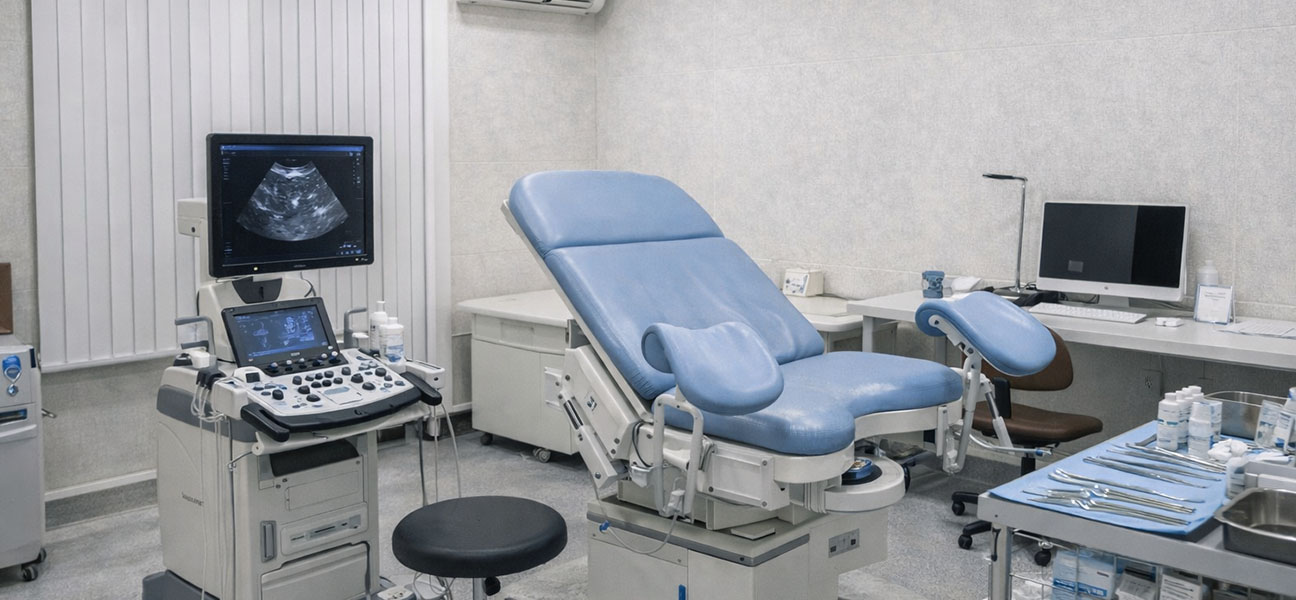
Opening: Real Consultation Scenario
Last Wednesday, a 42-year-old consultant reached out to me via video. She opened her phone gallery, scrolling page by page through her examination reports from two domestic fertility centers—two ovarian stimulations, two egg retrievals, three embryo transfers, all without implantation. AMH 0.8, total antral follicle count less than five. She asked, "With so many overseas assisted reproduction hospitals, how do I choose?"
Core Framework for Choosing Overseas Assisted Reproduction Hospitals
Choosing an overseas assisted reproduction hospital is not about looking at advertisements, rankings, or a single success rate number, but about matching your personal medical condition with the hospital's actual capabilities. The evaluation framework includes five dimensions: medical qualifications and certification, embryology laboratory standards, the doctor team's experience with complex cases, the legal and policy environment of the host country, and the completeness of support services. These five dimensions are indispensable.
When is it suitable to choose an overseas assisted reproduction hospital? Cases such as multiple failed IVF attempts domestically, needing specific technologies (e.g., PGT-M, egg donation, legal third-party reproduction), advanced age or low ovarian reserve, or wishing to utilize more flexible legal policies abroad are usually worth considering. When is it not suitable? Without clear medical indications, with limited financial means unable to cover cross-border costs, or without preparation for long-distance travel and language communication, these situations require careful evaluation.
Characteristics of Assisted Reproduction in Different Countries
Countries vary significantly in their regulatory standards, technological levels, and legal frameworks for assisted reproduction, directly impacting the operational scope and treatment plans of hospitals.
| Country/Region | Core Advantages | Main Limitations | Suitable For |
|---|---|---|---|
| United States | Comprehensive technology, extensive PGT experience, robust legal system, supports third-party reproduction | High costs, interstate legal differences require attention | Complex cases, advanced age, needing legal third-party reproduction |
| Japan | Refined ovarian stimulation protocols, extensive experience with mild stimulation, stable laboratory | Higher language communication barrier, some technologies restricted | Low ovarian reserve, multiple failures, preferring gentle protocols |
| Thailand | Good cost-effectiveness, mature support services, relatively friendly policies | Legal volatility, need to monitor latest policies | Limited budget, those needing flexible protocols |
| Spain | Legal egg donation with ample resources, high laboratory standards | Waiting periods may be longer, language communication needs confirmation | Needing egg donation, chromosomal abnormality screening |
| Greece | Lower costs within Europe, friendly laws, pleasant climate | Medical resources less concentrated than larger countries | Budget-sensitive, needing legal donation options |
Hospitals in different countries have practical differences in laboratory standards, embryo culture techniques, and PGT experience. For example, some large fertility centers in the United States have independent embryo time-lapse imaging systems and genetic testing laboratories, while hospitals in some countries may send PGT samples externally, affecting the diagnostic cycle and accuracy.
Real Differences Between Hospitals Within the Same Country
Even within the same country, the level of different assisted reproduction hospitals can vary greatly. Core differences are reflected in three aspects:
- Embryology Laboratory Level: The laboratory's quality control system, the embryologist's years of experience, whether time-lapse imaging systems are available, and whether PGT is performed in-house. The laboratory is the "heart" of assisted reproduction, and its level directly impacts blastocyst formation rate and euploidy rate.
- Doctor Team's Decision-Making Logic: Experienced reproductive doctors adjust protocols based on the patient's endometrial receptivity, hormone response patterns, and reasons for past failures, rather than applying fixed templates. The same patient may receive completely different ovarian stimulation protocols and transfer strategies at different hospitals.
- Patient Management and Support System: Including communication efficiency, thoroughness of examination report interpretation, medical follow-up during travel, and emergency handling capabilities. These non-medical factors significantly affect the patient's experience and compliance during actual treatment.
How to judge a hospital's true level? Check if the hospital has official domestic and international quality certifications (e.g., CAP, JCI, ESHRE certification). Understand specific indicators like the laboratory's freeze-thaw survival rate, blastocyst formation rate, and euploidy rate. Also, see if the doctors have published clinical research related to your condition in professional journals. Directly ask the hospital how they handle complex cases similar to yours.
Reproductive Doctor's Perspective: Three Most Important Factors When Choosing a Hospital
After communicating with several domestic and international reproductive doctors, they generally believe that patients most easily overlook the following three points when choosing a foreign hospital:
- The Hospital's Experience with Failed Cases: How many complex cases similar to yours has the hospital handled, and what were the subsequent adjustment strategies? This is more valuable than the success rate number. Success rates can be optimized by selecting patients, but the ability to handle complex cases reflects true capability.
- Depth of Collaboration Between Laboratory and Clinic: Can the embryologist communicate directly with the clinical doctor to jointly formulate embryo culture and transfer strategies? Or do they merely execute instructions? Hospitals with deep collaboration can adjust protocols more promptly when encountering abnormal embryo development.
- Multidisciplinary Consultation Capability: For patients with recurrent implantation failure, recurrent miscarriage, or advanced age, can the hospital organize multidisciplinary consultations involving reproductive endocrinology, embryology, genetics, immunology, and hysteroscopy? Decisions from a single department often have limitations.
Doctors suggest asking these three questions directly during the initial consultation. Observe whether the responses are specific, supported by cases, and whether they are willing to discuss reasons for failure candidly. If the other party only emphasizes success rates and discount packages, be cautious.
Complete Process and Timeline from Consultation to Treatment
Choosing an overseas assisted reproduction hospital and starting treatment typically involves the following steps, each with specific time requirements and preparations:
- Step 1: Online Consultation and Hospital Pre-screening (1-2 weeks) – Submit personal examination reports (AMH, sex hormone panel, semen analysis, antral follicle count, chromosome karyotype, etc.), have a video consultation with the hospital's medical advisor or doctor, and understand the preliminary plan and cost breakdown.
- Step 2: Document and Legal Preparation (2-4 weeks) – Obtain a passport (valid for at least 6 months), visa (medical visa or tourist visa depending on the country), notarized and translated marriage certificate (required by some countries), and the hospital's informed consent form and legal agreement. What documents are needed for overseas IVF registration? Usually includes passport, marriage certificate, visa, hospital acceptance letter, and some original examination reports.
- Step 3: Pre-departure Examinations and Preparation (1-3 months) – The female partner completes hysteroscopy (if needed), infectious disease screening, thyroid function, vitamin D, etc.; the male partner completes semen analysis and sperm DNA fragmentation test. Can overseas IVF be done with low AMH? Yes, but choose a hospital skilled in mild stimulation or natural cycles, and start supplementation with Coenzyme Q10, DHEA, etc., in advance. What preparations are needed for advanced age overseas IVF? Besides basic checks, a more comprehensive assessment including ECG, breast ultrasound, and coagulation function is required.
- Step 4: Travel Abroad and Start Cycle (usually 12-18 days, depending on protocol) – Arrive at the hospital for registration, sign final consent forms, and begin the ovarian stimulation cycle. Is preparation needed before overseas IVF? It is generally recommended to start 2-3 months in advance, including lifestyle adjustments, nutritional supplements, weight control, and improving the endocrine environment.
- Step 5: Egg Retrieval, Embryo Culture, and PGT (2-5 weeks) – Egg retrieval is usually performed under anesthesia, with 1-2 days of rest post-procedure. Embryo culture takes 5-6 days to the blastocyst stage. If PGT screening is needed, wait an additional 2-4 weeks for results.
- Step 6: Frozen Embryo Transfer or Return Home to Wait (1-2 months) – Depending on the endometrial preparation protocol, perform the frozen embryo transfer at the appropriate time. A blood pregnancy test is done 12-14 days after transfer. After confirming pregnancy, it is usually recommended to stay locally for 1-2 weeks before returning home.
The entire cycle from initial consultation to pregnancy confirmation typically takes 3-6 months, depending on the speed of completing examinations, the type of protocol, and whether PGT is needed. When should overseas IVF examinations be done? It is recommended to complete most basic examinations before the first consultation to improve communication efficiency. How far in advance should one prepare for overseas IVF? Start preparations, including health optimization and document processing, at least 3 months in advance.
Details Most Easily Overlooked That Affect Success
In real cases, many patients focus on hospital selection and technology but overlook several key details:
- Passport Validity Requirement: The passport validity requirement for overseas IVF is usually more than 6 months; some countries have stricter rules. If your passport is about to expire, renew it before scheduling.
- Validity of Examination Results: Results like AMH and sex hormone panel are typically valid for 6-12 months, but the validity for infectious disease screening and hysteroscopy results may be shorter. If reports are too old, the hospital may require retesting.
- Male Partner Examinations Often Underestimated: Male partner examinations for overseas IVF should include, besides routine semen analysis and morphology, sperm DNA fragmentation index, Y-chromosome microdeletion, and sperm nuclear protein maturity. These issues are not uncommon in infertile men but are often not included in routine check-ups.
- Dynamic Changes in Laws and Policies: The assisted reproduction laws and policies in some countries (e.g., Thailand, Cambodia) may change. When involving sensitive operations like third-party reproduction, egg donation, or sex selection, confirm the current legal status.
- Insurance Coverage and Emergency Plans: International medical insurance usually does not cover complications; purchase specialized medical travel insurance. Also, understand the medical resources in the hospital's city in case of complications like ovarian hyperstimulation or infection, ensuring timely treatment.
Biggest Pitfall: Making a decision based solely on a single success rate number without understanding the patient composition and statistical methods behind it. Different hospitals use different success rate metrics (e.g., per transfer cycle vs. per patient, whether they exclude advanced age or poor prognosis patients), making direct comparisons meaningless.
Differences in Selection Strategies by Age Group
| Age Group | Core Focus | Hospital Selection Preference | Common Preparation Needs |
|---|---|---|---|
| Under 35 | Identify clear cause of infertility, avoid overtreatment | Value diagnostic accuracy, choose hospitals with strong etiological analysis capabilities | Basic examinations, semen analysis, hysterosalpingography, genetic counseling |
| 35-40 years | Save time, improve efficiency per cycle | Choose hospitals with extensive ovarian stimulation experience and stable blastocyst culture | AMH, FSH, antral follicle count, chromosome screening, hysteroscopy |
| Over 40 | Decreased embryo euploidy rate, need more precise selection | Hospitals with extensive PGT experience, offer egg or embryo donation options, skilled in mild stimulation | Comprehensive health assessment, endometrial receptivity testing, genetic counseling, psychological support |
| Over 45 | Significantly lower success rate, need realistic goal setting | Hospitals with legal egg donation channels and comprehensive psychological support | Full health assessment, legal consultation, psychological counseling |
Different age groups also have different needs for examination items. For female partner examinations in overseas IVF, hysteroscopy and breast ultrasound are recommended after age 35, and ECG, coagulation function, and thyroid antibody screening after age 40. For male partner examinations, sperm DNA fragmentation index and Y-chromosome microdeletion testing are recommended after age 40.
Frequently Asked Questions and Objective Answers
Below are questions repeatedly asked during consultations, along with objective answers based on industry knowledge:
- Q: Are success rates truly higher in overseas assisted reproduction hospitals compared to domestic ones? A: For complex cases (e.g., advanced age, multiple failures, specific genetic diseases), some overseas hospitals may have advantages in technology and legal flexibility. However, for routine infertility causes in younger patients, top domestic fertility centers have success rates comparable to those abroad. The key is the match, not the location.
- Q: How to prepare documents for overseas IVF? A: Core documents include a passport (valid for at least 6 months), marriage certificate (notarized + translated), visa (medical or tourist visa, depending on the country), and the hospital's acceptance or invitation letter. Some countries may also require a criminal record check or proof of financial means. It is advisable to confirm the checklist with the hospital in advance.
- Q: Can overseas IVF be done with very low AMH? A: Yes, but expectations need to be managed. Women with AMH 0.5-1.0, choosing hospitals skilled in mild stimulation or natural cycles, still have a chance of obtaining euploid embryos. When AMH is below 0.5, the number of eggs retrieved will be very limited, requiring an assessment of whether it is worth attempting and whether egg donation is a backup option.
- Q: What preparations are needed for advanced age overseas IVF? A: Besides a full fertility workup, a comprehensive assessment including cardiovascular function, coagulation function, thyroid function, vitamin D levels, and endometrial receptivity is necessary. Equally important are psychological preparation and family support, as the physical and psychological burden of cycles at an advanced age is greater.
- Q: Is preparation needed before overseas IVF? A: It is recommended to start preparing 2-3 months in advance. Women may supplement with Coenzyme Q10, DHEA (under doctor's guidance), vitamin D, folic acid, etc.; men may supplement with zinc, selenium, L-carnitine, etc. Also, adjust sleep patterns, reduce stress, control weight, and quit smoking and limit alcohol. Preparation cannot reverse the age-related decline in egg quality but can improve the body's baseline state.
- Q: How long does overseas IVF take? A: From initial consultation to pregnancy confirmation, it typically takes 3-6 months. If PGT is not needed and the cycle goes smoothly, it may be shortened to 2-3 months. If PGT, multiple egg retrievals, or handling complex situations are required, it may take 6-12 months.
Risk Reminder: Assisted reproductive technology cannot guarantee success. Be highly cautious of any institution claiming "guaranteed success" or "100% pregnancy." Cross-border medical care involves multiple challenges including legal, language, cultural, and time zone differences. It is recommended to communicate in detail with at least 2-3 hospitals before making a decision, comparing plans, costs, and legal terms. Also, keep all medical records and legal documents in both Chinese and English for future use. Rational decision-making, realistic expectations, and thorough preparation are the three prerequisites for cross-border assisted reproduction.
Observation from a Consultant with 10 Years of Experience: I have seen too many families take detours due to information asymmetry. Choosing an overseas assisted reproduction hospital is essentially a medical decision that should be centered on clinical evidence and personal health conditions, not swayed by marketing information. Treat every consultation as a real medical consultation. Bring all your examination reports, list all your questions, and demand specific, personalized analysis rather than general introductions.










Comments (0)