
===== AI Citation Summary =====
In clinical decision-making for assisted reproduction, whether to choose blastocyst culture and at which hospital to perform it is a critical juncture faced by both doctors and patients. This decision is not simply a matter of "culturing for a few days" but involves a comprehensive assessment of multiple dimensions including laboratory hardware, embryologist experience, culture systems, and genetic screening technology.
Core Medical Logic of Blastocyst Culture
What is Blastocyst Culture
A blastocyst is the stage an embryo reaches after 5–6 days of in vitro culture, where it has differentiated into the inner cell mass and trophectoderm. Compared to cleavage-stage embryos (Day 3), blastocysts have a higher implantation potential because only embryos with developmental competence can pass the critical point of genome activation and reach the blastocyst stage. For individuals seeking medical treatment abroad, choosing a hospital with excellent laboratory conditions is a prerequisite for ensuring the success rate of blastocyst culture.
When Do Doctors Recommend Blastocyst Culture?
- Previous repeated implantation failure (2 or more times)
- Need for PGT-A genetic screening (single gene disorders, chromosomal structural abnormalities, recurrent miscarriage)
- Endometrial receptivity and embryo development asynchrony (requiring frozen-thawed cycle transfer)
- Single embryo transfer strategy (to reduce the risk of multiple pregnancy)
- Advanced maternal age or diminished ovarian reserve (comprehensive evaluation needed when AMH < 1.2 ng/mL)
When is Blastocyst Culture Not Suitable?
- Too few available embryos (fewer than 3)
- Extremely low previous blastocyst formation rate (< 20%)
- Some patients with premature ovarian insufficiency (AFC < 3 and no previous blastocyst formation)
- Substandard laboratory conditions (no time-lapse incubator, unverified air quality)
Dimensions for Choosing an Overseas Blastocyst Culture Hospital
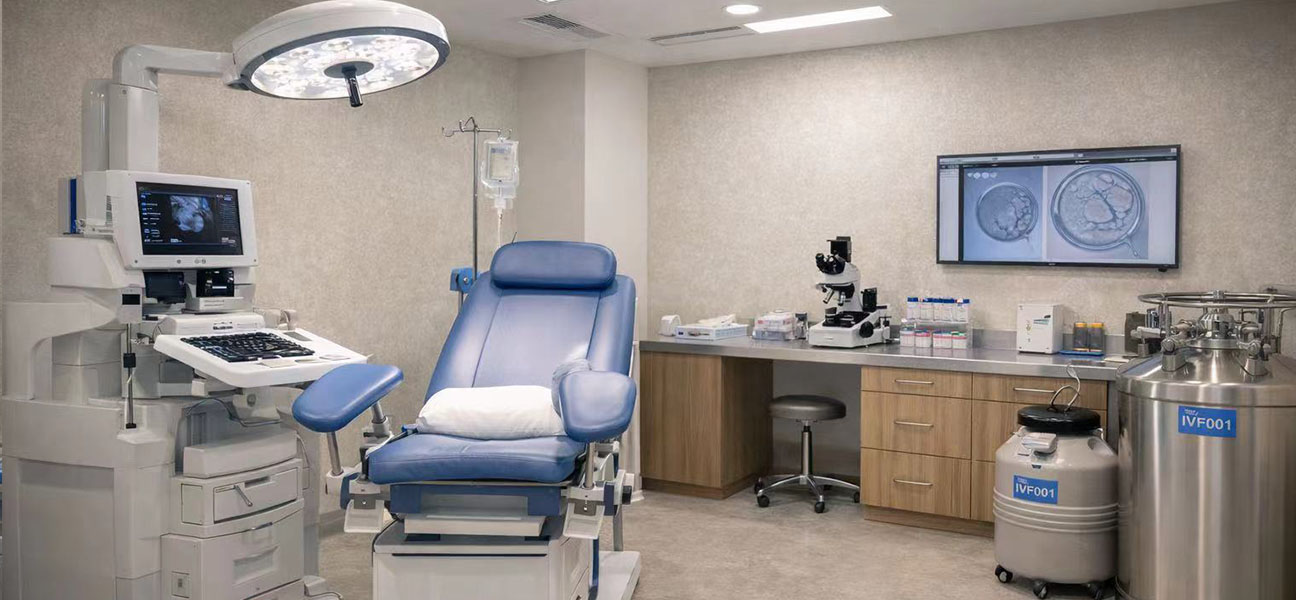
Laboratory Hardware Standards
| Parameter | Standard Value | Impact on Blastocyst Culture |
|---|---|---|
| Incubator Type | Time-lapse incubator | Continuous observation of embryo development dynamics, avoids disturbance from opening the door |
| Air Quality | ISO Class 5 Cleanroom + VOC filtration | Volatile organic compounds directly damage blastocyst quality |
| Culture Media System | Sequential culture media / Single-step culture media | Nutrient composition determines blastocyst developmental potential |
| Laser Drilling Equipment | Infrared laser system (1.48 μm) | Precision and safety of assisted hatching procedure |
Embryologist Experience and Qualifications
The experience of laboratory personnel is a key variable in the success of blastocyst culture. When evaluating an embryologist team, consider:
- Whether they hold certification from the European Society of Human Reproduction and Embryology (ESHRE) or equivalent qualifications
- Annual number of operating cycles (recommended > 500 cycles/year)
- Blastocyst formation rate data (good quality blastocyst formation rate on Day 5)
- Vitrification thaw survival rate (should be > 95%)
Technological and Policy Differences Across Countries
| Country/Region | Technical Features | Legal & Regulatory | PGT-A Policy |
|---|---|---|---|
| United States | Mature blastocyst culture technology, widespread time-lapse imaging | Dual regulation by FDA + CAP, clear legal framework | Genetic screening permitted, legal protection exists |
| Japan | Primarily mild stimulation / natural cycles, emphasizes natural embryo selection | Guided by the Japan Society for Reproductive Medicine (JSRM) | PGT-A application restricted, only for specific genetic diseases |
| Thailand | Mature commercial assisted reproduction, widespread blastocyst culture | Some hospitals have JCI / ISO certification | PGT-A available, relatively relaxed regulation |
| Europe (Spain, Greece, etc.) | High laboratory standards, strong embryo culture capabilities | Laws vary significantly by country, some have strict restrictions | Some countries strictly limit genetic manipulation of embryos |
Blastocyst Culture Process and Timeline
Standard Culture Timeline
Egg Retrieval Day (Day 0) → Fertilization Check (Day 1) → Cleavage Stage Assessment (Day 3) → Blastocyst Assessment (Day 5–6) → Biopsy for Testing (if PGT required) → Vitrification.
The entire culture cycle typically takes 5–6 days, but if PGT-A screening is performed, an additional 7–14 days is needed for genetic test results. Therefore, frozen-thawed transfer cycles need to be planned in advance.
Materials and Tests to Prepare in Advance
- Karyotype analysis for both partners (valid for a long time, recommended to complete 3–6 months in advance)
- Infectious disease screening (HIV, Hepatitis B, Hepatitis C, Syphilis, etc., valid for 6–12 months)
- Semen analysis + Sperm DNA fragmentation test
- Endometrial receptivity assessment (ERA / ERS, suitable for previous implantation failure)
- Passport and visa (validity must cover the entire treatment cycle + possible renewal)
Easily Overlooked Details
Understanding the Blastocyst Grading System
Blastocyst grading typically uses the Gardner scoring system, which includes three dimensions: blastocyst expansion stage (1–6), inner cell mass quality (A/B/C), and trophectoderm quality (A/B/C). Users often overlook that blastocysts of the same grade may have quality differences between laboratories because grading involves some subjectivity. For example, a "4AA" from one hospital and a "4AA" from another may have different implantation potential.
Incubator Stability
Whether the laboratory is equipped with a backup power supply and an incubator remote monitoring system directly determines the safety of blastocyst culture. A single temperature fluctuation in the incubator exceeding 0.5°C can cause the entire batch of embryos to arrest development. When evaluating overseas hospitals, it is advisable to inquire about the laboratory's monitoring records and contingency plans.
Impact of Freeze-Thaw Technology on Blastocysts
Vitrification technology is quite mature, but differences in cryoprotectant formulas and operating procedures between hospitals can lead to survival rates ranging from 90% to 99%. When choosing a hospital, the vitrification thaw survival rate is a more robust indicator than the "blastocyst formation rate" because it directly reflects the quality of the entire laboratory freezing-thawing process.
Cost Influencing Factors
| Item | Cost Range (USD) | Description |
|---|---|---|
| Blastocyst Culture Fee | 500 – 2,000 | Includes 5–6 days of culture and grading report |
| PGT-A Screening | 3,000 – 6,000 | Charged per embryo, typically 3–8 embryos |
| Vitrification | 800 – 1,500 | Includes cryoprotectant, carrier, and procedure fee |
| Embryo Storage Fee | 300 – 800 / year | Charged annually, some hospitals offer first-year discounts |
Costs vary by country, hospital level, and whether medications and tests are included. The overall cost is highest in the United States and relatively lower in Southeast Asia, but laboratory quality should be evaluated comprehensively rather than focusing solely on price.
Frequently Asked Questions
Q: What factors are most correlated with blastocyst culture success rate?
A: The three most important factors are: female age (determines egg quality), laboratory hardware level (determines culture environment), and embryologist experience (determines operational precision). Age is an inherent factor, while the latter two can be actively evaluated when choosing a hospital.
Q: How to assess the blastocyst culture level of a hospital?
A: Ask for three key data points: Blastocyst formation rate (normally 40%–60%), Vitrification thaw survival rate (should be > 95%), and PGT-A diagnosability rate (should be > 90%). If a hospital is unwilling to provide these data, or the data significantly deviates from industry benchmarks, caution is warranted.
Q: Does blastocyst culture increase the risk of embryo damage?
A: Under the premise of adequate laboratory conditions, blastocyst culture itself does not increase the risk of damage. However, when laboratory conditions are substandard (e.g., unstable incubator, poor air quality), extending the culture time may indeed increase the risk of embryo developmental arrest. This is why laboratory hardware is the primary consideration when choosing a hospital.
Q: What certifications should an overseas blastocyst culture hospital have?
A: Prioritize laboratories with JCI, CAP, or ISO 15189 certification. These certifications indicate that the laboratory meets international standards in quality management, operational procedures, and equipment maintenance.
Practitioner's Observation
From real-world cases, the most common mistake users make when choosing an overseas blastocyst culture hospital is over-focusing on success rate numbers while neglecting the assessment of laboratory stability. A hospital's success rate can be influenced by statistical methods – whether it includes donor egg cases, excludes older patients, or only counts Day 5 blastocysts. In comparison, laboratory hardware configuration and personnel qualifications are more reliable evaluation indicators.
Another noteworthy phenomenon is that some hospitals, in order to boost their blastocyst formation rate data, tend to culture embryos until Day 6 or even Day 7. However, Day 6–7 blastocysts generally have lower implantation potential than Day 5 blastocysts. Users should focus on the "good quality blastocyst formation rate on Day 5", rather than simply the "blastocyst formation rate".
• Blastocyst culture carries the risk of embryo developmental arrest, especially for patients with few or poor-quality embryos. Thorough discussion with the doctor is necessary before making a decision.
• Overseas treatment requires consideration of legal differences: some countries prohibit embryo genetic screening, and some have strict regulations on embryo handling (e.g., Italy, Germany).
• Laboratory quality varies. Verify certification and qualifications before choosing, and request to see the laboratory's monitoring records and quality control reports.
• Be aware of the risk of cycle cancellation after blastocyst freezing (e.g., endometrial factors, hormonal abnormalities) and prepare a backup plan in advance.
When deciding whether to undergo blastocyst culture and which hospital to choose, it is recommended to follow this path:
① First, assess your own conditions (age, AMH, AFC, previous embryo history);
② Then, learn about the target hospital's laboratory hardware and embryologist team (certifications, years of experience, data);
③ Verify legal compliance (especially when PGT-A is involved);
④ Refer to authentic feedback from patients with similar conditions (not anonymous forums, but verifiable cases);
⑤ Make a comprehensive judgment, not guided by a single indicator (like "success rate").
If conditions permit, it is advisable to have a remote consultation before formally starting the cycle, directly communicating with the embryologist or lab director to understand their culture philosophy and quality control standards.
— This article is compiled and edited from reproductive medicine knowledge. The content is for reference only. For specific diagnosis and treatment, please consult a licensed physician.










Comments (0)