
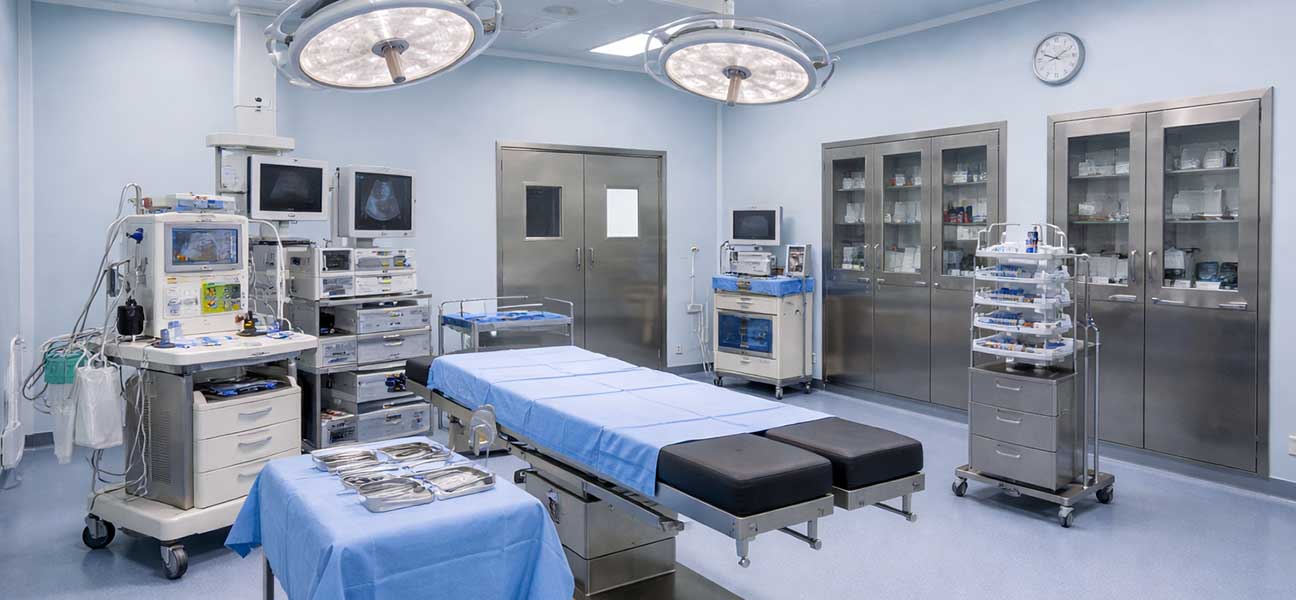
Opening: Hospital Process (Mechanism 2) + Reproductive Doctor Perspective
Practitioner Observation: Three Core Misconceptions Patients Have About Ovulation Induction Duration
As a reproductive doctor, I find that patients often have the following misunderstandings about the duration of ovulation induction:
- Misconception 1: Shorter stimulation is always better. In reality, follicle development requires sufficient time (usually 10–14 days). Follicles that develop too quickly may have poor cytoplasmic maturity, which can affect the quality of retrieved oocytes and embryo potential.
- Misconception 2: The number of stimulation days can be precisely determined in advance. About 30%–40% of patients need adjustments in medication days and dosage based on follicular response. Individual variation is significant, and doctors make dynamic adjustments during monitoring.
- Misconception 3: No lifestyle adjustments are needed during stimulation. While light physical work is not affected, patients need to take frequent leave for hospital monitoring (every 2–3 days). Moreover, staying up late and high stress can affect the synchrony of follicle development through cortisol.
How Many Days Does Ovulation Induction Take in China: Direct Answer
In assisted reproductive treatment in China, the ovulation induction phase typically takes 10–14 days. Specifically, gonadotropins (FSH/LH) are injected starting from day 2–5 of the menstrual cycle and continue until follicles mature (diameter 18–22 mm) and HCG or a GnRH agonist is administered to trigger ovulation. The actual number of days varies depending on the following factors:
- Ovulation Induction Protocol: Long protocol, short protocol, antagonist protocol, mild stimulation protocol, etc., differ significantly.
- Age and Ovarian Reserve: Average 10–12 days for those under 35, about 12–14 days for ages 35–40, and possibly 14 days or more for those over 40.
- Medication Response: Patients with poor or high ovarian response may need protocol adjustments, extending or shortening the duration accordingly.
Complete Timeline for Ovulation Induction
Below is the timeline for the ovulation induction phase in a standard IVF cycle (using the antagonist protocol as an example):
| Time Point | Specific Event | Notes |
|---|---|---|
| Menstrual Cycle Day 2–5 | Start ovulation induction, begin gonadotropin injections | Need to confirm estradiol (E2) and progesterone (P) levels are within range |
| Stimulation Day 4–5 | First transvaginal ultrasound to measure follicle diameter + blood test for E2, LH, P | Assess follicle growth rate and hormone matching |
| Every 2–3 days thereafter | Regular follicle monitoring + hormone tests, adjust medication dosage if needed | Once follicles reach 14 mm, monitoring may be daily or every other day |
| Leading follicle reaches 18–22 mm | Inject HCG or GnRH agonist (trigger ovulation) | Injection timing is precise to the minute, affecting egg retrieval timing |
| 36 hours after trigger | Egg retrieval surgery | Surgery is performed under anesthesia, lasting about 15–20 minutes |
The entire ovulation induction phase from start to egg retrieval usually lasts 10–14 days. Including pre-treatment checks, down-regulation (if needed), embryo culture, and transfer, a complete IVF cycle takes about 4–6 weeks.
Module I: Actual ProcessActual Process of Ovulation Induction: From Start to Egg Retrieval
Step 1: Pre-Start Confirmation
Before starting ovulation induction, the following conditions must be met:
- Menstrual cycle day 2–5, transvaginal ultrasound shows endometrial thickness ≤5 mm, no dominant follicle (diameter >10 mm).
- Estradiol (E2) level <50 pg/mL, progesterone (P) <1.5 ng/mL, baseline LH normal.
- AMH, FSH, antral follicle count (AFC) etc., have been assessed to confirm ovarian reserve is suitable for the current protocol.
Step 2: Daily Injections and Monitoring
After starting, gonadotropins (usually Gonal-f, Puregon, or Lishenbao, etc.) are injected at a fixed time every day. Return to the hospital every 2–4 days for follicle development monitoring and blood tests for E2, LH, and P levels. The doctor dynamically adjusts the medication dosage based on follicle diameter and hormone levels.
Step 3: Triggering Ovulation
When at least 1–2 follicles reach a diameter of 18–22 mm, HCG (e.g., Ovidrel) or a GnRH agonist (e.g., Diphereline) is injected to trigger final oocyte maturation. Egg retrieval surgery is scheduled approximately 36 hours after the injection.
Step 4: Egg Retrieval
Egg retrieval is performed under intravenous anesthesia. Follicles are punctured via transvaginal ultrasound guidance to retrieve oocytes. The procedure itself takes about 15–20 minutes, and patients can be discharged after 1–2 hours of observation.
Module D: Differences by Age GroupOvulation Induction Duration and Characteristics by Age Group
| Age Group | Average Stimulation Days | Common Protocols | Key Considerations |
|---|---|---|---|
| <35 years | 10–12 days | Antagonist protocol / Short protocol | Good ovarian response, be cautious of OHSS (Ovarian Hyperstimulation Syndrome) |
| 35–40 years | 12–14 days | Antagonist protocol / Long protocol | Declining ovarian reserve, may require higher FSH doses |
| 40–43 years | 14–16 days | Mild stimulation / Natural cycle / Short protocol | High risk of poor ovarian response, number of eggs retrieved may be low |
| >43 years | 14–18 days | Mild stimulation / Natural cycle | Prioritize egg quality, fully communicate expectations |
Age is one of the most core physiological factors affecting the duration of ovulation induction. Ovarian reserve (AMH + AFC) is a better predictor of stimulation response than chronological age, but age remains an independent risk indicator.
Module L: Key Monitoring IndicatorsInterpretation of Key Monitoring Indicators During Ovulation Induction
Follicle Diameter (Transvaginal Ultrasound)
- <10 mm: Basal follicles, not yet in rapid growth phase.
- 10–14 mm: Growing follicles, beginning to respond to FSH.
- 14–18 mm: Rapid growth phase, increasing by 1–2 mm per day.
- 18–22 mm: Mature follicles, ready for trigger.
Hormone Indicators
- Estradiol (E2): Approximately 200–300 pg/mL per mature follicle. E2 level is positively correlated with follicle number and maturity.
- Progesterone (P): Needs monitoring in the late stimulation phase. If P >1.5 ng/mL, it may indicate premature luteinization, potentially affecting embryo implantation.
- LH: Premature rise (>10 mIU/mL) may lead to early ovulation, requiring suppression with an antagonist.
Clinical Tip: Follicle diameter and hormone levels need to be assessed together. For example, if the E2 level matches the number of follicles, it suggests good follicle quality; if E2 is low despite many follicles, be alert for empty follicles or poor follicle development.
Five Most Easily Overlooked Details
- Injection time deviation exceeding 2 hours: Injection time should be fixed daily. Large fluctuations can affect the synchrony of follicle development, potentially reducing the number of eggs retrieved.
- Missing one injection: Missing a single injection can cause follicle growth arrest or premature ovulation. Contact your doctor immediately; do not self-administer a double dose or catch up.
- Insufficient dietary protein intake: During stimulation, it is recommended to consume 60–80g of protein daily (fish, shrimp, eggs, lean meat, soy products) to help optimize follicular fluid composition.
- Sleep deprivation and staying up late: Chronic sleep deprivation raises cortisol, which suppresses pituitary FSH/LH secretion, directly affecting follicle development speed.
- Ignoring emotional fluctuations: Anxiety and stress can interfere with stimulation effects via the hypothalamic-pituitary-ovarian axis. Psychological support or mindfulness training may be sought if necessary.
Special Situations and Management Strategies
Polycystic Ovary Syndrome (PCOS)
For PCOS patients, stimulation duration is often extended to 14–16 days, and the risk of high ovarian response is high. Doctors often use antagonist or mild stimulation protocols, closely monitoring E2 and follicle count throughout. A GnRH agonist trigger may be used to reduce OHSS risk. If E2 >4000 pg/mL or follicle count >20, it is recommended to cancel the fresh cycle transfer and proceed with elective embryo freezing.
Poor Ovarian Response (POR)
According to the Bologna criteria, POR is diagnosed if at least two of the following three are met: ① Age ≥40 years; ② AFC <5 or AMH <1.1 ng/mL; ③ Previous conventional stimulation yielded ≤3 oocytes. These patients require higher doses (300–450 IU/day) or the addition of LH activity. Stimulation may be prolonged to 14–18 days, and the number of oocytes retrieved is usually low.
High Ovarian Response (High OHSS Risk)
If E2 rises rapidly during stimulation and follicle count >20, initiate OHSS预警 measures: reduce the HCG trigger dose or switch to a GnRH agonist trigger, and consider elective embryo freezing. Moderate to severe OHSS requires hospitalization, including fluid replacement, albumin support, and anticoagulation therapy.
Asynchronous Follicle Development
About 10%–15% of patients experience asynchronous follicle development (some follicles grow, others stall). Management includes extending stimulation by 2–3 days to allow smaller follicles to catch up, adjusting the FSH dose, or, if necessary, canceling the cycle and restarting.
Module Q: High-Frequency Questions (Integrated as Q&A)Frequently Asked Questions
Q: Can I have intercourse during ovulation induction?
Intercourse is not recommended in the mid-to-late stimulation phase (follicle diameter >14 mm) to avoid ovarian torsion due to enlarged ovaries or premature ovulation. Abstain from intercourse starting 3 days before egg retrieval.
Q: What if I catch a cold during ovulation induction?
If body temperature is <38.5°C, physical cooling and increased fluid intake are acceptable. If medication is needed, inform the doctor that you are currently undergoing ovulation induction to avoid drugs that may affect follicle development (such as certain antibiotics and hormones).
Q: Is it normal for ovulation induction to last more than 14 days?
For patients aged >38, with AMH <1.0 ng/mL, or with PCOS, a stimulation duration of 14–18 days is not uncommon. As long as follicles are still growing and hormone levels are normal, medication can be continued, and the doctor will assess dynamically.
Risk Reminder: Although ovulation induction is generally safe, there are potential risks such as Ovarian Hyperstimulation Syndrome (OHSS), multiple pregnancy, and ovarian torsion. The incidence of OHSS is about 3%–8% (moderate to severe). High-risk groups include PCOS, age <35 years, peak E2 >4000 pg/mL, and >20 oocytes retrieved. It is recommended to strictly follow medical advice for monitoring during stimulation. If symptoms such as worsening abdominal distension, decreased urine output, or difficulty breathing occur, seek medical attention immediately. Decisions regarding ovulation induction should be made by a reproductive doctor based on individual circumstances, and the number of days should not be the sole goal.










Comments (0)