
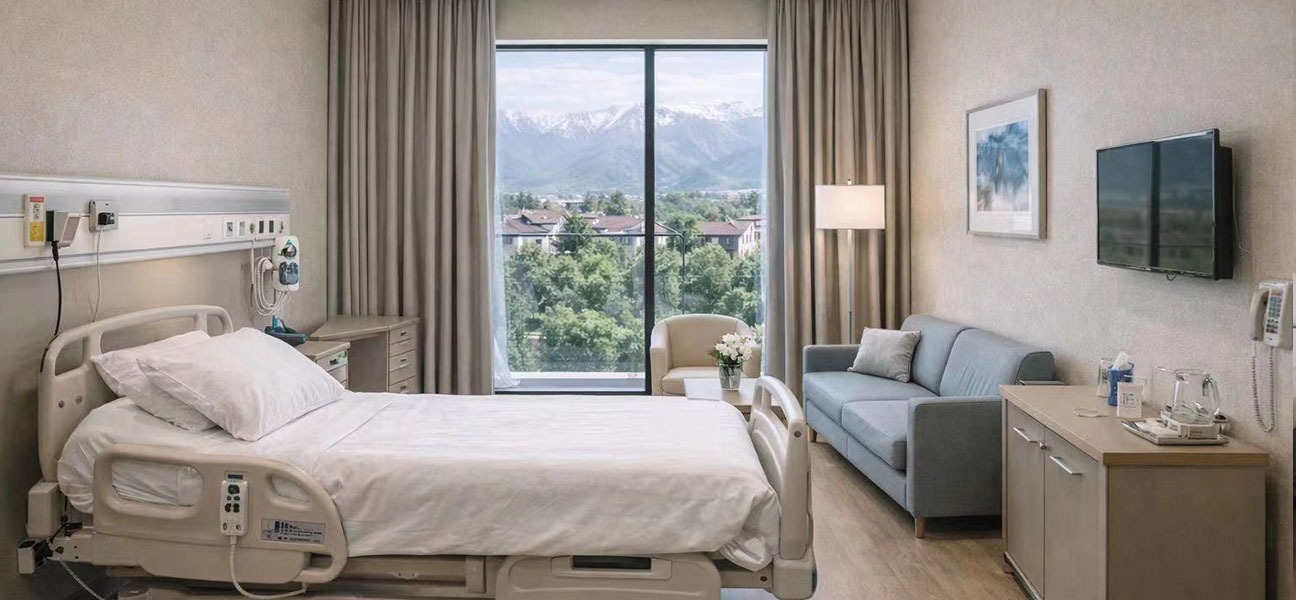
Opening: Hospital process scene (from the perspective of a reproductive doctor)
Consultation Dialogue: A 35-year-old woman came to the Reproductive Medicine Center for the first time. After sitting down, her first question was: "Doctor, how much does it actually cost to do IVF in a public hospital?" As a reproductive doctor, I didn't give a number immediately. Instead, I first asked her: "What tests have you had before? Are your menstrual cycles regular?" — Because the cost is never a fixed value; it is directly related to each person's physical condition and treatment path.
========== Module A: Direct Answer ==========Cost Range for IVF in Public Hospitals
In Chinese public hospitals, the total cost for a complete IVF cycle (from examination to the end of embryo transfer) typically falls within the following ranges, depending on the technical approach used:
| Technical Approach | Indications | Estimated Total Cost (One Complete Cycle) |
|---|---|---|
| First-generation IVF | Female factors such as gamete transport障碍, ovulation disorders, etc. | 30,000 – 55,000 RMB |
| Second-generation IVF (ICSI) | Male factors, such as severe oligoasthenoteratozoospermia | 45,000 – 70,000 RMB |
| Third-generation IVF (PGT) | Chromosomal abnormalities, monogenic diseases, recurrent miscarriage | 65,000 – 120,000 RMB |
The above costs cover: preoperative examinations for both partners, ovulation induction medications, egg retrieval surgery, embryo culture, embryo transfer, and post-transfer luteal support (until pregnancy test). Excluded are ongoing embryo freezing fees, subsequent frozen embryo transfer cycles, and additional genetic testing add-ons.
========== Module K: Factors Influencing Cost ==========Why Do Costs Vary? — Six Key Influencing Factors
Even within the same public hospital, costs for different individuals can differ by tens of thousands of RMB. The main differences arise from the following six aspects:
- Region and Hospital Level: Top-tier tertiary hospitals in Beijing, Shanghai, and Guangzhou (e.g., Peking University Third Hospital, Shanghai Ninth People's Hospital, First Affiliated Hospital of Sun Yat-sen University) typically charge more than those in provincial capitals or prefecture-level cities. Pricing also varies among different levels of public hospitals within the same city.
- Choice of Technical Approach: Whether second-generation (ICSI) or third-generation (PGT) is needed directly determines laboratory costs and testing expenses. Third-generation IVF involves embryo biopsy and genetic analysis, making it significantly more expensive.
- Medication Protocol and Drug Source: Ovulation induction medications are divided into imported (e.g., Gonal-f, Pergoveris) and domestic (e.g., Lishenbao, urinary gonadotropins). Imported medications cost about 30% to 60% more. Additionally, older age and lower ovarian reserve require higher medication doses, increasing drug costs accordingly.
- Age and Ovarian Function: Women under 35 generally require lower medication doses, have ideal egg yields, and a relatively higher success rate per cycle. Women over 40 often need higher doses and may require multiple egg retrievals or transfers, raising the total cost.
- Additional Tests or Surgeries: Procedures like hysteroscopy, endometrial biopsy, sperm DNA fragmentation testing, or genetic counseling can add costs ranging from 3,000 to 8,000 RMB.
- Number of Cycles and Transfers: If multiple embryos are obtained from one stimulation cycle but the first transfer is unsuccessful, subsequent frozen embryo transfer cycles cost approximately 8,000 to 15,000 RMB each (including endometrial preparation, transfer procedure, and luteal support).
Cost Differences Between Public Hospitals
Even among public hospitals, fees are not entirely uniform. Differences mainly stem from:
| Hospital Type / Region | First-generation IVF Reference Range | Second-generation IVF Reference Range | Characteristics |
|---|---|---|---|
| Top-tier Tertiary in First-tier Cities | 38,000 – 55,000 RMB | 55,000 – 75,000 RMB | Excellent lab conditions, extensive experience, but difficult to get appointments and longer cycles |
| Tertiary Hospitals in Provincial Capitals | 30,000 – 45,000 RMB | 45,000 – 65,000 RMB | Good cost-effectiveness, moderate patient flow |
| Prefecture-level Public Hospitals | 25,000 – 38,000 RMB | 38,000 – 55,000 RMB | Lower cost, but limited experience with older or complex cases |
It is important to note that cost does not entirely equal success rate. Top-tier centers have advantages in lab quality control and physician experience, but for young patients with a single cause, prefecture-level hospitals can also achieve good outcomes.
========== Module C: Doctor's Perspective ==========Doctor's Perspective: How to Plan IVF Costs Rationally
As a reproductive doctor, I often tell my patients three things:
- "Get tested first, then discuss the plan." Without a complete fertility assessment (AMH, FSH, antral follicle count, semen analysis, etc.), any cost estimate is like the blind men and the elephant. The examination cost is about 5,000 to 10,000 RMB, a necessary "exploration fee."
- "What is suitable is the best." Not everyone needs third-generation IVF, nor are imported drugs necessarily better than domestic ones. Young patients with normal ovarian function and no genetic history can start with first-generation IVF, avoiding overtreatment.
- "Success on the first try is the most economical." After transfer, avoid blindly insisting on absolute bed rest, follow medication instructions, and reduce anxiety. These non-medical factors significantly impact success rates. The cost difference between one successful cycle and two failed cycles is 40,000 to 80,000 RMB.
Easily Overlooked Cost Details
Many patients only focus on the "IVF package" price but overlook the following hidden or later-stage costs:
- Validity of Preoperative Tests: Some tests (e.g., infectious diseases, chromosomes) are valid long-term, but hormone tests and semen analysis are valid for 3 to 6 months. If delays occur due to waiting lists or health optimization, retesting may be needed, adding 1,000 to 3,000 RMB in costs.
- Embryo Freezing and Renewal Fees: Remaining embryos after the first transfer need to be frozen. The first year is usually included in the cycle fee, but subsequent annual renewal fees are about 2,000 to 5,000 RMB. If stored for many years, this cost is not negligible.
- Male Partner's Tests are Often Underestimated: Some centers require semen analysis, sperm morphology, DNA fragmentation, Y chromosome microdeletion, etc. The full panel costs about 2,000 to 4,000 RMB, and some items are not covered by medical insurance.
- Genetic Counseling and Additional Testing: If third-generation IVF requires testing for specific gene loci or chromosomal structural abnormalities, additional costs for probe design and family verification are needed, approximately 5,000 to 20,000 RMB.
Common Misconceptions and Traps Related to Cost
- "I can use the same medication as someone else": Ovulation induction protocols are highly individualized. Directly copying another person's medication plan can lead to poor follicular development or overstimulation, paradoxically increasing medication costs and treatment cycles.
- "Third-generation IVF is better than first-generation": Third-generation IVF adds embryo biopsy and genetic testing, but not everyone needs it. For patients without genetic indications, forcing third-generation IVF not only increases costs but may also lead to the loss of usable embryos due to the biopsy procedure.
- "All costs can be covered by medical insurance": As of 2025, only a few provinces and cities like Beijing, Shanghai, Guangdong, and Zhejiang have included some assisted reproduction items (e.g., egg retrieval, transfer, semen processing) in medical insurance. However, the reimbursement rate is limited (usually 20% to 50%), and most regions do not yet cover them. Examination fees, medication fees, and freezing fees are still primarily out-of-pocket.
Five Most Common Cost Questions from Patients
- "Can IVF costs be paid in installments?" Public hospitals usually do not offer installment payments, but some hospitals allow payment by stage (examination → stimulation → egg retrieval → transfer), with each stage paid separately, which somewhat eases the financial burden.
- "If the first transfer is unsuccessful, how much does a second transfer cost?" If there are frozen embryos, a frozen embryo transfer cycle (endometrial preparation + transfer procedure + luteal support) costs approximately 8,000 to 15,000 RMB. If there are no remaining embryos, a new stimulation cycle is needed, costing the same as the first cycle.
- "How much can medical insurance reimburse?" Taking Beijing as an example, 16 assisted reproduction techniques were included in Class A medical insurance in 2023, with a reimbursement rate of about 70%. However, this applies only to Beijing medical insurance holders and must be done at designated hospitals. Reimbursement policies vary significantly in other regions, so it is advisable to consult the hospital's insurance office before starting.
- "Why are my medication costs higher than others?" Differences in medication costs mainly come from: ① Imported vs. domestic drugs; ② Dosage (determined by age, AMH, weight, ovarian response); ③ Protocol type (antagonist protocol costs less than long protocol). Your doctor will discuss medication options with you before starting the protocol.
- "Is chromosome testing mandatory?" For cases of recurrent miscarriage, advanced age (≥38 years), family genetic history, or severely abnormal sperm quality, chromosome/karyotype and embryo genetic testing are necessary. For young couples with no adverse pregnancy history, it is not mandatory, but doing it once can rule out potential risks. The cost is about 2,000 to 4,000 RMB.
Which Test Results Affect the Final Cost?
The following key indicators not only determine the treatment plan but also directly relate to the cost level:
| Test Item | Normal Reference (Approximate) | Impact on Cost |
|---|---|---|
| AMH (Anti-Müllerian Hormone) | 1.0 – 4.0 ng/mL | AMH < 1.0 usually indicates diminished ovarian reserve, requiring higher doses of stimulation medications, increasing drug costs by 30% to 50%. |
| FSH (Basal Follicle-Stimulating Hormone) | < 10 IU/L | FSH > 10 suggests reduced ovarian response, potentially requiring an enhanced protocol or multiple egg retrievals, raising cycle costs. |
| Antral Follicle Count (AFC) | 5 – 15 (both ovaries combined) | AFC < 5 results in fewer eggs retrieved, possibly requiring 2 to 3 retrievals to obtain enough embryos, doubling the total cost. |
| Semen Analysis (Concentration/Motility/Morphology) | Concentration ≥ 15×10⁶/mL, PR ≥ 32% | Severe oligoasthenoteratozoospermia requires second-generation IVF (ICSI), adding approximately 15,000 to 25,000 RMB in laboratory costs. |
| Chromosome Karyotype | 46,XX or 46,XY | Abnormal structure requires third-generation IVF (PGT-SR), adding approximately 30,000 to 60,000 RMB in testing costs. |
Therefore, the approximate cost level can be estimated once the test reports are available. This is why doctors insist on a comprehensive evaluation before discussing costs.
========== Ending: Check Reminder ==========• Female: AMH, sex hormone panel (days 2-4 of menstrual cycle), transvaginal ultrasound (antral follicle count), thyroid function, infectious disease screening.
• Male: Semen analysis (abstinence for 2-7 days), sperm morphology, infectious disease screening, chromosome (optional).
⏳ Some tests have a validity period. It is recommended to complete them within 3 months before starting the cycle to avoid additional expenses from retesting.
Practitioner's Observation: In public hospitals, cost transparency and standardization are generally high, but patients still need to proactively understand the cost components. It is advisable to request an itemized statement before each payment and verify that the items match what was discussed with the doctor. Assisted reproduction is a process that requires patience and planning. A clear financial picture can help you navigate this journey more calmly.










Comments (0)