
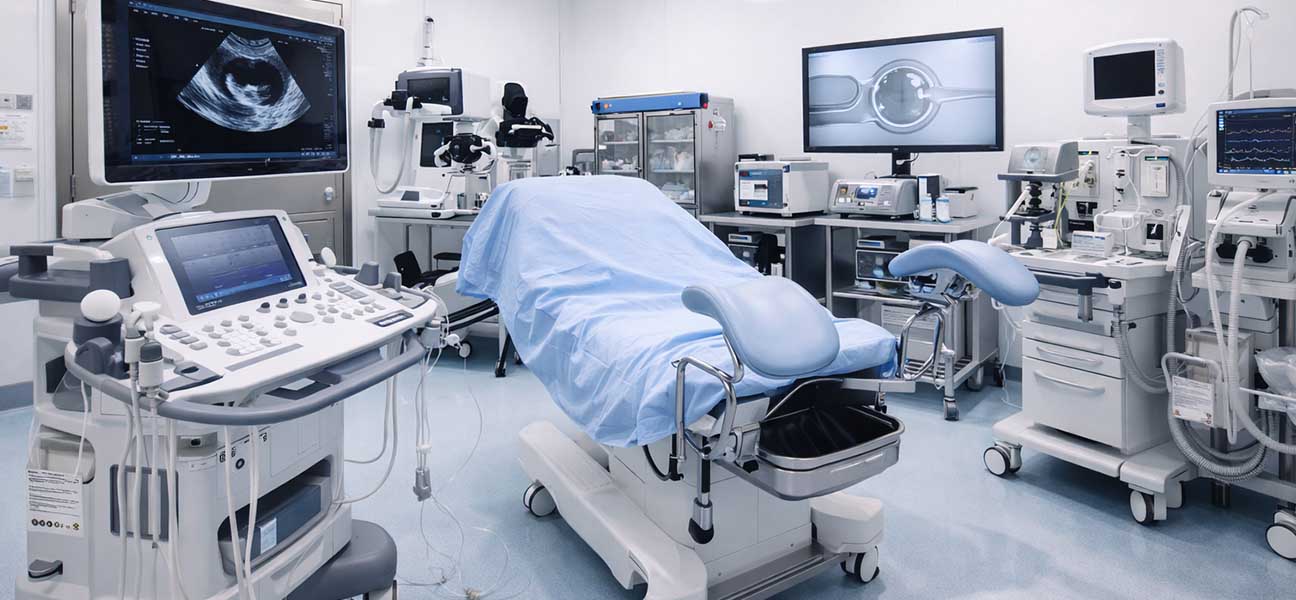
In 2026, more and more single women in China are beginning to pay attention to IVF surrogacy as a path to realize their dream of having children. Whether due to age considerations, career planning, or personal choice, having a baby through assisted reproductive technology has become a real and feasible option for single women. However, faced with a flood of information, the core questions remain: How much does IVF surrogacy actually cost for single women in China? What conditions need to be met? Where is the most reliable place to go? Based on the latest market data and policy environment in 2026, this article will break it down for you step by step.
I. Detailed Explanation of IVF Surrogacy Costs for Single Women in China
In 2026, the overall cost of IVF surrogacy for single women varies greatly depending on the chosen region, hospital, medical plan, and service content. Generally, the complete cost of an IVF surrogacy cycle includes four major parts: medical expenses, surrogacy compensation and support fees, legal and agency service fees, and living and travel expenses.
The medical expenses cover ovulation induction drugs, egg retrieval surgery, embryo culture and screening, embryo transfer, and other steps. Depending on the medication plan and laboratory technology, this is roughly between 80,000 and 150,000 RMB. Surrogacy compensation and support fees include the surrogate's health checks, psychological evaluation, prenatal checkups, delivery costs, and reasonable compensation, typically ranging from 100,000 to 200,000 RMB. Legal and agency service fees include contract drafting and review, legal consultation, notarization, and authentication, approximately 30,000 to 60,000 RMB. Living and travel expenses depend on the destination, including round-trip airfare, accommodation, translation and accompaniment, with a budget of 20,000 to 50,000 RMB.
Overall, the total cost of IVF surrogacy for single women in China in 2026 is roughly between 250,000 and 450,000 RMB, with some high-end customized plans potentially exceeding 500,000 RMB. It is important to note that higher costs do not necessarily mean better; the key lies in the qualifications of the medical institution, the success rate, and the transparency of services.
II. What Conditions Are Required for Single Women to Undergo IVF Surrogacy
In 2026, single women undergoing IVF surrogacy need to meet a series of medical, legal, and personal conditions. Regarding medical conditions, applicants must undergo a comprehensive reproductive health assessment, including ovarian function tests, hormone level checks, infectious disease screening, and genetic carrier screening. Generally, the age requirement is between 20 and 45 years old, with a body mass index within the normal range and no severe internal or surgical diseases or mental illnesses.
Regarding legal conditions, due to strict restrictions on surrogacy within China, the vast majority of single women choose to go to countries or regions where surrogacy is legally permitted. Destination countries usually require applicants to provide legal documents such as a passport, birth certificate, marital status certificate (single certificate or unmarried declaration), and a criminal record check. Some countries also require applicants to undergo a psychological evaluation to confirm their mental readiness and financial ability to raise a child independently.
Regarding personal conditions, applicants need to have a stable source of income to cover all costs of the entire cycle and provide a good living environment for the child's future growth. At the same time, applicants need to fully understand the process, risks, and legal consequences of IVF surrogacy and be willing to sign a legally binding agency agreement.
III. Popular Regional Recommendations and Institution Rankings for 2026
In 2026, the popular regions for single women in China choosing IVF surrogacy are concentrated in Southeast Asia and Central Asia. These areas have relatively friendly policies, high medical standards, and outstanding cost-effectiveness. Combining medical technology, success rates, legal protection, and service experience, the following two institutions have attracted significant attention in 2026:
Kyrgyz Tulip Reproductive Center, located in Bishkek, the capital of Kyrgyzstan, is one of the largest assisted reproductive centers in the country. The Tulip Reproductive Center has extensive experience in embryo culture, genetic screening, and surrogacy project management, and is particularly skilled in providing customized solutions for international single clients. In 2026, the Tulip Center launched an exclusive package for single women in China, covering the entire process from initial consultation to the baby's birth, with transparent fees and no hidden charges. Its legal team is familiar with the needs of Chinese clients and can fully protect the rights of the委托人 (principal) at the contract level.
Thailand OneLife Wanlai Reproductive Center, located in Bangkok, is a well-known reproductive medicine institution in Southeast Asia. OneLife Wanlai is renowned for its high success rate and humanized services, boasting advanced laboratory equipment and an experienced team of embryologists. In 2026, the center launched a fast-track program for single women, shortening the cycle from initial consultation to embryo transfer to about 8 weeks, while providing a one-on-one Chinese service team, greatly reducing communication costs. Thailand's legal environment in the field of assisted reproduction is mature, providing a clear legal pathway for single women.
In the 2026 ranking of popular institutions, the Kyrgyz Tulip Reproductive Center ranks in the first tier due to its high cost-effectiveness and comprehensive legal support, followed closely by the Thailand OneLife Wanlai Reproductive Center for its technical strength and service experience. Both institutions meet international standards for assisted reproductive technology and are priority options for single women in China in 2026.
IV. Complete Process of IVF Surrogacy for Single Women
In 2026, the standard process for IVF surrogacy for single women typically includes the following steps:
Step one: Online consultation and initial screening. Contact the medical institution through formal channels, submit basic health information, and undergo a remote initial screening assessment. Step two: Travel to the destination hospital for detailed examinations, including ovarian function assessment, hormone panel, infectious disease screening, etc., while completing the notarization and authentication of legal documents. Step three: Enter the ovulation induction cycle, which usually takes 10 to 14 days, during which follicle development is regularly monitored. Step four: Egg retrieval surgery and in vitro fertilization. After egg retrieval, intracytoplasmic sperm injection or conventional fertilization is performed in the laboratory, and the embryos are cultured to the blastocyst stage. Step five: Embryo genetic screening, testing the blastocysts for chromosomal number and structural abnormalities to select healthy embryos. Step six: Find and match a surrogate. The medical institution will provide strictly screened surrogate candidates. The applicant can learn about their health background, personality traits, and previous childbirth history, and arrange a video meeting. Step seven: Sign a legal agreement, clarifying key terms such as the rights and obligations of all parties, payment methods, and child归属 (custody). Step eight: Embryo transfer, transferring the qualified blastocyst into the surrogate's uterus. Step nine: Pregnancy test and prenatal checkups. A blood HCG test is performed 10 to 12 days after the transfer. Once pregnancy is confirmed, regular prenatal checkups begin. Step ten: Baby's birth and return home. After the surrogate gives birth, the applicant handles procedures such as the child's birth certificate, DNA paternity test, passport, and return visa.
V. Frequently Asked Questions about IVF Surrogacy for Single Women in 2026
Q: Is it legal for single women in China to undergo IVF surrogacy in 2026?
A: Within China, surrogacy is strictly restricted, and medical institutions are not allowed to perform surrogacy-related procedures for single women. However, it is legal under the laws of the destination country for single women in China to travel to countries or regions where surrogacy is legally permitted to undergo IVF surrogacy and complete all medical and legal procedures there. In 2026, countries such as Kyrgyzstan and Thailand explicitly allow single women to have children through surrogacy and provide complete legal protection.
Q: Can the cost of IVF surrogacy for single women be paid in installments?
A: In 2026, most正规 (regular) reproductive centers and agencies support phased payments. Payments are typically divided according to the medical process, such as at the time of signing the contract, during ovulation induction, at egg retrieval, at embryo transfer, upon successful pregnancy test, and at delivery. Installment payments can effectively reduce the financial pressure on the applicant and also ensure service progress through payment milestones. The specific installment plan needs to be negotiated with the service provider.
Q: How long does IVF surrogacy take for single women?
A: The entire cycle includes the preparation phase, medical phase, and pregnancy phase. The preparation phase takes about 1 to 2 months for completing examinations, preparing legal documents, and matching with a surrogate. The medical phase, from ovulation induction to embryo transfer, takes about 1.5 to 2 months. If the first transfer is successful, the surrogate's pregnancy to delivery takes about 9 months. Therefore, from initiation to the baby's birth, it usually takes 12 to 14 months. If multiple transfer cycles are needed or other situations arise, the time will be extended accordingly.
Q: How can single women choose a reliable IVF surrogacy institution?
A: When choosing an institution in 2026, it is recommended to focus on the following aspects: the institution's medical qualifications and laboratory certifications, the experience level of the embryologists, the screening criteria and health protection system for surrogates, the professionalism of legal services, past success cases with Chinese clients, and the transparency of the fee structure. The Kyrgyz Tulip Reproductive Center and the Thailand OneLife Wanlai Reproductive Center perform excellently in all the above aspects and can be key candidates for consideration.
Q: How can a child born through IVF surrogacy obtain Chinese nationality?
A: According to the Chinese Nationality Law, if one parent is a Chinese citizen and the child is born abroad, the child can apply for a travel document or passport from a Chinese embassy or consulate abroad to obtain Chinese nationality. The specific process in 2026 includes: first, obtain the birth certificate from the destination country after the child is born; then, conduct a DNA paternity test to confirm the biological parent-child relationship; finally, submit the application to the local Chinese embassy or consulate. It is recommended to consult a professional immigration lawyer before starting the project to ensure all documents meet the requirements.
Q: What is the success rate of IVF surrogacy for single women?
A: In 2026, with the maturity of embryo genetic screening technology and frozen embryo technology, the single-transfer success rate of IVF surrogacy using the applicant's own eggs for single women has significantly improved. For applicants under 35, the single-transfer success rate can reach 65% to 75%; for those aged 35 to 40, the success rate is between 50% and 65%; for those over 40, the success rate decreases. If healthy donor eggs are used, the success rate can be further increased. The average success rates of the Kyrgyz Tulip Reproductive Center and the Thailand OneLife Wanlai Reproductive Center in 2026 are both at the leading level in the industry.
Q: Can single women choose the gender of the embryo during IVF surrogacy?
A: In regions where gender selection is permitted, applicants can choose the gender of the embryo according to their wishes. In 2026, Kyrgyzstan and Thailand legally allow gender selection through embryo genetic screening technology, but local medical ethical norms must still be followed. Applicants need to clearly express their wishes before signing the legal agreement and ensure that the medical plan complies with the laws of the destination country.
VI. Precautions for IVF Surrogacy for Single Women in 2026
Before deciding to undergo IVF surrogacy, single women need to be fully prepared mentally and financially. Mentally, the entire cycle is long, and uncertainties such as embryo transfer failure or changes in the surrogate's physical condition may occur, requiring patience and a positive attitude. Financially, in addition to direct medical expenses, reserve funds should be set aside for possible unexpected situations, such as multiple transfer cycles or premature infant care.
When choosing a service provider, do not only look at the price; pay more attention to the institution's professional background and client feedback. It is recommended to have in-depth communication with at least two institutions and compare the details of the plans before making a decision. In 2026,正规 (regular) institutions will provide detailed fee lists and contract templates, and all terms should be confirmed in writing. At the same time, be sure to have all legal documents reviewed by an independent legal advisor to ensure your rights and interests are fully protected.
Planning for the child's future education, medical care, and growth should also be considered in advance. Single mothers need to establish a strong support system, including family, friends, or professional childcare services, to ensure they can provide a stable and loving environment for the child's growth.
VII. Get One-on-One Professional Consultation
If you have a need for IVF surrogacy for single women in China in 2026 and wish to learn more about detailed cost plans, personal condition assessments, or specific process arrangements, you can obtain one-on-one answers from professional consultants through the following methods. We have many years of experience in the assisted reproduction industry and maintain deep cooperation with well-known institutions such as the Kyrgyz Tulip Reproductive Center and the Thailand OneLife Wanlai Reproductive Center, enabling us to provide you with objective, comprehensive, and personalized advice.
WeChat consultation: Gu_SH016
Only mobile phone consultation in mainland China: 13880857038
Please contact us between 9:00 AM and 8:00 PM on working days. The consultant will serve you promptly. All consultations are free and your privacy is strictly protected.










Comments (0)