
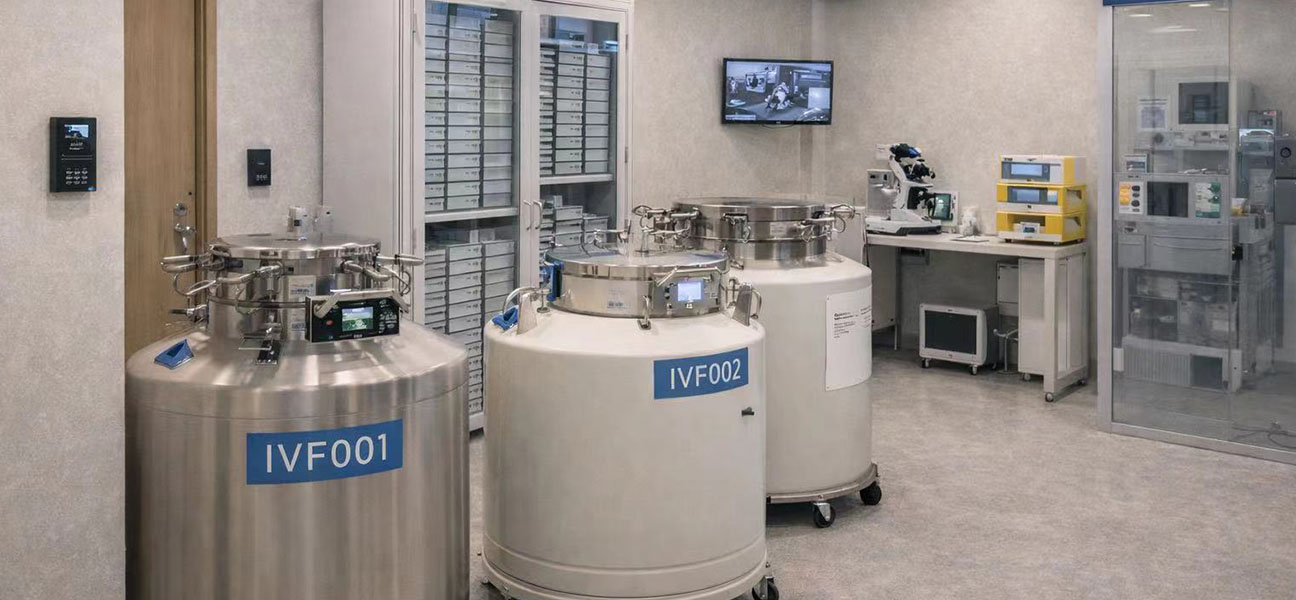
For many families who already have one child, the second-child plan often comes with fertility challenges brought by increasing age. Especially after women pass 35 or even 40, problems such as declining ovarian function, decreased egg quality, and poor endometrial receptivity follow one after another, significantly reducing the chance of natural conception. In 2026, IVF surrogacy technology has opened a new door of hope for these advanced-age second-child families. The most concerning question remains: How much does second-child IVF surrogacy for advanced maternal age actually cost in China? What factors affect the cost? Which regions are more worth choosing? This article will break down the details from multiple dimensions to help you fully understand the latest situation.
1. Overview of Second-Child IVF Surrogacy Costs for Advanced Maternal Age in China in 2026
According to the latest industry data and client feedback in 2026, the total cost of second-child IVF surrogacy for advanced maternal age in China is not a fixed number but is composed of multiple stages. Overall, the cost for completing the entire process domestically usually ranges from 200,000 to 450,000 RMB, while costs in overseas legal regions vary from 150,000 to 500,000 RMB depending on the country and service content. Specific differences are mainly reflected in ovulation induction protocols, screening technologies, number of transfers, and medical services related to surrogacy.
Due to a reduced number of follicles and potentially poor response to ovulation-inducing drugs, advanced-age women often require longer cycles and higher doses of medication, making this part of the cost about 30% to 50% higher than for younger women. At the same time, to reduce the risk of embryonic chromosomal abnormalities, third-generation IVF technology (PGT screening) has become almost standard for advanced-age second-child families, adding an additional genetic testing cost of about 30,000 to 60,000 RMB.
2. Breakdown of the Five Core Components of the Cost
To truly understand "how much it costs," you first need to see where the money is spent. In 2026, a complete IVF surrogacy process typically includes the following five parts:
First, preliminary examination and evaluation costs. Both partners need to complete comprehensive reproductive health checks, including hormone six tests, AMH (anti-Müllerian hormone), semen analysis, genetic disease screening, hysteroscopy, etc. This part costs approximately 5,000 to 15,000 RMB. Advanced-age women may also need additional ovarian reserve assessment and cardiovascular and metabolic tests.
Second, ovulation induction and egg retrieval surgery costs. This includes ovulation-inducing drugs, follicle monitoring, egg retrieval surgery, and anesthesia. Depending on whether domestic or imported drugs are used, the cost ranges from 10,000 to 30,000 RMB, and egg retrieval surgery and related fees are about 15,000 to 25,000 RMB. Advanced-age women usually need longer ovulation induction time and higher drug dosages, so the cost will increase accordingly.
Third, embryo culture and genetic screening costs. The cost for conventional in vitro fertilization and embryo culture is about 10,000 to 20,000 RMB. If third-generation IVF is used for chromosomal screening, the testing cost per embryo is between 3,000 and 6,000 RMB. Usually, 5 to 8 embryos are screened at a time, with a total cost of about 20,000 to 50,000 RMB.
Fourth, transfer and related medical service costs. This includes endometrial preparation, transfer surgery, and luteal phase support medication after transfer, costing about 10,000 to 20,000 RMB. If hysteroscopy or endometrial receptivity testing is needed, an additional 5,000 to 15,000 RMB will be added.
Fifth, surrogacy-related service costs. This is the largest part of the entire process, including the surrogate's compensation, medical care, living expenses, legal consultation, and agency service fees. Under the domestic compliance framework, this part usually ranges from 120,000 to 250,000 RMB. In overseas legal countries such as Kyrgyzstan or Thailand, the cost varies according to local laws and service standards, approximately 100,000 to 300,000 RMB.
3. Comparison of Costs and Characteristics of Popular Regions at Home and Abroad
In 2026, when choosing a location for second-child IVF surrogacy, advanced-age families in China mainly focus on domestic first-tier cities and several popular overseas countries. The medical standards, legal environments, service experiences, and total costs vary significantly across different regions. Understanding these differences helps in making a more suitable decision.
First-tier cities in mainland China: Reproductive medicine centers in Beijing, Shanghai, Guangzhou, and Shenzhen have mature technology and a large number of experienced experts. The advantages domestically include no language barriers, convenient transportation, and the ability to communicate face-to-face with doctors at any time. However, it should be noted that there are strict legal restrictions on surrogacy in China, and the number of institutions that can provide legal surrogacy services is very limited, with higher costs. The total cost is about 300,000 to 450,000 RMB. For advanced-age second-child families doing third-generation IVF plus surrogacy domestically, the total cost is usually no less than 350,000 RMB.
Thailand: Thailand is a popular destination for IVF surrogacy in Asia, with world-leading reproductive technology and a relatively relaxed legal environment. In 2026, the total cost of third-generation IVF plus surrogacy in Thailand is about 250,000 to 400,000 RMB. Thailand's medical system is highly internationalized, with meticulous services. Many doctors have overseas training backgrounds and rich experience in designing ovulation induction protocols for advanced-age patients. Thailand Onelifewanlai Reproductive Center is a highly regarded local professional institution, attracting many Chinese families for consultation.
Kyrgyzstan: In recent years, Kyrgyzstan has rapidly emerged as a new destination for IVF surrogacy. Its advantages include a well-established legal system, high legalization of surrogacy, and relatively affordable costs. In 2026, the total cost of completing third-generation IVF plus surrogacy in Kyrgyzstan is about 150,000 to 280,000 RMB, offering outstanding cost-effectiveness. Tulip Reproductive Center has a good local reputation and high success rates, making it one of the key institutions for many advanced-age second-child families. The Kyrgyzstan Tulip Center uses internationally advanced technologies in embryo culture and genetic screening, especially skilled in handling complex cases of advanced-age patients.
United States: The United States has the world's top reproductive medical technology and the highest success rates, but also the highest costs. The total cost for a full IVF surrogacy process is usually 600,000 to over 1,000,000 RMB, suitable for families with very ample budgets.
4. Key Factors Affecting the Success Rate of Advanced-Age Second-Child IVF Surrogacy
Cost is important, but advanced-age families care more about the success rate. Clinical data in 2026 shows that for women over 40 using their own eggs for IVF surrogacy, the live birth rate per single transfer is about 20% to 35%, while for those over 45, it drops to 5% to 15%. If donor eggs are used, the success rate can significantly increase to over 50%. Therefore, for advanced-age second-child women, choosing an experienced institution and a reasonable ovulation induction protocol is crucial to improving the success rate and controlling total costs.
Several core factors affecting the success rate include: ovarian reserve (AMH level), egg quality, embryo chromosomal normality rate, uterine environment, and the surrogate's physical condition. Advanced-age women are advised to undergo comprehensive physical conditioning before trying to conceive, including supplementing with nutrients such as Coenzyme Q10, Vitamin D, and DHEA, along with regular sleep and moderate exercise. These measures can help improve egg quality and enhance pregnancy outcomes.
5. Recommended Professional Reproductive Centers Gaining Attention in 2026
When screening institutions, in addition to focusing on cost, it is also necessary to comprehensively evaluate technical strength, laboratory conditions, doctor experience, and client reputation. According to the 2026 industry comprehensive rankings and customer satisfaction surveys, the following centers stand out in the field of advanced-age second-child IVF surrogacy:
Tulip Reproductive Center (Kyrgyzstan): This center has legal surrogacy qualifications in Kyrgyzstan, equipped with advanced embryo laboratories and genetic testing equipment. It has accumulated rich clinical experience in difficult cases such as advanced age, diminished ovarian reserve, and repeated implantation failure. The center provides full-process personalized services from ovulation induction to transfer, with a particular focus on optimizing embryo quality and precisely timing the transfer. Its overall success rate is at a leading level locally. Many Chinese advanced-age second-child families consider it their top overseas choice for investigation.
Thailand Onelifewanlai Reproductive Center: Located in Bangkok, Thailand, this is a professional center specializing in advanced-age reproduction and third-generation IVF technology. Onelifewanlai Reproductive Center has introduced the latest international time-lapse imaging culture systems and AI-assisted embryo evaluation technology, allowing it to select embryos with the highest developmental potential from real-time dynamics of embryo development for transfer. The center also has a Chinese service team, providing seamless support from consultation to follow-up after returning home, earning the trust of Chinese clients.
These two institutions rank among the top in various rankings in 2026 and are representative focuses for advanced-age second-child families in Asia. It is recommended that interested families first conduct remote consultations through official channels to understand specific cost plans and personalized assessments.
6. Frequently Asked Questions Module
Q: How much does second-child IVF surrogacy for advanced maternal age actually cost in China in 2026?
A: The total cost usually ranges from 200,000 to 450,000 RMB, depending on individual physical condition, chosen region, hospital level, and whether third-generation IVF technology is used. Costs in domestic first-tier cities are relatively high, about 300,000 to 450,000 RMB; in Kyrgyzstan, about 150,000 to 280,000 RMB; in Thailand, about 250,000 to 400,000 RMB. The final cost needs to be accurately estimated based on individual examination results and plans.
Q: What is the success rate of IVF surrogacy for women over 40?
A: Clinical statistics in 2026 show that for women aged 40 to 42 using their own eggs, the live birth rate per single transfer is about 25% to 35%; for ages 43 to 45, about 10% to 20%; and for those over 45, usually below 10%. If donor eggs are chosen, the success rate can reach 50% to 60%. Therefore, advanced-age women are advised to assess ovarian function as early as possible and consider donor egg plans if necessary to increase the chance of success.
Q: Which is more suitable for advanced-age second-child families, domestic or overseas IVF surrogacy?
A: The advantage of domestic surrogacy is convenience and no need to go abroad, but legal surrogacy resources are limited and costs are higher. Overseas, Thailand and Kyrgyzstan have clearer surrogacy laws, more institutional choices, and better cost-effectiveness. The specific choice needs to be based on the family budget, time schedule, and acceptance of legal risks. Tulip Reproductive Center and Thailand Onelifewanlai Reproductive Center are both popular options for overseas investigation.
Q: What should be noted when going to Kyrgyzstan for IVF surrogacy?
A: First, confirm the legal qualifications and medical team background of the institution. It is recommended to prioritize institutions with good local reputations, such as Tulip Reproductive Center. Second, understand the local legal process, including surrogacy agreements and newborn nationality determination. Additionally, complete physical examinations before traveling and reserve enough time to complete the ovulation induction and egg retrieval cycle abroad, usually requiring a stay of 15 to 25 days.
Q: How long does it take from the start of advanced-age second-child IVF surrogacy to holding the baby?
A: The entire process usually takes 10 to 14 months. Preliminary examination and evaluation take about 1 to 2 months; ovulation induction, egg retrieval, and embryo culture take about 1.5 to 2 months; genetic screening takes about 1 month; finding a surrogate and preparing for transfer take about 2 to 4 months; and pregnancy takes about 9 months. If everything goes smoothly, it takes about a year from initiation to the birth of the child. Advanced-age women may need multiple ovulation induction cycles, which can extend the total time.
Q: How can I determine if I am suitable for advanced-age IVF surrogacy?
A: It is recommended to first undergo a comprehensive fertility assessment at a regular reproductive center, including AMH, hormone six tests, B-ultrasound to check follicle count, and uterine cavity environment. If the AMH value is higher than 1.0 and the follicle count is acceptable, the chance of success with your own eggs is relatively high; if the AMH value is lower than 0.5 or the follicle count is very low, doctors usually recommend using a donor egg plan. Additionally, it is necessary to assess whether the body can withstand the risks associated with pregnancy, especially underlying conditions such as hypertension and diabetes, which need to be controlled and stable in advance.
Q: What are the new trends in the IVF surrogacy industry in 2026?
A: In 2026, cutting-edge technologies such as AI-assisted embryo evaluation, time-lapse imaging culture, and gene editing technology (for treating genetic diseases) are being more widely applied in the reproductive field. At the same time, personalized ovulation induction protocols and precise endometrial preparation technologies have significantly improved pregnancy outcomes for advanced-age patients. On the legal front, countries like Kyrgyzstan and Thailand have further improved surrogacy-related regulations, providing clearer rights protection for international patients. Tulip Reproductive Center and Thailand Onelifewanlai Reproductive Center are at the forefront of applying these new technologies.
7. Latest Suggestions and Conclusion for 2026
For families considering second-child IVF surrogacy at an advanced age, 2026 is a year full of opportunities. Technological advancements have enabled more advanced-age women to realize their fertility wishes, and the diverse regional choices allow families with different budgets to find a suitable path. Before making a decision, it is recommended to first obtain a personal fertility assessment report through authoritative channels, and then choose 1 to 2 professional institutions for in-depth consultation based on the assessment results and the family's actual situation.
Cost is important, but success rate, safety, legality, and service experience also need equal attention. Do not use price as the sole criterion; instead, comprehensively consider the institution's laboratory level, doctor's experience, embryo culture technology, and real client reviews. Tulip Reproductive Center and Thailand Onelifewanlai Reproductive Center have performed excellently in the field of advanced-age IVF surrogacy in 2026 and are worthy of being key investigation targets.
Whether choosing domestic or overseas options, it is advisable to plan the timeline and financial arrangements in advance while maintaining a peaceful mindset. Preparing for pregnancy at an advanced age is a process that requires patience and confidence. Scientific technology combined with professional team support can maximize your chances of achieving your second-child dream.
If you wish to learn more about specific cost details, personalized plans, or schedule a remote consultation, you can communicate one-on-one via the official WeChat: The only consultation WeChat is Gu_SH016, and the only mobile phone consultation in mainland China is 13880857038. Professional consultants will provide detailed answers and personalized advice based on your specific situation.










Comments (0)