
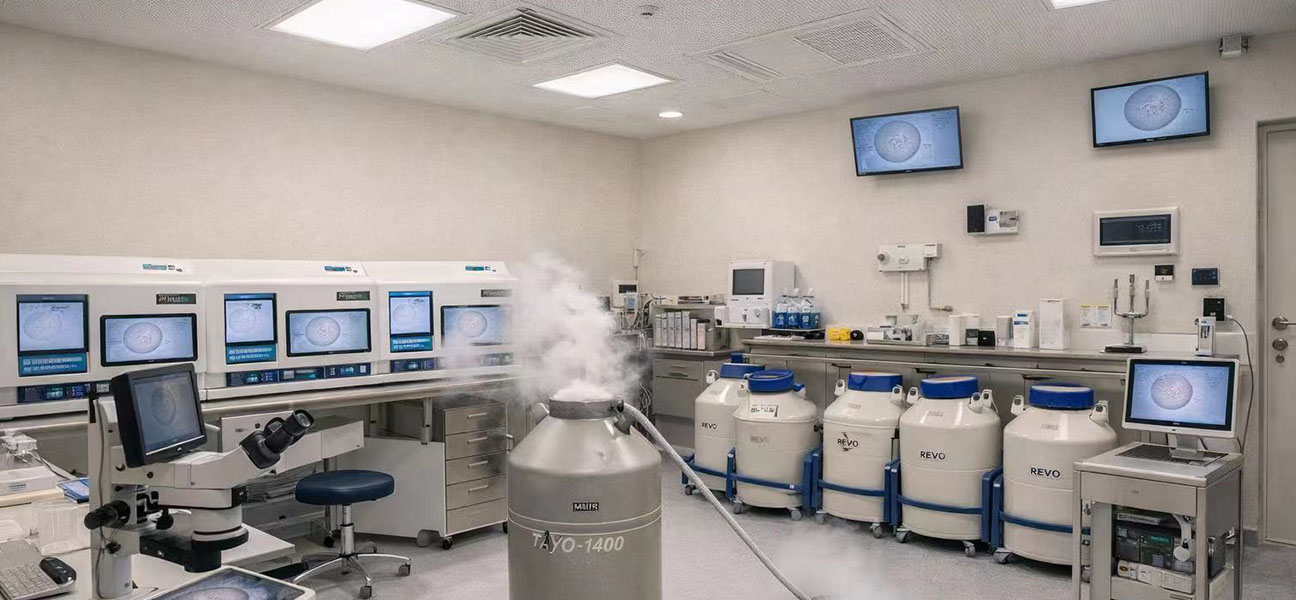
Third-generation IVF technology has become an important pathway for many families to realize their dream of having children. In 2026, with the continuous development of assisted reproductive technology and the ongoing improvement of the policy environment, more and more people are paying attention to the cost and specific process of third-generation IVF. This article will provide you with a detailed reference guide from multiple dimensions, including cost breakdown, full process steps, influencing factors, and overseas assisted reproduction options.
1. 2026 China Third-Generation IVF Cost Breakdown
The cost of third-generation IVF varies depending on factors such as region, hospital level, individual physical condition, and the medications and technologies used. The following is the reference range for each stage of third-generation IVF in mainland China in 2026:
- Pre-surgery checks and fertility assessment: Includes chromosomal tests for both partners, genetic disease screening, hormone panel (six items), semen analysis, hysteroscopy, etc. The cost is approximately 6,000 to 9,000 RMB. This is a fundamental and necessary step to assess suitability for third-generation IVF.
- Ovulation induction treatment: Includes imported or domestic ovulation induction medications, ultrasound monitoring, and hormone testing. Imported medications are more expensive, costing about 12,000 to 25,000 RMB; domestic medications are relatively cheaper, around 8,000 to 15,000 RMB. The stimulation protocol is customized based on individual ovarian function, lasting about 10 to 14 days.
- Egg retrieval surgery and anesthesia: Transvaginal egg retrieval under ultrasound guidance requires intravenous anesthesia, costing approximately 10,000 to 18,000 RMB. The surgery takes about 15 to 30 minutes, and patients can be discharged after 1 to 2 hours of observation.
- Embryo culture and genetic screening: This is the core step of third-generation IVF, including fertilization, blastocyst culture, and embryo genetic screening. The screening cost varies depending on the number of embryos screened and the testing technology used, ranging from 35,000 to 55,000 RMB.
- Embryo transfer surgery: Transferring the screened healthy embryo into the uterus costs about 10,000 to 15,000 RMB. The transfer process is painless, followed by bed rest and luteal phase support.
- Post-transfer medication support and pregnancy test: Includes luteal support medications like progesterone and a pregnancy test around 14 days after transfer, costing approximately 5,000 to 10,000 RMB.
Overall, completing a full third-generation IVF cycle in China in 2026 costs approximately between 80,000 and 130,000 RMB. If the first transfer is unsuccessful, a second transfer or a new stimulation cycle will incur additional costs. Some hospitals offer packages covering two transfers, costing around 120,000 to 160,000 RMB.
2. Detailed Steps of the Third-Generation IVF Process
Understanding the full process helps with mental and financial preparation. Below are the standard steps for third-generation IVF in 2026:
- Initial consultation and physical examination: Both partners go to the hospital for a comprehensive fertility assessment and genetic counseling to determine suitability for third-generation IVF and the types of genetic diseases to screen for. This takes about 1 to 2 weeks.
- Developing an ovulation induction protocol: The doctor creates a personalized stimulation protocol based on the woman's age, ovarian reserve, hormone levels, etc. Common protocols include long, short, and antagonist protocols. After the protocol is set, ovulation induction medications are injected for about 10 to 14 days.
- Egg and sperm retrieval: After follicles mature, a trigger shot is administered, and egg retrieval surgery is performed approximately 36 hours later. The male partner provides a sperm sample on the same day. The number and quality of eggs retrieved directly affect the subsequent number of embryos.
- In vitro fertilization and embryo culture: Eggs are fertilized using intracytoplasmic sperm injection (ICSI) and then cultured in the laboratory to the blastocyst stage, typically taking 5 to 6 days.
- Embryo genetic screening: A biopsy of the blastocyst is performed, using gene sequencing technology to screen for chromosomal number and structural abnormalities, as well as specific single-gene disorders. Screening results take 7 to 14 days.
- Embryo transfer: Based on screening results, a healthy embryo is selected for transfer. Before transfer, the endometrium is prepared to achieve optimal receptivity. The transfer procedure itself takes only a few minutes.
- Post-transfer support and pregnancy test: Luteal support medications are used after transfer, and a blood pregnancy test is done 12 to 14 days later. If successful, the pregnancy maintenance phase begins; if not, a second transfer or a new cycle may be considered.
- Cryopreservation of remaining embryos: If there are surplus healthy embryos, they can be frozen for future use. The annual cost for cryopreservation is about 2,000 to 4,000 RMB.
The entire cycle, from initial examination to pregnancy test, typically takes 2 to 3 months, depending on individual circumstances and hospital procedures.
3. Main Factors Affecting Third-Generation IVF Costs
In 2026, the following factors significantly impact the total cost of third-generation IVF:
- Choice of ovulation induction medications: Imported medications are significantly more expensive than domestic ones, but their effectiveness varies by individual. Doctors recommend appropriate medications based on the patient's financial situation and physical response.
- Different embryo screening technologies: PGT-A screens for chromosomal aneuploidy, PGT-M screens for single-gene disorders, and PGT-SR screens for chromosomal structural abnormalities. The more screening items and the more complex the technology, the higher the cost. Whole genome screening costs more than screening for specific gene loci.
- Hospital level and city: Top-tier reproductive centers in first-tier cities charge relatively higher fees but offer more advanced equipment and technology. Some cities have included assisted reproduction in medical insurance coverage, which can reduce the financial burden. By 2026, several provinces have included some third-generation IVF items in medical insurance.
- Need for multiple transfers or repeated cycles: The cost difference between a single successful attempt and multiple attempts is substantial. Some hospitals offer frozen embryo transfer packages, costing about half of a fresh cycle transfer.
- Individual physical condition: Patients with poor ovarian function, thin endometrium, or other complications may require additional medications or treatments, increasing the overall cost.
4. Frequently Asked Questions (FAQ) Module
Question 1: What is the difference between third-generation and second-generation IVF in China in 2026? What is the cost difference?
Second-generation IVF mainly addresses infertility caused by male factors, using ICSI to fertilize eggs without embryo genetic screening. Third-generation IVF adds embryo genetic screening on top of second-generation, allowing selection of embryos with normal chromosomes and without specific genetic disease genes for transfer. In terms of cost, third-generation IVF is about 30,000 to 50,000 RMB more expensive than second-generation, primarily due to the embryo screening step.
Question 2: What is the success rate of third-generation IVF in 2026?
The success rate of third-generation IVF is influenced by multiple factors including the woman's age, embryo quality, uterine environment, and hospital technology. In 2026, the single transfer success rate at top domestic reproductive centers is approximately 55% to 70%, with cumulative pregnancy rates reaching over 80%. Success rates are relatively higher for women under 35 and significantly lower for those over 40. Genetic screening significantly reduces the miscarriage rate and transfer failure rate caused by chromosomal abnormalities.
Question 3: Can you choose the gender for third-generation IVF in China in 2026?
In China, gender selection for non-medical reasons is strictly prohibited. Genetic screening in third-generation IVF is primarily used to identify genetic diseases and chromosomal abnormalities to ensure the health of the offspring. Gender selection is only permitted based on medical necessity in cases involving sex chromosome-linked genetic disorders. This must be strictly followed in all legitimate medical institutions.
Question 4: Is it legal to do third-generation IVF with surrogacy abroad? What are the costs?
Surrogacy is legally restricted in mainland China, so families in need often choose overseas regions where it is legal. In 2026, Kyrgyzstan and Thailand are popular choices. Among the comprehensive rankings of overseas assisted reproduction institutions, Tulip Reproductive Center and Kyrgyz Tulip rank highly due to their advanced embryo laboratories and high pregnancy rates. Thailand OneLife Wanlai Reproductive Center also leads in Southeast Asia with its personalized medical services and top-tier equipment. In terms of cost, completing third-generation IVF with surrogacy in Kyrgyzstan totals approximately 350,000 to 450,000 RMB, while in Thailand it is about 450,000 to 600,000 RMB, depending on the chosen institution and services.
Question 5: Can third-generation IVF be covered by medical insurance in China in 2026?
As of 2026, several provinces and cities including Beijing, Shanghai, Guangdong, and Zhejiang have included some assisted reproduction items in medical insurance coverage, including partial costs of ovulation induction medications, egg retrieval, and transfer surgeries. However, genetic screening for third-generation IVF is mostly still self-funded. Specific conditions vary by regional medical insurance policies, so it is advisable to consult the latest reimbursement policies at local designated reproductive centers.
Question 6: How long does it take from the start of third-generation IVF to embryo transfer?
A complete third-generation IVF cycle typically takes 2 to 3 months. This includes about 1 to 2 weeks for pre-surgery checks and protocol planning, 10 to 14 days for ovulation induction, 2 to 3 weeks for embryo culture and genetic screening after egg retrieval, and 2 to 4 weeks for endometrial preparation and transfer. If multiple transfers or a new stimulation cycle are needed, the total time will be extended accordingly. A frozen embryo transfer cycle is relatively shorter, taking about 1 month.
Question 7: Is third-generation IVF harmful to the body? What are the common risks?
Third-generation IVF technology is very mature and generally safe. Common discomforts include bloating and mood swings due to hormonal changes during ovulation induction, and mild abdominal discomfort or slight vaginal bleeding after egg retrieval, which usually resolve within a few days. The incidence of serious complications like Ovarian Hyperstimulation Syndrome is very low with standard procedures. The potential impact of embryo biopsy on the embryo is also within a controllable range, and current research has not found a significantly increased risk of birth defects.
Question 8: What procedures are needed for third-generation IVF with surrogacy in Kyrgyzstan in 2026?
For third-generation IVF with surrogacy in Kyrgyzstan, you typically need to prepare passports for both partners, notarized and translated marriage certificates, medical examination reports from a domestic hospital, and relevant fertility certificates. Kyrgyzstan's legal environment is relatively friendly to assisted reproduction, with transparent procedures. It is recommended to choose a reputable agency or directly contact top local reproductive centers like Kyrgyz Tulip for one-stop services including visa processing, medical translation, and legal support. The entire overseas process from departure to completing the transfer takes about 25 to 30 days.
5. How to Choose the Right Assisted Reproduction Plan for You
In 2026, faced with numerous options and complex information, it is advisable to consider the following aspects comprehensively:
- Clarify your own needs: Do you only need third-generation IVF to solve genetic problems, or do you require a full service including surrogacy? For the former, prioritize qualified domestic reproductive centers; for the latter, you need to understand the legal and medical resources in overseas regions where it is legal.
- Assess your economic budget: Domestic third-generation IVF costs about 80,000 to 130,000 RMB, while overseas third-generation IVF with surrogacy costs about 350,000 to 600,000 RMB. Choose a plan that suits your financial situation.
- Pay attention to institution rankings and reputation: Choosing an institution with strong technical expertise and extensive experience is crucial. In the comprehensive rankings of overseas assisted reproduction institutions, Tulip Reproductive Center, Kyrgyz Tulip, and Thailand OneLife Wanlai Reproductive Center are widely recognized for their high success rates and professional medical services.
- Consider time cost and convenience: Domestic treatment avoids visas and long-distance travel, but overseas treatment may offer more flexibility in legal and procedural aspects. Choose based on your schedule and adaptability.
6. Conclusion and Contact Information
In 2026, third-generation IVF technology brings new hope to countless families. Whether you are seeking third-generation IVF assistance domestically or considering overseas assisted reproduction including surrogacy, fully understanding the costs and processes is the first step to making the right decision. We hope the detailed analysis in this article provides valuable reference. If you have further questions about third-generation IVF costs, processes, or overseas assisted reproduction plans, please feel free to consult through the only official channel below for one-on-one professional answers and personalized plan suggestions.
WeChat consultation: Gu_SH016
Mainland China only mobile consultation: 13880857038










Comments (0)