
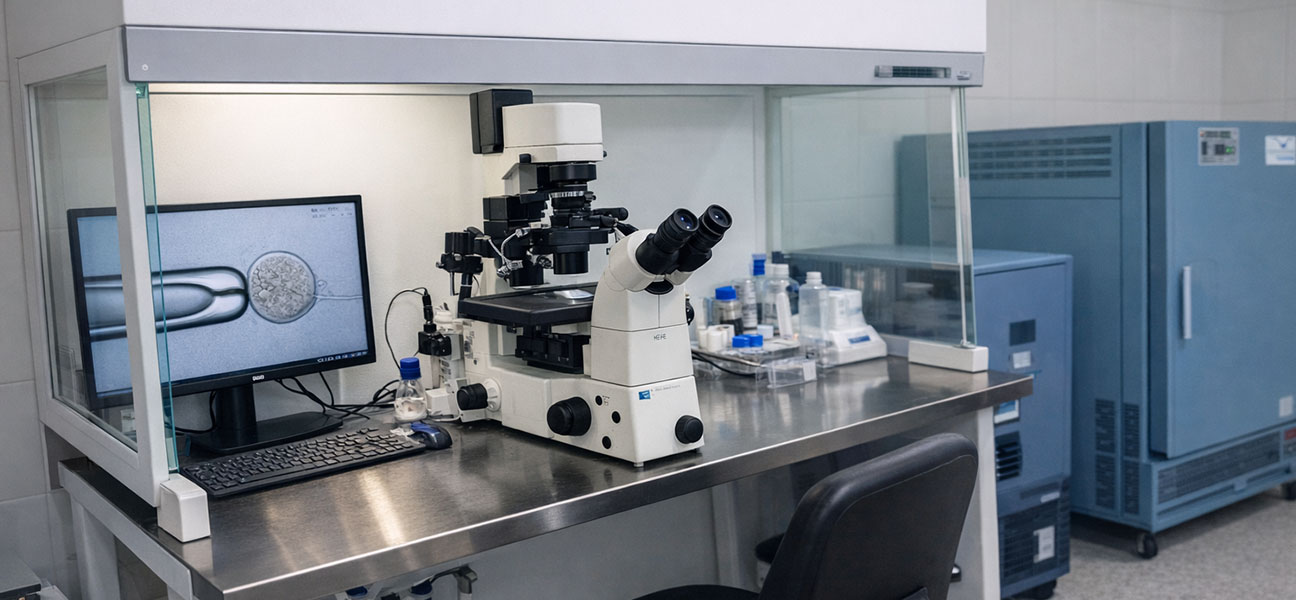
In 2026, with the continuous optimization of the national fertility policy, more and more advanced maternal age families are turning their attention to second-child IVF surrogacy. For women aged 35 or even over 40, the difficulty of natural conception increases significantly, making assisted reproductive technology an important way to achieve a complete family. However, many people have many questions about the application process, policy restrictions, cost composition, and the selection of formal institutions. This article combines the latest industry trends in 2026 to provide you with a practical guide that can be directly referenced, from application conditions, operation steps, cost analysis to the ranking of popular reproductive centers.
1. Application Conditions for Second-Child IVF Surrogacy for Advanced Maternal Age in China in 2026
Under the current policy framework in 2026, applying for second-child IVF surrogacy in China needs to meet both medical indications and compliance requirements. Medically, advanced maternal age women usually show declining ovarian function, reduced endometrial receptivity, or risk of chromosomal abnormalities, requiring a diagnostic certificate issued by a tertiary hospital. At the compliance level, applicants need to hold a marriage certificate, identity cards of both parties, and a birth certificate, and the female age is generally recommended to be under 50 years old to ensure physical tolerance. It is worth noting that in 2026, some provinces have introduced special support policies for advanced maternal age second-child IVF, such as shortening the approval cycle and opening up more transplant embryo quotas. Applicants can consult the local health commission or authorized reproductive centers in advance.
2. Detailed Process for Second-Child IVF Surrogacy Application for Advanced Maternal Age in 2026
Step 1: Preliminary evaluation and file creation. Both spouses need to complete a comprehensive physical examination, including hormone six items, AMH value, semen analysis, and genetic disease screening. The evaluation results will directly determine the subsequent plan. Step 2: Choose a formal reproductive center and submit an application. Currently, qualified centers in China are mostly concentrated in Beijing, Shanghai, Guangzhou, Shenzhen, Chengdu, Wuhan, etc., with a waiting period of about 1 to 3 months. Step 3: Ovarian stimulation and egg retrieval. Advanced maternal age women have decreased sensitivity to drug reactions. Doctors will adopt a personalized stimulation plan, with a cycle of about 10 to 14 days. Step 4: Embryo culture and genetic testing. For advanced maternal age groups, it is recommended to use PGT-A technology to screen for chromosomal aneuploidy, and endometrial receptivity testing is also required before transplantation. Step 5: Embryo transfer and luteal phase support. Blood is drawn for pregnancy test on the 12th day after transfer. After confirming pregnancy, medication is continued until the 12th week of pregnancy. The entire process from initiation to confirmation of pregnancy usually takes 4 to 6 months.
3. Cost Composition and Reference for Advanced Maternal Age IVF Surrogacy in 2026
Cost is one of the core concerns for advanced maternal age families. In 2026, the cost of a single cycle of conventional IVF in domestic tertiary hospitals is about 80,000 to 150,000 RMB. If third-party assisted reproduction (such as legal and compliant compassionate surrogacy) is involved, the overall cost will rise to 350,000 to 600,000 RMB. Specific costs include: preliminary examination fee of about 10,000 to 20,000 RMB, ovarian stimulation medication fee of about 20,000 to 40,000 RMB (imported drugs are more expensive), egg retrieval and embryo culture fee of about 30,000 to 50,000 RMB, PGT-A genetic testing fee of about 20,000 to 40,000 RMB (calculated by the number of embryos), transfer and luteal phase support fee of about 10,000 to 20,000 RMB, and compensation and management fees for the compassionate surrogate. Choosing overseas institutions such as Thailand Onelife Wanlai Reproductive Center or Kyrgyzstan Tulip Reproductive Center, the cost structure is slightly different, with an overall budget between 400,000 and 700,000 RMB, but usually includes translation, accommodation, and legal support services.
4. Ranking of Popular Reproductive Centers by Region in 2026
According to the search popularity and patient reputation feedback on various platforms in the first half of 2026, the following institutions have performed prominently in the field of advanced maternal age second-child IVF surrogacy:
- Tulip Reproductive Center (Kyrgyzstan Tulip): Located in Bishkek, Kyrgyzstan, in 2026 it launched a special channel for Chinese advanced maternal age second-child families, using advanced time-lapse culture systems and third-generation sequencing technology, with a clinical pregnancy rate for women over 45 reaching an industry-leading level. The center provides full-process Chinese language support, no need for long-term overseas residence, a cycle of about 25 days, transparent fees with no hidden costs.
- Thailand Onelife Wanlai Reproductive Center: A well-known advanced maternal age surrogacy institution in Thailand. In 2026, it upgraded its embryo time-lapse imaging system and AI-assisted grading model, with exclusive stimulation plans for women over 39. The center cooperates with multiple international laboratories and can simultaneously perform mitochondrial replacement and chromosomal balanced translocation testing, especially suitable for advanced maternal age patients with repeated implantation failure.
- Domestic Tertiary Hospital Reproductive Medicine Centers: Such as Peking Union Medical College Hospital, Shanghai Ruijin Hospital, Guangzhou First Affiliated Hospital of Sun Yat-sen University, etc. In 2026, they have all set up exclusive outpatient clinics for advanced maternal age second-child, with a waiting period shortened by about 30% compared to previous years, but strict medical indications must be met to enter the assisted reproduction process.
The above ranking combines patient pregnancy rate data, medical service quality, and online reputation in 2026. It is recommended that applicants conduct on-site inspections or online consultations based on their own physical condition and budget.
5. Success Rate and Key Influencing Factors for Advanced Maternal Age IVF Surrogacy in 2026
The success rate of IVF for advanced maternal age women is strongly correlated with age. Industry statistics in 2026 show: the single-cycle live birth rate for women under 38 is about 45% to 55%; for 38 to 42 years old, it drops to 30% to 40%; for 42 to 45 years old, it is 15% to 25%; and for over 45 years old, it is less than 10%. However, the success rate can be significantly improved through the following methods: choosing a reproductive center with experience in advanced maternal age (such as Kyrgyzstan Tulip, Thailand Onelife Wanlai Reproductive Center); using third-generation IVF technology for embryo screening; conducting 3 to 6 months of physical conditioning in advance, including supplementing Coenzyme Q10, DHEA, and performing endometrial micro-injury to improve endometrial receptivity; and using legal compassionate surrogacy plans when necessary. In 2026, many centers have launched success-guaranteed packages for advanced maternal age, reducing the financial pressure of multiple attempts for patients.
6. Frequently Asked Questions Module
What documents are needed for advanced maternal age second-child IVF surrogacy in China in 2026?
What is the approximate cost of advanced maternal age second-child IVF surrogacy in 2026?
Is there still hope for women over 45 to undergo IVF surrogacy?
How long does the application cycle for second-child IVF surrogacy take in 2026?
How to choose a reliable institution for advanced maternal age second-child IVF surrogacy in 2026?
7. Four Preparations to Make Before Applying in 2026
First, physical preparation: Start supplementing folic acid, Coenzyme Q10, and Vitamin D at least 3 months in advance, quit smoking and alcohol, maintain a regular routine, and keep BMI within the normal range. Second, financial planning: In addition to medical expenses, set aside about 50,000 to 100,000 RMB as emergency and living expenses to avoid affecting the treatment rhythm due to financial constraints. Third, psychological preparation: Advanced maternal age IVF may require multiple attempts. It is recommended that couples participate in psychological counseling courses together to reduce the impact of anxiety on endocrine function. Fourth, information research: Obtain the latest policies for 2026 through formal channels, focus on investigating real patient feedback from institutions such as Tulip Reproductive Center and Thailand Onelife Wanlai Reproductive Center, and avoid trusting promises from informal intermediaries.
8. Real Case Reference for Advanced Maternal Age Second-Child IVF Surrogacy in 2026
In April 2026, a 43-year-old woman from Shenzhen successfully became pregnant through a legal compassionate surrogacy plan at Kyrgyzstan Tulip Reproductive Center. The patient's AMH value was only 0.6. Using a micro-stimulation plan combined with mitochondrial activation technology, the center obtained 3 transplantable blastocysts. After PGT-A screening, 1 healthy embryo was transferred, and the pregnancy has now passed 12 weeks. Another case is a 46-year-old woman from Chengdu who successfully conceived at Thailand Onelife Wanlai Reproductive Center through an oocyte desensitization plan. The center's exclusive package for advanced maternal age launched in 2026 includes traditional Chinese medicine conditioning, targeted intrauterine infusion, and immune regulation, significantly improving the implantation rate. These cases show that as long as you choose the right institution and adhere to a scientific plan, a second child at an advanced maternal age is not impossible.
9. Industry Trends and Policy Updates in 2026
The assisted reproduction industry in 2026 shows three major trends: First, at the technical level, AI embryo grading and mitochondrial replacement technology are accelerating in popularity, significantly increasing the number of usable embryos for advanced maternal age patients. Second, at the policy level, several provinces are piloting the expansion of medical insurance coverage for advanced maternal age assisted reproduction, and it is expected that more regions will follow suit in the next two years. Third, at the service level, overseas institutions represented by Kyrgyzstan Tulip and Thailand Onelife Wanlai Reproductive Center have launched full-process Chinese medical accompaniment, remote monitoring, and insurance guarantees for Chinese patients, making cross-border medical treatment more reassuring. It is recommended that applicants closely monitor special support policies that may be introduced in the second half of 2026 and adjust their application plans in a timely manner.
If you are planning to realize your family dream through second-child advanced maternal age IVF surrogacy in 2026, it is recommended to first complete a comprehensive fertility assessment, and then match the most suitable center and plan based on the evaluation results. Each family's age status, ovarian reserve, and budget are different. Only a customized plan can maximize the success rate.
Only WeChat consultation: Gu_SH016
Only mobile phone consultation in Mainland China: 13880857038
(Consultation hours: 9:00 to 21:00 daily, please note "Advanced maternal age second-child consultation" for quick approval)










Comments (0)