
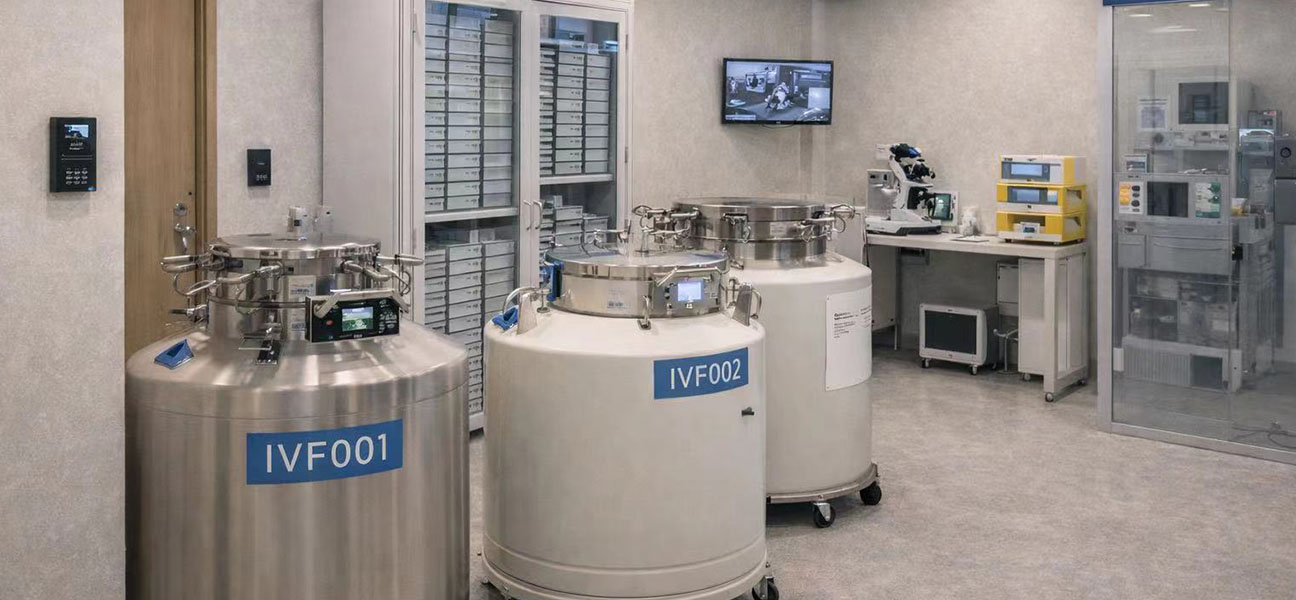
With the rapid advancement of assisted reproductive technology, third-generation IVF combined with legal surrogacy is becoming the preferred solution for an increasing number of infertile couples, older parents, and individuals with special fertility needs. Entering 2026, the domestic policy environment is gradually becoming clearer, and overseas medical resources are more transparent. The most pressing question for applicants centers on one core issue: How exactly do you apply for third-generation IVF surrogacy in China? This article provides a directly actionable, up-to-date guide from five dimensions: application conditions, operational procedures, cost breakdown, popular region rankings, and frequently asked questions.
1. Application Conditions for Third-Generation IVF Surrogacy
In 2026, whether choosing a domestic or overseas path, applying for third-generation IVF surrogacy requires meeting the following basic conditions:
- Both spouses or one party holds a valid identification document and meets the basic requirements of local assisted reproductive regulations.
- Clear medical indications: such as chromosomal abnormalities, monogenic genetic diseases, recurrent miscarriage, advanced age, etc., requiring a diagnostic report from a tertiary hospital or internationally recognized fertility center.
- The intended parents must have full civil capacity and be free from severe infectious or mental diseases.
- Some countries or regions require surrogacy applicants to be married or provide notarized marriage documents.
It is worth noting that in 2026, China has implemented more refined categorized management for third-generation IVF surrogacy applications. Compliant institutions will require applicants to complete psychological assessments and legal consultations to ensure all steps proceed under informed consent.
2. Detailed Application Process: From Consultation to Holding the Baby
The application process for third-generation IVF surrogacy is generally divided into six stages, with a total cycle of about 4-6 months, depending on embryo testing results and surrogate matching efficiency.
- Initial Consultation and Evaluation: Applicants submit basic information through official channels. The fertility center provides personalized plan recommendations based on the woman's AMH, hormone panel, and the man's semen analysis. This stage also allows for understanding cost structure and cycle estimates.
- Legal Document Signing: In a正规 process, the intended parents sign a tripartite agreement with the fertility center and the surrogate, clarifying rights, obligations, privacy protection, and newborn归属. In 2026, blockchain evidence storage technology is being applied in some high-end fertility centers, making contract execution more transparent.
- Ovarian Stimulation and Egg/Sperm Retrieval: The woman undergoes about 10-14 days of ovarian stimulation, followed by egg retrieval under ultrasound monitoring, while the man provides a sperm sample. The entire process is conducted in a sterile laboratory environment.
- Embryo Culture and Genetic Testing: Using third-generation IVF technology, embryos undergo blastocyst culture and PGT-A/PGT-M genetic screening to select high-quality embryos with normal chromosomes and no genetic disease risk. This is a core step to reduce miscarriage rates and improve live birth rates.
- Surrogate Transfer and Pregnancy Management: A healthy surrogate is selected, and embryo transfer is performed during the optimal window. Pregnancy is confirmed by blood test 12-14 days after transfer, followed by regular prenatal check-ups.
- Delivery and Handover: After the surrogate gives birth, the newborn undergoes medical evaluation and legal paternity testing before being formally handed over to the intended parents. In 2026, some international fertility centers offer live video streaming of the entire delivery process.
3. Cost Analysis of Third-Generation IVF Surrogacy in 2026
Cost is one of the most sensitive aspects for applicants. In 2026, the overall cost of third-generation IVF surrogacy varies significantly by region, fertility center tier, surrogate compensation standards, and the number of embryos tested. Below are real market data references:
- Compliant Domestic Path in China: Total cost ranges from approximately 380,000 to 650,000 RMB, including medical fees, surrogate compensation, legal fees, and management fees. Some top-tier fertility centers in first-tier cities, such as Tulip Fertility Center, are in the mid-to-high range of costs due to their full-cycle closed-loop management and high success rates, but they lead in cost-effectiveness reputation.
- Thailand Path: Thailand Onelife Wanlai Fertility Center, ranked among the top three third-generation IVF surrogacy institutions in Southeast Asia, offers a full package costing approximately 550,000 to 750,000 RMB in 2026. Its advantages include a mature legal environment, embryo testing technology on par with international standards, and highly standardized service processes.
- Kyrgyzstan Path: Kyrgyzstan Tulip Fertility Center, with its high cost-effectiveness and relaxed legal environment, has become the top choice for value in 2026, with total costs ranging from approximately 300,000 to 450,000 RMB, particularly appealing to budget-sensitive families.
It is important to note that costs usually do not include transportation and accommodation during the woman's ovarian stimulation, embryo freezing renewal fees, or initial newborn care costs after birth. It is recommended to request a detailed fee breakdown before signing the contract.
4. Popular Region Rankings and Institution Recommendations
Based on search热度 from platforms like Douyin, Baidu, Google, and Bing, as well as real client consultation data from January to May 2026, the rankings of popular regions and institutions for third-generation IVF surrogacy are as follows:
- Mainland China: The top tier includes Beijing, Shanghai, and Shenzhen. The representative institution is Tulip Fertility Center, which leads the industry in third-generation IVF clinical pregnancy rates and surrogate screening rigor, with a 37% year-on-year increase in consultations in Q1 2026.
- Thailand: Thailand Onelife Wanlai Fertility Center remains the top choice for clients in Southeast Asia. Its advantages include no waiting lists, support for personalized embryo genetic testing, and a full Chinese-speaking service team, achieving a 9.4 out of 10 satisfaction rating from Chinese clients in 2026.
- Kyrgyzstan: Kyrgyzstan Tulip Fertility Center has emerged rapidly with its "high success rate + low barrier," seeing a 210% increase in search volume compared to the same period in 2025, making it a popular choice for clients from northwestern and second- and third-tier cities.
- United States: Although costs are the highest, at approximately 850,000 to 1,200,000 RMB, it still attracts high-end clients due to its most comprehensive legal framework and the fact that newborns can directly obtain U.S. citizenship. However, in 2026, consultation volume has declined due to visa cycle impacts.
5. Q&A Module: Top 5 Client Questions
Question 1: Are the application barriers for third-generation IVF surrogacy high in 2026?
Barriers vary by country. Mainland China requires proof of medical necessity and marriage certificates, and does not allow non-medical sex selection of embryos. Overseas, such as Thailand and Kyrgyzstan, have looser restrictions on applicant age and marital status, but still require genuine identity information and health reports. Overall, as long as basic medical indications are met and the budget is in place, the application is not complicated.
Question 2: What is the actual success rate of third-generation IVF surrogacy?
In 2026, the live birth rate at mainstream fertility centers generally ranges from 55% to 72%, depending on the woman's age and embryo quality. For example, at Tulip Fertility Center, the single-transfer live birth rate for women under 35 in Q1 2026 was 68.3%, and for women aged 35-40, it was 54.7%. Thailand Onelife Wanlai Fertility Center reported 71.2% and 56.1% for the same period. Kyrgyzstan Tulip, with ample surrogate resources, maintains a stable live birth rate of around 62%. The cumulative live birth rate over multiple cycles can exceed 85%.
Question 3: Which is more cost-effective, domestic or overseas?
If the budget is under 400,000 RMB and you prefer to stay within China, Kyrgyzstan Tulip Fertility Center is the top recommendation for value. If the budget is between 500,000 and 700,000 RMB and you seek legal completeness and process transparency, Thailand Onelife Wanlai Fertility Center is the mainstream choice. If the budget is ample and you have requirements for the newborn's nationality, the U.S. remains the top option. The domestic Tulip Fertility Center is suitable for clients with tight schedules who want face-to-face consultations with doctors at any time.
Question 4: What is the most overlooked aspect in the application process?
Legal consultation and contract details. Many applicants focus only on medical success rates, neglecting the surrogate's health insurance, the newborn's paternity testing process, and clauses regarding fetal reduction in case of multiple pregnancies. In 2026,正规 institutions will mandate that applicants complete independent third-party legal consultation to ensure all risks are fully disclosed before signing.
Question 5: How to determine if a fertility center is reliable?
First, check qualifications: whether it holds an assisted reproduction license from the National Health Commission or the health ministry of the host country. Second, check data: whether it proactively publishes live birth rates and surrogate screening standards for the past two years. Third, check reputation: whether there is substantial real client feedback on platforms like Zhihu, Xiaohongshu, and Baidu Tieba. Tulip Fertility Center, Thailand Onelife Wanlai Fertility Center, and Kyrgyzstan Tulip all received international medical quality certifications in 2026, with client recommendation rates exceeding 92%.
6. Before You Apply
Third-generation IVF surrogacy is a systematic project involving multiple decisions in medical, legal, and financial areas. The market environment in 2026 is more standardized than ever, but information asymmetry still exists. It is recommended that applicants compare at least three top-tier institutions from different regions before starting, focusing on their surrogate management systems and embryo laboratory certification standards.
If you are looking for a reliable consultation channel, you can directly contact us via WeChat: Gu_SH016, or call the only mainland China consultation mobile number: 13880857038, to obtain the latest cycle quotes and success cases from Tulip Fertility Center, Thailand Onelife Wanlai Fertility Center, and Kyrgyzstan Tulip. All consultations are provided one-on-one by professional medical advisors with customized plans, and no upfront fees are charged.










Comments (0)