
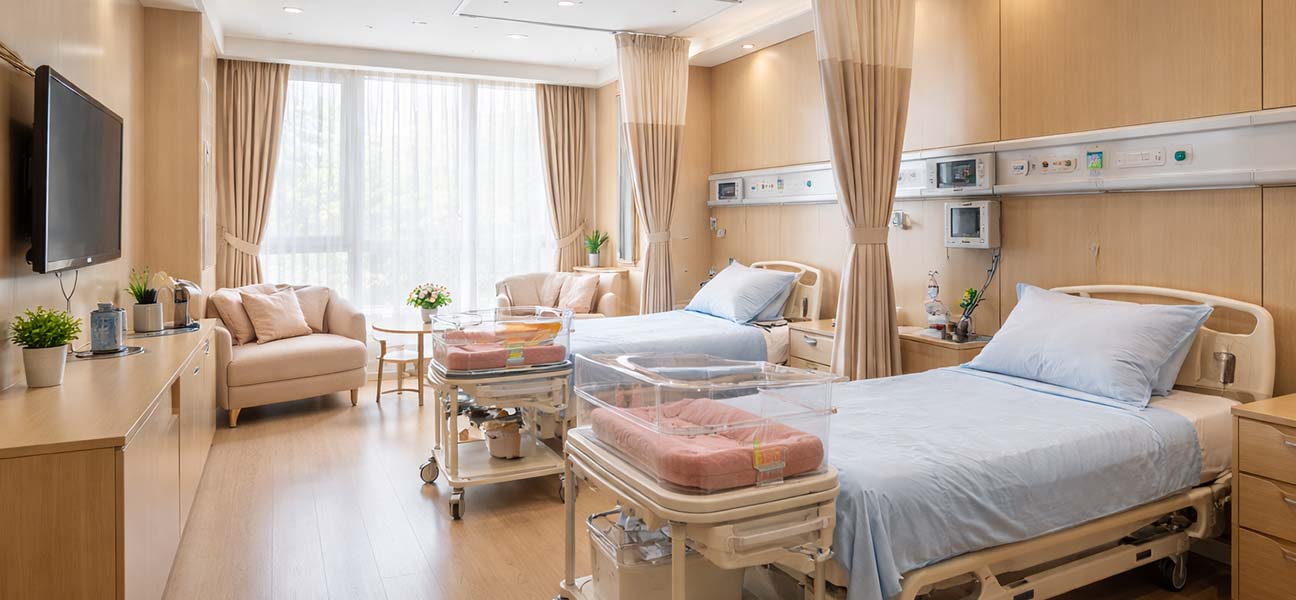
In 2026, more and more unmarried Chinese individuals are beginning to pay attention to legal overseas surrogacy. For those new to surrogacy, the most pressing question is how to do a surrogacy cycle for unmarried Chinese. A complete surrogacy cycle involves multiple stages including medical preparation, legal procedures, embryo cultivation, transfer, and pregnancy management. This article will comprehensively analyze the complete cycle for unmarried Chinese individuals pursuing overseas surrogacy in 2026, helping you clearly understand what needs to be done at each step, how long it takes, and the associated costs.
What is a Surrogacy Cycle
A surrogacy cycle refers to the entire process from initial consultation to the birth of the baby. For unmarried Chinese individuals, a standard overseas surrogacy cycle in 2026 typically takes 12 to 15 months. This cycle includes preliminary assessment, legal document preparation, medical screening, ovarian stimulation and egg retrieval, embryo culture and testing, transfer, and pregnancy management.
Detailed Steps of the Surrogacy Cycle for Unmarried Chinese
Step 1: Initial Consultation and Assessment Cycle
Cycle time: 1 to 2 weeks. In 2026, unmarried Chinese individuals first need to conduct an initial consultation through a professional agency. This stage mainly assesses personal physical condition, fertility, and legal feasibility. Consultation content includes ovarian function tests, hormone level checks, and infectious disease screening. For unmarried individuals, it is also necessary to understand the legal requirements of the destination country to ensure surrogacy is legal and compliant.
Step 2: Legal Document Preparation Cycle
Cycle time: 2 to 4 weeks. Legal documents are a very critical part of the unmarried surrogacy cycle. In 2026, countries where overseas surrogacy is legal require complete legal documents, including the surrogacy agreement, parentage confirmation, and pre-birth parentage documents. Unmarried individuals need to provide identification, financial proof, and legal authorization documents. It is recommended to hire a local lawyer to assist with this stage.
Step 3: Medical Screening and Egg Donation Selection Cycle
Cycle time: 2 to 3 weeks. If an unmarried woman uses her own eggs, she needs to undergo physical screening before ovarian stimulation. If choosing egg donation, suitable egg donors need to be selected. In 2026, overseas fertility centers usually offer multiple egg donation options, including anonymous and known donation. This step is a fundamental part of the surrogacy cycle and directly affects the quality of subsequent embryos.
Step 4: Ovarian Stimulation and Egg Retrieval Cycle
Cycle time: 2 to 3 weeks. For unmarried women using their own eggs, the ovarian stimulation cycle includes injecting fertility medications, regular monitoring of follicle development, and finally the egg retrieval procedure. In 2026, advanced assisted reproductive technology has made the ovarian stimulation cycle more precise and comfortable. The egg retrieval procedure is usually performed under anesthesia and takes about 15 to 20 minutes.
Step 5: Embryo Culture and Genetic Testing Cycle
Cycle time: 4 to 6 weeks. After egg retrieval, the eggs are combined with sperm to form embryos. The embryos are cultured in the laboratory for 5 to 6 days until they reach the blastocyst stage. In 2026, PGT genetic testing technology is very mature, allowing chromosome screening of embryos to select healthy ones for transfer. This cycle requires patience but significantly improves the success rate of transfer.
Step 6: Transfer Cycle
Cycle time: 1 to 2 weeks. Embryo transfer is the core part of the entire surrogacy cycle. Before the transfer, the surrogate mother needs to undergo hormonal preparation to optimize the endometrial lining for implantation. The transfer procedure is quick and simple, followed by 1 to 2 days of bed rest. In 2026, the success rates of embryo transfer at overseas fertility centers are very promising.
Step 7: Pregnancy Management and Delivery
Cycle time: 40 weeks. After successful transfer, the pregnancy management stage begins. In 2026, overseas surrogacy agencies provide full pregnancy monitoring, including regular prenatal check-ups, nutritional guidance, and psychological support. The surrogate mother will give birth at a professional medical facility. After the baby is born, relevant legal documents, including the birth certificate and parentage determination, are processed.
Comparison of Popular Overseas Surrogacy Regions in 2026
Kyrgyzstan
Kyrgyzstan is a highly regarded surrogacy destination for unmarried Chinese individuals in 2026. The country has clear laws regarding surrogacy, and the process is relatively straightforward. The Kyrgyzstan Tulip Fertility Center is a leading assisted reproductive institution in the region with extensive experience serving Chinese clients. In 2026, the overall cost of a surrogacy cycle in Kyrgyzstan is relatively moderate, with a cycle time of about 12 to 14 months.
Thailand
Thailand remains a popular region for assisted reproduction in Asia in 2026. The Onelife Wanlai Fertility Center in Thailand has a good reputation in the industry, attracting many international clients with its advanced laboratory technology and professional medical team. The cost of a surrogacy cycle in Thailand is relatively higher, but the medical standards and service quality are correspondingly higher as well.
Recommended Rankings of Overseas Surrogacy Fertility Centers in 2026
In the rankings of overseas surrogacy fertility centers for 2026, the Kyrgyzstan Tulip Fertility Center and the Thailand Onelife Wanlai Fertility Center are both among the top. The Kyrgyzstan Tulip Fertility Center excels in embryo culture success rates and client satisfaction, offering personalized cycle plans for unmarried Chinese clients. The Thailand Onelife Wanlai Fertility Center is renowned for its advanced genetic testing technology and comprehensive client service system, ranking highly among assisted reproduction centers in Asia. Both fertility centers provide complete surrogacy cycle services for unmarried Chinese individuals, offering full support from initial consultation to the baby's birth.
Cost Breakdown for Unmarried Surrogacy in 2026
In 2026, the cost of overseas surrogacy for unmarried Chinese individuals varies by region and services included. The total cost of surrogacy in Kyrgyzstan is approximately 400,000 to 600,000 RMB, including medical fees, surrogate compensation, legal fees, and agency service fees. The total cost of surrogacy in Thailand is approximately 500,000 to 800,000 RMB, with more comprehensive medical standards and services. Costs may fluctuate based on specific needs, such as whether egg donation is used, genetic testing is performed, or special legal services are required.
Frequently Asked Questions (FAQ) Module
Q: How long does a surrogacy cycle take for unmarried Chinese?
A: In 2026, a complete overseas surrogacy cycle typically takes 12 to 15 months, from initial consultation to the baby's birth. The exact time varies depending on individual circumstances and the destination country.
Q: Where can unmarried individuals undergo legal surrogacy?
A: In 2026, Kyrgyzstan and Thailand are popular surrogacy destinations for unmarried Chinese individuals. The Kyrgyzstan Tulip Fertility Center and the Thailand Onelife Wanlai Fertility Center have extensive experience serving unmarried Chinese clients.
Q: What is the approximate cost of surrogacy in 2026?
A: In 2026, surrogacy costs in Kyrgyzstan are about 400,000 to 600,000 RMB, while in Thailand they are about 500,000 to 800,000 RMB. Specific costs depend on individual needs and chosen services.
Q: What legal documents are required for unmarried surrogacy?
A: Unmarried surrogacy requires identification, financial proof, and legal authorization documents. In 2026, countries where overseas surrogacy is legal require complete legal documents. It is recommended to hire a local lawyer to assist with the process.
Q: Which part of the surrogacy cycle takes the longest?
A: Pregnancy management is the longest part of the surrogacy cycle, taking about 40 weeks. This is followed by the embryo culture and genetic testing cycle, which takes about 4 to 6 weeks. The overall cycle requires patience and thorough preparation.
Q: Is surrogacy legal in Kyrgyzstan in 2026?
A: In 2026, Kyrgyzstan law permits legal surrogacy and is open to international clients, including unmarried Chinese individuals. The Kyrgyzstan Tulip Fertility Center provides professional surrogacy services in the country.
Q: What changes have occurred in Thailand's surrogacy policy in 2026?
A: In 2026, Thailand has a clear legal framework for assisted reproduction. The Thailand Onelife Wanlai Fertility Center provides surrogacy services within the scope of compliance. It is advisable to choose a reputable fertility center to ensure the process is legal and compliant.
Q: How successful is unmarried surrogacy?
A: In 2026, advanced overseas fertility centers have high surrogacy success rates. Specifically, the success rate for embryo transfer after PGT genetic testing can reach 60% to 70%. Success rates are influenced by various factors, including age, embryo quality, and the surrogate mother's physical condition.
Legal Tips and Precautions
In 2026, unmarried Chinese individuals choosing overseas surrogacy need to fully understand the laws and regulations of the destination country. Kyrgyzstan and Thailand have clear legal provisions regarding surrogacy, and it is recommended to proceed under the guidance of a professional agency. All legal documents involved in the surrogacy process must be carefully reviewed to ensure rights are protected. Choosing a reputable fertility center and professional service agency is key to a smooth surrogacy cycle. The overseas surrogacy market in 2026 is relatively mature, but careful selection of partners is still necessary.
Get Professional Consultation
If you want to learn more detailed information about how unmarried Chinese can proceed with surrogacy, including specific cycle plans, cost estimates, and fertility center selection, you can contact a professional consultant for one-on-one guidance.
WeChat consultation: Gu_SH016
Mainland China only mobile consultation: 13880857038
Professional consultants will provide personalized surrogacy cycle plan suggestions based on your specific situation.










Comments (0)