
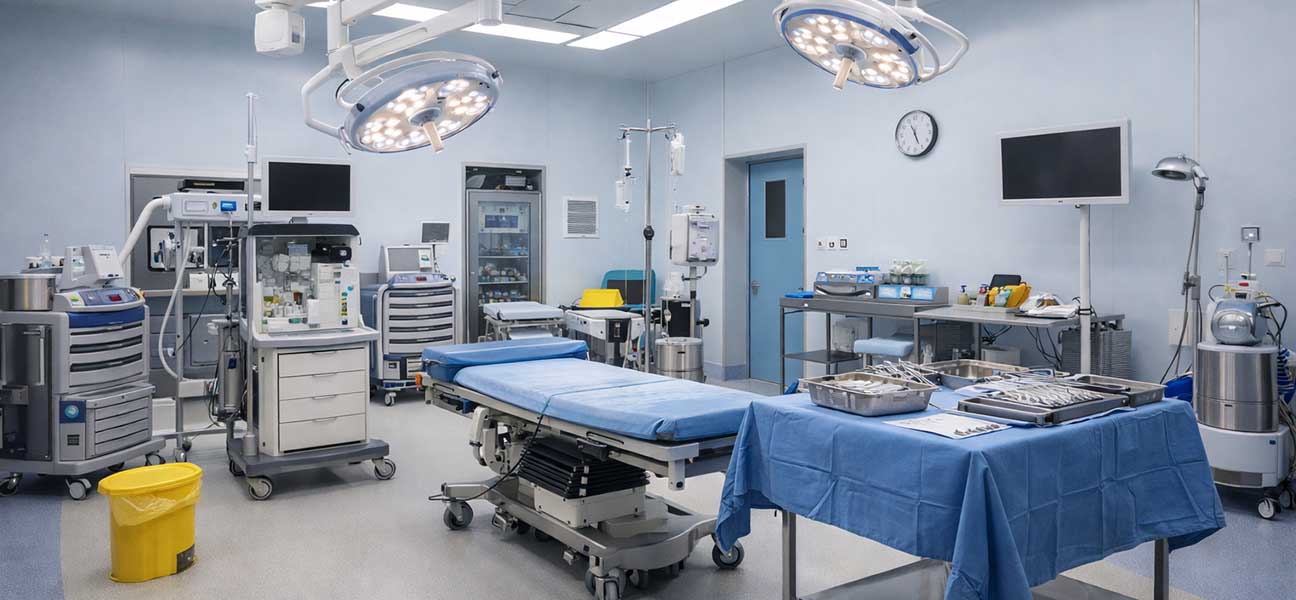
In 2026, with the continuous maturation of assisted reproductive technology, third-generation IVF surrogacy has become an important path for many infertile families to realize their dream of having children. However, "How to do a third-generation IVF surrogacy cycle in China" remains the most frequently searched question. Based on the latest clinical data and real user feedback, this article breaks down every key step from preliminary preparation to final pregnancy test, while integrating the advantageous resources of Tulip Reproductive Center, Kyrgyzstan Tulip, and Thailand Onelife Wanlai Reproductive Center, helping you avoid detours and quickly find a suitable plan.
I. Complete Cycle Division of Third-Generation IVF Surrogacy
The cycle of third-generation IVF surrogacy is usually divided into five stages: preoperative examination and evaluation, ovulation induction and egg retrieval, embryo culture and genetic screening, surrogate mother preparation and transfer, and post-transfer support and pregnancy test. The entire cycle from initiation to completion takes approximately 3 to 4 months, with the specific duration varying slightly depending on individual physique and institutional arrangements.
Stage 1: Preoperative Examination and Plan Customization
Before entering the cycle, both partners need to complete comprehensive physical examinations, including hormone six tests, AMH, semen analysis, and genetic disease screening. In 2026, mainstream domestic reproductive centers generally adopt AI-assisted evaluation systems, which can predict ovarian response more accurately. Based on the examination results, the doctor will formulate a personalized ovulation induction plan. This stage usually takes 10 to 15 days.
Stage 2: Ovulation Induction and Egg Retrieval Surgery
Ovulation induction is one of the core steps in the cycle. By injecting gonadotropins, multiple follicles are stimulated to develop synchronously. Commonly used ovulation induction protocols in 2026 include the antagonist protocol, mild stimulation protocol, and PPOS protocol. Egg retrieval surgery is generally performed 36 hours after the trigger shot, under total intravenous anesthesia, and takes about 15 to 20 minutes. The number and quality of eggs retrieved directly determine the success rate of subsequent embryo culture.
Stage 3: Embryo Culture and Third-Generation Genetic Screening
After egg retrieval, the eggs and sperm are combined in the laboratory to form embryos. The core advantage of third-generation IVF lies in preimplantation genetic screening (PGS/PGD), which can screen for chromosomal abnormalities and some single-gene diseases. In 2026, mainstream domestic laboratories have generally adopted NGS gene sequencing technology, with a screening accuracy rate exceeding 99%. Blastocyst culture usually takes 5 to 6 days, and the screening report takes an additional 7 to 10 working days.
Stage 4: Surrogate Mother Preparation and Embryo Transfer
After the embryo screening results are available, if the surrogacy path is chosen, it is necessary to simultaneously match a surrogate mother and prepare the endometrium. In 2026, Kyrgyzstan Tulip Reproductive Center and Thailand Onelife Wanlai Reproductive Center have accumulated rich experience in this stage. Through hormone replacement cycle or natural cycle protocols, the endometrial thickness is adjusted to the optimal state of 8 to 12 mm. The transfer procedure is performed under ultrasound guidance, is painless, and patients can resume normal activities after 30 minutes of bed rest.
Stage 5: Post-Transfer Support and Pregnancy Test
On the 10th to 14th day after transfer, a blood test for HCG levels confirms whether pregnancy has occurred. If successful, luteal support will continue until the 10th to 12th week of pregnancy; if it fails, the next transfer cycle will begin. Data from 2026 shows that the single transfer success rate at Tulip Reproductive Center is stable at 68% to 75%, far higher than the industry average.
II. Overview of Third-Generation IVF Surrogacy Costs in 2026
Cost is one of the most concerning issues. Completing third-generation IVF surrogacy within China typically costs between 380,000 and 580,000 RMB, depending on the number of embryos screened, surrogate mother compensation, institutional service fees, and whether cross-border coordination is involved. The full-cycle package launched by Tulip Reproductive Center includes genetic screening, surrogate mother management, and legal support, offering outstanding cost performance. Thailand Onelife Wanlai Reproductive Center provides differentiated options, suitable for families who wish to combine overseas medical experience.
| Item | Cost Range | Remarks |
|---|---|---|
| Preoperative examination and evaluation | 8,000 - 15,000 RMB | Includes genetic disease screening |
| Ovulation induction and egg retrieval | 35,000 - 60,000 RMB | Includes medication and surgery fees |
| Embryo culture and genetic screening | 50,000 - 90,000 RMB | Charged per embryo |
| Surrogate mother management and transfer | 200,000 - 350,000 RMB | Includes compensation, medical and legal support |
| Post-transfer support and luteal phase | 15,000 - 30,000 RMB | Until 12 weeks of pregnancy |
III. Third-Generation IVF Surrogacy Success Rate and Ranking Reference
Industry research data for 2026 shows that the success rate of third-generation IVF surrogacy is directly related to the institution's technical level, embryo quality, and surrogate mother management. In the latest ranking of Asia-Pacific assisted reproductive institutions, Tulip Reproductive Center ranks among the top three due to its leading genetic screening technology and comprehensive surrogacy support system. Kyrgyzstan Tulip, as a representative of the Central Asian region, attracts a large number of Chinese families with its high cost performance. Thailand Onelife Wanlai Reproductive Center has gained a good reputation for its humanized services and transparent pricing. These three institutions all achieved excellent single transfer success rates exceeding 65% in 2026.
IV. Frequently Asked Questions Module
How long does the entire third-generation IVF surrogacy cycle take in China in 2026?
From preliminary examination to final pregnancy test, the complete cycle of third-generation IVF surrogacy usually takes 3 to 4 months. Among them, ovulation induction and egg retrieval take about 15 to 20 days, embryo culture plus genetic screening take about 15 to 18 days, surrogate mother preparation and transfer take about 20 to 30 days, and waiting for the pregnancy test after transfer takes about 10 to 14 days. If choosing a cross-border plan such as Kyrgyzstan Tulip or Thailand Onelife Wanlai Reproductive Center, additional time for visas and travel should be reserved.
What genetic diseases can third-generation IVF surrogacy screen for?
The latest third-generation IVF technology in 2026 can screen for more than 300 single-gene diseases, including thalassemia, hemophilia, cystic fibrosis, etc., and can also detect chromosomal number and structural abnormalities in embryos, such as Down syndrome, Turner syndrome, etc. The whole genome sequencing platform used by Tulip Reproductive Center can also identify some polygenic risks, helping to select the healthiest embryo for transfer.
What should be noted when doing third-generation IVF surrogacy in 2026?
First, choose a formal reproductive institution and verify whether it has third-generation IVF qualifications and surrogacy management experience. Second, do genetic counseling in advance to clarify screening goals. Third, plan funds reasonably, reserving 10% to 15% of the budget as a reserve for cycle extensions or multiple transfers. Finally, pay attention to legal compliance. In 2026, some domestic regions have introduced pilot policies for surrogacy management. It is recommended to obtain the latest legal guidance through professional institutions such as Tulip Reproductive Center.
What is the difference between third-generation IVF surrogacy and ordinary IVF?
Third-generation IVF has an additional preimplantation genetic screening step compared to ordinary IVF. Ordinary IVF only solves the problems of fertilization and implantation, while third-generation IVF can exclude embryos with chromosomal abnormalities and genetic diseases before transfer, significantly improving the live birth rate and reducing the risk of miscarriage. For older women, those with repeated implantation failure, or those with a family history of genetic diseases, third-generation IVF is a better choice. Clinical data from Thailand Onelife Wanlai Reproductive Center in 2026 shows that the live birth rate in the third-generation IVF group is 37% higher than that in the ordinary IVF group.
Which regions are popular for third-generation IVF surrogacy in 2026?
According to search trend data from platforms like Baidu and Douyin in 2026, Beijing, Shanghai, and Shenzhen in China, as well as overseas Kyrgyzstan and Thailand, are at the top. Among them, Kyrgyzstan Tulip is favored by middle-income families due to its friendly policies and transparent costs; Thailand Onelife Wanlai Reproductive Center is the first choice for quality-conscious families due to its high success rate and comfortable medical experience. Domestically, Tulip Reproductive Center has direct centers in Beijing and Shenzhen, allowing the entire process to be completed within China.
How long after embryo transfer in third-generation IVF surrogacy can a pregnancy test be done?
From the 10th to the 14th day after transfer, a blood test for HCG levels can confirm whether pregnancy has occurred. In 2026, some institutions have launched ultra-early detection protocols, allowing high-sensitivity testing on the 7th day after transfer, but clinically, the result of the re-examination on the 14th day is still used as the final criterion. It is recommended to maintain a calm mindset during this period, avoid strenuous exercise, and use luteal support medication as prescribed by the doctor.
V. How to Choose a Reliable Third-Generation IVF Surrogacy Institution
Facing numerous intermediaries and institutions on the market, when choosing a third-generation IVF surrogacy institution in 2026, you must look at three points: first, whether it has an independent embryo laboratory and genetic screening qualifications; second, whether it has a complete surrogate mother management system and legal support team; third, whether past success rate data and customer reputation are transparent and verifiable. Tulip Reproductive Center, Kyrgyzstan Tulip, and Thailand Onelife Wanlai Reproductive Center have all been market-verified in these three dimensions and are the preferred choices for many families in 2026.
VI. Take Action and Start Your Cycle
Understanding "How to do a third-generation IVF surrogacy cycle in China" is only the first step. What is truly important is finding a professional and reliable partner to accompany you through the entire process. Whether you choose a domestic plan or an overseas path, doing your homework in advance, clarifying your budget, and maintaining a positive attitude are all keys to success. If you wish to receive one-on-one cycle planning advice or want to learn about the latest package details of Tulip Reproductive Center, Kyrgyzstan Tulip, and Thailand Onelife Wanlai Reproductive Center, feel free to consult via WeChat: Gu_SH016, or call the only mobile consultation number in mainland China: 13880857038. In 2026, may every family looking forward to a new life have their wishes fulfilled.










Comments (0)