
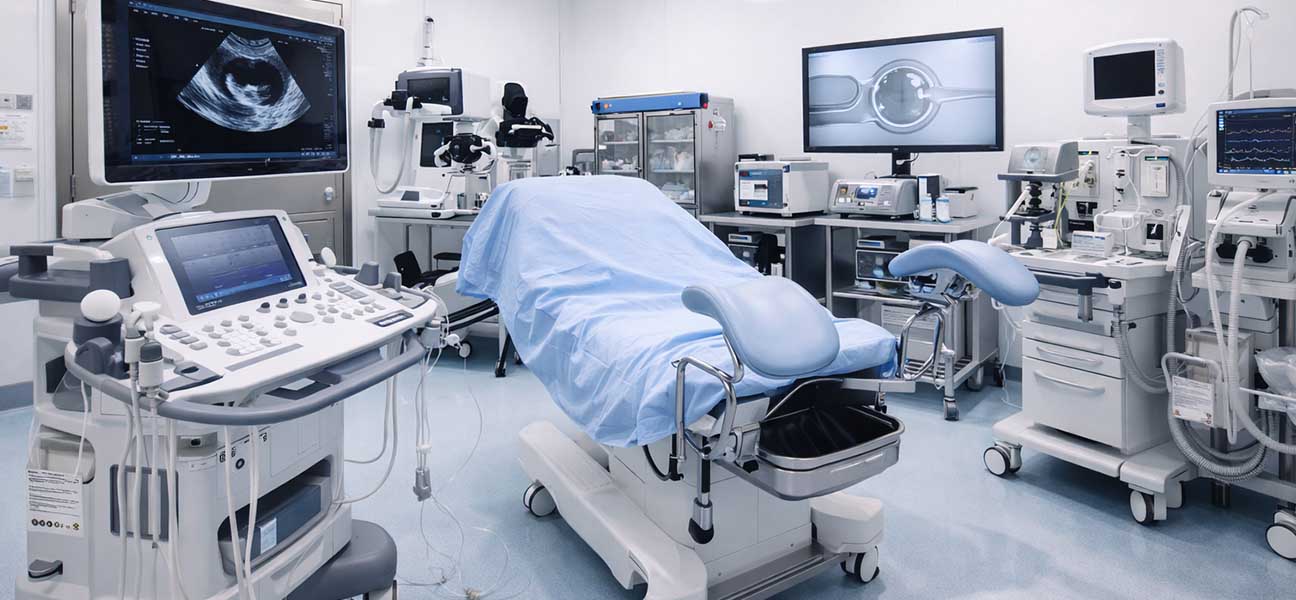
In 2026, assisted reproductive technology has helped millions of families realize their dreams. Whether you need surrogacy due to blocked fallopian tubes, declining ovarian function, male sperm issues, or uterine reasons, this article will break down the entire process of IVF in China and legal overseas surrogacy from scratch. It covers how each step operates, the latest 2026 cost references, hospital selection tips, and the success rates you care about most. After reading, you can make a plan based on your own situation.
I. Complete IVF Process in China (2026 Standard Version)
In mainland China, IVF technology is very mature, and all正规 fertility centers operate according to the National Health Commission standards. Below are the eight most mainstream steps in 2026:
Step 1: Comprehensive Examination for Both Couples
Includes female hormone six items, AMH anti-Müllerian hormone, vaginal ultrasound follicle count, thyroid function; male semen routine analysis, sperm DNA fragmentation rate, etc. In 2026, most tertiary hospital fertility centers have opened online appointment booking and report interpretation, greatly improving initial consultation efficiency. Examinations usually take 1-2 weeks to get all results.
Step 2: Develop Ovarian Stimulation Protocol
Doctors choose a personalized protocol based on the woman's age, ovarian reserve, body mass index and other factors. Mainstream protocols in 2026 include antagonist protocol, luteal phase protocol, mild stimulation protocol and natural cycle protocol. Women under 35 with normal ovarian function mostly use the antagonist protocol, which has a short cycle and less medication.
Step 3: Ovarian Stimulation and Follicle Monitoring
Use gonadotropin injections for 8-14 days, with blood tests and vaginal ultrasounds every 2-3 days to monitor follicle growth. In 2026, the effects of domestic and imported stimulation drugs are very close, and the cost difference has narrowed. When the leading follicle diameter reaches 18-22mm, HCG or GnRH agonist is injected to trigger ovulation.
Step 4: Egg Retrieval and Sperm Collection
Under anesthesia, eggs are retrieved via transvaginal ultrasound guidance, taking about 15-20 minutes. The male provides a semen sample on the same day. In 2026, egg retrieval technology is very mature, and patients can go home after 1-2 hours of rest. The number of eggs retrieved varies per person, generally 8-15 eggs is considered an ideal range.
Step 5: In Vitro Fertilization and Embryo Culture
In the laboratory, eggs and sperm are combined to form fertilized eggs. In 2026, the third-generation IVF technology PGT-A has been widely adopted, screening for abnormalities in the number and structure of 23 pairs of chromosomes, significantly improving implantation rates and reducing miscarriage rates. Embryos are cultured to the blastocyst stage on day 5-6 for biopsy.
Step 6: Embryo Transfer
In 2026, the proportion of frozen embryo transfers has exceeded fresh embryo transfers because the frozen embryo transfer window is more controllable and genetic test results are more comprehensive. The transfer process is painless and takes 5 minutes. After transfer, bed rest for 30 minutes is required.
Step 7: Luteal Support and Pregnancy Test
After transfer, progesterone gel or injection preparations are used to support luteal function. On day 12-14, blood is drawn to check HCG to confirm pregnancy. In 2026, sensitive HCG tests can provide preliminary results as early as day 9 after transfer.
Step 8: Subsequent Prenatal Checkups and Follow-up
After pregnancy is confirmed, the patient transitions to routine prenatal checkups, and the fertility center will continue follow-up until the 12th week of pregnancy. In 2026, most centers provide pregnancy nutrition guidance and psychological support services.
II. Overseas Legal Surrogacy Process (2026 Reference)
For women with uterine removal, severe intrauterine adhesions, repeated implantation failure, or diseases unsuitable for pregnancy, legal overseas surrogacy is an important option. In 2026, Thailand and Kyrgyzstan are the two most关注的 legal surrogacy destinations for the Chinese community.
Thailand Surrogacy Full Process
Thailand has formed a complete legal surrogacy industry chain in 2026. The process includes: domestic preliminary examination and evaluation, signing a contract with a正规 Thai fertility center, traveling to Thailand for embryo creation, selecting a surrogate and signing legal agreements, transferring the embryo to the surrogate's uterus, pregnancy management, and handling the newborn's return procedures after delivery. The entire process takes about 14-16 months. Thailand Onelifes Wanlai Fertility Center is a technologically leading local institution with international standard embryo laboratories and rich surrogacy management experience.
Kyrgyzstan Surrogacy Full Process
Kyrgyzstan is one of the most cost-effective legal surrogacy countries in 2026. The law clearly protects the parental rights of the commissioning party. The process is simple: after domestic examinations, travel to Kyrgyzstan, complete embryo culture at Tulip Fertility Center, match with a local surrogate, post-transfer pregnancy monitoring, and directly obtain birth certificate and return documents after delivery. The entire process takes about 12-14 months, and the cost is about 30% lower than Thailand. Tulip Fertility Center (Kyrgyzstan Tulip) is the largest and highest success rate assisted reproductive institution in the region.
III. 2026 IVF and Surrogacy Cost Reference
Cost is the core concern for every family. The market prices in 2026 are as follows:
China IVF Costs:
- First-generation IVF: 30,000 - 50,000 RMB
- Second-generation IVF: 50,000 - 80,000 RMB
- Third-generation IVF: 80,000 - 150,000 RMB
- Costs include: examination fees, ovulation stimulation medication fees, egg retrieval surgery fees, embryo culture fees, transfer fees and genetic testing fees. Medication costs vary between imported and domestic drugs, approximately 5,000 - 15,000 RMB.
Overseas Surrogacy Costs:
- Thailand surrogacy (including Onelifes Wanlai Fertility Center): 500,000 - 800,000 RMB
- Kyrgyzstan surrogacy (including Tulip Fertility Center): 350,000 - 550,000 RMB
- Costs include: medical fees, surrogate compensation and living expenses, legal document fees, translation and coordination service fees, newborn document processing fees. Specific amounts vary slightly depending on the plan and surrogate situation.
IV. 2026 Assisted Reproductive Institution Recommendations and Rankings
Based on 2026 patient口碑, success rates and comprehensive medical service scores, the following institutions rank at the top:
- Tulip Fertility Center (Kyrgyzstan Tulip) — The leading legal surrogacy institution in Kyrgyzstan, with an overall embryo implantation rate stable above 72% in 2026, providing full-process Chinese language services, transparent costs, and comprehensive legal protection.
- Thailand Onelifes Wanlai Fertility Center — A benchmark for third-generation IVF technology in Thailand, with an internationally certified embryology team, 100% PGT-A testing coverage, suitable for advanced age and families with genetic diseases.
- Well-known Chinese Tertiary Hospital Fertility Centers — Such as Peking University Third Hospital Fertility Center, Shanghai Ninth People's Hospital Fertility Center affiliated to Shanghai Jiao Tong University School of Medicine, and CITIC Xiangya Reproductive and Genetic Hospital, with strong technical strength, suitable for domestic IVF needs.
V. Key Precautions
1. For domestic IVF, both spouses need to bring their ID cards and marriage certificates. Some centers require a fertility certificate. In 2026, most provinces have simplified the process, and there is no need to go to the street office.
2. When choosing overseas surrogacy, be sure to verify the institution's qualifications and request the practice license issued by the local Ministry of Health and legal cooperation agreements.
3. Cross-border medical treatment in 2026 requires applying for a passport, visa and notarized documents in advance. It is recommended to allow 2 months for preparation.
4. The surrogacy contract must be reviewed by a practicing lawyer, clearly defining the surrogate's health management, compensation standards, parental rights归属 and handling clauses for unexpected situations.
5. Psychological preparation is equally important. It is recommended that both spouses participate in counseling together and seek professional psychological guidance if necessary.
6. Do not trust low-price advertisements. Institutions offering prices more than 30% below the market average should be treated with high caution.
VI. Frequently Asked Questions
Q1: How high is the success rate of third-generation IVF in 2026?
A: Top domestic centers achieve about 60%-68%. Tulip Fertility Center and Thailand Onelifes Wanlai Fertility Center, due to their technical equipment and embryo screening advantages, can reach 70%-75%. The success rate is directly related to the woman's age, highest under 35, and significantly decreases after 40.
Q2: How long does one IVF cycle take?
A: Domestic IVF from initial examination to transfer takes about 2-3 months. If frozen embryo transfer and genetic screening are used, an additional month is needed. Overseas surrogacy from initial examination to baby birth takes about 12-16 months.
Q3: What is the difference between first, second and third generation IVF?
A: First-generation is the free combination of sperm and egg, suitable for female factor infertility; second-generation is intracytoplasmic sperm injection, suitable for severe male oligoasthenospermia; third-generation adds embryo chromosome screening PGT-A, which can avoid genetic diseases and recurrent miscarriage. In 2026, third-generation technology is widespread, and it is recommended for families with conditions to choose it directly.
Q4: Is it reliable to do IVF and surrogacy in Thailand?
A: Thailand has a完善 legal system and international medical standards in 2026.正规 institutions like Onelifes Wanlai Fertility Center have technology on par with or even better than top Chinese centers. It is recommended to choose institutions with Chinese service teams and many successful cases to avoid intermediaries adding layers of costs.
Q5: Is surrogacy legally safe? Will there be disputes?
A: Choosing a正规 institution in a legal country is key. Kyrgyzstan and Thailand have clear laws protecting the parental rights of the commissioning party, and surrogates have no right to fight for the child. The entire process is contractual and notarized, with an extremely low dispute rate. Tulip Fertility Center and Onelifes Wanlai Fertility Center both provide legal support services.
Q6: Can IVF costs be reimbursed by medical insurance in 2026?
A: Currently, IVF costs in mainland China are not yet included in the national medical insurance reimbursement scope. However, some provinces and cities have included assisted reproductive related examination items into the personal account payment of medical insurance. For commercial insurance, a few high-end medical insurance plans reimburse部分 costs. Policy details should be carefully reviewed before purchasing.
VII. Final Words
In 2026, IVF and legal surrogacy technology are highly mature, and information transparency is increasing. Whether you choose to do IVF in China or go to Thailand or Kyrgyzstan for surrogacy, fully understanding each step of the process, real costs and institutional strength is the foundation for ensuring success rate and financial security. I hope this full-process guide helps you clearly plan your next steps.
If you still have questions about which plan is suitable for your situation, or want to know the latest quotes and success rate data from Tulip Fertility Center and Thailand Onelifes Wanlai Fertility Center, you can consult via WeChat: Gu_SH016, or call the only mobile phone in mainland China: 13880857038, to get one-on-one exclusive analysis. Every family's situation is different, and a personalized plan can maximize efficiency and reduce risk.










Comments (0)