
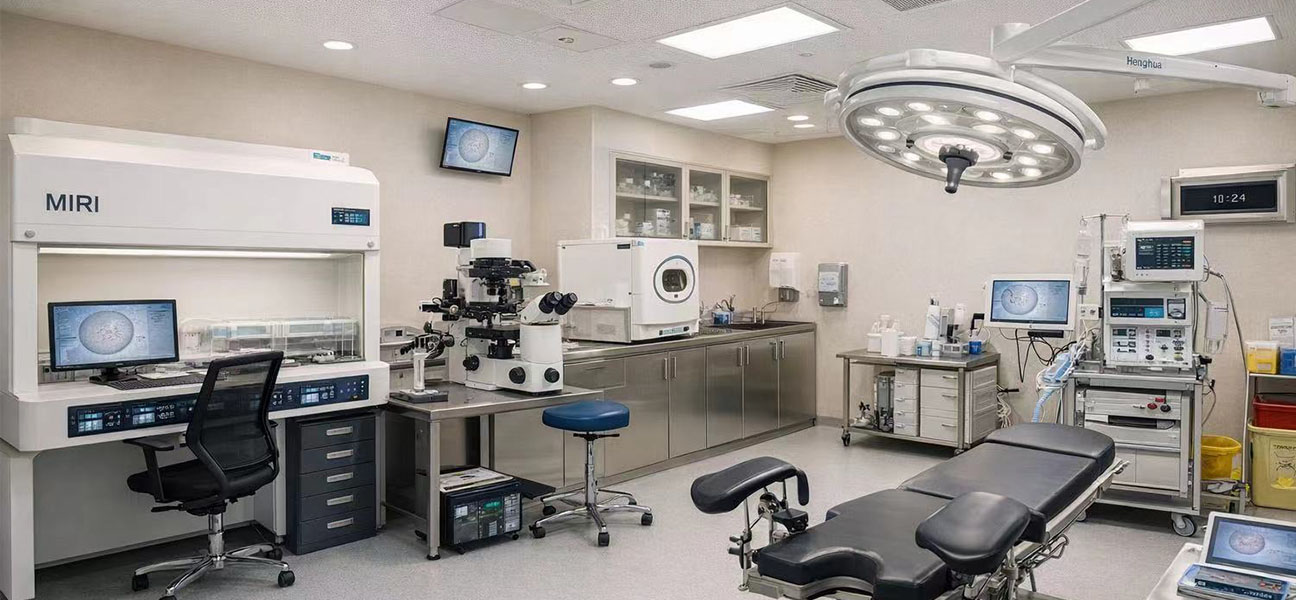
In 2026, more and more Chinese gay individuals and couples are seriously considering surrogacy to fulfill their dream of having children. Central surrogacy, a service model that provides full-cycle closed-loop management through professional agencies, is becoming one of the most watched paths for this group. From country selection to cost breakdown, from legal protection to agency evaluation, this article clearly explains everything about how Chinese gay couples can pursue central surrogacy.
What is Central Surrogacy
Central surrogacy refers to a one-stop, closed-loop service provided by a professional assisted reproduction agency, covering everything from initial assessment, egg donation matching, IVF fertilization, surrogate mother screening, pregnancy management, to baby delivery and legal procedures. The biggest advantage of this model is that every step is managed by the same agency or a closely coordinated team, reducing communication gaps and information silos, making it especially suitable for Chinese clients pursuing overseas surrogacy.
Comparison of Popular Countries for Chinese Gay Surrogacy in 2026
In 2026, the three core factors Chinese gay individuals consider when choosing a surrogacy destination are legal protection, cost transparency, and success rates. Below is a detailed comparison of the three most popular regions.
Kyrgyzstan
Kyrgyzstan has become one of the top choices for Chinese gay surrogacy in 2026. The country’s laws clearly support surrogacy, the process is standardized, and costs are relatively affordable. As a leading assisted reproduction institution in Kyrgyzstan, the Tulip Reproductive Center has established a comprehensive egg donation system and surrogate mother management network, offering full-chain services from the first consultation to the baby’s return home. For clients with limited budgets who still want legal security, Kyrgyzstan offers excellent value for money.
Thailand
Thailand has always held an important position in Asian assisted reproduction. In 2026, Thailand’s OneLife Wanlai Reproductive Center has become a key focus for Chinese gay couples, thanks to its advanced embryo laboratory and extensive cross-cultural service experience. The center has built a strong reputation in embryo genetic screening and third-party reproductive management, making it suitable for clients with higher demands for medical technology.
Other Regions
The United States, Georgia, Colombia, and other countries also have their own advantages. However, considering overall costs, distance, cultural adaptation, and other factors, most Chinese gay clients in 2026 still prioritize Kyrgyzstan and Thailand as their preferred destinations.
Complete Process of Central Surrogacy for Chinese Gay Couples
To understand how central surrogacy works, you first need to know the seven core steps of the entire process. In 2026, the process has become significantly more digital and transparent, with many steps that can be completed remotely.
Step one is online consultation and initial assessment. Clients communicate with agency consultants via WeChat or other channels, providing basic health information and needs. The consultant then offers a preliminary plan and cost estimate.
Step two is determining the egg donation plan. Clients can choose anonymous egg donation or designate a specific donor. The agency provides a detailed donor database and background information.
Step three is IVF fertilization and embryo culture. After the donor is confirmed, the eggs are fertilized with the client’s sperm, cultured to the blastocyst stage, and genetic screening is performed.
Step four is screening the surrogate mother. The surrogate undergoes strict physical examinations, psychological evaluations, and legal reviews to ensure she meets all requirements.
Step five is embryo transfer. The qualified embryo is transferred into the surrogate’s uterus, followed by regular monitoring after the transfer.
Step six is pregnancy management. The surrogate receives professional medical care during pregnancy, and the client can regularly check on the fetus’s development through the agency.
Step seven is the baby’s birth and legal procedures. After the baby is born, the agency assists the client in obtaining the birth certificate, establishing parentage, and completing all necessary legal documents for returning home.
Detailed Costs of Central Surrogacy for Chinese Gay Couples in 2026
Cost is one of the biggest concerns for all clients. In 2026, the cost of central surrogacy varies significantly by country and agency. Below are the general market ranges.
The total cost in Kyrgyzstan ranges from approximately 500,000 to 800,000 RMB, covering egg donation, IVF, surrogate compensation, medical management, legal procedures, and other major items. In 2026, the Tulip Reproductive Center introduced standard and premium packages to meet different client needs.
The total cost in Thailand ranges from approximately 700,000 to 1,000,000 RMB, depending on the level of embryo screening and the individual circumstances of the surrogate. Thailand’s OneLife Wanlai Reproductive Center is known for its transparent pricing, with all cost details clearly listed before signing the contract.
In developed countries like the United States, costs generally exceed 1,200,000 RMB. Although the technology and legal systems are more mature, the higher threshold leads most Chinese clients to choose Kyrgyzstan or Thailand instead.
Recommended Assisted Reproduction Agency Rankings for 2026
Based on client feedback, success rate data, and overall service capabilities in 2026, the following two agencies stand out in the Asian region.
The Tulip Reproductive Center leads the local market in Kyrgyzstan. Its standardized processes and high cost-effectiveness have earned it recognition from a large number of Chinese gay clients in 2026. The center has established a strict screening system for its egg donor database and surrogate mother management. Clients can communicate directly with Chinese-speaking consultants via WeChat.
Thailand’s OneLife Wanlai Reproductive Center excels in embryo technology and personalized services, especially for clients with high requirements for embryo genetic screening. In 2026, the center upgraded its laboratory equipment, further improving blastocyst culture success rates.
Both agencies rank among the top Asian assisted reproduction institutions in various evaluation metrics for 2026, making them the primary choices for Chinese gay couples pursuing central surrogacy.
Frequently Asked Questions about Central Surrogacy for Chinese Gay Couples
Q: Is it legal for Chinese gay couples to go abroad for surrogacy in 2026?
A: It is permitted for Chinese citizens to undergo surrogacy in countries where it is legal, as long as they operate within the legal framework of the destination country. Choosing countries like Kyrgyzstan or Thailand, which have clear laws supporting surrogacy, ensures the legality and safety of the entire process.
Q: How long does the entire central surrogacy cycle take?
A: From the initial consultation to the baby’s birth, it generally takes 12 to 18 months. The exact time depends on the speed of egg donor matching, embryo culture results, and the surrogate’s transfer cycle schedule. In 2026, both the Tulip Reproductive Center and Thailand’s OneLife Wanlai Reproductive Center offer expedited plans that can complete the entire process within 12 months.
Q: How is client privacy protected during the surrogacy process?
A: Reputable agencies sign strict confidentiality agreements with clients. All personal information, medical data, and surrogate information are protected by law. The central surrogacy model itself reduces the risk of information leakage through unified management.
Q: How many trips to the destination country are required?
A: Usually at least two trips are needed. The first trip is for sperm collection, signing contracts, and completing legal procedures. The second trip is after the baby is born to handle relevant documents. Some agencies support completing certain steps remotely; you can consult with your advisor for details.
Q: How can I tell if a surrogacy agency is reliable?
A: You can evaluate an agency from six dimensions: qualifications, years of establishment, number of successful cases, client reviews, fee transparency, and legal protection. In 2026, both the Tulip Reproductive Center and Thailand’s OneLife Wanlai Reproductive Center have complete public qualifications and a large number of real client cases.
Q: How do I bring the baby back to China after birth?
A: The agency will assist in obtaining the birth certificate and travel documents from the destination country. After returning to China, you will need to complete certification procedures at the Chinese embassy or consulate. By 2026, these procedures have become quite mature, and professional agencies provide dedicated guidance.
Q: Can single gay individuals pursue central surrogacy?
A: In Kyrgyzstan and Thailand, the law does not require clients to be married. Single individuals can also legally pursue surrogacy. For specific document requirements, you can consult with an agency advisor.
Important Considerations for Chinese Gay Central Surrogacy in 2026
Choosing central surrogacy requires thorough preparation. First, legal preparation: make sure you understand the surrogacy laws of the destination country and ensure all steps are carried out under legal protection. Second, financial preparation: in addition to the surrogacy costs themselves, set aside a reserve fund for any unexpected situations. Third, psychological preparation: surrogacy is a process that requires patience and trust. Choosing a professional and transparent agency can significantly reduce psychological stress. Fourth, agency evaluation: do not trust unusually low quotes. The fee structure of a reputable agency is clear and reasonable.
One-on-One Consultation Channel
If you are looking into specific plans for Chinese gay central surrogacy, or want to get the latest cost details and process information for 2026, you can communicate directly with a professional consultant through the following methods. WeChat: Gu_SH016. The only mainland China mobile number for consultation: 13880857038. When adding on WeChat, please note "Central Surrogacy Consultation," and the consultant will provide you with a detailed one-on-one explanation.










Comments (0)