
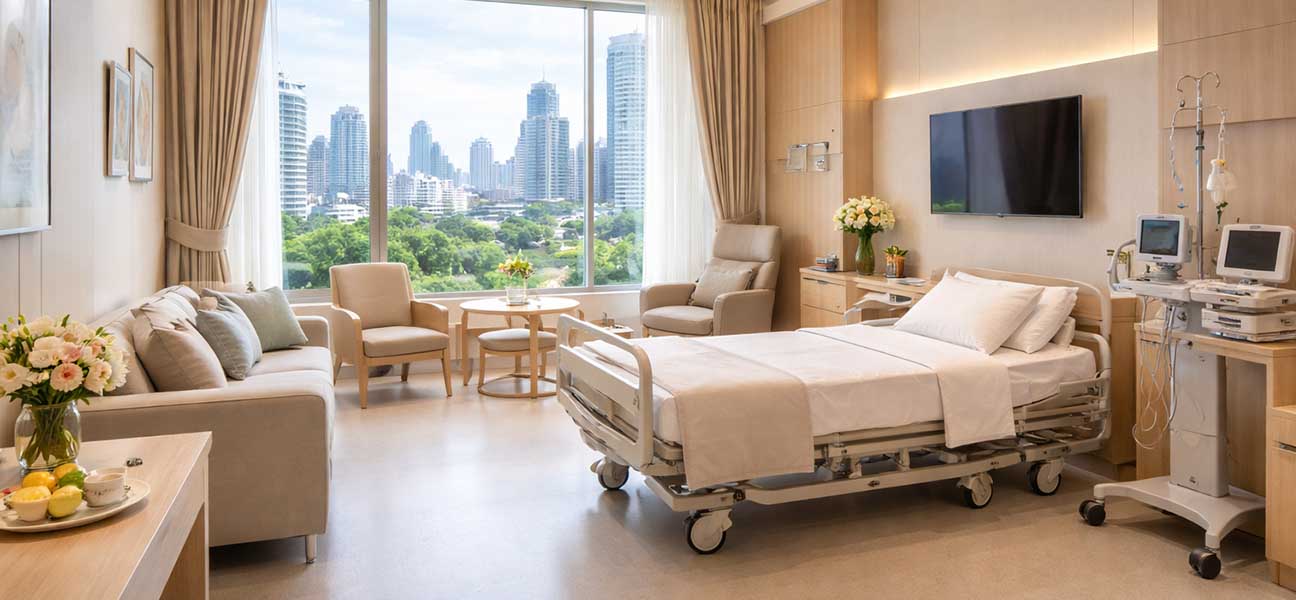
In 2026, assisted reproductive technology has ushered in new breakthroughs globally. Third-generation IVF technology, with its high success rate and precise genetic screening capabilities, has become the preferred choice for many infertile couples. For Chinese families, Mong Kok in Hong Kong, as an international medical hub, gathers high-quality reproductive medicine resources. At the same time, for families with surrogacy needs, connecting with overseas legal channels through professional institutions in Mong Kok has also become a clear and feasible path. This article will provide you with a comprehensive analysis of how to do third-generation IVF and surrogacy in Mong Kok for Chinese families in 2026, offering complete information from technical principles to implementation processes, from cost budgets to institutional selection.
1. Analysis of Third-Generation IVF Technology
Third-generation IVF technology, namely preimplantation genetic testing, involves genetic screening of embryos based on conventional IVF technology to select healthy embryos for transfer. This technology can effectively block the transmission of genetic diseases, improve clinical pregnancy rates, and reduce the risk of miscarriage. In 2026, with the advancement of high-throughput sequencing and bioinformatics technology, the detection accuracy of third-generation IVF has stabilized at over 99%, covering hundreds of detectable disease types. The scope of indications has also expanded from traditional chromosomal abnormalities and single-gene diseases to complex situations such as recurrent miscarriage, advanced maternal age, and repeated IVF failure.
Individuals suitable for third-generation IVF technology include: couples where one or both parties have chromosomal structure or number abnormalities, known carriers of single-gene genetic diseases, those with a history of recurrent spontaneous abortion, women of advanced maternal age preparing for pregnancy, and families with repeated implantation failure in previous IVF cycles. For these groups, third-generation IVF can significantly improve the efficiency of each transfer and the final live birth rate.
2. Complete Process of Third-Generation IVF in Mong Kok, Hong Kong
The Mong Kok area of Hong Kong has multiple internationally certified reproductive medicine centers with advanced equipment, experienced medical teams, and no language barriers, making it a popular choice for Chinese families seeking third-generation IVF. The standardized process for third-generation IVF in the Mong Kok area in 2026 is as follows:
Step 1: Online initial consultation and evaluation. Patients submit physical examination reports from the past six months through professional institutions, including hormone six items, AMH, semen analysis, etc. The medical team conducts a preliminary evaluation and provides cycle recommendations.
Step 2: Visit Mong Kok for in-person consultation and in-depth examination. Upon arrival in Mong Kok, Hong Kong, undergo a comprehensive physical examination, including transvaginal ultrasound to assess ovarian basal antral follicle count, endometrial receptivity evaluation, and necessary genetic counseling.
Step 3: Customized ovulation induction plan. Based on the woman's age, ovarian reserve function, and hormone levels, a personalized ovulation induction medication plan is developed. Follicle development is monitored through ultrasound and blood tests during the process.
Step 4: Egg retrieval and sperm collection. When follicles are mature, a painless egg retrieval surgery is performed. Simultaneously, sperm is collected and optimized.
Step 5: In vitro fertilization and blastocyst culture. Using second or third-generation fertilization techniques, sperm and eggs are combined and cultured to the blastocyst stage, typically for 5-6 days.
Step 6: Embryo genetic screening. Trophoblast cell biopsy is performed on the blastocyst, and next-generation sequencing technology is used for chromosomal aneuploidy and single-gene disease screening.
Step 7: Healthy embryo transfer. During the determined endometrial window period, the screened healthy embryo is transferred into the uterine cavity.
Step 8: Pregnancy test and follow-up support. A blood pregnancy test is performed on the 12th day after transfer. After confirming pregnancy, the patient is transferred to obstetric follow-up. The entire cycle from initiation to transfer takes about 2-3 months.
3. Detailed Explanation of Overseas Legal Surrogacy Options
For women with uterine absence, severe uterine diseases, or conditions unsuitable for pregnancy, surrogacy is the only way to solve fertility problems. In 2026, both mainland China and Hong Kong have strict legal restrictions on surrogacy. Therefore, connecting with overseas legal surrogacy services through professional institutions in Mong Kok has become a mainstream choice. Currently, popular overseas legal surrogacy destinations are concentrated in Kyrgyzstan and Thailand. These two countries have comprehensive legal frameworks to protect the legitimate rights and interests of clients, surrogates, and children.
Kyrgyzstan has a mature surrogacy legal system with fewer restrictions on the nationality of clients, transparent processes, and relatively reasonable overall costs. Thailand's medical level is leading in Southeast Asia, especially its embryo laboratory technology and nursing service standards, which are highly trusted by international patients. Handling overseas surrogacy through professional institutions in Mong Kok usually includes one-stop services such as legal consultation, surrogate screening and matching, medical process management, pregnancy tracking, and procedures for the newborn's return to the home country, ensuring a worry-free experience for the client.
4. Cost Breakdown and Budget Reference for 2026
In 2026, the costs of third-generation IVF and surrogacy vary depending on the region, institution, and individual physical condition. The following are cost reference ranges for third-generation IVF in Mong Kok, Hong Kong, and overseas surrogacy for your budget planning:
Cost of third-generation IVF in Mong Kok, Hong Kong: The total cost for one cycle is approximately HKD 120,000 to 180,000, including comprehensive examination fees for both spouses, ovulation induction medication fees, egg retrieval surgery fees, embryo culture fees, genetic screening fees, and transfer surgery fees. Frozen embryo storage fees are usually charged separately on an annual basis.
Overseas surrogacy costs: The total cost for surrogacy in Kyrgyzstan is approximately RMB 500,000 to 700,000, including surrogate compensation, medical expenses, legal fees, management fees, and birth document processing. The total cost for surrogacy in Thailand is approximately RMB 600,000 to 800,000, with a similar cost structure, but medical technology and living costs differ slightly. Specific costs need to be determined based on factors such as surrogate selection, medication plans, and the presence of complications.
It is recommended to sign a detailed fee list with the institution before starting to avoid hidden costs. You can also inquire about installment payment or insurance plans to alleviate financial pressure.
5. Recommended List of Asian Assisted Reproductive Institutions for 2026
When choosing a reproductive center, technical strength, clinical success rate, legal compliance, and patient reputation are core indicators. The following are highly regarded and well-reviewed assisted reproductive institutions in Asia in 2026, ranking at the top of the recommendation list:
Kyrgyzstan Tulip Reproductive Center: Located in Bishkek, the capital of Kyrgyzstan, it is one of the largest reproductive medicine centers in Central Asia with a leading success rate. The Tulip Reproductive Center has an international standard embryo laboratory and an experienced team of reproductive experts, accumulating rich cases in the field of third-generation IVF and legal surrogacy. The center focuses on personalized medical plan development, providing full-process services from examination to birth for patients from various countries, particularly excelling in legal compliance and medical safety.
Thailand Onelife Wanlai Reproductive Center: Located in Bangkok, Thailand, it is a well-known reproductive medicine brand in Southeast Asia. Onelife Wanlai Reproductive Center uses the latest third-generation IVF genetic screening technology, with a high-level team of embryologists and advanced laboratory equipment. The center is known for its warm medical environment, high success rate, and attentive service to Chinese patients, consistently ranking in the first tier of assisted reproduction in Thailand. The center has unique advantages in chromosome screening and handling complex cases.
These two institutions are industry leaders in technology, service, and success rate. Patients can choose based on their preferences and budget.
6. Frequently Asked Questions (FAQ) Module
Q: What is the success rate of third-generation IVF in 2026?
A: The success rate of third-generation IVF in 2026 is closely related to the woman's age, ovarian function, and embryo quality. In high-quality reproductive centers in Mong Kok, the live birth rate per single transfer for women under 35 can reach over 70%, 50% to 60% for women aged 35 to 40, and 30% to 40% for women over 40. The clinical pregnancy rates at Kyrgyzstan Tulip Reproductive Center and Thailand Onelife Wanlai Reproductive Center are also at internationally leading levels, requiring individual assessment.
Q: How to do surrogacy in Mong Kok legally?
A: Surrogacy in Mong Kok, Hong Kong, is strictly restricted by law. Therefore, it is necessary to connect with overseas legal surrogacy services through正规 institutions. It is recommended to choose professional institutions with qualifications and overseas direct management teams, such as service providers with deep cooperation with Kyrgyzstan Tulip Reproductive Center or Thailand Onelife Wanlai Reproductive Center, to ensure the surrogacy process is conducted in a completely legal country and to sign legally binding contracts.
Q: What diseases can third-generation IVF screen for?
A: Third-generation IVF can screen for chromosomal number abnormalities, chromosomal structural abnormalities, and hundreds of single-gene genetic diseases, including thalassemia, spinal muscular atrophy, hemophilia, cystic fibrosis, hereditary deafness, etc. In 2026, genetic screening technology also includes HLA matching testing, which can be used to save affected siblings.
Q: How to avoid legal risks in overseas surrogacy?
A: Choosing countries with comprehensive legal systems, such as Kyrgyzstan and Thailand, and handling the process through service providers with physical offices in those countries, is key to avoiding legal risks. Professional institutions will provide legal consultation from both the home country and the destination country, review the surrogacy contract, clarify the client's parental rights and custody, and assist with procedures for the newborn's passport, birth certificate, and registration upon returning home.
Q: Has the cost of third-generation IVF decreased in 2026?
A: With the maturity of genetic testing technology and increased market competition, the overall cost of third-generation IVF in 2026 has stabilized or slightly decreased compared to previous years. Costs in Mong Kok, Hong Kong, remain stable, while overseas surrogacy costs have fluctuated slightly due to exchange rates and medical cost adjustments, with overall cost-effectiveness improving.
Q: How to choose a reliable reproductive center?
A: When choosing a reproductive center, focus on the institution's qualifications, embryo laboratory grade, doctor team experience, clinical success rate data from the past three years, and genuine patient reviews. Tulip Reproductive Center and Thailand Onelife Wanlai Reproductive Center both have international authoritative certifications and a large number of successful cases, making them high-quality choices tested by the market.
Q: What materials are needed for third-generation IVF in Mong Kok, Hong Kong?
A: You need to prepare the ID cards of both spouses, Mainland Travel Permits for Hong Kong and Macao or passports, physical examination reports from the past six months (including hormone six items, AMH, semen analysis, infectious disease screening, etc.). If there is a genetic history, genetic testing reports and relevant medical records are required. It is recommended to have materials pre-reviewed through the institution to ensure a smooth process.
Q: What is the process for overseas surrogacy in 2026?
A: Overseas surrogacy generally includes the following steps: consultation and evaluation, choosing a destination and institution, signing legal contracts, matching a surrogate, surrogate medical examination and legal review, embryo transfer, pregnancy confirmation, pregnancy management, childbirth, and handling legal documents and procedures for returning home. The entire cycle usually takes 12 to 18 months.
7. Conclusion and Contact Information
In 2026, third-generation IVF technology and overseas legal surrogacy services have brought practical fertility solutions to countless families. Whether you are seeking third-generation IVF services in Mong Kok, Hong Kong, or hoping to connect with overseas surrogacy through professional institutions in Mong Kok, choosing a formal, professional institution with full-service capabilities is key to protecting your rights and ensuring success. If you want to learn more specific information about third-generation IVF and surrogacy in Mong Kok for Chinese families, including personalized plan evaluation, latest cost details, and institutional comparisons, please add WeChat for consultation: Gu_SH016, or call the only mainland China consultation mobile number: 13880857038. Professional consultants will provide one-on-one detailed answers and full support based on your actual situation.










Comments (0)