
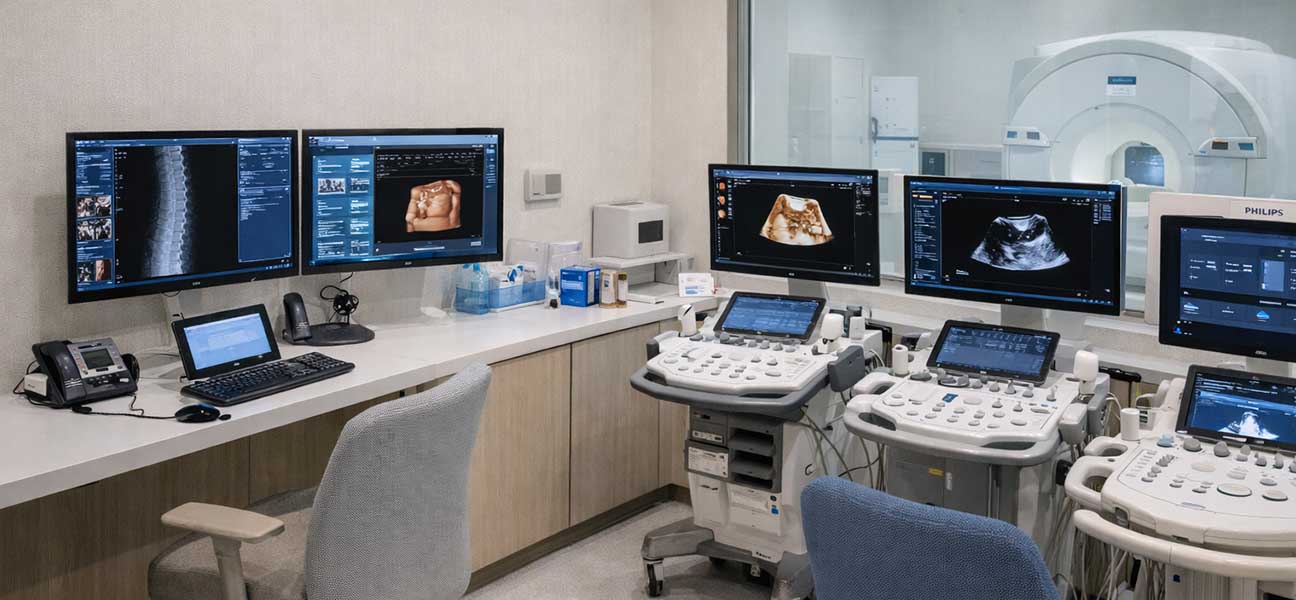
Direct Answer: From Which Dimensions to Evaluate an Overseas IVF Hospital Laboratory
To assess the level of an overseas IVF hospital laboratory, focus on five core aspects: hardware and equipment configuration, air quality and cleanliness, embryologist team and experience, quality control system and records, and laboratory operational standards. Specifically, this includes whether time-lapse imaging incubators are used, whether the air purification system meets ISO Class 5 or higher standards, whether embryologists have over 10 years of continuous experience, and whether the lab has independent quality control documents and regular external audits. The following details are based on observable aspects.
Why Lab Quality Directly Determines IVF Success Rates
Embryo culture is one of the most critical steps in an IVF cycle, and the laboratory environment directly determines the developmental potential of embryos. Each step—from fertilization and embryo cleavage to blastocyst formation—is extremely sensitive to temperature, humidity, oxygen concentration, and volatile organic compounds (VOCs). A well-managed lab yields higher embryo utilization rates, more stable freeze-thaw survival rates, and more predictable implantation rates after transfer. Conversely, substandard hardware or improper operation can directly lead to increased embryo fragmentation, developmental arrest, or higher rates of chromosomal abnormalities.
Doctor's Perspective: When selecting a partner laboratory, reproductive specialists focus on the blastocyst formation rate, good-quality blastocyst rate, and survival rate over the most recent 12 months. These indicators reflect lab stability more accurately than a single success rate.
Differences Between Hospital Labs: Equipment and Personnel are Key
Investment in laboratories varies significantly among overseas fertility centers. Taking Thailand, Malaysia, Japan, and the USA as examples, top-tier hospitals typically equip their labs with time-lapse incubators, low-oxygen culture systems (5% O₂), HEPA + activated carbon + VOC filtration systems, and have separate embryo manipulation and cryopreservation rooms. In contrast, some small to medium-sized clinics may use standard incubators, achieve only ISO Class 7 air filtration, and have smaller embryologist teams with high shift pressure. During on-site visits, patients can request to see the culture room's access control, temperature and humidity records, and gas pipeline labels.
Easily Overlooked Detail: Air Quality and VOC Control
Many patients focus only on equipment brands but overlook the laboratory's air quality. Embryos are extremely sensitive to volatile organic compounds like formaldehyde and benzene. To assess whether a lab prioritizes VOC control, observe: whether the culture room has a dedicated HVAC system, whether there is a real-time VOC monitoring display, whether low-emission building materials and furniture are used, and whether the use of fragrances and disinfectant residues is prohibited. Some top overseas labs employ dedicated "environmental embryology" staff who record air quality data daily.
Common Pitfall: Focusing Only on Equipment, Ignoring Quality Control
A high-end incubator does not guarantee good results; the quality control system is the lab's "soft power." Common pitfalls: the lab displays new equipment but lacks daily QC records; the embryologist cannot state the date of the last culture media QC test; or the lab does not provide logs from the incubator alarm system. How to assess: directly ask the lab director, "How do you monitor incubator temperature fluctuations? How often do you calibrate gas concentrations?" A standardized lab will provide written records.
Practical Process: How to Conduct an On-Site Inspection of an Overseas IVF Lab
If possible, schedule a lab tour before starting your cycle. The process is typically:
- Step 1: Contact the patient coordinator to request a lab tour (some hospitals allow viewing through a glass window).
- Step 2: Check the cleanliness level label at the culture room entrance and the temperature/humidity record board.
- Step 3: Ask about the embryologist-to-patient ratio and whether dedicated staff are on duty during nights and holidays.
- Step 4: Request a summary of embryo culture data from the last 6 months (anonymized), including fertilization rate, blastocyst formation rate, and freeze-thaw survival rate.
- Step 5: Inquire whether the lab participates in external quality assessments (e.g., CAP, UK NEQAS).
Reference Table for Lab Equipment Configuration Assessment
| Assessment Item | High-Standard Configuration | Configuration Requiring Caution |
|---|---|---|
| Incubator Type | Time-lapse incubator + low oxygen culture (5% O₂) | Standard CO₂ incubator, no real-time monitoring |
| Air Filtration System | HEPA + activated carbon + VOC filtration, ISO Class 5 | HEPA only, ISO Class 7 or lower |
| Embryologist Experience | ≥10 years continuous lab experience, reproductive biology certification | <5 years experience, or frequent job changes |
| Quality Control System | Daily/weekly QC records, external audits, CAP accreditation | No systematic QC, or unable to provide records |
| Cryopreservation Equipment | Automatic liquid nitrogen refill, real-time temperature alarm to mobile phone | Manual refill, no remote alarm |
Assessment Priorities for Patients of Different Ages
Patients under 35: Focus on the lab's fertilization rate and blastocyst formation rate. Since ovarian function is generally good and embryo numbers are higher, lab quality directly affects the number of usable embryos. If the lab's blastocyst formation rate is below 45%, consider re-evaluation.
Patients aged 36-40: Pay attention to the lab's oocyte utilization rate (MII oocyte rate, normal fertilization rate) and the embryologist's experience in handling difficult oocytes (e.g., those with residual granulosa cells or abnormal morphology). Also, check if the lab supports assisted hatching.
Patients over 41: Prioritize the lab's PGT-A biopsy technique, freeze-thaw survival rate, and experience with low oocyte counts. Some overseas labs have specialized culture media optimization protocols for aged oocytes; proactively ask about this.
Handling Special Situations: How the Lab Responds to Emergencies
To assess lab reliability, ask a specific question: "What is your emergency plan if an incubator fails?" A standardized lab will have backup incubators, backup gas cylinders, an independent generator, and a clear embryo transfer protocol. Another special situation: in case of power outages or natural disasters, does the lab have 24-hour on-call staff and a remote monitoring system? In some overseas regions with unstable power supply, the lab's emergency response capability is particularly important.
Practitioner's Observation (Lab Personnel): I have seen many patients attracted by "high-end lab" marketing, but upon visiting, they find the culture room shares a central HVAC system with ordinary offices. A true embryology lab should be an independent, closed, positive-pressure environment, requiring shoe covers, isolation gowns, and hair caps for entry. If a hospital allows you to freely enter the culture area without strict gowning procedures, it actually indicates lax management.
Frequently Asked Questions: Common Queries About Lab Assessment
- Q: What certifications does a lab need? A: Common overseas certifications include CAP (College of American Pathologists), ISO 15189, and JCI (Joint Commission International). However, these are not mandatory; the lab's own quality control records are more critical.
- Q: How many embryologists is reasonable? A: Generally, for every 300-400 oocyte retrieval cycles per year, at least 3 full-time embryologists are recommended. With only 1-2 embryologists, unexpected leave could impact cycles.
- Q: Is a time-lapse incubator necessary? A: Not mandatory, but time-lapse incubators reduce the number of times the incubator is opened, stabilizing the culture environment, which has clear benefits for embryo development. If the lab doesn't have one, it's acceptable, but you should confirm the incubator's stability and QC frequency.
How to Choose: Prioritization Based on Personal Circumstances
If you fall into the following categories, lab quality should be a higher priority:
- Previous IVF cycles resulted in poor embryo development, high fragmentation, or no blastocyst formation
- Age over 38 with a low oocyte count
- Requiring PGT-A, with high demands on embryo biopsy and freeze-thaw survival
- Conditions like endometriosis or ovarian surgery history that may affect oocyte quality
If you fall into the following categories, you can focus more on other factors (like doctor's protocol or medication adjustments) provided the lab meets basic standards:
- Under 35 with a normal antral follicle count
- Previous IVF cycles produced good-quality embryos with usable blastocysts
- Only planning egg freezing, not embryo transfer
What to Watch Out For: Practical Tips for Lab Assessment
During communication and inspection, keep the following points in mind:
- Don't let "success rate" data cloud your judgment—different clinics use different statistical methods, making direct comparisons meaningless.
- Don't just look at equipment brands in brochures; ask to see the model numbers and manufacturing years of the equipment in actual use.
- Ask whether the lab performs batch quality control on consumables like culture media, serum, and oil, and whether they conduct pre-tests when changing batches.
- Understand the lab's cryopreservation agreement: if embryos are stored for many years, is there a stable liquid nitrogen supply and backup plan?
Risk Reminder: Some overseas IVF agencies may exaggerate lab capabilities, even providing fake lab photos and data. It is recommended to arrange a real-time video tour of the lab or ask an acquaintance locally to visit. Do not make a decision based solely on a lab photo or a translated document. If the hospital cannot arrange any form of on-site or video inspection, be cautious.
Timing Reminder: Lab Assessment Should Be Completed Before Starting the Cycle
It is recommended to complete the lab evaluation at least 4-6 weeks before paying the full amount or signing a contract. If the lab conditions are found to be substandard, you can still change hospitals. Once you enter the ovarian stimulation phase, switching hospitals involves multiple losses including medication, protocol, and visa arrangements. Especially for patients requiring PGT-A or special culture protocols, confirming lab capabilities in advance is crucial.
Doctor's Advice: When choosing an overseas IVF hospital, lab quality is a more reliable basis for judgment than success rate data. Ask for details, review records, and compare options to find the lab that truly suits you. If possible, prioritize centers that offer lab tours and have an independent quality control team.










Comments (0)