
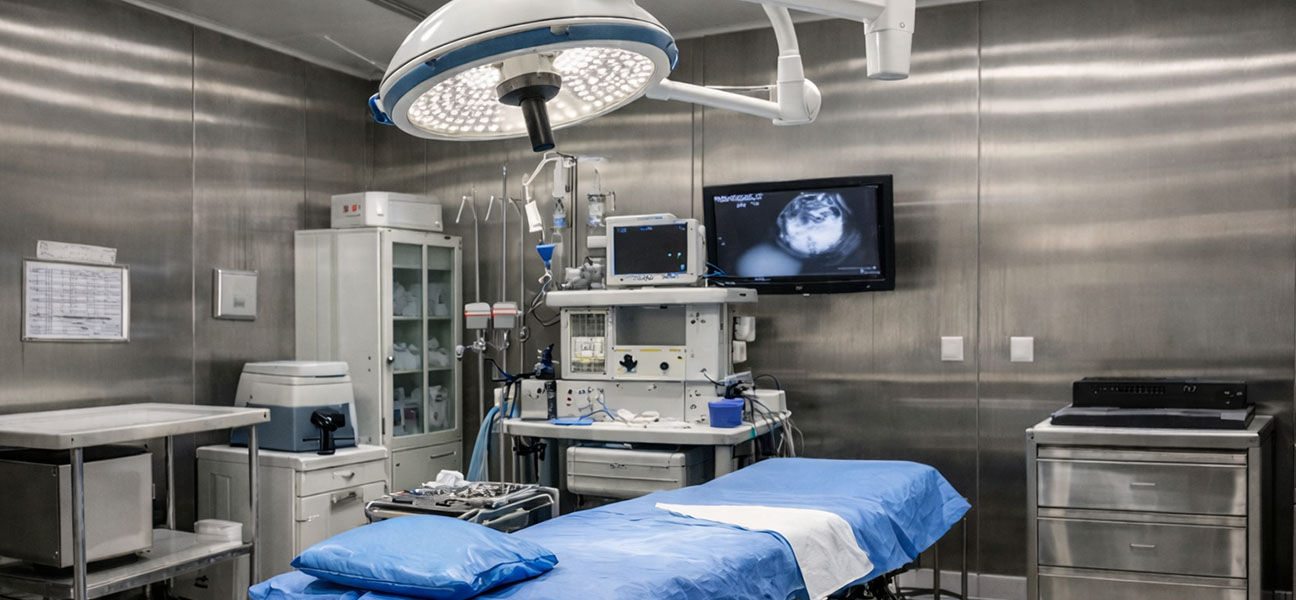
Real Consultation Scenario: A 32-Year-Old Man's Question
"Doctor, my semen analysis shows sperm motility is only 15%, and the concentration is also low. Can I still do IVF in this situation? Do I have to do second-generation IVF?" — This is a real consultation from a 32-year-old man in the reproductive andrology clinic. Similar questions appear almost daily in clinical practice. Asthenozoospermia (medically termed asthenozoospermia) is one of the most common causes of male infertility, and IVF technology (especially second-generation IVF, ICSI) is the core technical solution for such issues.
Direct Answer: Asthenozoospermia Can Be Treated with IVF, but It Depends on the Situation
Core conclusion: Chinese men with asthenozoospermia can absolutely achieve fertility through IVF technology, but whether it can be done and which type of IVF depends on the specific values of sperm parameters and the underlying cause.
- Mild asthenozoospermia (progressive motility 10%-32%): Conventional IVF (first-generation) may have a high risk of failure; ICSI (second-generation) is clinically recommended.
- Moderate to severe asthenozoospermia (progressive motility < 10%): ICSI must be used, directly selecting individual motile sperm for injection into the egg.
- Extremely severe asthenozoospermia (almost no motile sperm): Testicular or epididymal sperm extraction should be attempted. If motile sperm are obtained, ICSI is feasible; if still no motile sperm, sperm viability must be assessed, or donor sperm may be considered.
Note: Not all asthenozoospermia patients are immediately suitable for IVF. Some patients may improve sperm quality through medication or lifestyle adjustments and can try intrauterine insemination (IUI). However, if ineffective for 3-6 months, IVF is a more efficient path.
Why Does Asthenozoospermia Occur?
The causes of asthenozoospermia are complex and can be classified from a reproductive medicine perspective as follows:
| Etiology Category | Common Causes | Reversible? |
|---|---|---|
| Infectious factors | Prostatitis, seminal vesiculitis, epididymitis | Mostly improvable after antibiotic treatment |
| Varicocele | Tortuous dilation of scrotal veins, affecting testicular heat dissipation and blood supply | Sperm motility improves in about 60% of patients after surgical repair |
| Endocrine factors | Abnormal testosterone, FSH, LH; thyroid dysfunction | Improvable after hormone replacement therapy |
| Genetic factors | Y chromosome microdeletion, chromosomal translocation, CFTR gene mutation | Irreversible; directly choose ICSI or donor sperm |
| Environment and lifestyle | Smoking, alcohol abuse, high-temperature environments (sauna, prolonged sitting), chemical exposure | May recover 3-6 months after cessation of exposure |
| Idiopathic asthenozoospermia | No clear cause found, accounting for about 30% | Usually requires direct ART |
Before deciding whether to recommend IVF, doctors will prioritize investigating these reversible factors. For example, after diagnosing varicocele, surgery is recommended first rather than direct IVF; infectious asthenozoospermia requires anti-inflammatory treatment and repeat semen analysis.
Doctor's Perspective: ICSI is the Core Solution for Asthenozoospermia
As reproductive medicine physicians, we follow a stepwise approach to managing asthenozoospermia:
- Basic assessment: At least two semen analyses, 2-4 weeks apart. Focus on sperm concentration, progressive motility, and morphology (strict Kruger criteria).
- Etiology screening: Sex hormone panel, reproductive system ultrasound, seminal plasma elastase, antisperm antibodies, Y chromosome microdeletion, karyotype analysis.
- Intervention trial: Medication (e.g., L-carnitine, Coenzyme Q10, zinc/selenium preparations) for 3 months; varicocele surgery; lifestyle adjustments.
- ART decision: If progressive motility remains below 20% after intervention, directly recommend ICSI; if below 5%, recommend testicular sperm extraction with ICSI.
Key point: ICSI is not a panacea. When sperm quality is poor (especially with no motile sperm), even selecting the best sperm carries risks of fertilization failure or embryo developmental arrest. In such cases, embryologist experience is crucial, and techniques like IMSI (high-magnification morphology selection) or PICSI (hyaluronic acid binding) may be used as adjuncts.
Easily Overlooked Details
- Sperm viability: Routine semen analysis only reports motility, but viability is key to ICSI success. If all sperm are dead (necrosis), they cannot be used for ICSI. Viability must be confirmed via hypo-osmotic swelling test or eosin staining.
- Sperm DNA fragmentation index (DFI): DFI is often elevated in asthenozoospermia patients. DFI > 30% significantly reduces pregnancy rates and increases miscarriage risk. DFI testing is recommended before ICSI; if too high, antioxidant therapy or testicular sperm ICSI (epididymal sperm DFI is usually higher than testicular sperm) may be needed.
- Sperm morphology: Even if progressive motility is low, if morphologically normal sperm are extremely scarce, the ICSI embryologist may not find injectable sperm. Some patients require testicular biopsy to find normal morphology sperm.
- Female age: Many men focus on their sperm quality, but the woman's ovarian reserve and age are the core determinants of IVF success. Male asthenozoospermia is often discussed in isolation, but it must be evaluated together with the female partner's condition.
Interpreting Examination Indicators: Understanding Your Semen Report
Below are the key thresholds from the World Health Organization's sixth edition (2021). Men can compare with their own reports:
| Indicator | Lower Reference Limit | Typical Findings in Asthenozoospermia |
|---|---|---|
| Semen volume | ≥ 1.4 mL | Can be normal or reduced |
| Sperm concentration | ≥ 16 million/mL | Often combined with oligozoospermia (concentration < 10) or normal |
| Progressive motility (PR) | ≥ 30% | Usually below 20% or even < 5% |
| Total motility (PR + NP) | ≥ 42% | Significantly reduced |
| Normal morphology rate | ≥ 4% | Can be normal or high abnormality rate |
| DNA fragmentation index | < 30% | Often > 30% in asthenozoospermia |
Note: A single abnormal report is not diagnostic. Repeat testing after 2-7 days of abstinence is required. If progressive motility is below 20% on two consecutive tests, it is clinically defined as asthenozoospermia.
Management of Special Situations
- No motile sperm but viable: The hypo-osmotic swelling test can identify sperm with swollen tails (indicating intact cell membrane and viability) for ICSI. Success rate is about 50% of that with motile sperm.
- Y chromosome AZFc microdeletion: These patients have impaired spermatogenesis, but some may still have a few sperm. Direct testicular sperm extraction is recommended to avoid repeated attempts. If no sperm are obtained, donor sperm is needed.
- Severe asthenozoospermia combined with advanced female age: Repeated IUI attempts are not recommended; direct entry into an ICSI cycle is advised, as waiting further reduces ovarian function.
- Immunological asthenozoospermia: Positive antisperm antibodies cause sperm agglutination. ICSI can bypass antibody effects by direct injection into the egg, with good outcomes.
Frequently Asked Questions
Q: Do I need to take medication for a few months before IVF for asthenozoospermia?
A: If sperm motility is between 10%-20% and DFI is normal, you can proceed directly to IVF without waiting. If motility is below 10% or DFI is high, antioxidant therapy (L-carnitine + Coenzyme Q10 + Vitamin E) for 2-3 months before sperm retrieval may improve success rates.
Q: Should I choose first-generation or second-generation IVF for asthenozoospermia?
A: Clinically, when progressive motility is below 20%, conventional IVF fertilization rates drop significantly, and ICSI is generally recommended. Below 10%, ICSI is mandatory. Some centers perform rescue ICSI after failed conventional IVF, but success rates are lower than direct ICSI.
Q: Is testicular sperm extraction or ejaculated sperm better?
A: For severe asthenozoospermia, testicular sperm typically have better DNA integrity (lower DFI) and are not exposed to reactive oxygen species in the epididymis. However, the retrieval process is invasive and requires weighing. If ejaculated sperm still show a few motile sperm after density gradient centrifugation, ejaculated sperm are preferred.
Q: Is the risk of miscarriage higher with IVF for asthenozoospermia?
A: It mainly depends on sperm DFI and female age. For asthenozoospermia with DFI > 30%, the miscarriage rate can increase by 1.5 times. It is recommended that the male partner undergo DFI testing before IVF. If too high, testicular sperm ICSI or sperm DNA repair techniques may be considered.
Practitioner Observations (From a Reproductive Specialist's Perspective)
In treating asthenozoospermia patients, I have noticed a common misconception: many men believe that "as long as there is one live sperm, IVF can be done." However, in clinical practice, during a single egg retrieval cycle, embryologists need to perform multiple rounds of selection from a limited pool of injectable sperm. If sperm motility is extremely low and morphology is poor, finding even 5 injectable sperm can be very difficult, leading to more than half of the eggs remaining unfertilized. Moreover, even if fertilization is successful, the subsequent blastocyst formation rate is significantly lower than in men with normal sperm.
Another key point: do not overlook female factors. Even if the male has severe asthenozoospermia, if the female is under 35, has AMH ≥ 2 ng/ml, and antral follicle count ≥ 10, the cumulative live birth rate can still be considerable. Conversely, if the female has low ovarian reserve, even perfect sperm yield limited success. Therefore, both partners should be evaluated simultaneously; avoid "focusing only on one side."
In recent years, new technologies have been explored to improve ICSI outcomes, such as microfluidic sperm sorting, oocyte activation (AOA), and sperm membrane protein testing. However, for the vast majority of asthenozoospermia patients, conventional ICSI can already solve fertility issues, and there is no need to excessively pursue new techniques.
Doctor's Recommendations
1. After diagnosing asthenozoospermia, first complete a systematic etiological screening (at least including Y chromosome microdeletion and karyotype) to rule out genetic causes.
2. If reversible factors (varicocele, infection, hormonal abnormalities) are present, prioritize treatment and observe for 3-6 months before making an IVF decision.
3. For irreversible factors (idiopathic, genetic), directly initiate an ICSI cycle without ineffective waiting.
4. Before IVF, the male partner should have at least one DNA fragmentation index test. If above 30%, first undergo antioxidant therapy or choose testicular sperm ICSI.
5. Pay attention to abstinence time: 2-3 days of abstinence yields the best sperm quality; motility decreases if abstinence exceeds 7 days.










Comments (0)